Loading subject page…


628,008 views

Video Summary: A Sensory System Definition
Ever wonder how your brain instantly recognizes the smell of your favorite pizza from across a crowded mall food court? A sensory system is the remarkable biological pathway that transforms physical stimuli into the conscious perceptions we experience every moment. Consider how quickly you pull your hand away from a hot stove-this lightning-fast response showcases your somatosensory system detecting temperature and pain. Watch the full video on JoVE Coach to master this concept with expert-led visuals and step-by-step explanations.
A sensory system represents one of biology's most sophisticated communication networks-specialized neural pathways that bridge the gap between our external environment and internal awareness. These systems function as biological translators, converting physical energy from stimuli into electrical signals our brains can interpret and act upon.
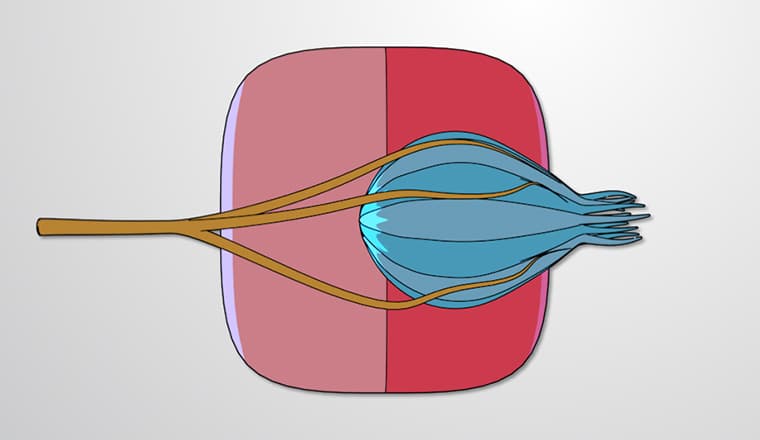
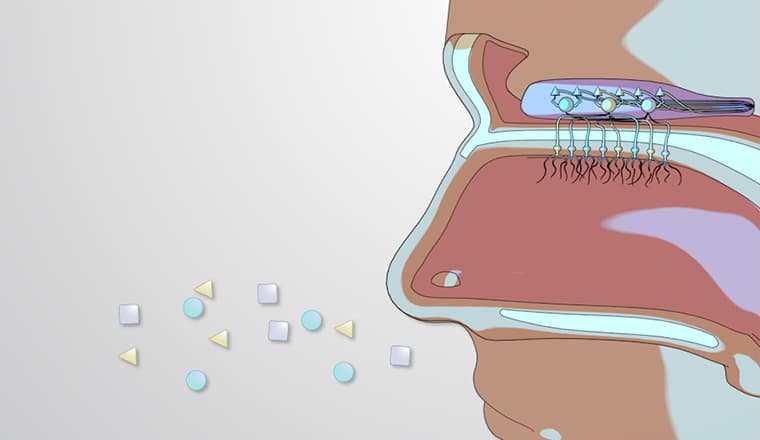
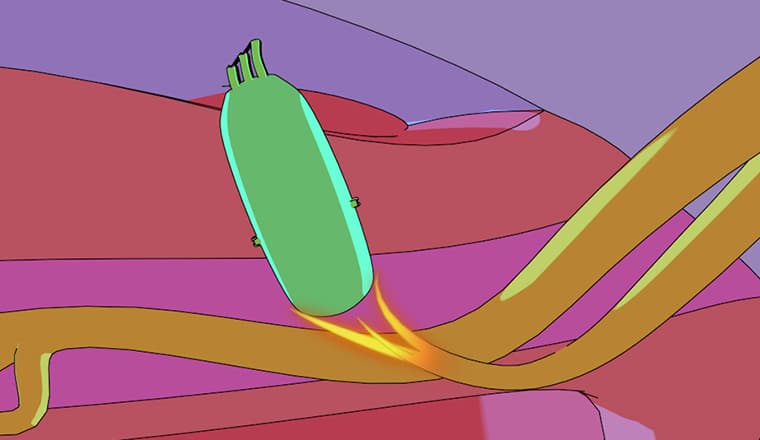
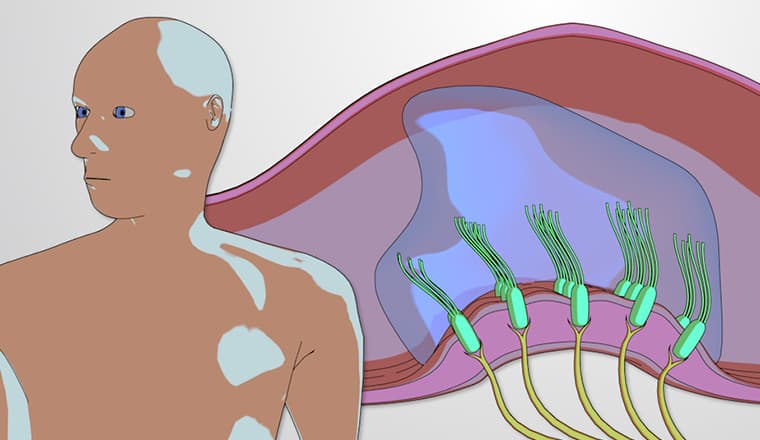
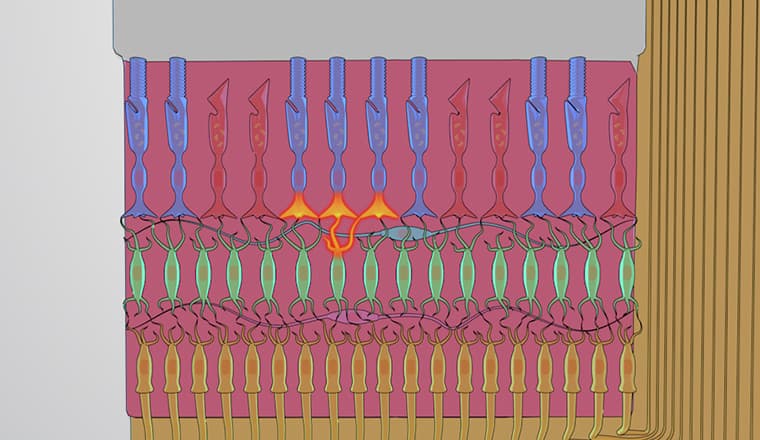
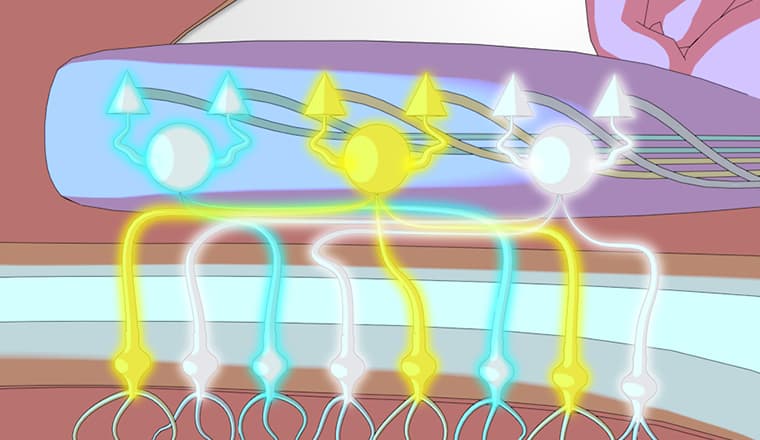
Every sensory system contains three fundamental components working in perfect coordination. First, specialized receptor cells detect specific types of stimuli-photoreceptors in your retina respond to light waves, while mechanoreceptors in your fingertips detect pressure and texture. Second, transduction occurs when these receptors convert stimulus energy into neural signals by altering their electrical membrane potential. Finally, transmission carries these signals through interconnected neurons to reach processing centers in your brain.
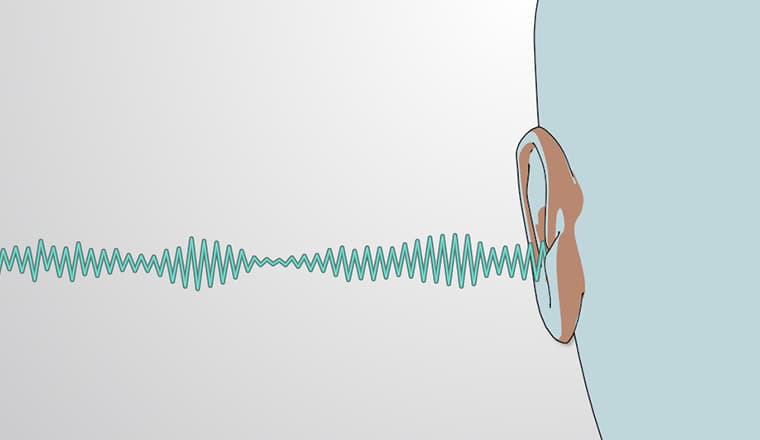
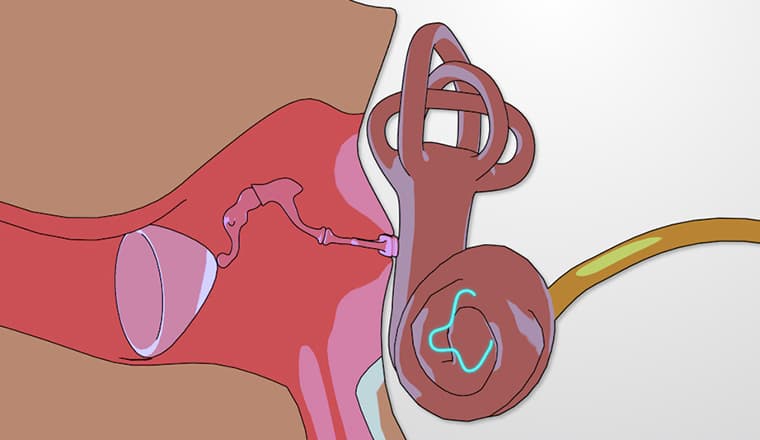
The human body operates eight distinct sensory systems, each fine-tuned for specific environmental information. The classic five senses-vision, hearing, smell, taste, and touch-handle most external stimuli detection. However, three additional systems prove equally crucial: temperature sensation (thermoception), pain detection (nociception), and spatial orientation (vestibular system).
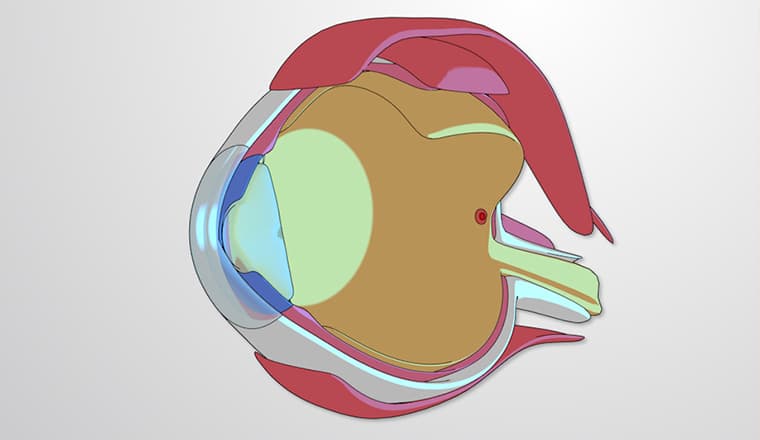
Consider how these systems impact daily American life. A student taking the SAT Biology exam must understand how rod and cone photoreceptors enable reading test questions under different lighting conditions. Meanwhile, a culinary arts student relies on gustatory and olfactory systems to distinguish subtle flavor profiles in regional American cuisines.
Most sensory information follows a well-established route to conscious perception. Signals typically travel first to the thalamus-often called the brain's relay station-which sorts and forwards information to appropriate cerebral cortex regions. The visual cortex processes sight, auditory cortex handles sound, and somatosensory cortex interprets touch sensations.
This organization appears frequently on AP Psychology and college neuroscience exams, particularly questions about sensory processing disorders or phantom limb phenomena affecting American military veterans. Understanding these pathways helps pre-med students prepare for MCAT passages about neurological conditions affecting sensory perception.
Sensory systems rarely work in isolation. Your brain continuously integrates information from multiple sources, creating unified perceptual experiences. When you bite into a fresh apple, taste receptors detect sweetness, olfactory receptors identify the crisp scent, mechanoreceptors feel the texture, and auditory systems register the satisfying crunch-all combining into one "apple-eating" experience.
Related Micro-courses