Loading subject page…


628,008 views

Video Summary: What Is Gustation
Ever wondered why your favorite pizza tastes completely different when you have a cold? Gustation, the sense of taste, creates the complex flavors we experience daily through a sophisticated process involving taste buds and neural pathways. From detecting the saltiness in McDonald's fries to the sweetness in Coca-Cola, gustation works alongside smell to create our perception of flavor through specialized receptors on our tongue. Watch the full video on JoVE Coach to master this concept with expert-led visuals and step-by-step explanations.
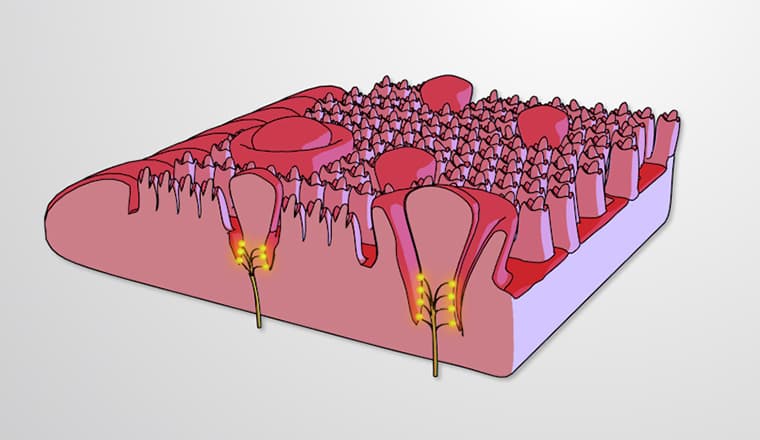
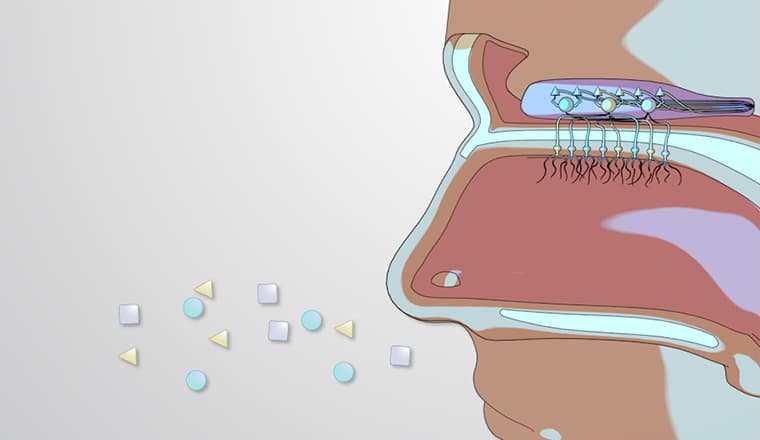
Gustation represents one of our most fundamental chemical senses, allowing us to detect and interpret dissolved molecules in our food and beverages. Unlike vision or hearing, which detect energy waves, gustation requires direct molecular contact between taste stimuli and specialized receptor cells. This process begins when food dissolves in saliva, creating a solution that can interact with taste receptors located within taste buds throughout the oral cavity.
The complexity of gustation becomes apparent when considering how we distinguish between thousands of different flavors using just five basic taste categories: sweet, sour, salty, bitter, and umami (savory). This remarkable discrimination occurs through sophisticated molecular detection systems that have evolved to help humans identify nutritious foods while avoiding potentially harmful substances.
Taste detection operates through two distinct molecular pathways, each specialized for different taste categories. Salt and sour tastes utilize direct ion channel mechanisms, where specific ions trigger immediate electrical responses in taste cells. Sodium chloride, common table salt, activates sodium channels that allow Na+ ions to enter taste cells, generating action potentials that signal saltiness to the brain.
Sweet, bitter, and umami tastes employ more complex G-protein coupled receptor (GPCR) systems that activate intracellular signaling cascades. When sucrose molecules from a Hershey's chocolate bar bind to sweet taste receptors, they trigger second messenger systems that ultimately generate neural signals. Similarly, caffeine in Starbucks coffee activates bitter taste receptors, while glutamate in Parmesan cheese stimulates umami receptors, each through distinct GPCR pathways.
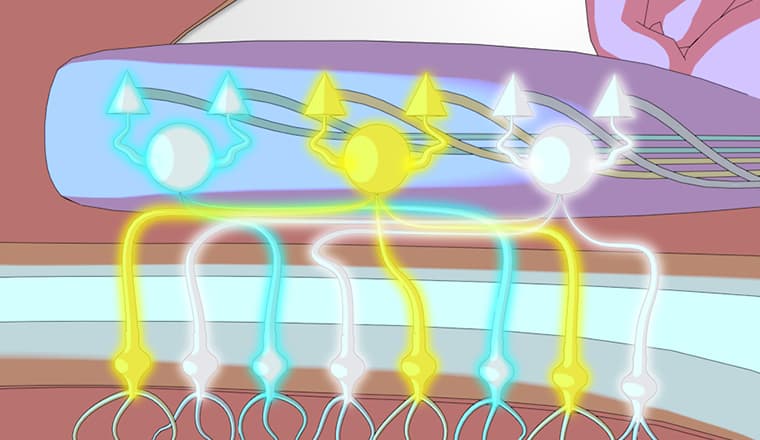
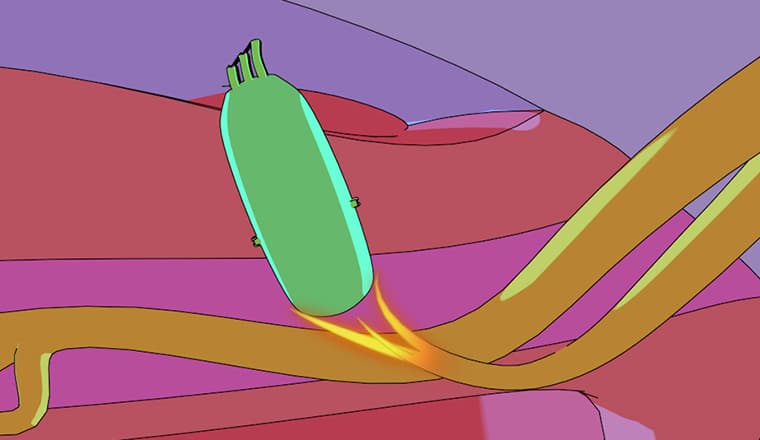
The journey from molecular detection to conscious taste perception involves multiple neural processing stages. Taste information travels through cranial nerves VII (facial), IX (glossopharyngeal), and X (vagus) to the brainstem, then to the thalamus before reaching the primary gustatory cortex in the insula. This pathway ensures that taste information integrates with other sensory inputs, particularly smell, to create our complete flavor experience.
Students preparing for AP Biology or college-level neuroscience courses should understand that gustation demonstrates key principles of sensory transduction and neural processing. MCAT test-takers frequently encounter questions about taste receptor mechanisms and the integration of gustatory and olfactory information in flavor perception.
Understanding gustation has significant implications for health sciences and food industry applications. Medical students studying for the USMLE should recognize that taste disorders can indicate cranial nerve damage or systemic diseases affecting receptor function. In food science programs at universities like UC Davis or Cornell, students apply gustation principles to develop new products and understand consumer preferences.
Related Micro-courses