Loading concepts…


8 Concepts
21 Concepts
9 Concepts
16 Concepts
16 Concepts
14 Concepts
15 Concepts
14 Concepts
7 Concepts
9 Concepts
5 Concepts
19 Concepts
13 Concepts
12 Concepts
15 Concepts
7 Concepts
8 Concepts
11 Concepts
12 Concepts
11 Concepts
6 Concepts
8 Concepts
8 Concepts
9 Concepts
8 Concepts
10 Concepts
12 Concepts
12 Concepts
11 Concepts
5 Concepts
4 Concepts
5 Concepts
7 Concepts
21 Concepts
7 Concepts
8 Concepts
 14 Concepts
 986.6K Views
 Popular topics
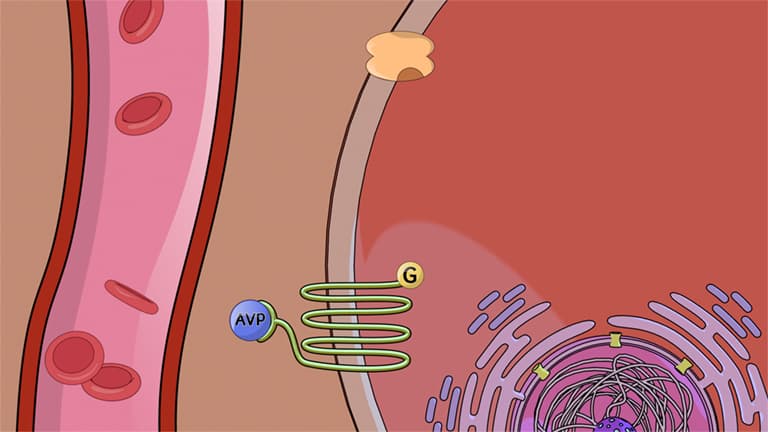
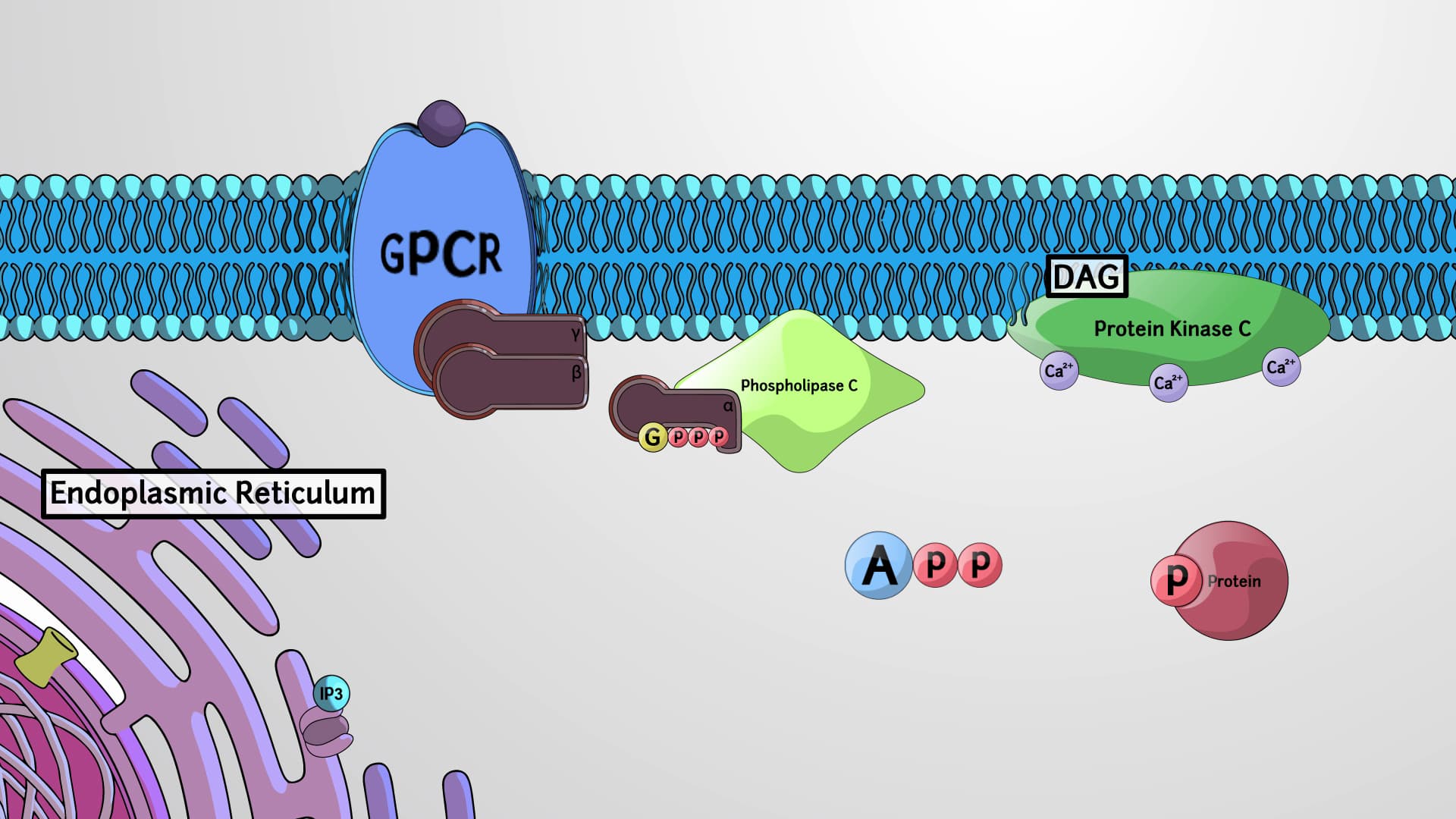
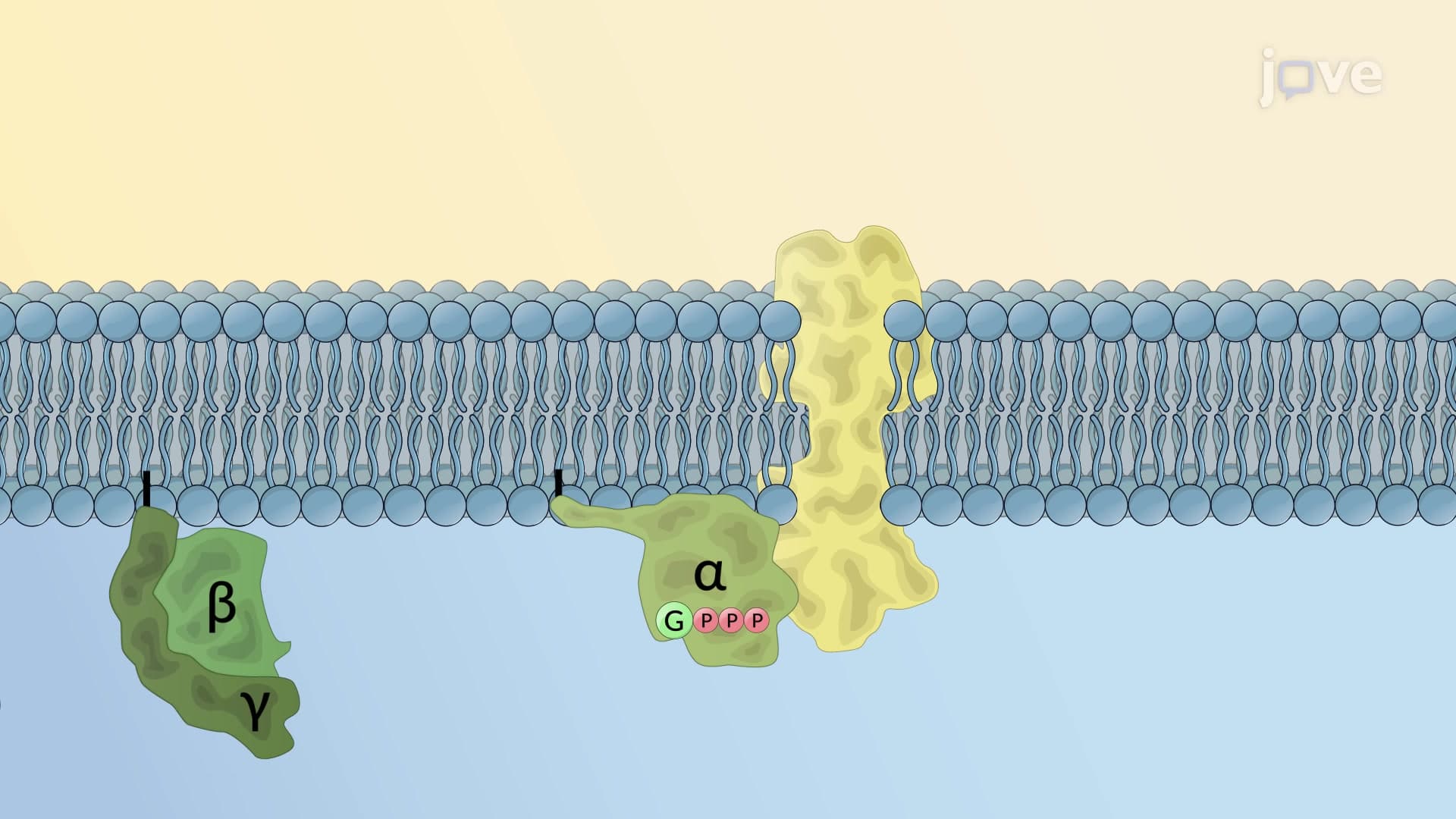
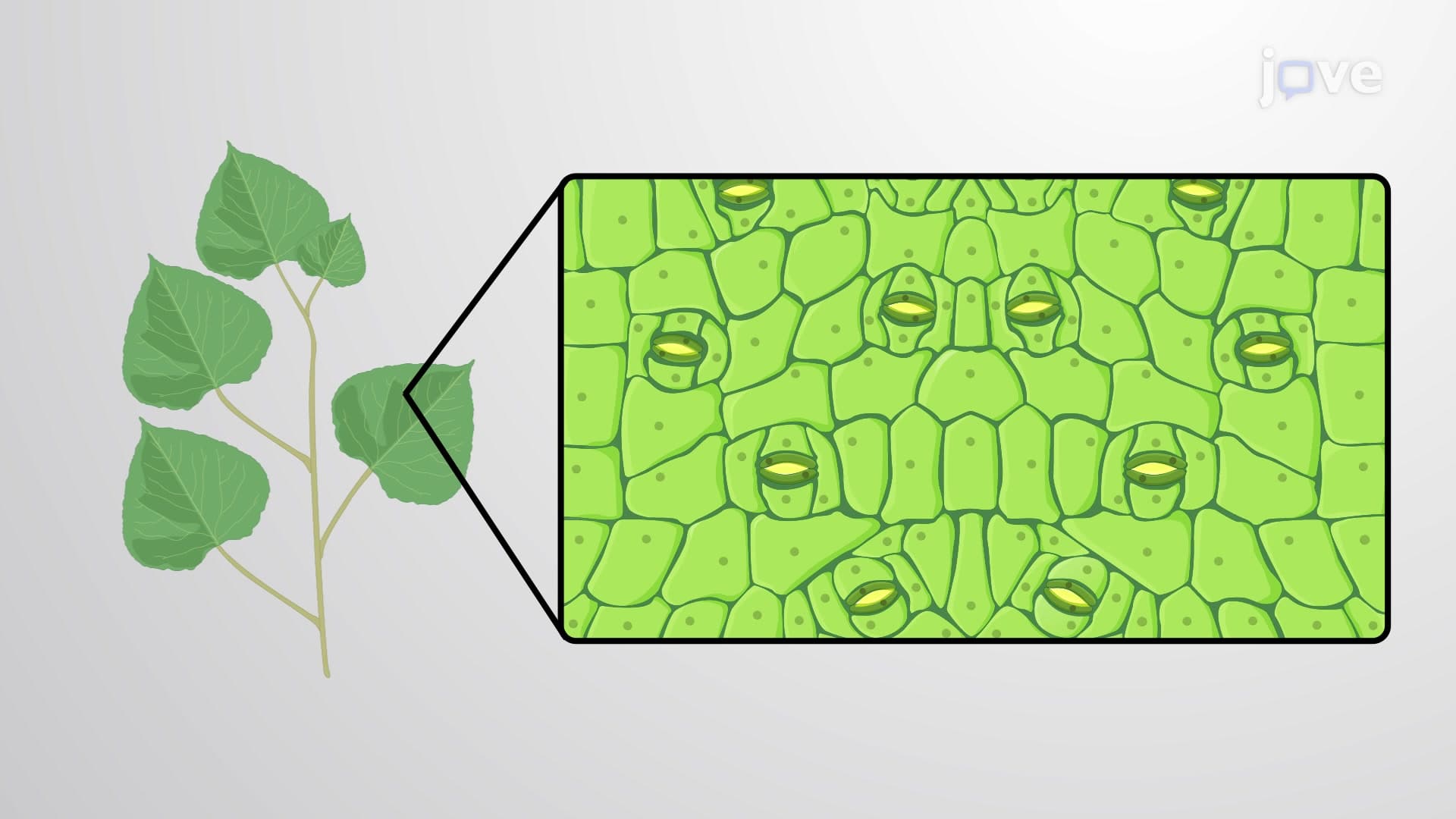
Cell signaling is the fundamental mechanism by which cells communicate with each other to coordinate biological processes. This comprehensive course explores how cells transmit, receive, and respond to chemical signals through various pathways including G-protein coupled receptors, enzyme-linked receptors, and second messenger systems. Students will examine signal transduction pathways from bacterial quorum sensing to complex human endocrine systems, with applications in understanding diseases like cancer and diabetes. Master these essential concepts with JoVE Coach.
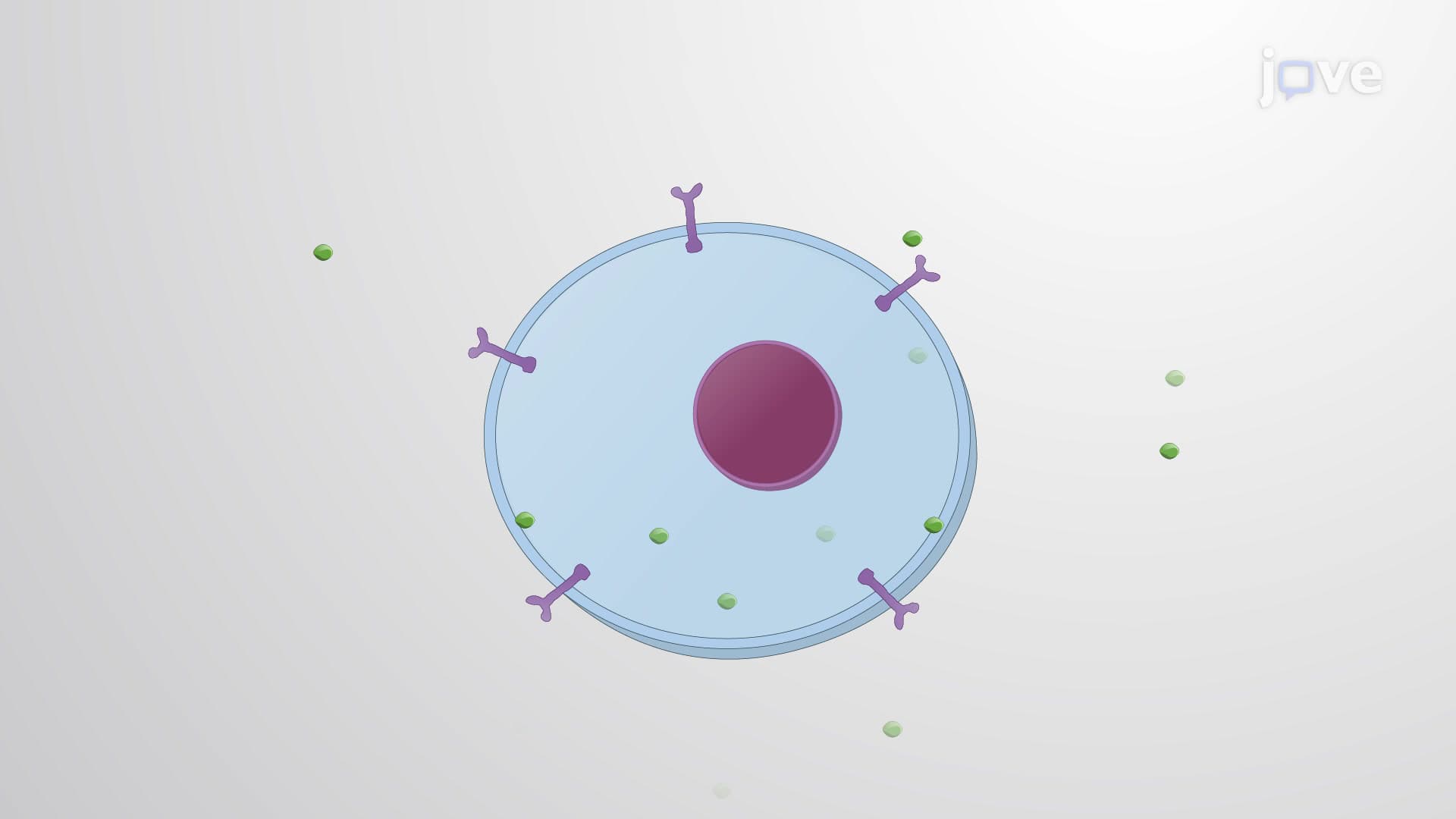
1. Cell Signaling Fundamentals and Signal Transduction Pathways: Cell signaling involves three key stages: signal reception, transduction, and cellular response. Cells use chemical signals to communicate information about their environment and coordinate activities essential for life. Signal transduction pathways convert extracellular signals into specific cellular responses through a series of molecular interactions. These pathways enable cells to respond to hormones like insulin in diabetes management, growth factors in wound healing, and neurotransmitters in brain function. Understanding these fundamentals is crucial for comprehending how medications work, from blood pressure drugs that target specific receptors to cancer treatments that disrupt abnormal signaling pathways in tumor cells.
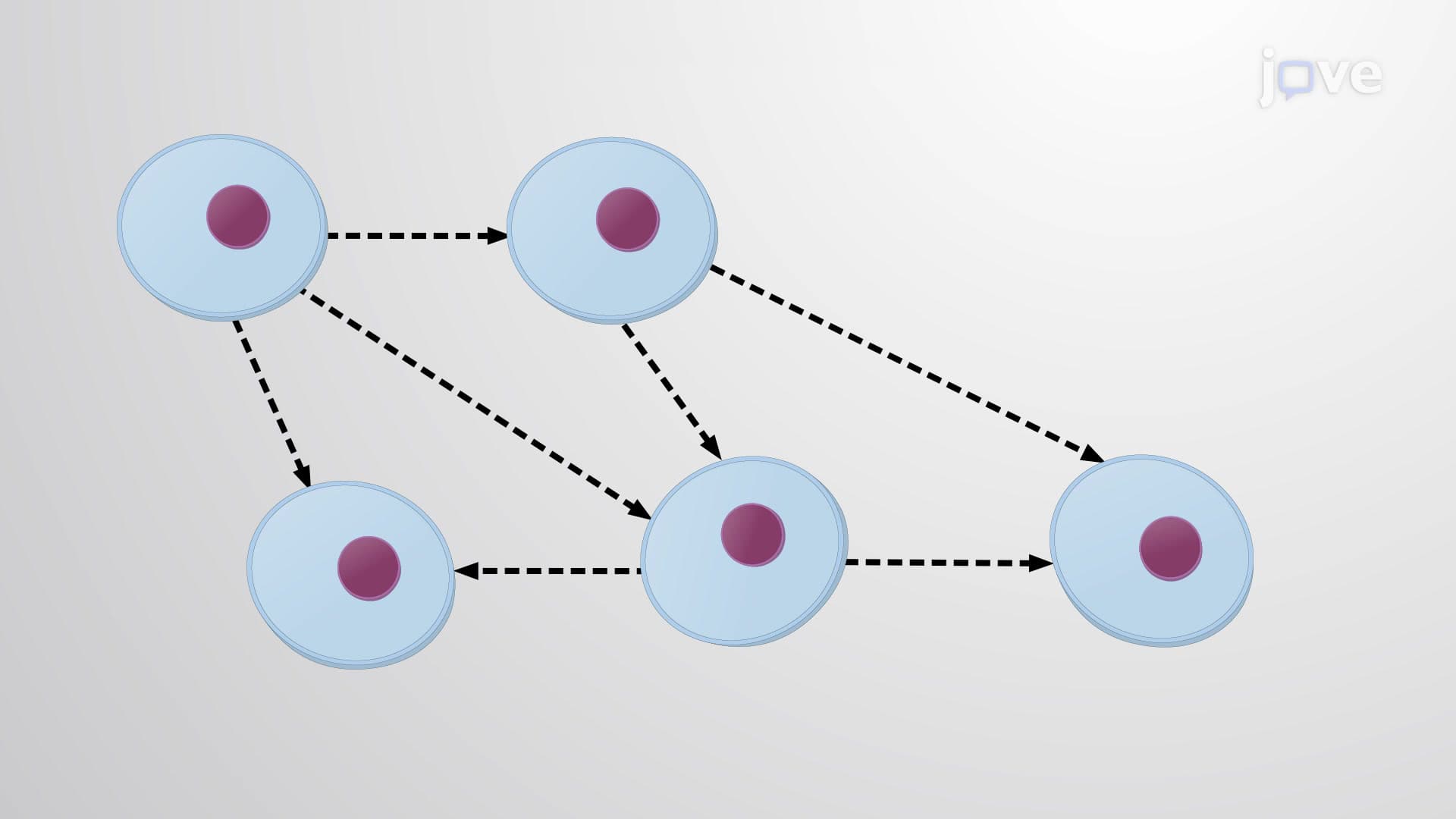
2. Types of Cell Communication: Autocrine, Paracrine, and Endocrine Signaling: Cells communicate through different mechanisms based on the distance signals must travel. Autocrine signaling occurs when cells produce signals that affect themselves, commonly seen in immune responses and cancer cell growth. Paracrine signaling involves local communication between nearby cells, such as growth factors directing tissue repair or immune cells coordinating inflammatory responses. Endocrine signaling uses hormones transported through the bloodstream to reach distant targets, exemplified by insulin from pancreatic cells regulating glucose uptake in muscle and liver cells. These signaling modes work together in complex biological processes like puberty, where hormones from the brain signal reproductive organs.
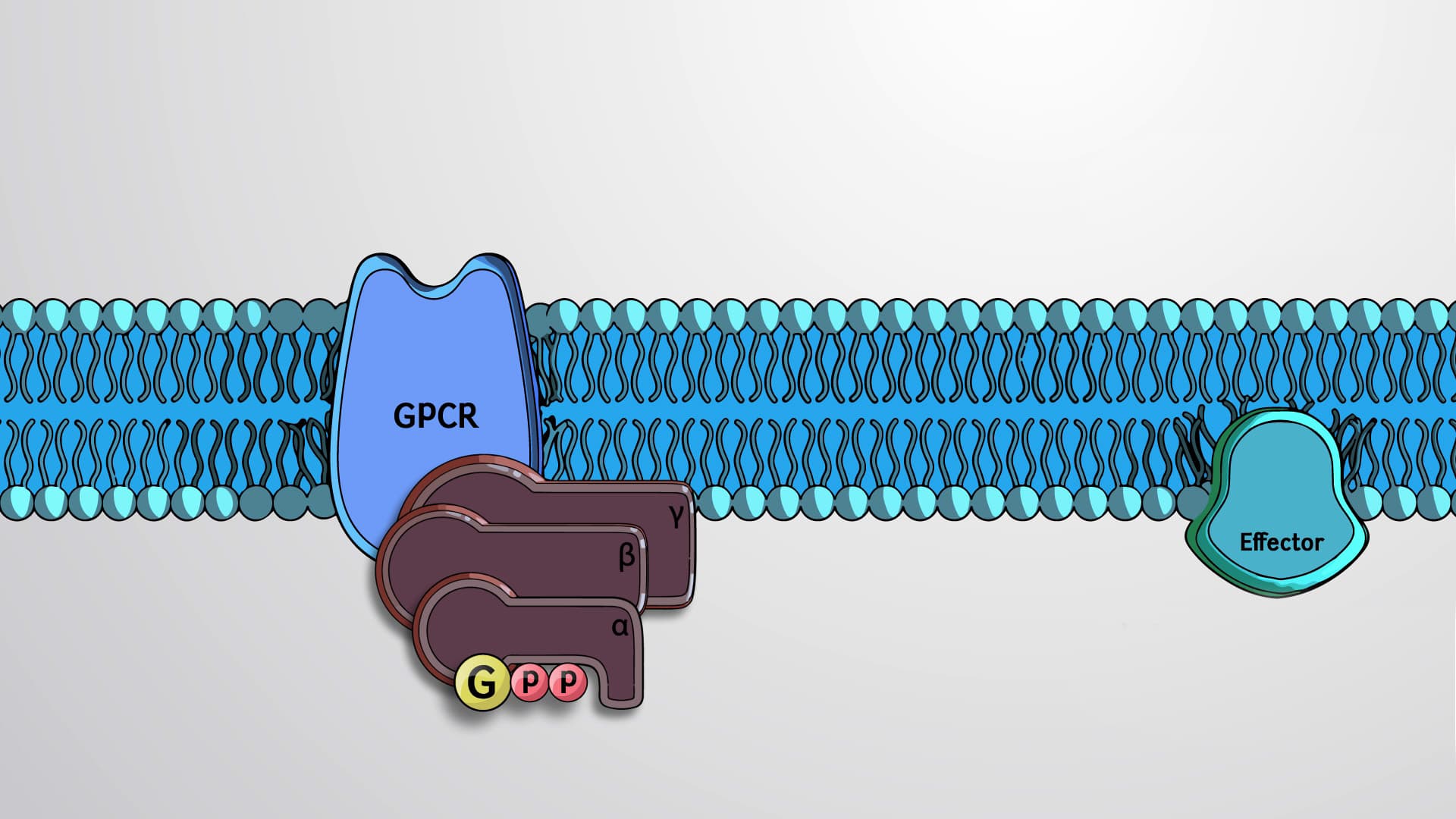
3. G-Protein Coupled Receptors (GPCRs) and Their Clinical Significance: GPCRs represent the largest family of membrane receptors and are targets for approximately 30-40% of all prescription drugs. These seven-transmembrane proteins detect diverse signals including light, odors, hormones, and neurotransmitters. When activated, GPCRs trigger G-proteins to generate second messengers like cAMP, leading to cellular responses. Examples include beta-adrenergic receptors targeted by heart medications, opioid receptors for pain management, and dopamine receptors affected in Parkinson's disease. Understanding GPCR function explains how many common medications work, from allergy antihistamines to blood pressure beta-blockers, making this knowledge essential for healthcare careers.
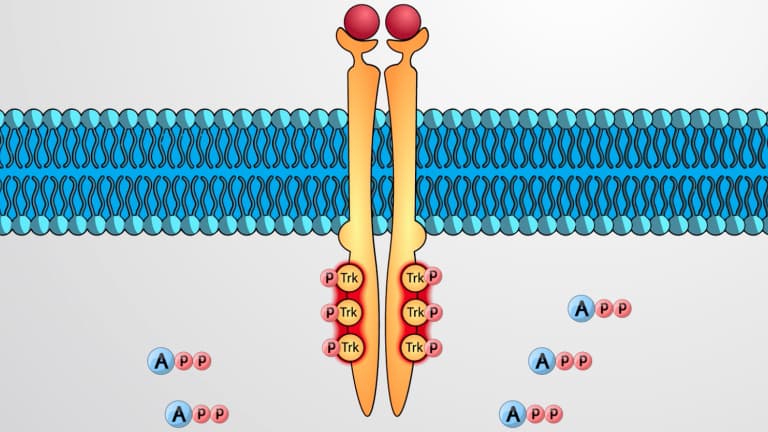
4. Enzyme-Linked Receptors and Growth Factor Signaling: Enzyme-linked receptors, particularly receptor tyrosine kinases (RTKs), control critical processes like cell growth, division, and death. These receptors have enzymatic activity that becomes activated upon ligand binding, triggering phosphorylation cascades. Growth factors like epidermal growth factor (EGF) bind to RTKs to promote cell division during wound healing. However, mutations in RTKs can cause uncontrolled cell growth, leading to cancer. The HER2 receptor is overexpressed in certain breast cancers, making it a target for treatments like Herceptin. Understanding RTK signaling explains both normal development and disease processes, particularly cancer biology and targeted therapies.
5. Second Messengers and Signal Amplification Systems: Second messengers like cAMP, calcium ions, and IP3 amplify and diversify cellular signals. These small molecules are rapidly produced in response to receptor activation and can activate multiple downstream targets simultaneously. For example, when adrenaline binds to receptors during a "fight-or-flight" response, cAMP levels increase dramatically, activating enzymes that break down glycogen for quick energy. Calcium signaling controls muscle contraction, with calcium release from internal stores triggering the interaction between actin and myosin filaments. Understanding second messenger systems explains how a single hormone molecule can trigger massive cellular responses and how disruptions lead to diseases like heart failure.
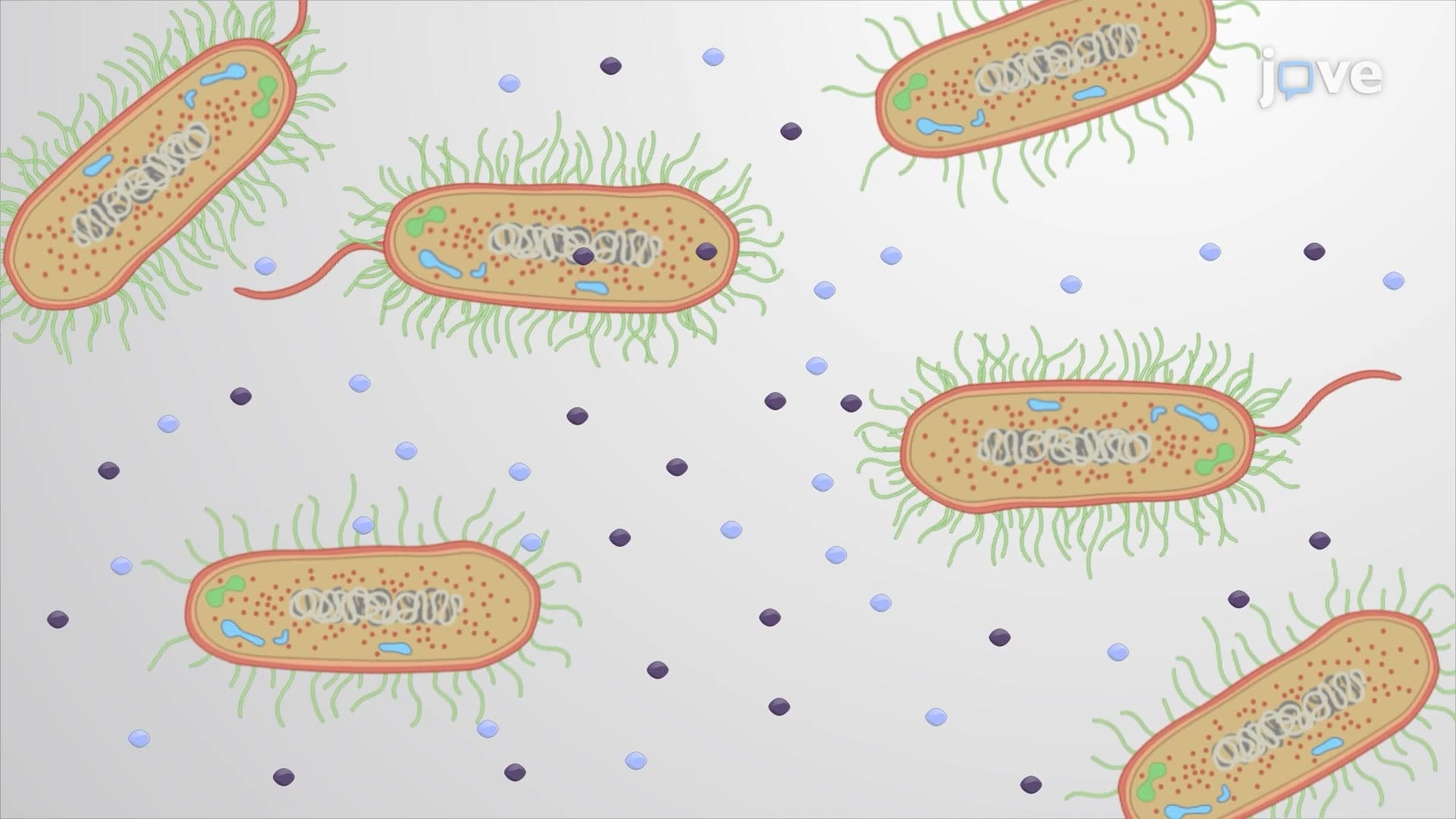
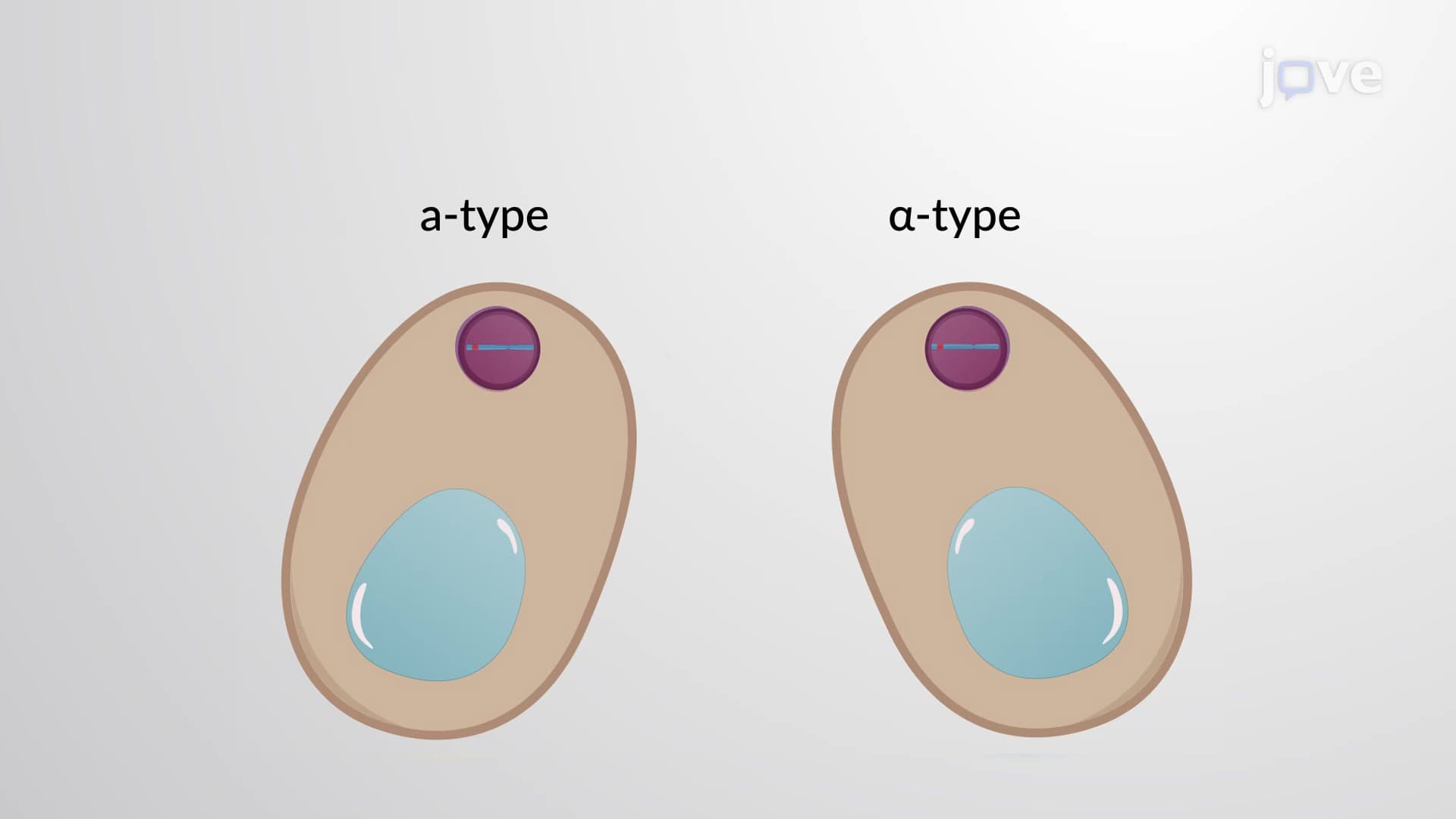
6. Bacterial and Yeast Signaling: Quorum Sensing and Mating Responses: Microorganisms use sophisticated signaling systems despite their simple structure. Bacterial quorum sensing allows populations to coordinate behavior based on cell density, producing bioluminescence in marine bacteria or forming biofilms like dental plaque. This mechanism is crucial in antibiotic resistance, as bacteria communicate to coordinate defense responses. Yeast mating involves G-protein signaling similar to human cells, with different mating types secreting pheromones that trigger sexual reproduction. Understanding microbial signaling is essential for developing new antibiotics and antifungal treatments, as disrupting these communication systems can prevent harmful biofilm formation in medical devices and dental health.
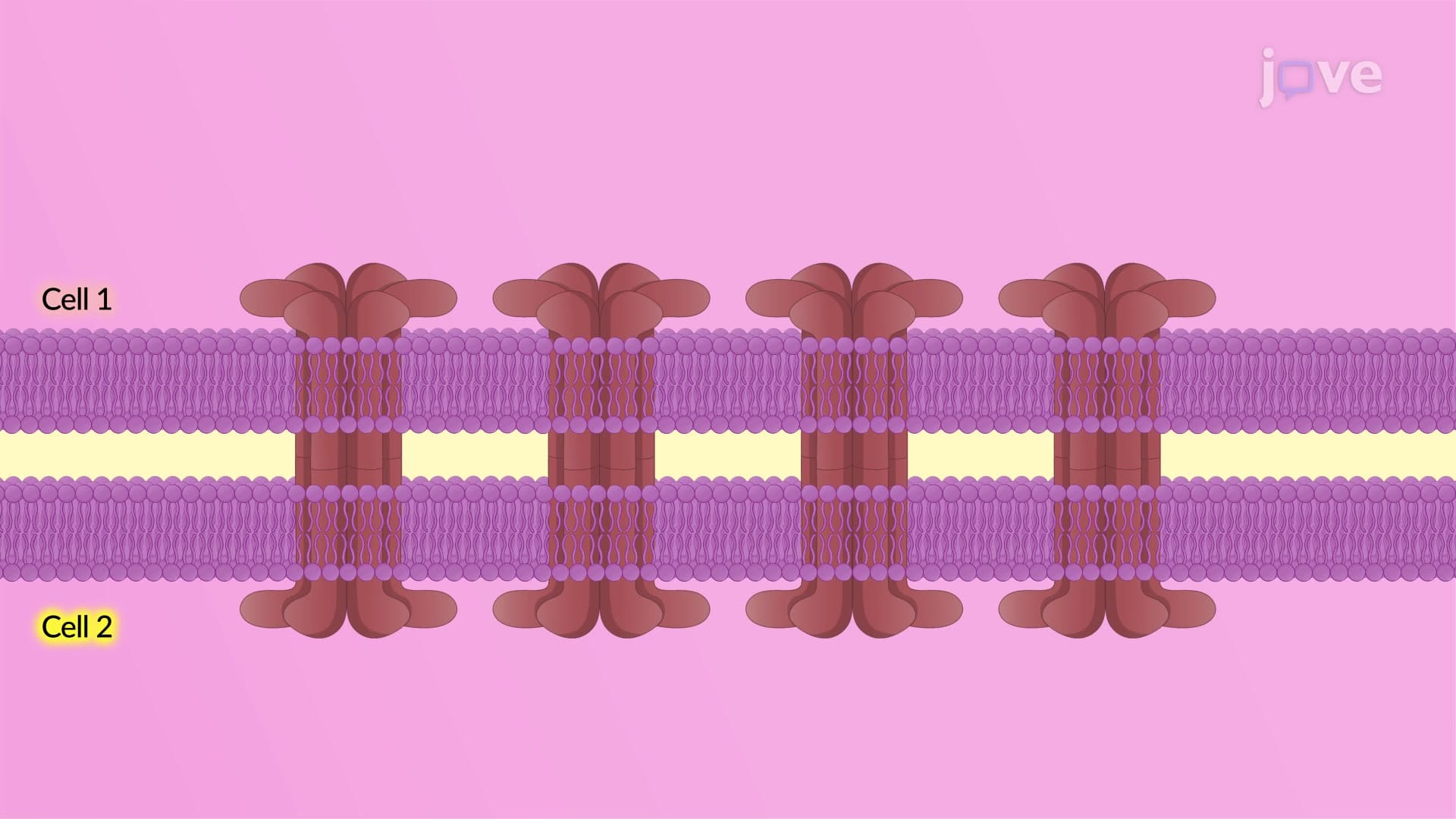
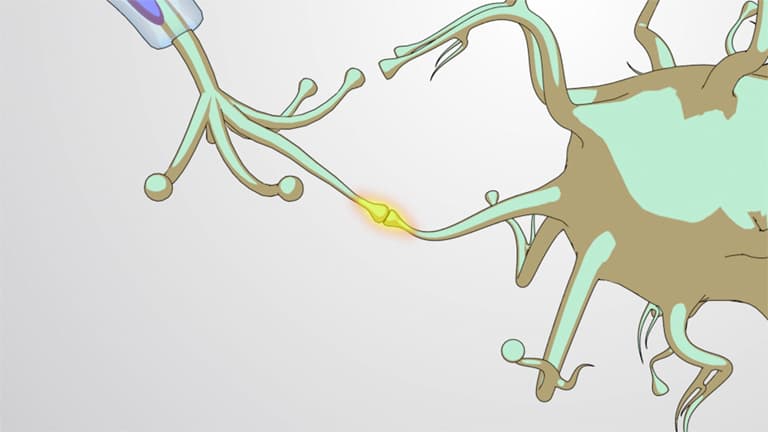
7. Specialized Signaling: Synaptic Transmission and Ion Channels: Neurons use specialized signaling mechanisms for rapid communication across long distances. Synaptic signaling involves neurotransmitter release from presynaptic terminals, which bind to receptors on postsynaptic cells to trigger electrical responses. Ion channels control the flow of charged particles across membranes, generating electrical signals that propagate along nerve fibers. Voltage-gated sodium and potassium channels create action potentials, while neurotransmitter-gated channels convert chemical signals back to electrical responses. This system enables everything from reflex responses to complex thought processes. Understanding synaptic signaling explains how anesthetics work, why certain drugs are addictive, and how neurological diseases like epilepsy and depression develop.