Loading video…


 14 Concepts
 986.6K views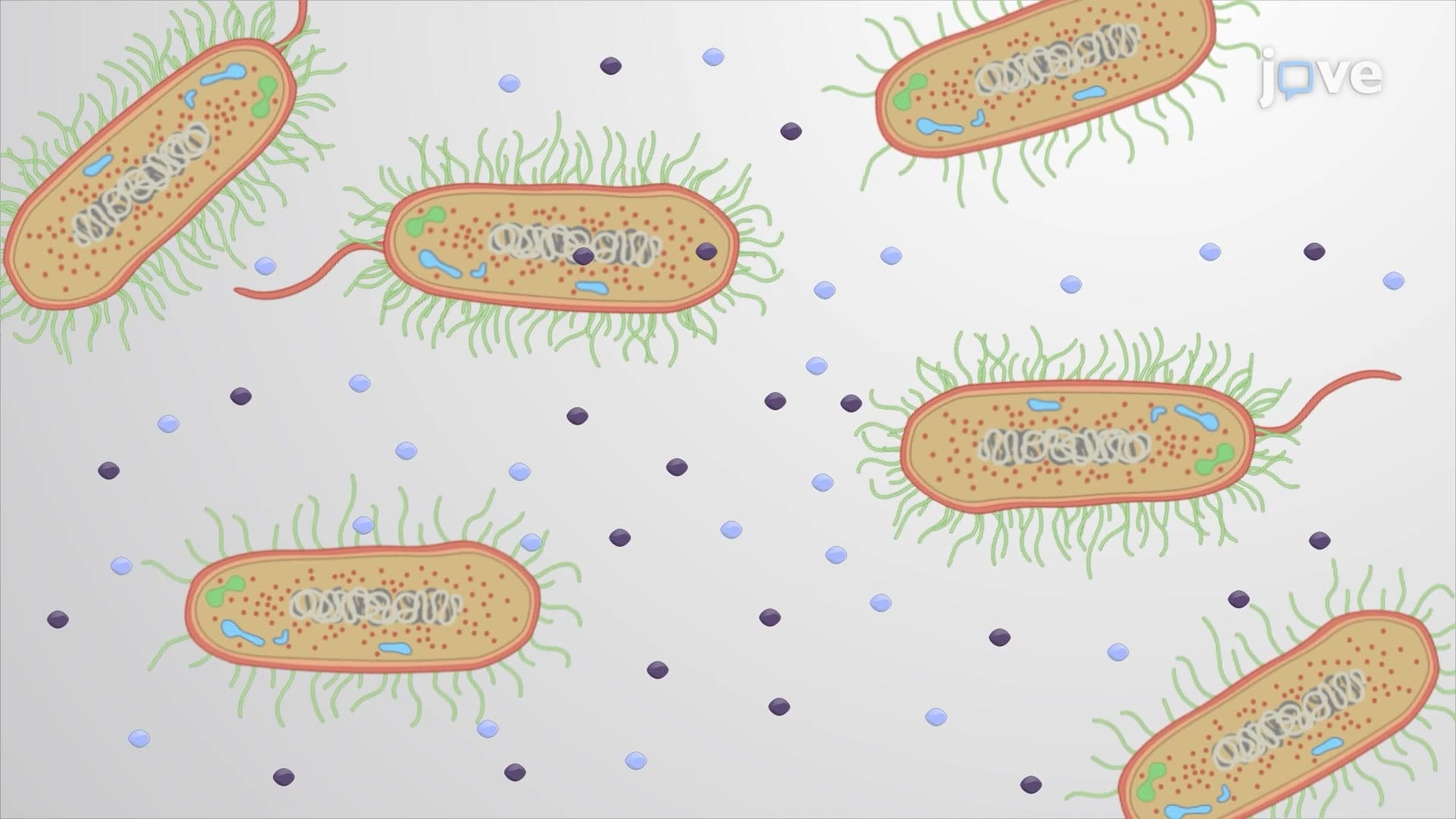

Video Summary: What Is Bacterial Signaling
Ever wonder how bacteria in dental plaque "know" when there are enough of them to cause tooth decay? Bacterial signaling allows these microscopic organisms to communicate through chemical messages, coordinating group behaviors like forming biofilms on your teeth. Through quorum sensing, bacteria release molecules called auto-inducers that help them detect population density and act collectively. Watch the full video on JoVE Coach to master this concept with expert-led visuals and step-by-step explanations.
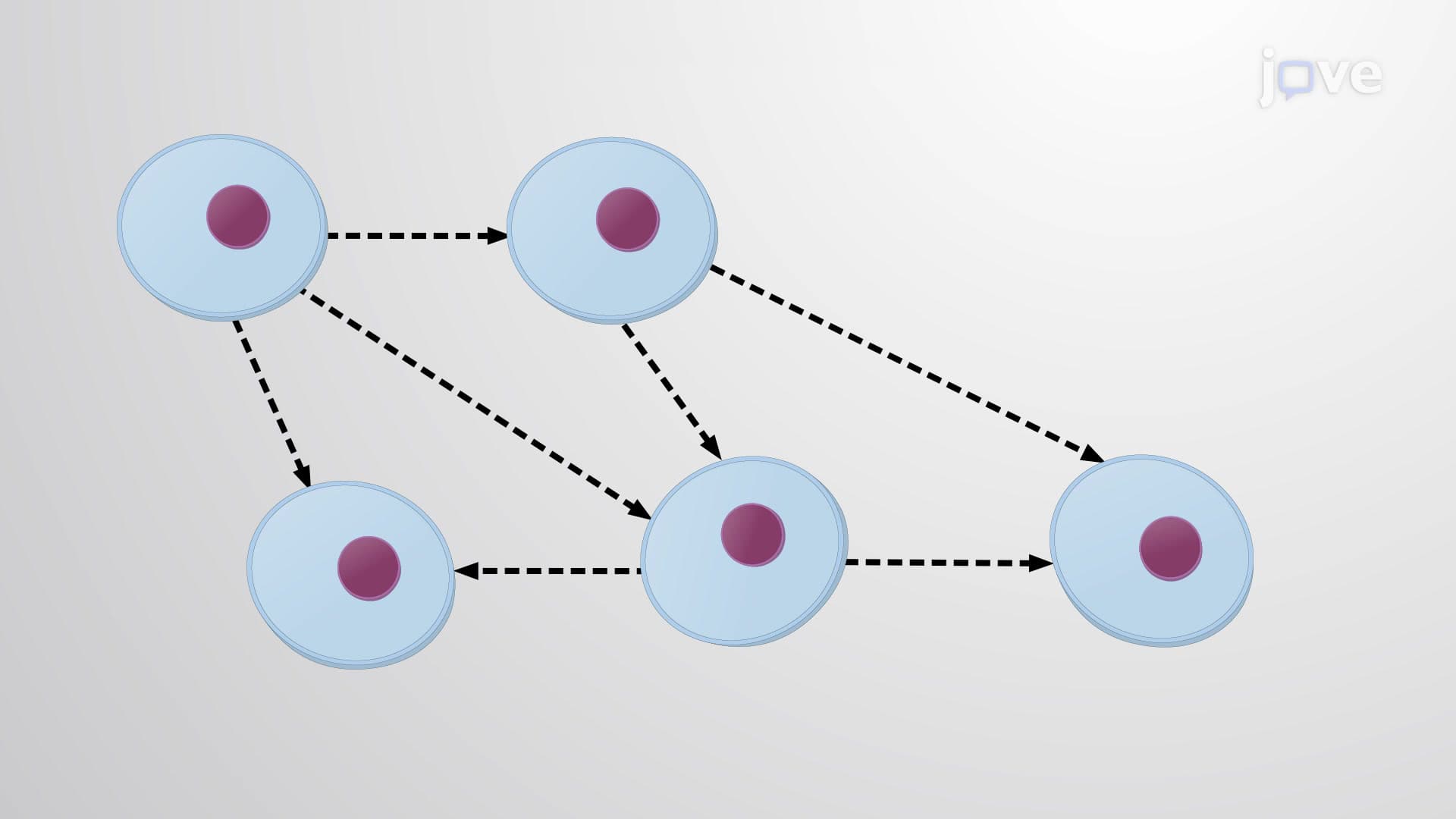
Bacterial signaling represents one of the most sophisticated communication systems in the microbial world, allowing single-celled organisms to coordinate complex behaviors typically associated with multicellular life. This process fundamentally challenges our traditional view of bacteria as isolated, independent actors and reveals them as highly social organisms capable of collective decision-making.
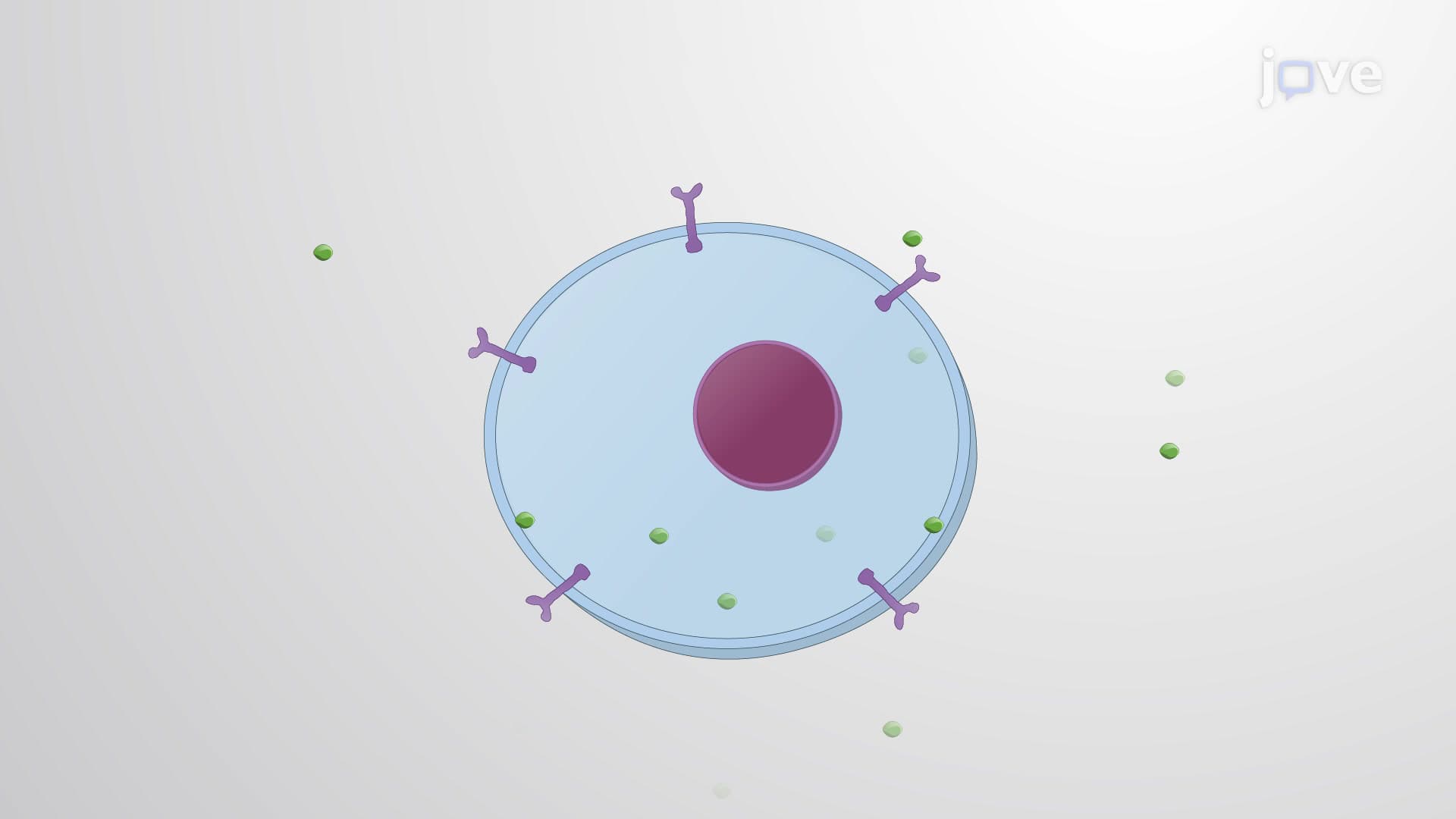
Quorum sensing serves as the primary mechanism for bacterial signaling, functioning like a bacterial "headcount" system. Bacteria continuously produce and release small signaling molecules called auto-inducers into their environment. As bacterial populations grow, these auto-inducer concentrations increase proportionally. When concentrations reach a critical threshold, bacteria can detect these signals and trigger coordinated responses.
This system is remarkably similar to how voting works in democratic societies-individual bacteria "cast votes" through auto-inducer production, and only when enough votes accumulate does the population take collective action. In AP Biology courses, students often encounter this as an example of how simple chemical gradients can create complex behavioral patterns.
Once bacteria detect sufficient auto-inducer concentrations, they activate intracellular signaling cascades involving second messengers like cyclic di-GMP. These molecules function as molecular switches, turning specific genes on or off to coordinate population-wide responses. For MCAT preparation, understanding these pathways is crucial for questions about prokaryotic gene regulation and cellular communication.
The clinical implications are profound-many pathogenic bacteria use quorum sensing to coordinate virulence factor production and antibiotic resistance mechanisms. This means infections often become more dangerous as bacterial populations reach critical thresholds, explaining why early antibiotic intervention is often more effective than delayed treatment.
Bacterial signaling has tremendous practical importance in American healthcare settings. Hospital-acquired infections often involve biofilm formation on medical devices like catheters and ventilators, where bacterial signaling coordinates these protective communities. Understanding these mechanisms has led to new therapeutic approaches targeting quorum sensing pathways rather than just killing bacteria directly.
In environmental applications, bioluminescent bacteria like *Vibrio fischeri* (found in Hawaiian bobtail squid) demonstrate how bacterial signaling creates spectacular natural phenomena. These bacteria only produce light when population densities are sufficient, creating the glowing displays observed in certain marine environments off US coasts.
Related Micro-courses