Loading video…


 14 Concepts
 986.6K views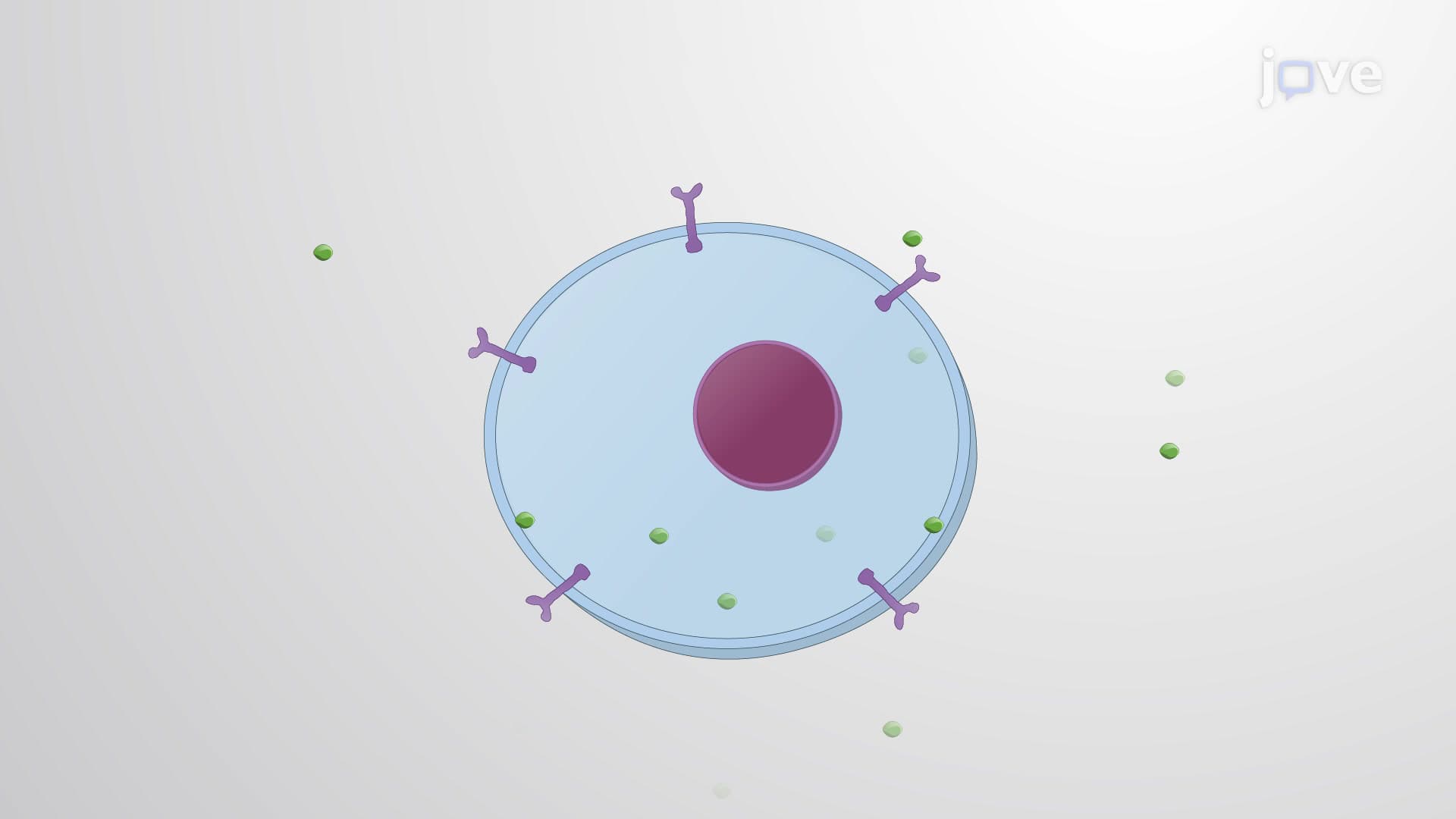

Video Summary: What Is Autocrine Signaling
When your immune system fights off a cold, T-cells actually "talk to themselves" through autocrine signaling, a fascinating process where cells release chemical messages that loop back to influence their own behavior. This self-communication mechanism is crucial for coordinating immune responses, including how white blood cells multiply during infections at hospitals like Johns Hopkins or Mayo Clinic. Watch the full video on JoVE Coach to master this concept with expert-led visuals and step-by-step explanations.
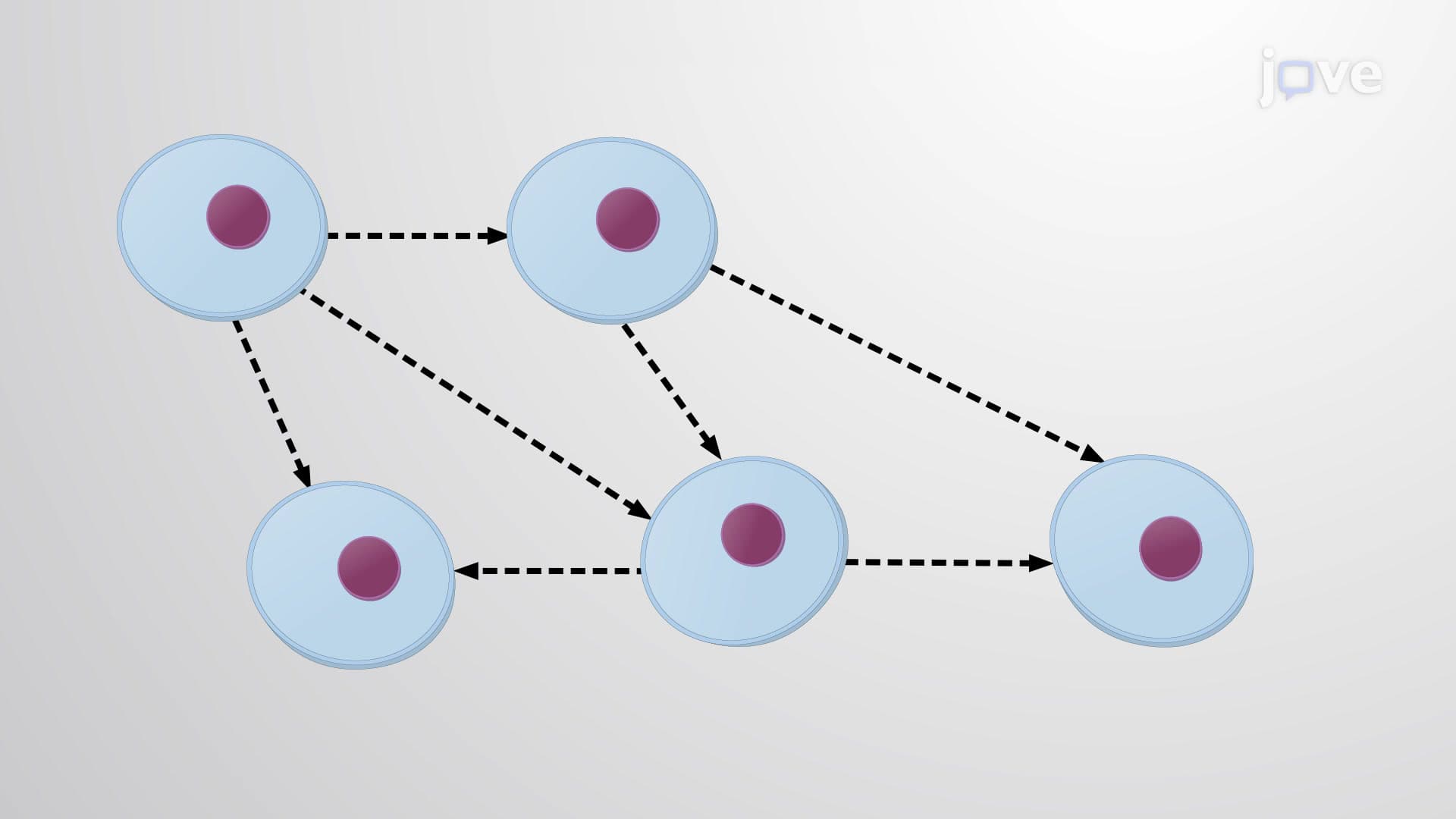
Autocrine signaling represents one of the most elegant forms of cellular communication, where cells essentially "talk to themselves" to coordinate their own activities. Unlike other signaling pathways that involve communication between different cells, autocrine signaling creates a feedback loop within a single cell, allowing for precise self-regulation and rapid response to environmental changes.
The process begins when a cell synthesizes and secretes specific signaling molecules called autocrine agents or autocrine factors. These chemical messengers don't travel far, instead, they bind to receptors located on the same cell's surface or sometimes even intracellular receptors. This binding event triggers a cascade of molecular events inside the cell, ultimately leading to changes in gene expression, protein synthesis, or cellular behavior.
Common autocrine agents include growth factors, cytokines, and hormones. For instance, many cancer cells at research institutions like MD Anderson Cancer Center have been found to produce their own growth factors, creating dangerous autocrine loops that promote uncontrolled cell division. This mechanism helps explain why certain tumors can grow independently of external growth signals.
The immune system provides excellent examples of autocrine signaling in action. When T-helper cells encounter foreign antigens at sites like Walter Reed National Military Medical Center, they release interleukin-2 (IL-2), a cytokine that binds back to IL-2 receptors on the same T-cell. This autocrine loop amplifies the immune response by promoting T-cell proliferation and activation, essentially allowing immune cells to "pump themselves up" for battle against pathogens.
Understanding autocrine signaling is crucial for students preparing for standardized tests like the MCAT, AP Biology, or college-level cell biology courses. The concept frequently appears in questions about cellular communication, cancer biology, and immune system function. Students should be able to distinguish autocrine signaling from paracrine (local cell-to-cell communication), endocrine (hormone-mediated long-distance signaling), and contact-dependent signaling mechanisms.
In clinical settings, dysregulated autocrine signaling contributes to various diseases, making this concept essential for pre-med students and healthcare professionals studying at institutions like Harvard Medical School or Stanford University School of Medicine.
Related Micro-courses