Loading video…


 14 Concepts
 986.6K views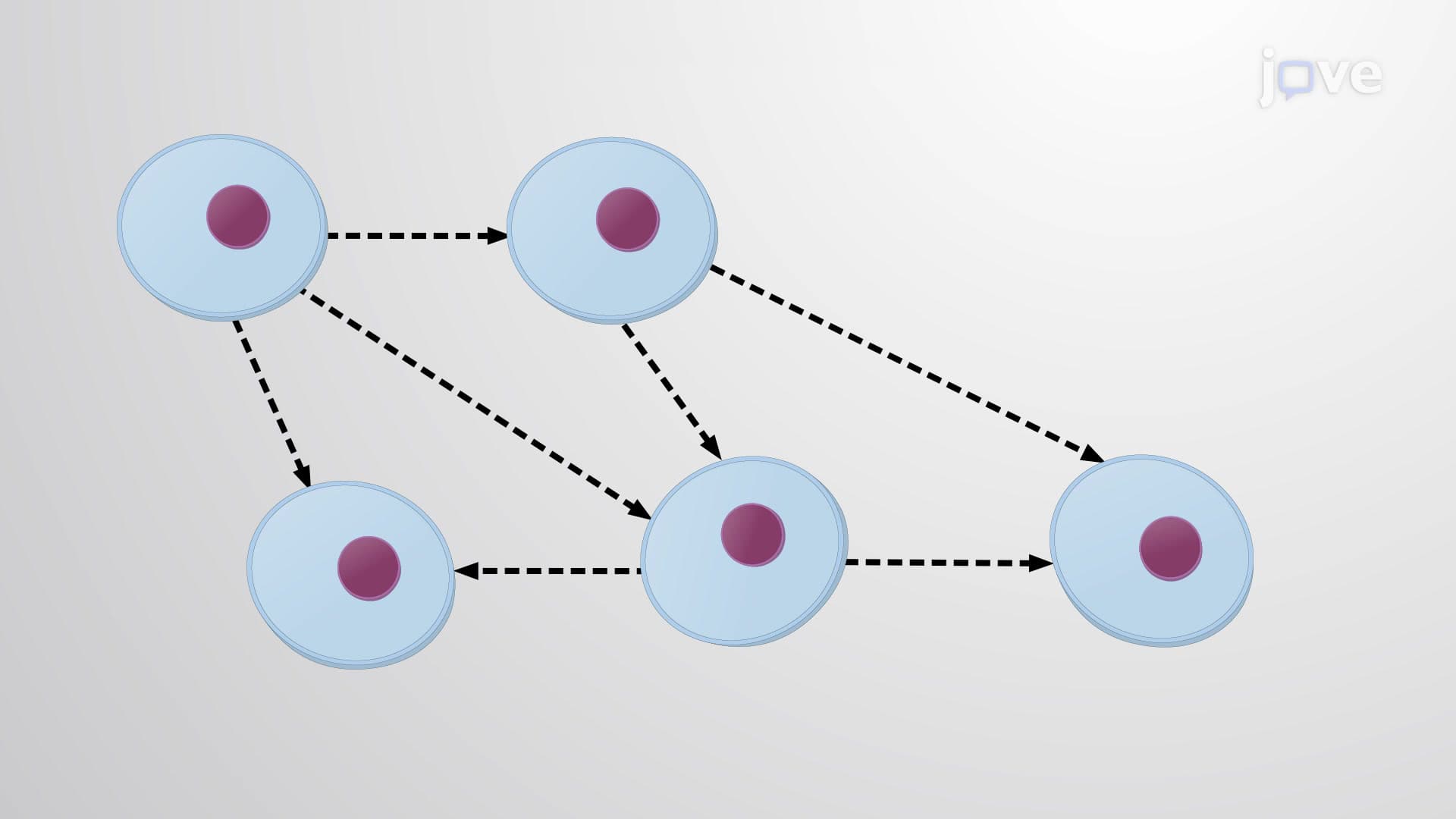

Video Summary: What Is Paracrine Signaling
Ever wonder how your muscles get more oxygen during a workout without you consciously thinking about it? Paracrine signaling enables cells to communicate with their immediate neighbors through short-distance chemical messages. When you exercise, endothelial cells in your blood vessels release nitric oxide to neighboring smooth muscle cells, causing blood vessels to dilate and deliver oxygen-rich blood to working muscles. This localized cellular communication system ensures rapid, targeted responses throughout your body. Watch the full video on JoVE Coach to master this concept with expert-led visuals and step-by-step explanations.
What is paracrine signaling represents one of the most crucial cellular communication mechanisms in human physiology. Unlike hormones that travel through the bloodstream to distant targets, paracrine signaling involves the release of chemical messengers that act locally on neighboring cells. This short-range communication system allows for precise, rapid responses within specific tissue regions.
The defining characteristic of paracrine signaling lies in its spatial limitations. Signaling molecules typically diffuse only 50-200 micrometers from their source, creating highly localized effects. This restricted range occurs because extracellular enzymes rapidly degrade these signaling molecules, preventing widespread systemic effects and maintaining cellular communication specificity.
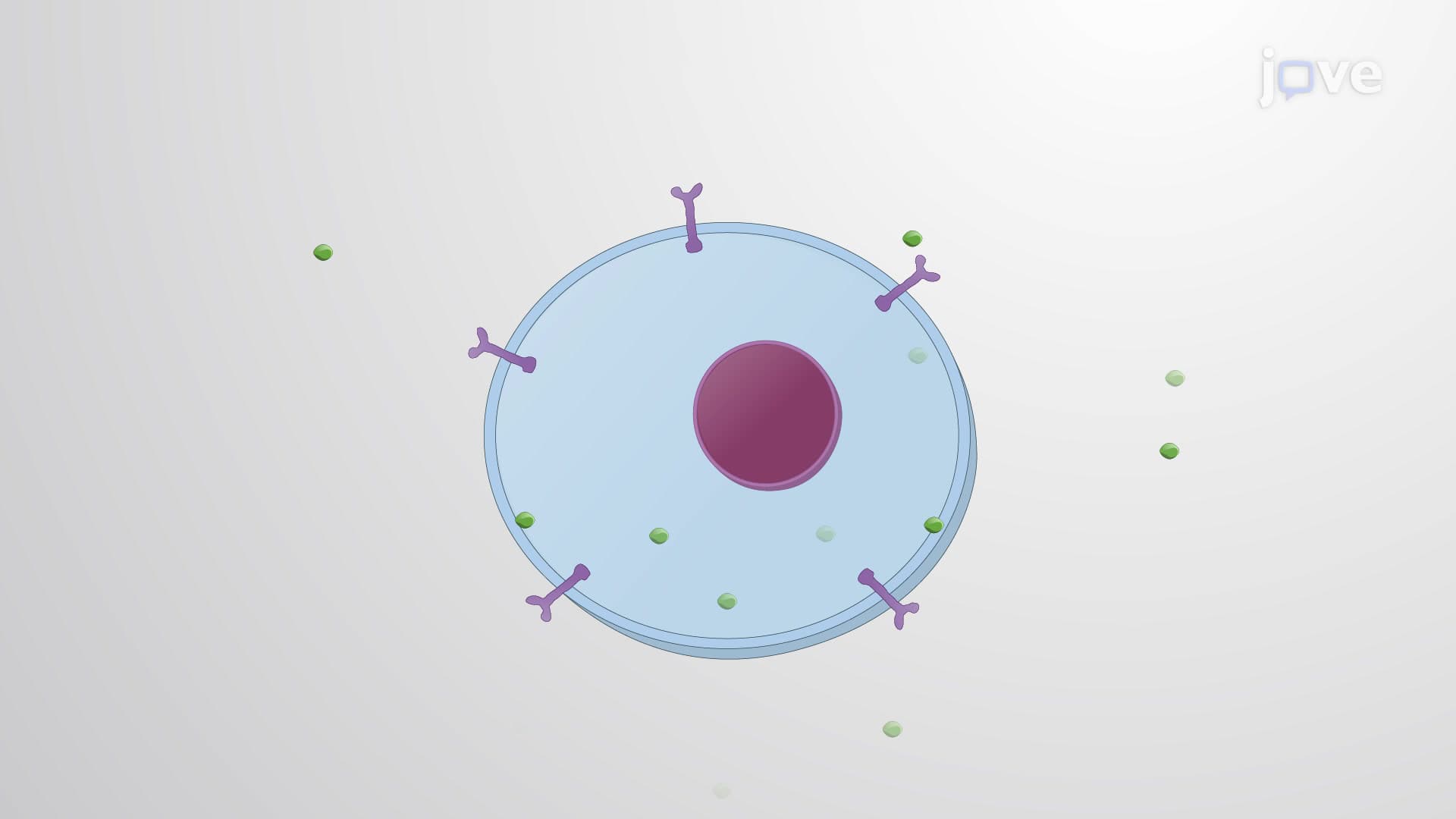
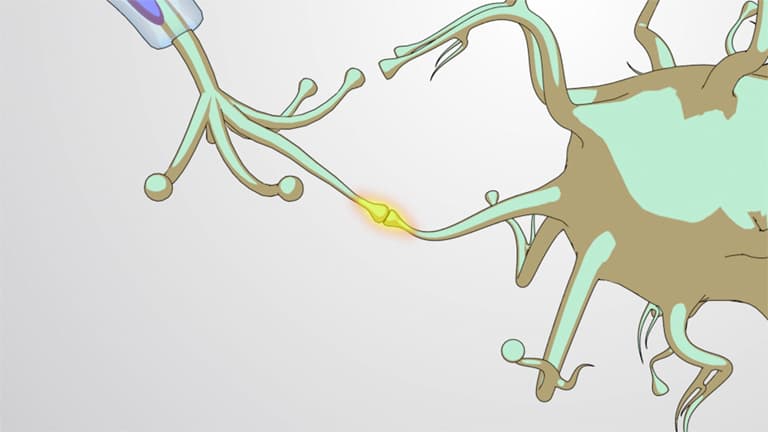
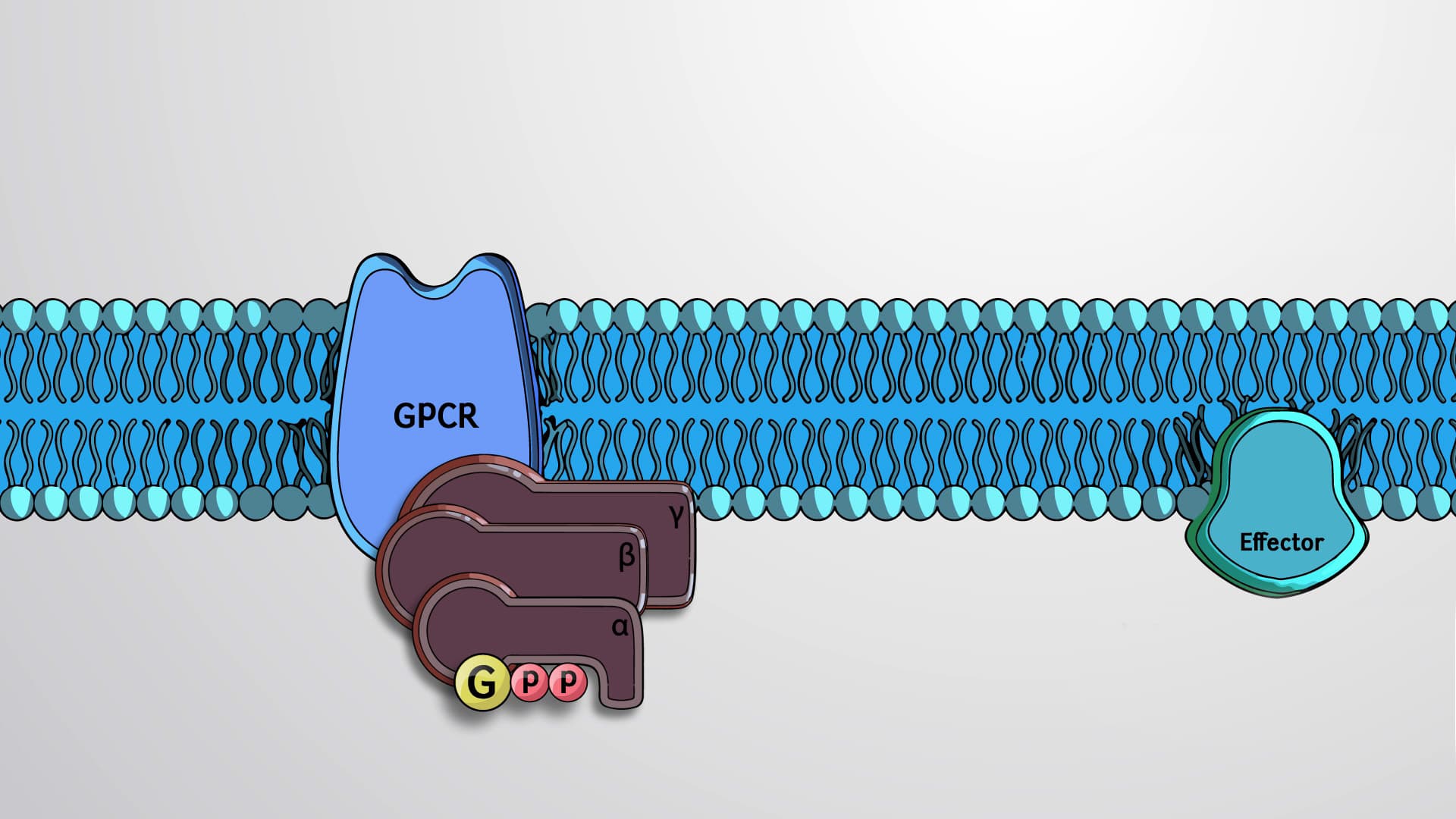
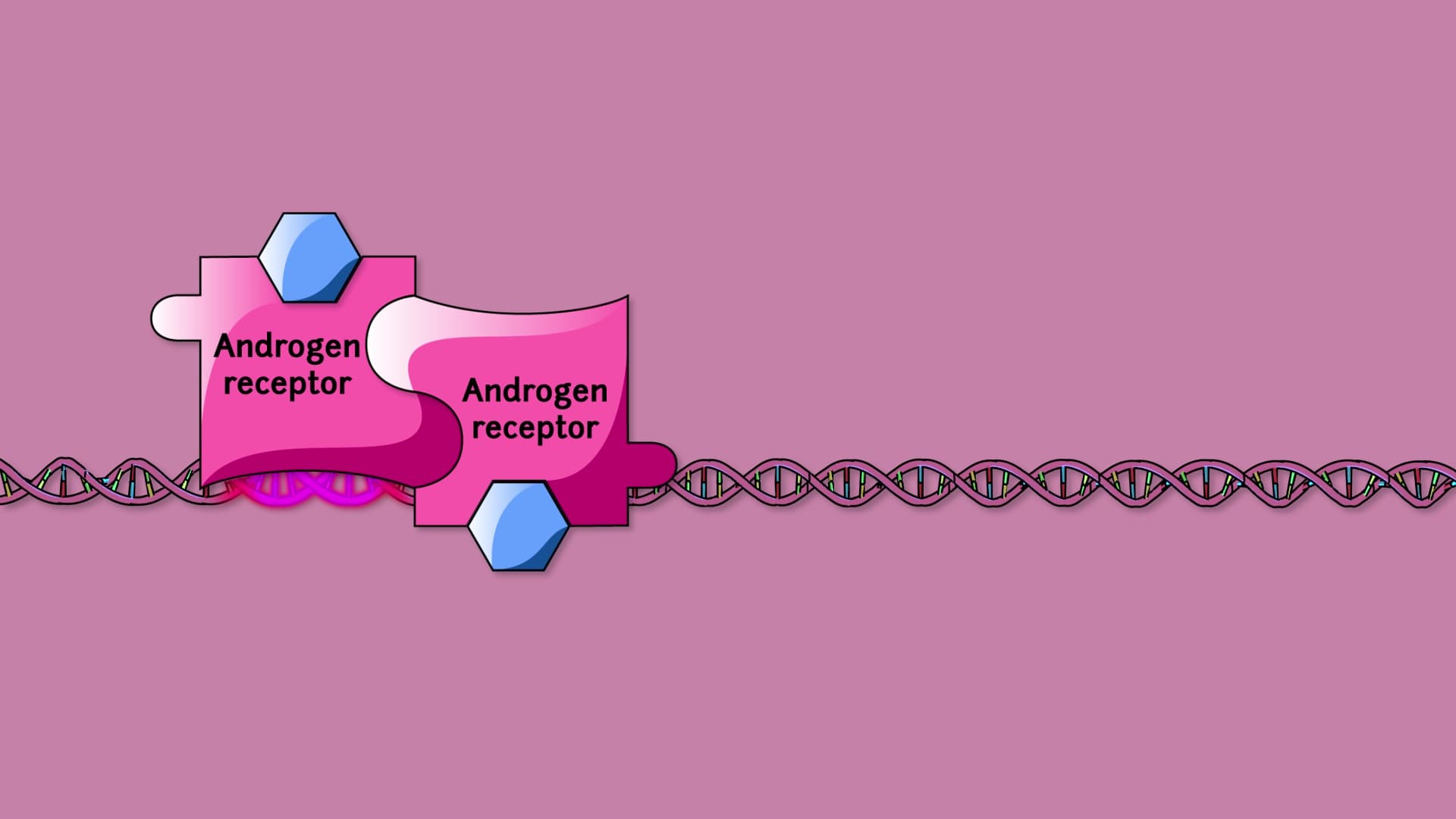
Paracrine signaling molecules include neurotransmitters, growth factors, cytokines, and gases like nitric oxide. These diverse messengers share common features: they bind to specific receptors on target cells, trigger intracellular signaling cascades, and produce measurable physiological responses. The receptor-ligand interaction initiates complex biochemical pathways that ultimately alter cellular behavior, gene expression, or metabolic activity.
Students preparing for AP Biology or college-level physiology courses should understand that paracrine signaling requires both a signaling cell capable of molecule synthesis and release, plus target cells expressing appropriate receptors. This specificity ensures that only intended cells respond to paracrine signals, maintaining tissue organization and function.
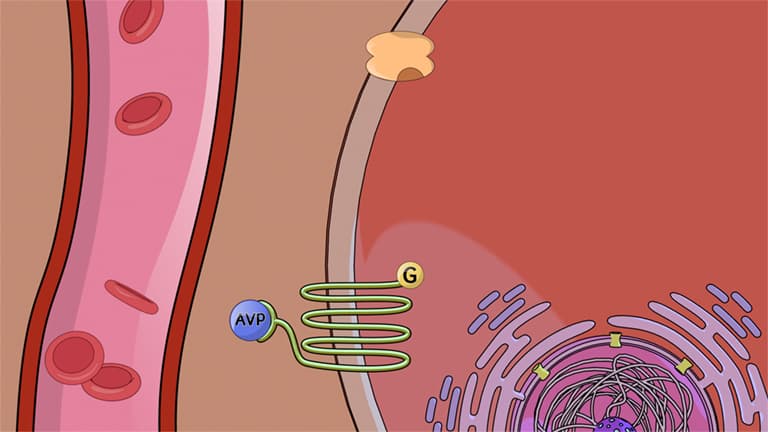
Paracrine signaling plays critical roles in cardiovascular regulation, immune responses, and tissue repair. During exercise, as described in the nitric oxide example, this mechanism ensures adequate blood flow to active muscles. In wound healing, platelets release growth factors that stimulate nearby fibroblasts and endothelial cells to promote tissue regeneration.
Medical students studying for the MCAT encounter paracrine signaling in contexts ranging from inflammation to cancer biology. Tumor cells often exploit paracrine pathways to promote angiogenesis (blood vessel formation) and tissue invasion. Understanding these mechanisms helps explain both normal physiology and disease pathogenesis.
For standardized tests, focus on distinguishing paracrine signaling from endocrine (long-distance) and autocrine (self-targeting) communication. Practice identifying paracrine examples in different organ systems and explaining why spatial limitation benefits physiological regulation. Remember that paracrine signaling enables rapid, localized responses while preventing unwanted systemic effects-a key concept for understanding homeostatic mechanisms.
Related Micro-courses