8 Concepts
21 Concepts
9 Concepts
16 Concepts
16 Concepts
14 Concepts
15 Concepts
14 Concepts
7 Concepts
9 Concepts
5 Concepts
19 Concepts
13 Concepts
12 Concepts
15 Concepts
7 Concepts
8 Concepts
11 Concepts
12 Concepts
11 Concepts
6 Concepts
8 Concepts
8 Concepts
9 Concepts
8 Concepts
10 Concepts
12 Concepts
12 Concepts
11 Concepts
5 Concepts
4 Concepts
5 Concepts
7 Concepts
21 Concepts
7 Concepts
8 Concepts
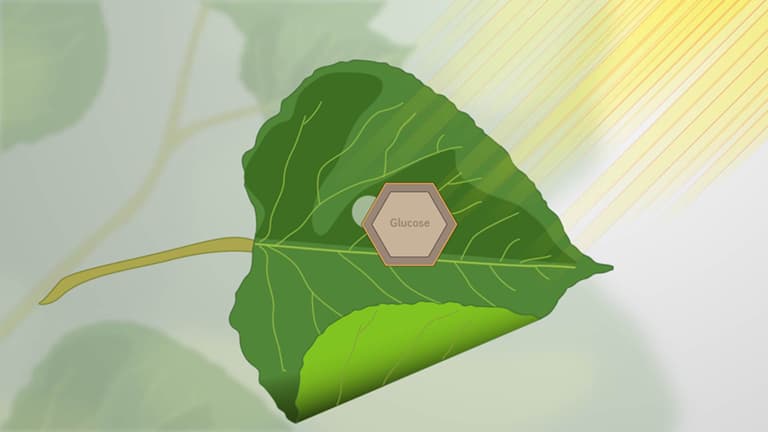
Photosynthesis is the fundamental process by which plants, algae, and cyanobacteria convert sunlight into chemical energy, producing glucose and oxygen from water and carbon dioxide. This life-sustaining process powers nearly all ecosystems on Earth and is essential for understanding plant biology, ecology, and energy flow in living systems. JoVE Coach breaks down the complex light and dark reactions, chloroplast anatomy, and specialized pathways like C4 and CAM photosynthesis into digestible concepts.
1. Photosynthesis Overview and Equation The complete photosynthesis process converts six molecules of carbon dioxide and water into one glucose molecule and six oxygen molecules, using light energy. This process occurs in two main stages: light-dependent reactions (photo reactions) that capture solar energy, and light-independent reactions (Calvin cycle) that fix carbon dioxide. Plants like corn and soybeans demonstrate this process daily, producing the biomass that feeds much of America's agricultural economy. Understanding this fundamental equation helps students grasp energy flow in ecosystems and the interconnection between photosynthesis and cellular respiration.
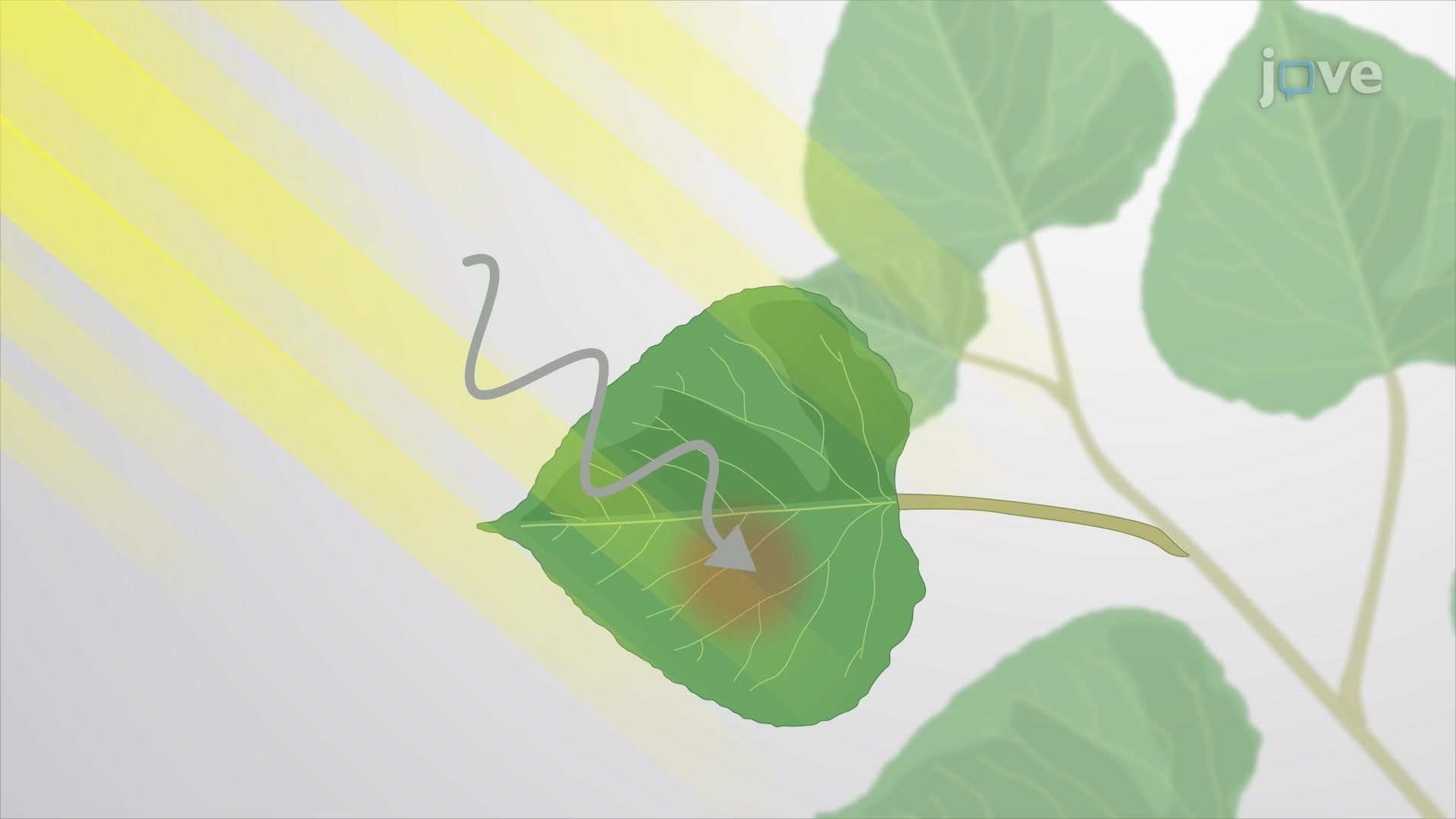
2. Light Energy and the Electromagnetic Spectrum Photosynthesis harnesses specific wavelengths of electromagnetic radiation, primarily in the 380-750 nanometer range visible to humans. Different pigments absorb different wavelengths-chlorophyll a absorbs red and blue light while reflecting green, explaining why most plants appear green. This selective absorption is crucial for maximizing energy capture. Students can observe this principle in fall foliage across American forests, where changing chlorophyll levels reveal other pigments like carotenoids in maples and oaks, creating the spectacular autumn colors seen from New England to the Rocky Mountains.
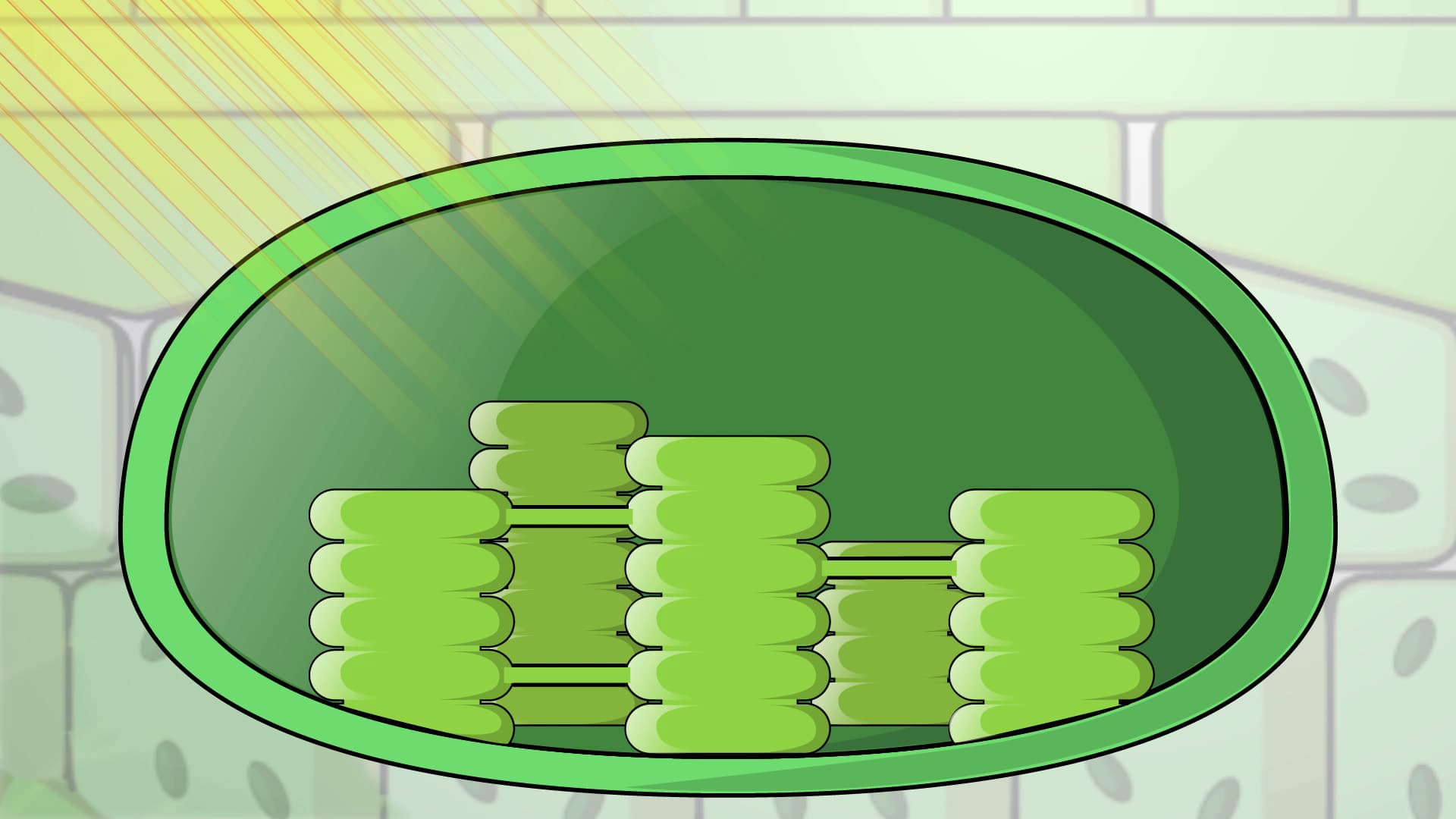
3. Chloroplast Structure and Organization Chloroplasts contain highly organized internal structures that optimize photosynthetic efficiency. Thylakoid membranes stack into grana, housing the photosystems needed for light reactions, while the surrounding stroma provides space for the Calvin cycle. This compartmentalization allows plants to simultaneously run both phases of photosynthesis. Students can think of chloroplasts as cellular factories, similar to how American manufacturing plants organize different production stages in specific areas. This organization is visible under microscopes in common lab specimens like Elodea or spinach leaves used in high school and college biology courses.
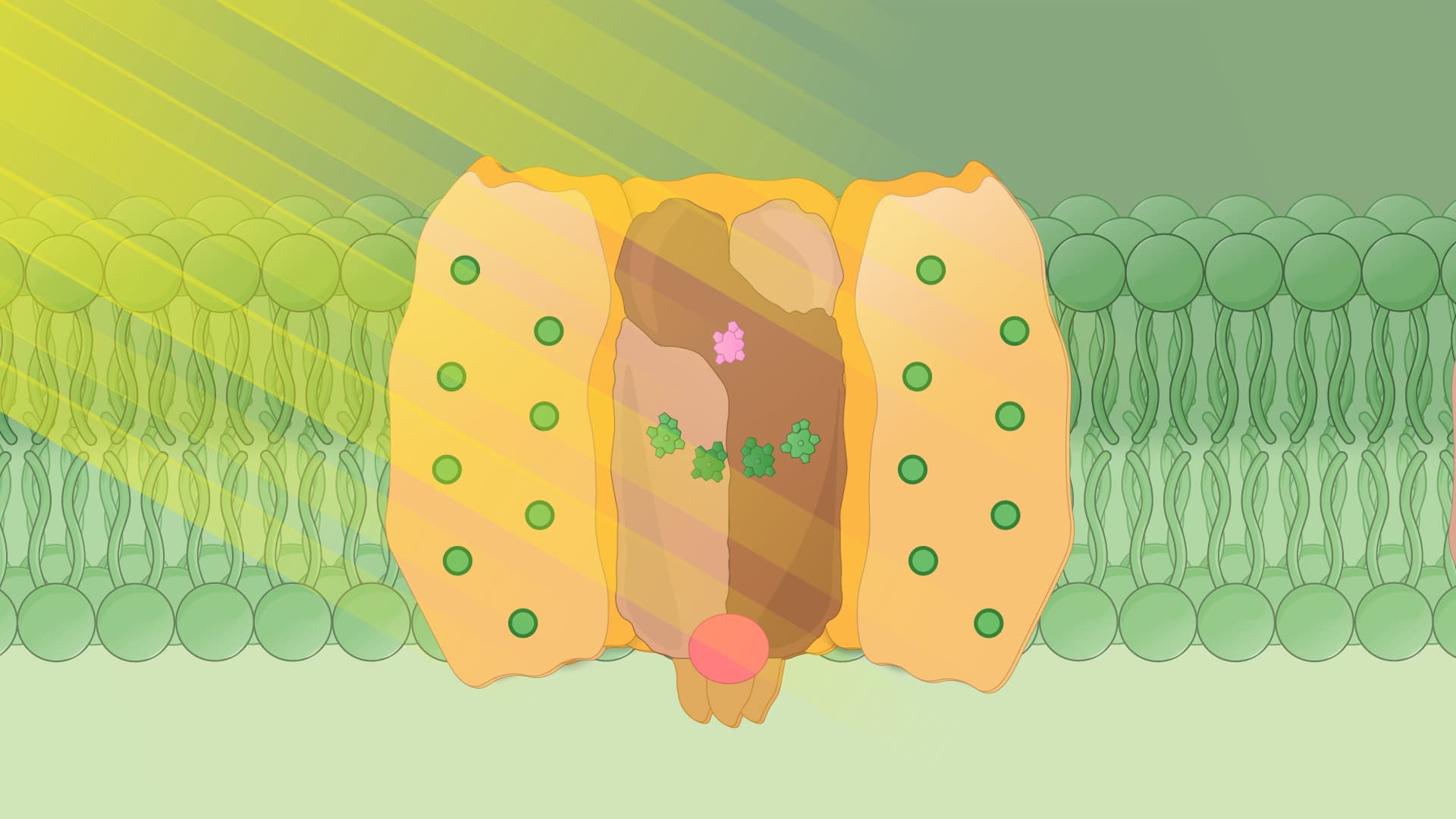
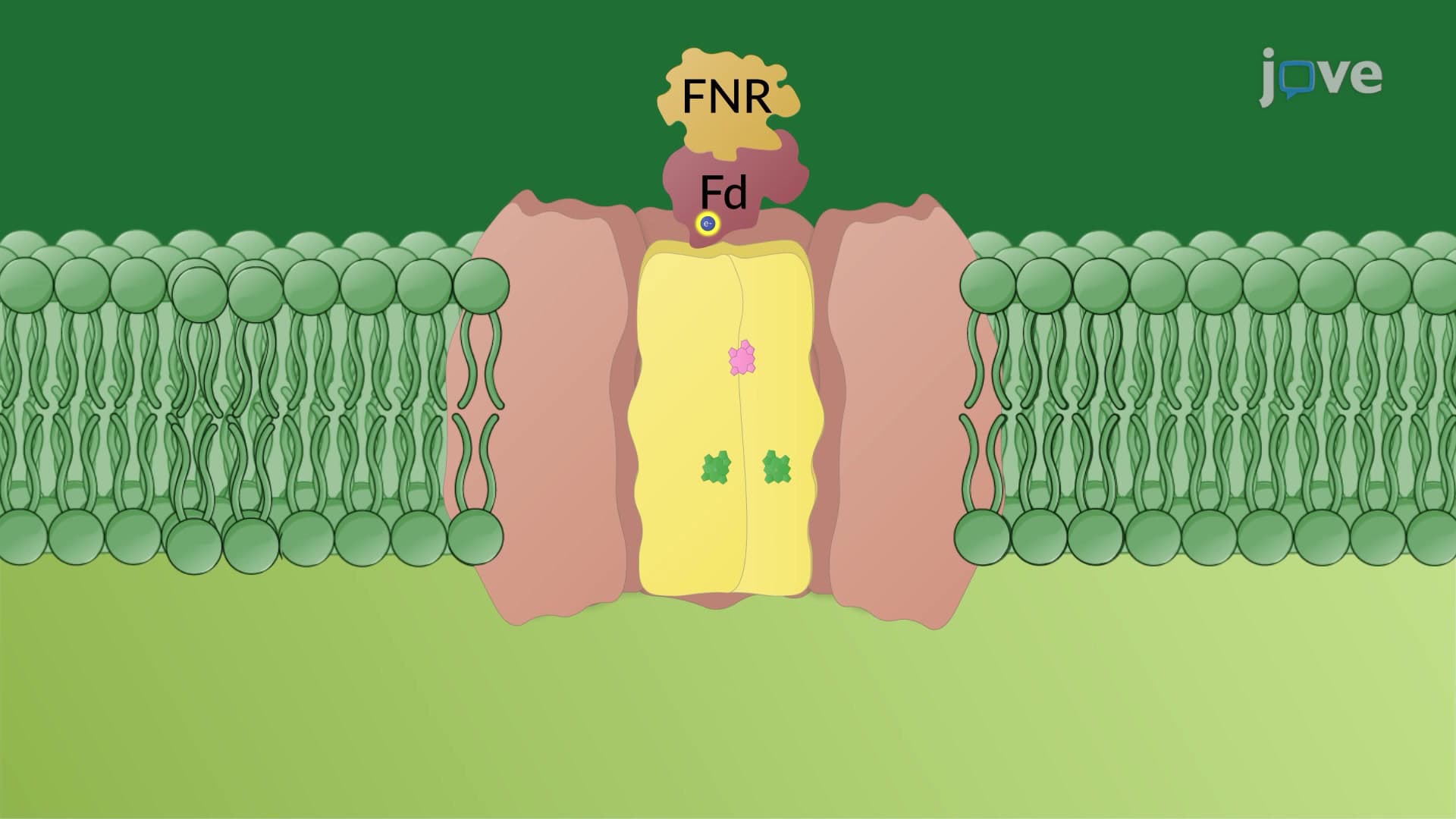
4. Light-Dependent Reactions and Photosystems Photosystem II and Photosystem I work together in the thylakoid membrane to convert light energy into chemical energy. PSII splits water molecules, releasing oxygen as a byproduct and exciting electrons that travel through an electron transport chain. PSI receives these electrons and further energizes them to produce NADPH. This process also creates the proton gradient that drives ATP synthesis through chemiosmosis. Students can relate this to hydroelectric dams across American rivers like the Colorado or Columbia, where flowing water (protons) drives turbines (ATP synthase) to generate power for cities and industries.
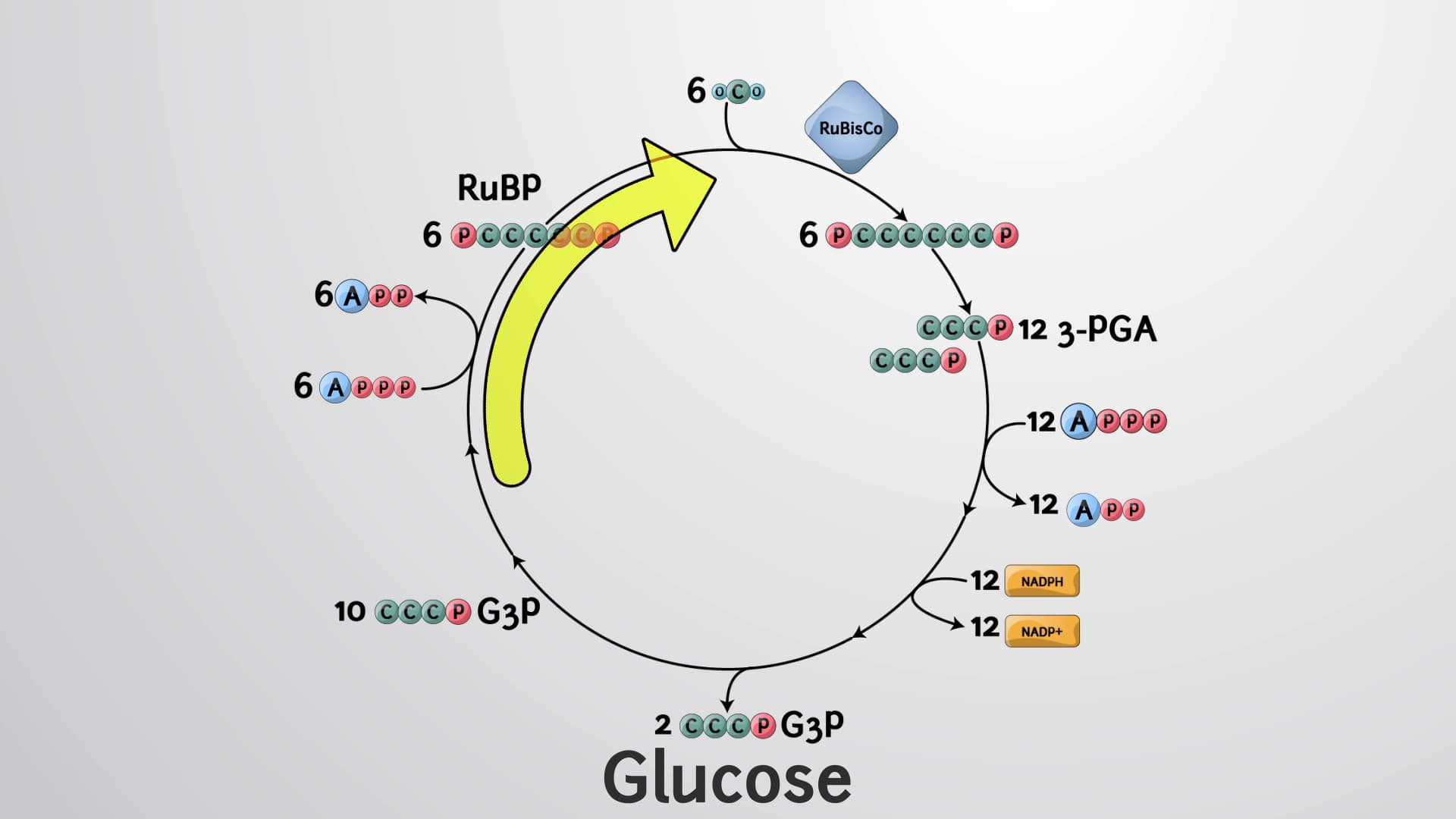
5. The Calvin Cycle and Carbon Fixation The Calvin cycle occurs in the chloroplast stroma, where the enzyme RuBisCO catalyzes the fixation of atmospheric CO₂ into organic molecules. This process requires six turns of the cycle to produce one glucose molecule, consuming 18 ATP and 12 NADPH molecules generated by the light reactions. The cycle includes carbon fixation, reduction, and regeneration phases. Students studying for AP Biology or MCAT exams should understand this represents the "dark reactions" that can occur without direct light but depend on products from light-dependent reactions, similar to how American factories can run night shifts using stored energy.
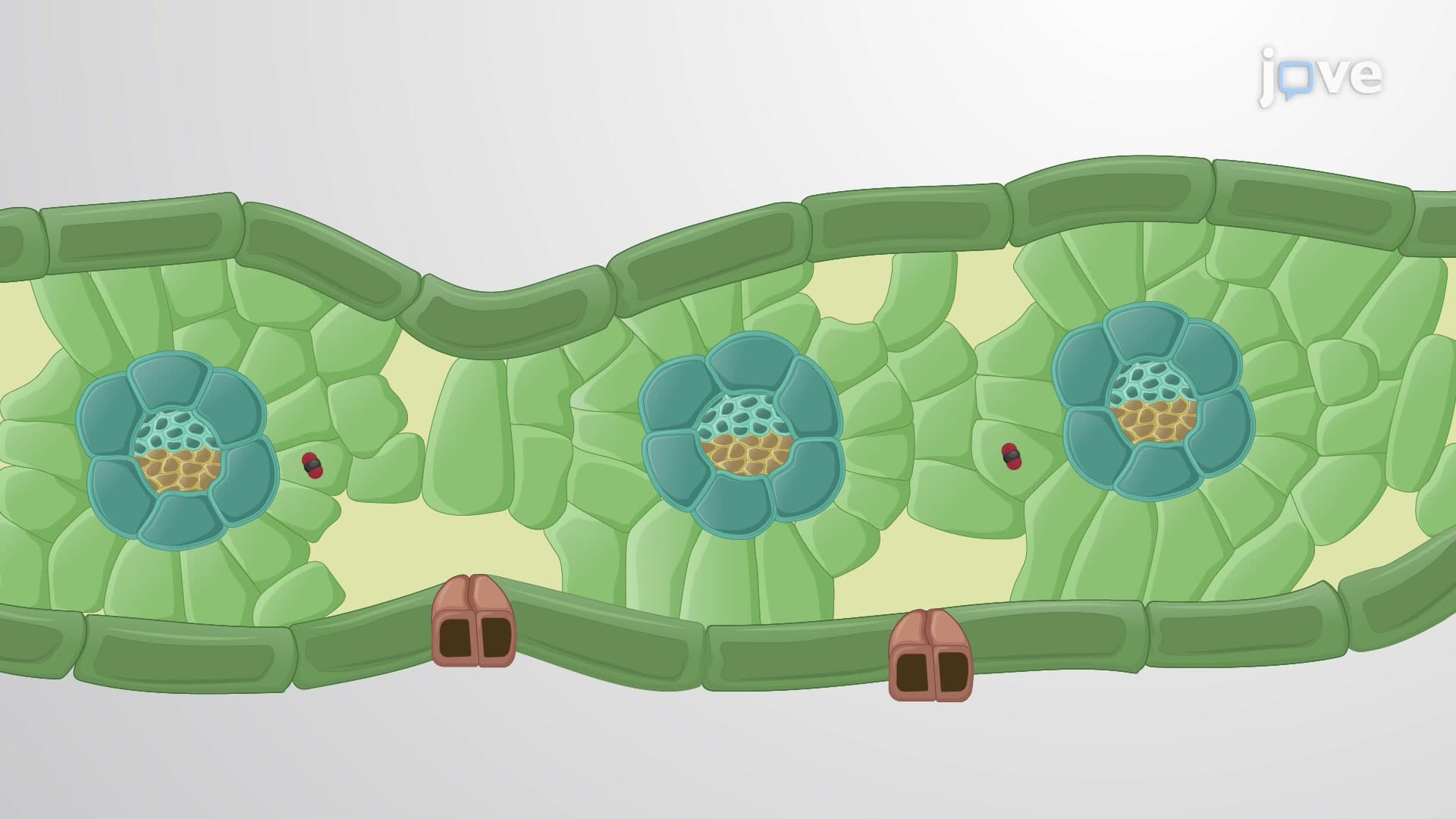
6. C4 and CAM Photosynthetic Adaptations Plants in hot, dry climates have evolved specialized photosynthetic pathways to minimize water loss while maintaining efficient carbon fixation. C4 plants like corn and sugarcane spatially separate initial carbon fixation from the Calvin cycle, using different cell types. CAM plants like desert cacti and pineapples temporally separate these processes, opening stomata only at night to collect CO₂. These adaptations are crucial for agriculture in American Southwest states like Arizona and California, where water conservation is essential. Understanding these pathways helps explain crop distribution patterns and agricultural practices across different climate zones in the United States.