Loading video…


 7 Concepts
 583.4K views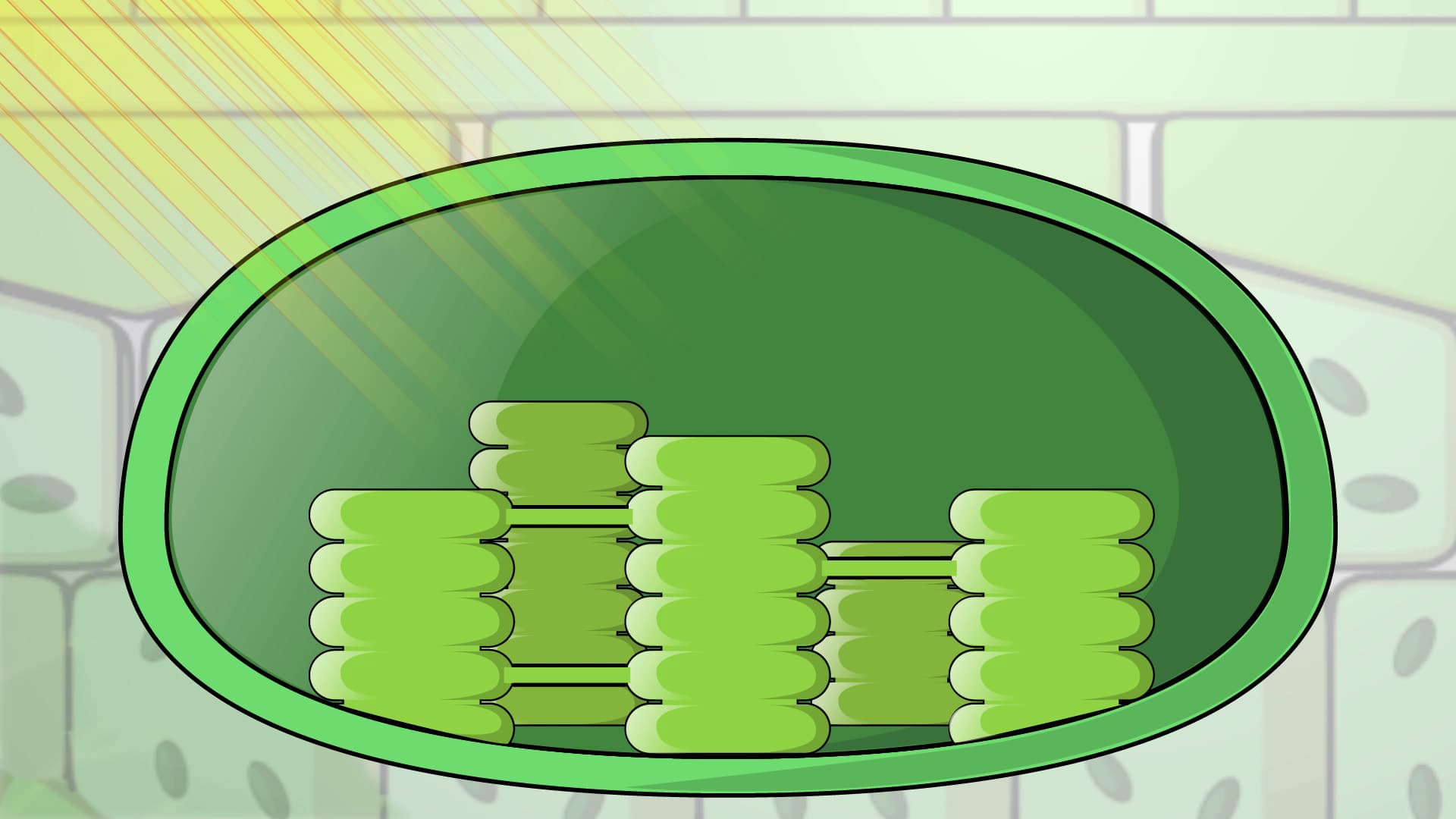

Video Summary: What Is Anatomy of Chloroplasts
Ever wondered how a single corn plant in Nebraska converts sunlight into the sugars that eventually become ethanol fuel? The anatomy of chloroplasts reveals nature's most sophisticated solar panels, packed with precisely organized structures that make photosynthesis possible. These double-membraned organelles contain thylakoids stacked into grana, where light reactions occur, while the Calvin cycle operates in the surrounding stroma. Watch the full video on JoVE Coach to master this concept with expert-led visuals and step-by-step explanations.
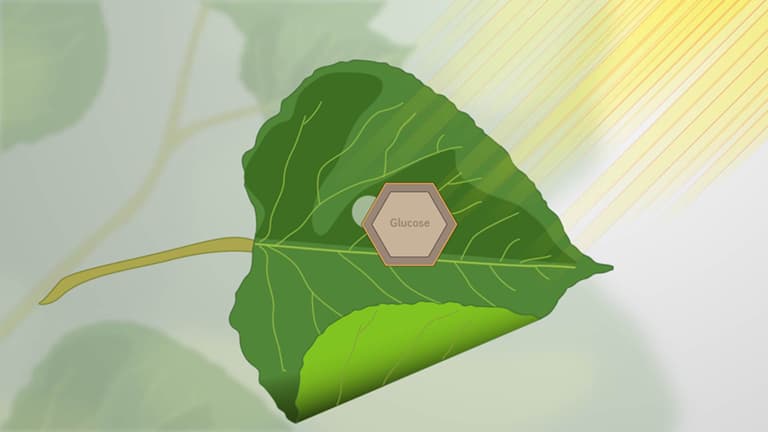
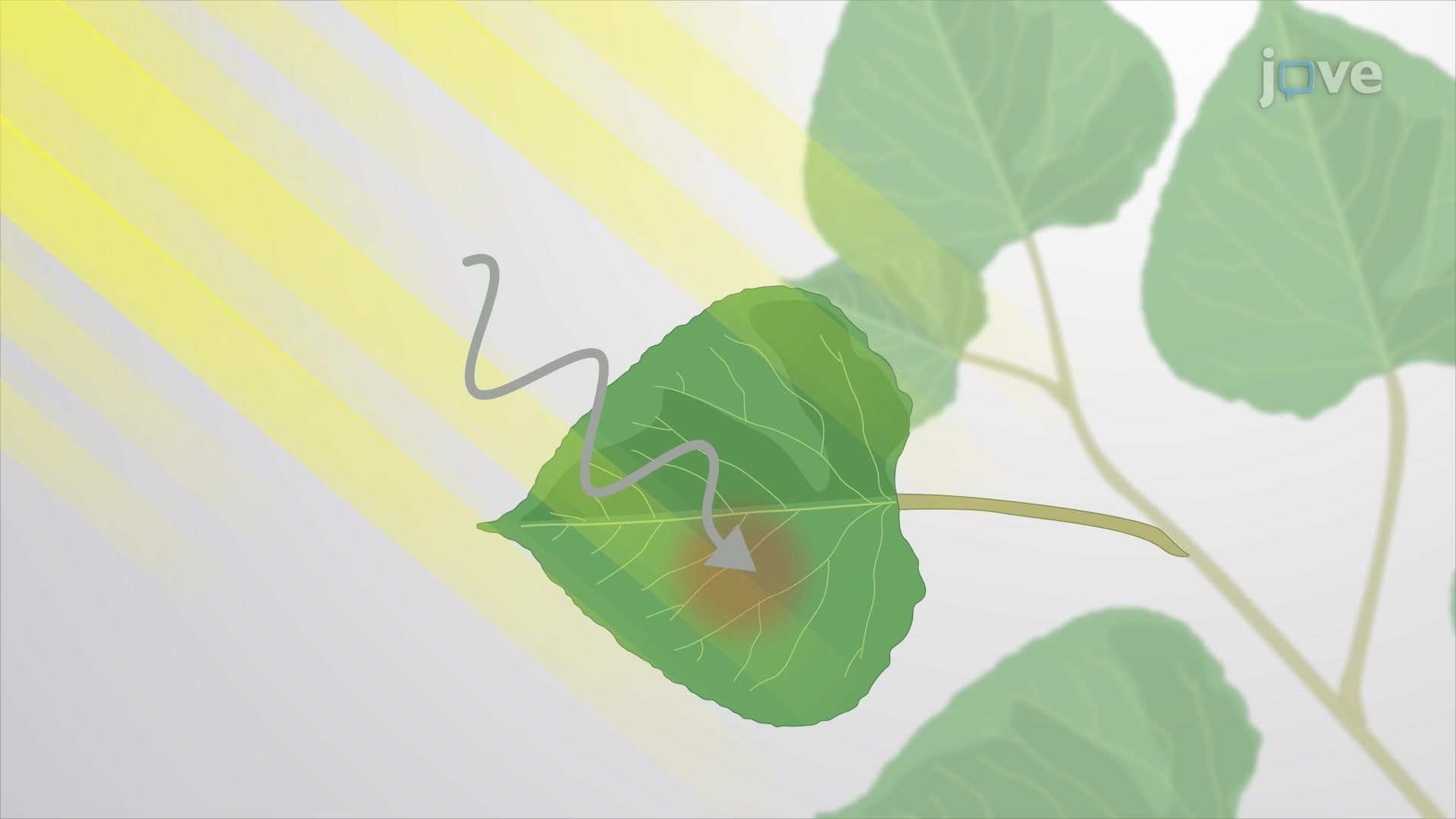
Chloroplasts represent one of biology's most elegant examples of structure-function relationships. These specialized organelles, found primarily in plant leaf mesophyll cells, house the complete photosynthetic apparatus that converts solar energy into chemical energy. In a typical oak tree in Virginia's Shenandoah Valley, millions of chloroplasts work continuously to produce the glucose that fuels growth and reproduction.
The chloroplast's double membrane envelope creates distinct compartments essential for photosynthetic efficiency. The outer membrane regulates molecular transport, while the inner membrane maintains the isolated environment necessary for energy conversion. This compartmentalization allows plants to optimize conditions for different reaction phases-similar to how manufacturing plants separate production stages for maximum efficiency.
Inside chloroplasts, thylakoids form the heart of light-harvesting machinery. These flattened, membrane-bound sacs stack into coin-like structures called grana, connected by unstacked regions called lamellae. This arrangement maximizes surface area for photosystem placement while maintaining structural stability. In crops like Iowa corn, this organization enables efficient light capture even in dense field conditions where plants compete for sunlight.
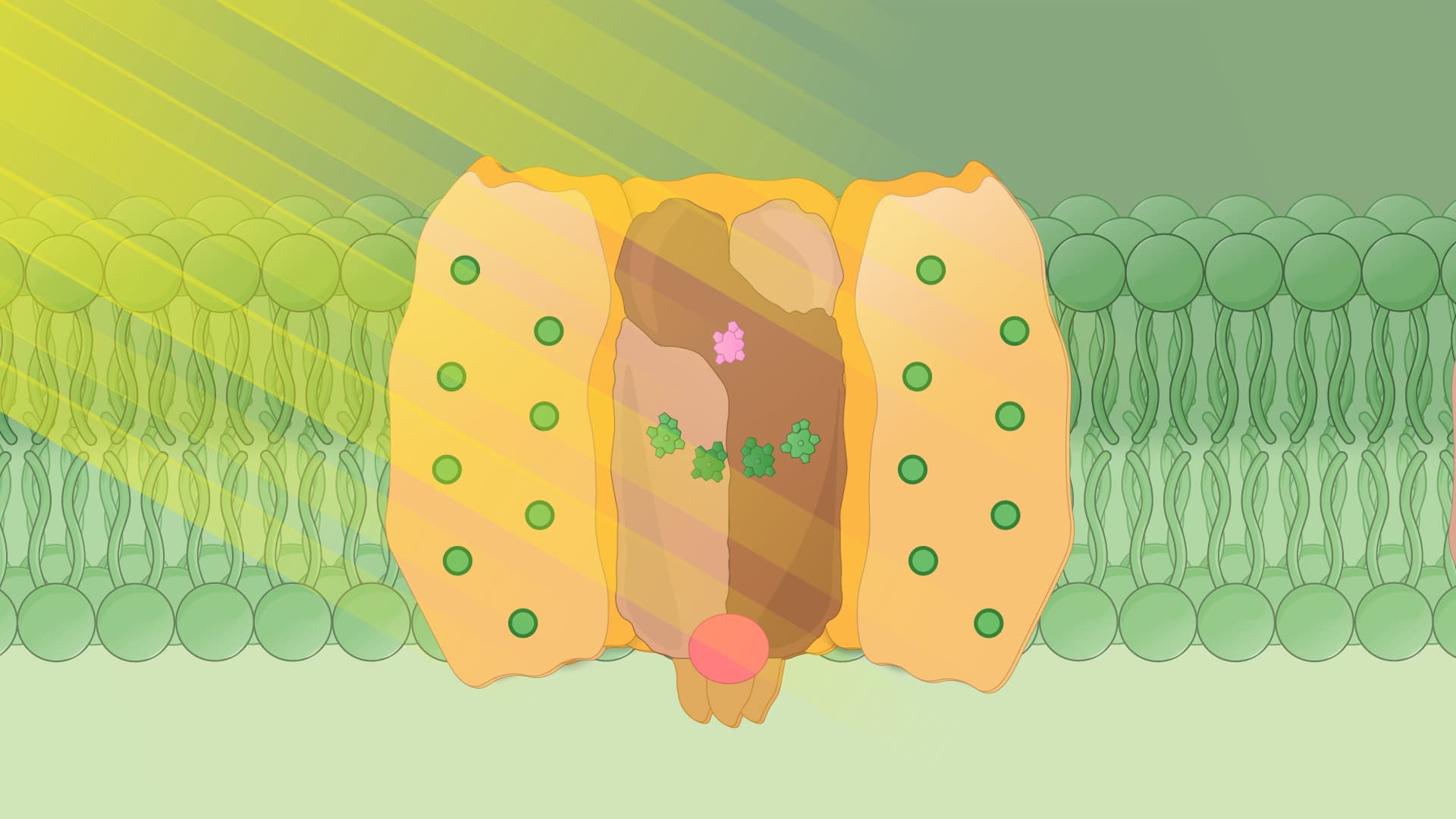
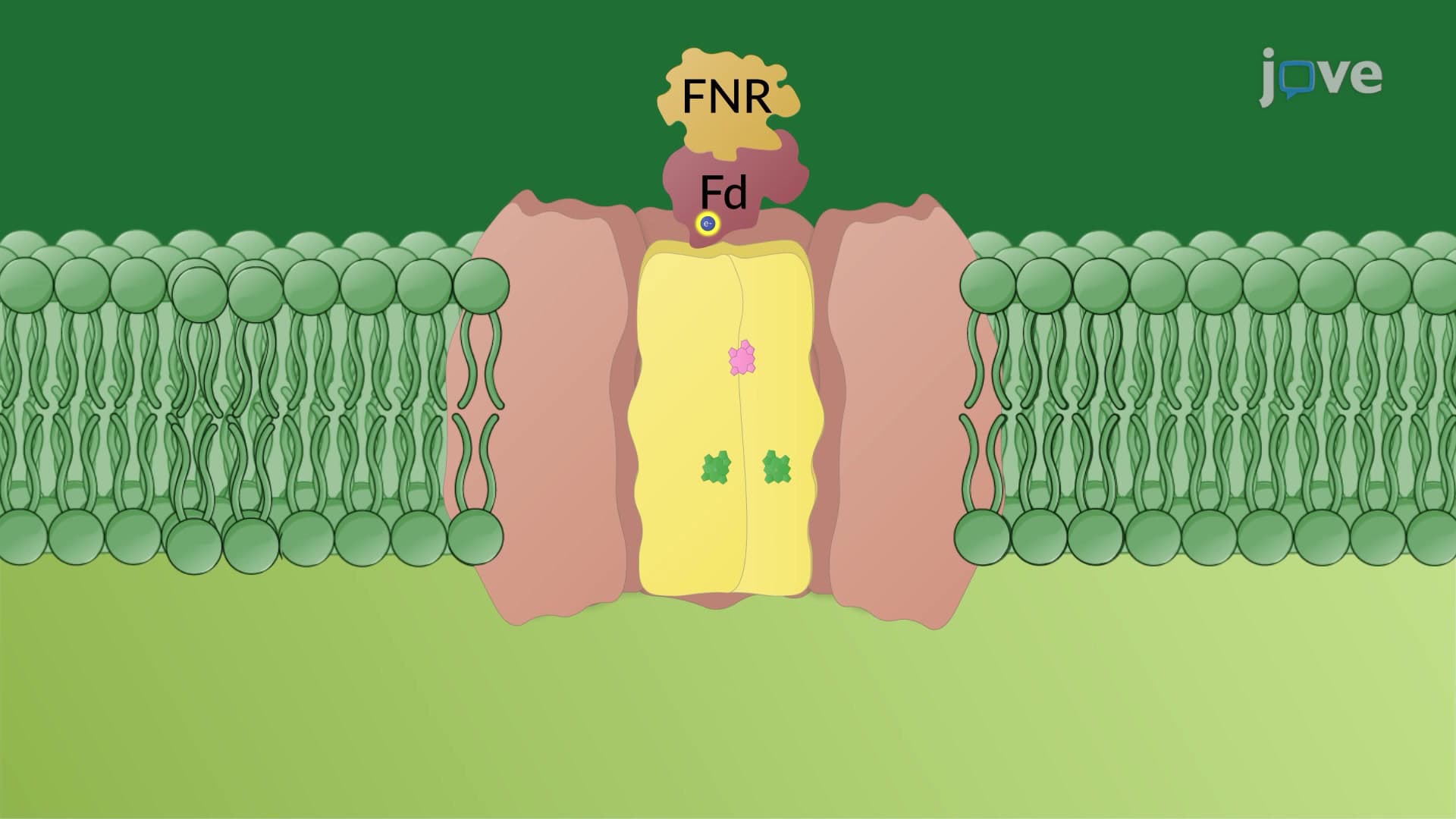
Embedded within thylakoid membranes, photosystem I and photosystem II contain hundreds of chlorophyll molecules and accessory pigments arranged in antenna complexes. These molecular assemblies function like sophisticated solar collectors, funneling captured light energy toward reaction centers where electron transport begins. The precise arrangement ensures nearly 100% energy transfer efficiency-a benchmark that inspires renewable energy research at institutions like MIT and Stanford.
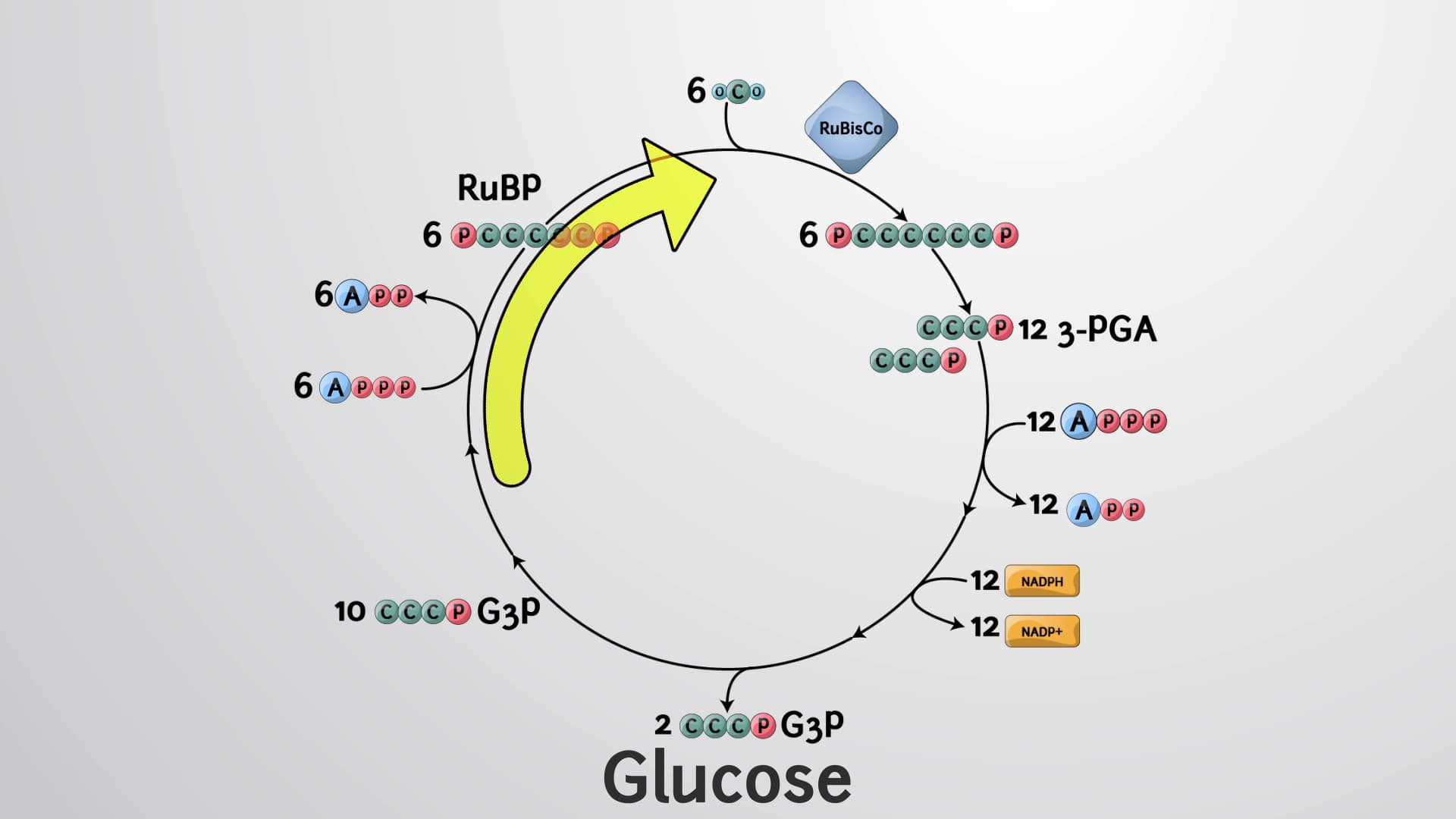
Students preparing for AP Biology or college-level plant biology courses should focus on connecting chloroplast structure to photosynthetic function. The Calvin cycle's location in the stroma, separated from light reactions in thylakoids, demonstrates how cellular compartmentalization enables complex biochemical coordination. This concept frequently appears on MCAT biology sections and college botany exams.
Related Micro-courses