Loading video…


 7 Concepts
 583.4K views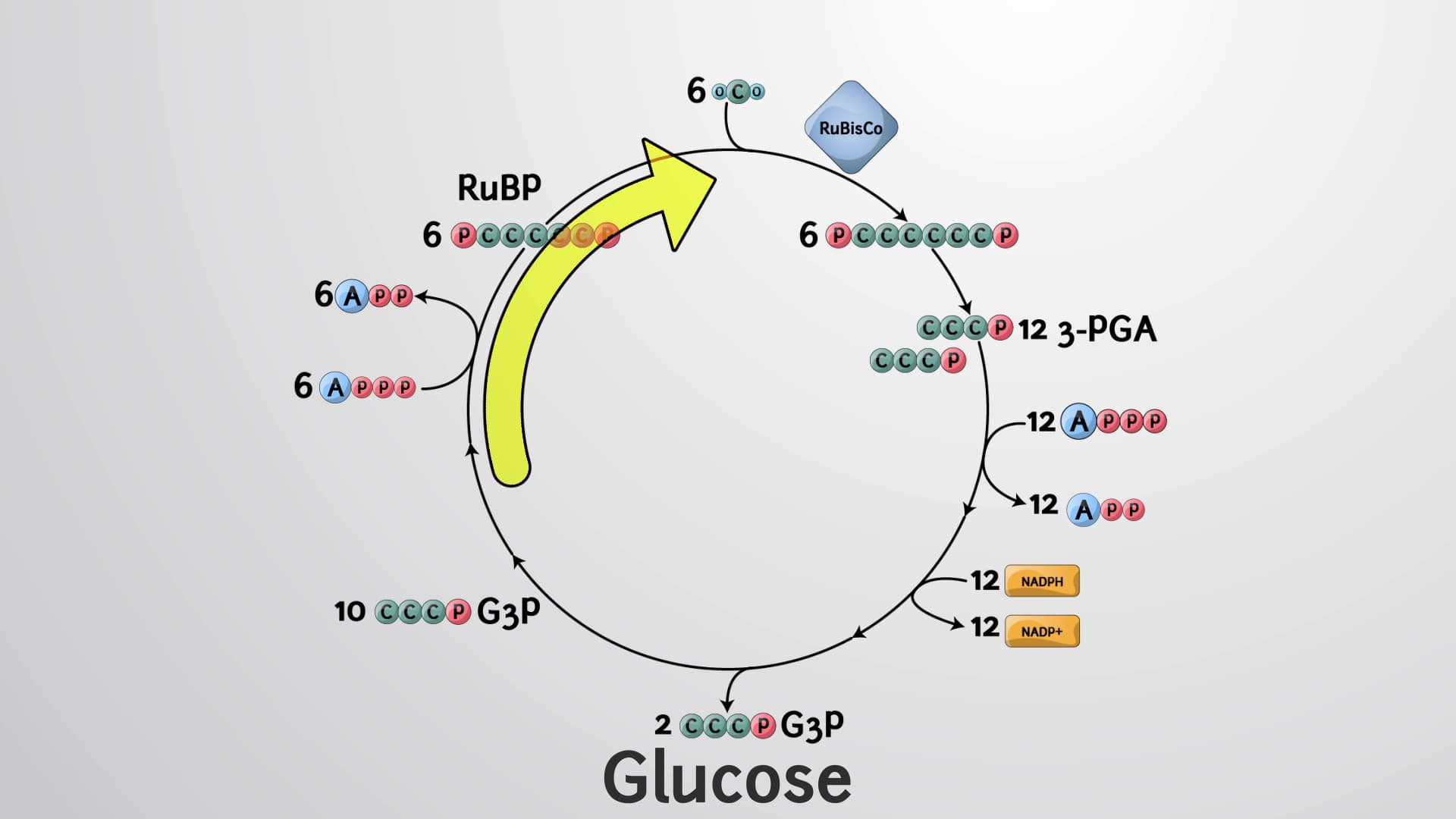

Video Summary: What Is the Calvin Cycle
Ever wonder how a single corn plant in Iowa can transform invisible air into the sugar that powers your morning cereal? The calvin cycle is the biochemical process that makes this everyday miracle possible in all photosynthetic plants. This complex series of reactions occurs in chloroplast stroma, where atmospheric CO2 becomes fixed into organic molecules through enzyme-driven chemical transformations. Watch the full video on JoVE Coach to master this concept with expert-led visuals and step-by-step explanations.
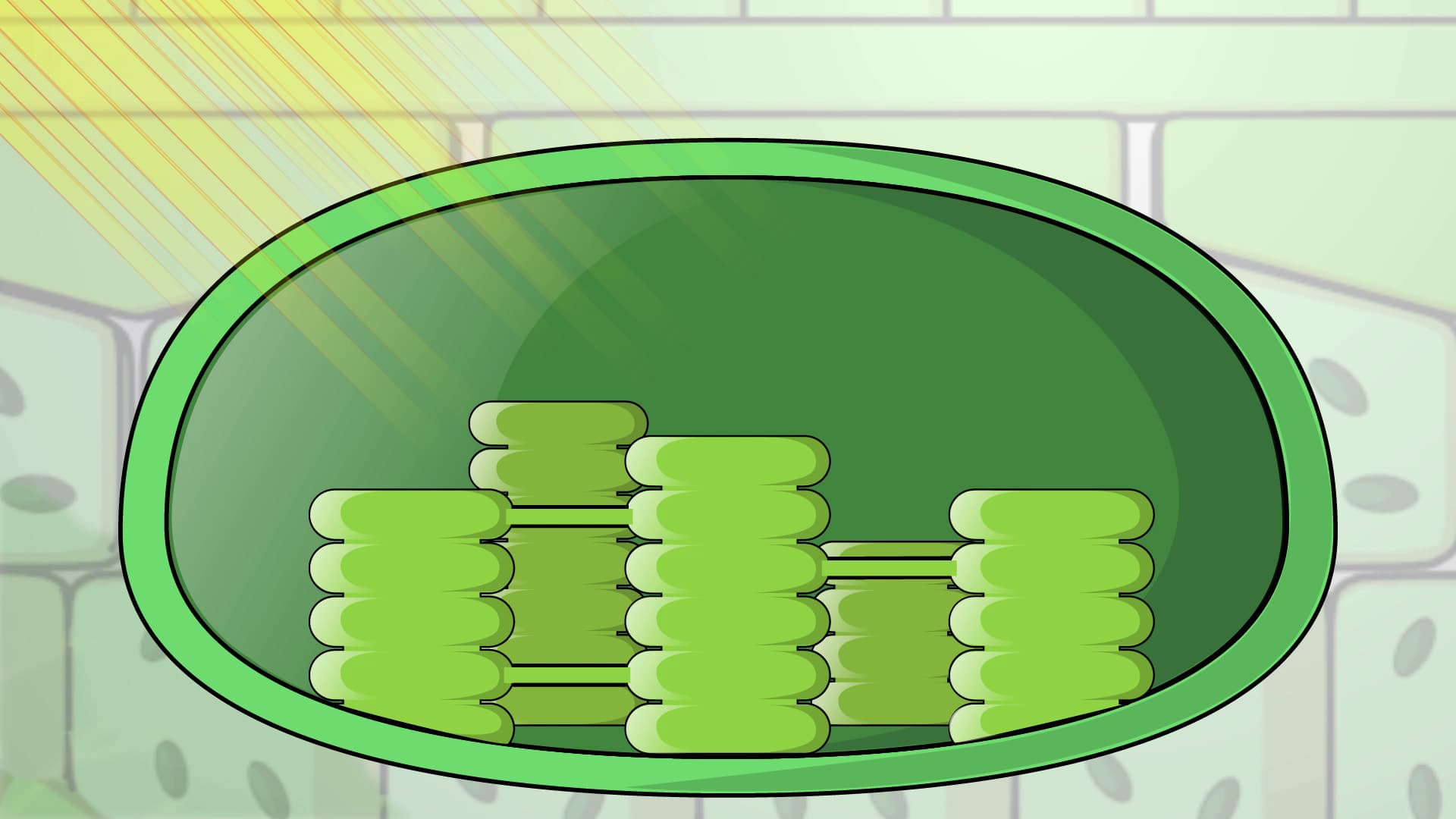
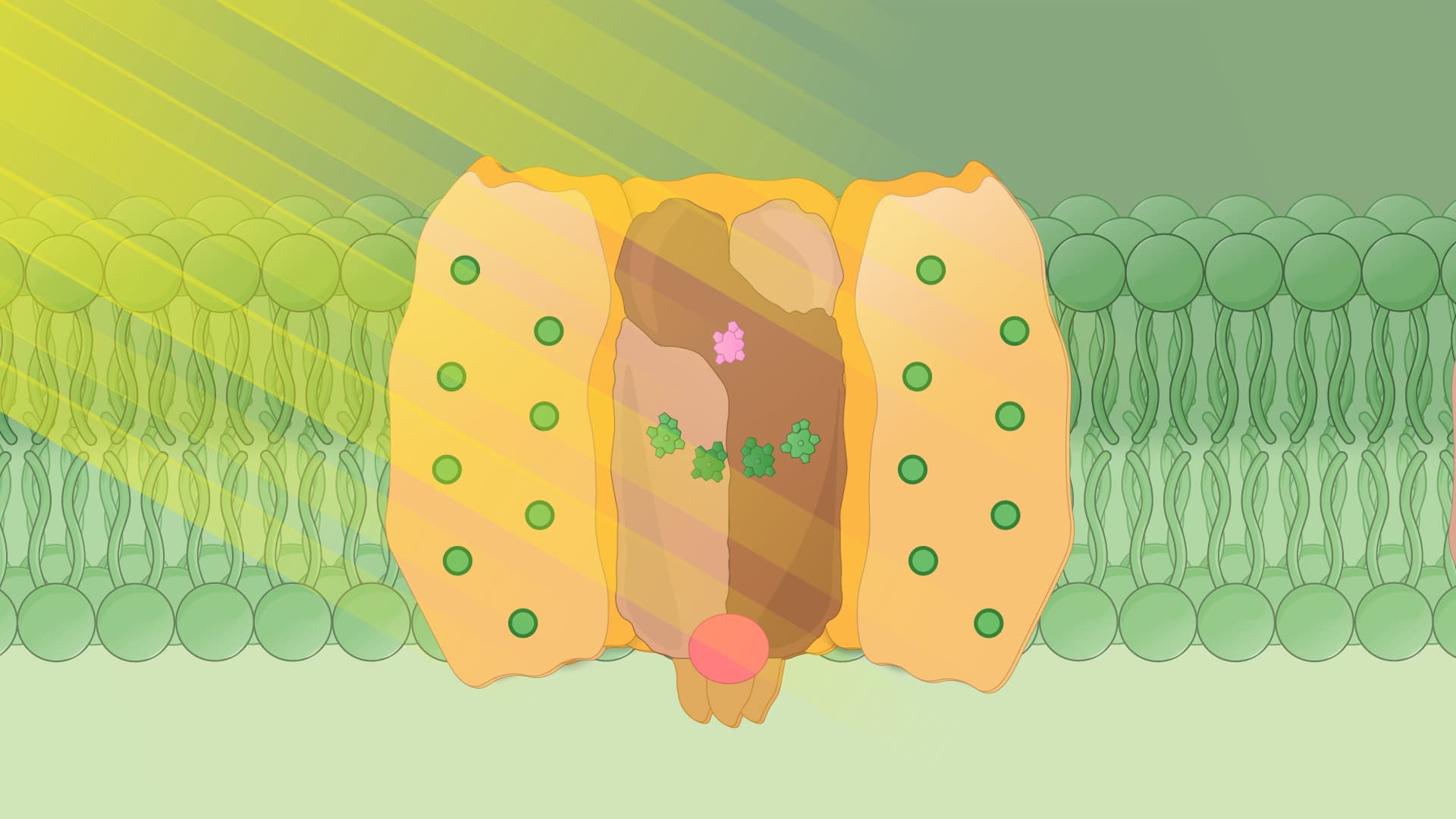
The calvin cycle definition encompasses the light-independent reactions of photosynthesis that occur in the chloroplast stroma. Named after American biochemist Melvin Calvin, who won the Nobel Prize for mapping these reactions using radioactive carbon-14 tracers, this process represents one of biology's most crucial metabolic pathways. Unlike the light-dependent reactions occurring in thylakoid membranes, the Calvin cycle can function without direct sunlight, using stored chemical energy from ATP and NADPH.
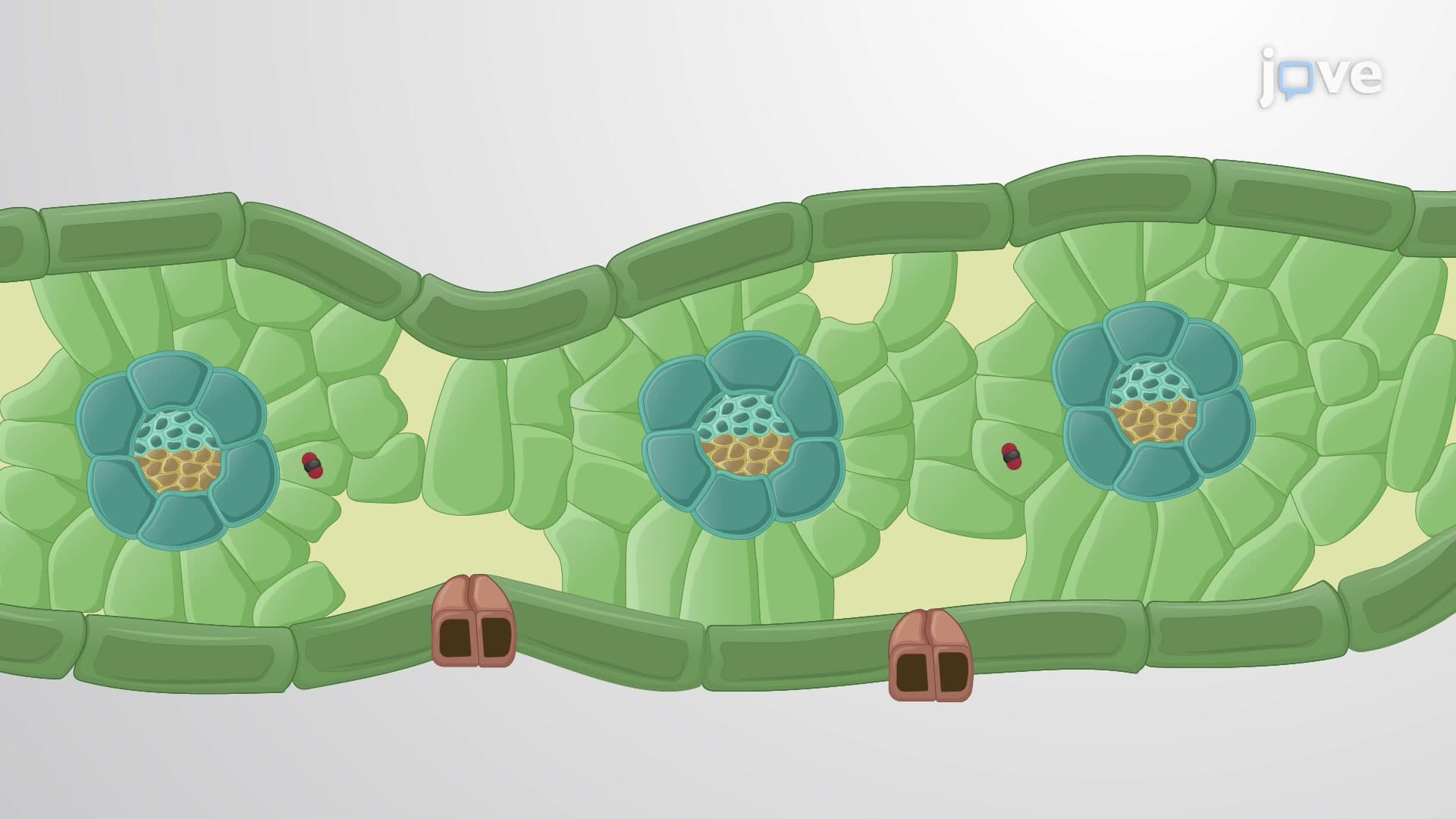
The cycle begins when atmospheric CO2 diffuses into leaf stomata and eventually reaches the chloroplast stroma. Here, the enzyme RuBisCO (ribulose-1,5-bisphosphate carboxylase-oxygenase) catalyzes the attachment of CO2 to ribulose bisphosphate (RuBP), a five-carbon sugar. This calvin cycle overview reveals RuBisCO as Earth's most abundant enzyme, reflecting its critical importance. The resulting six-carbon intermediate immediately splits into two molecules of 3-phosphoglyceric acid (3-PGA), marking the first stable product of carbon fixation.
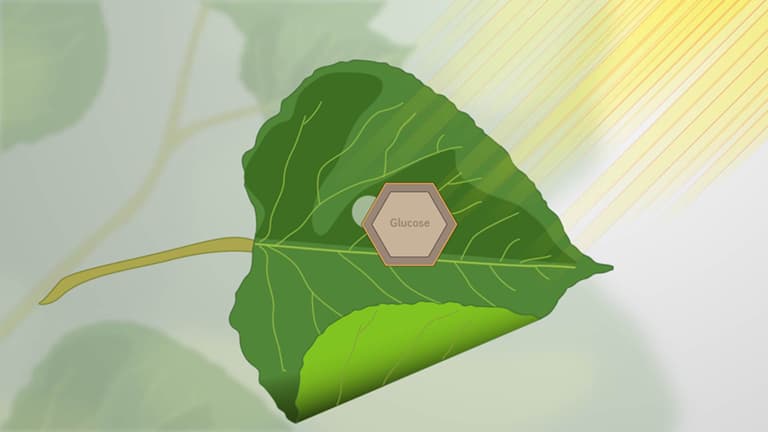
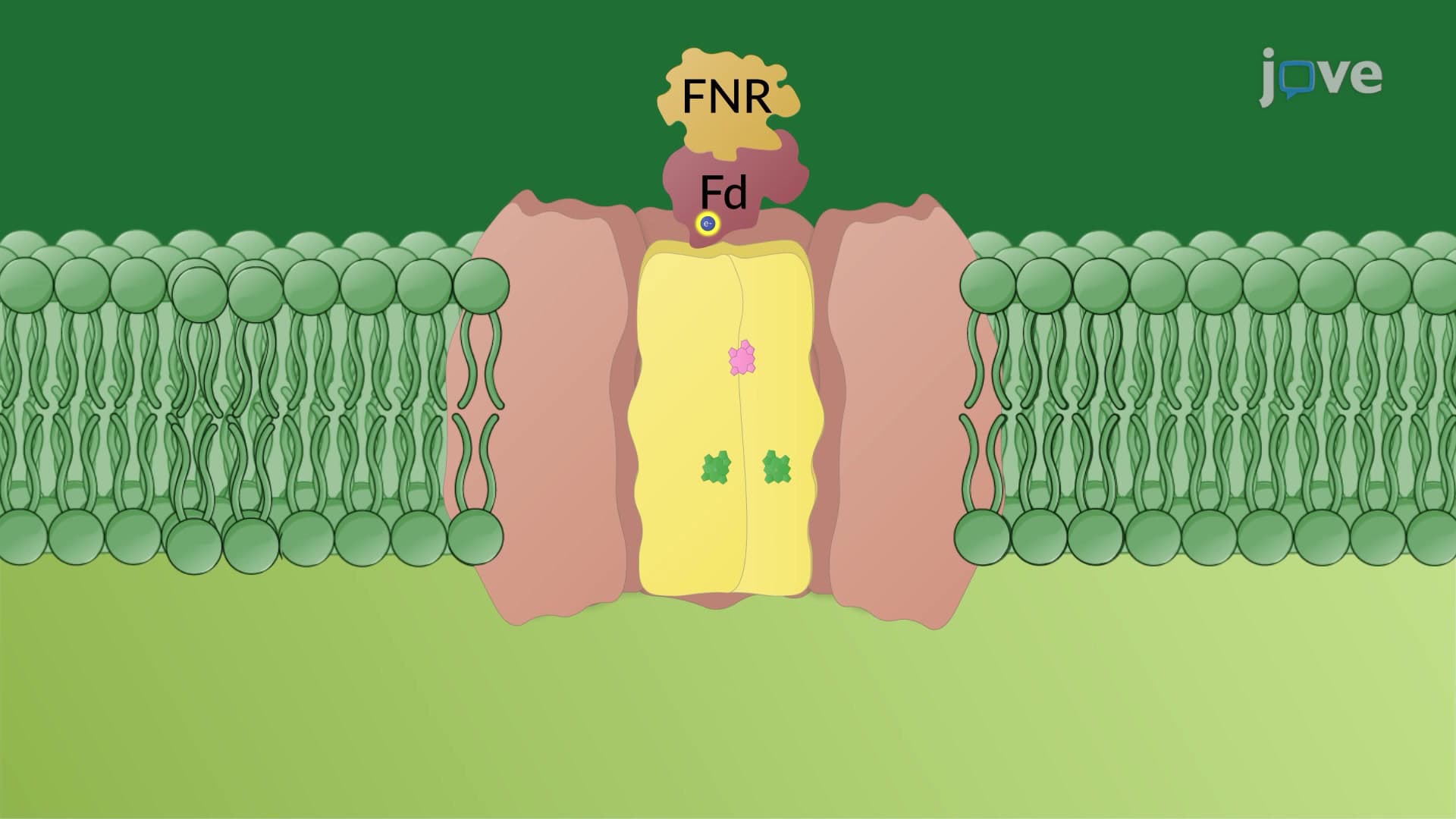
During the reduction phase, ATP provides phosphate groups while NADPH contributes electrons and hydrogen atoms to convert 3-PGA into glyceraldehyde-3-phosphate (G3P). This energy-intensive step transforms inorganic carbon into organic molecules capable of forming sugars. For every six CO2 molecules entering the cycle, twelve G3P molecules form, but only two exit to eventually combine and form glucose through gluconeogenesis pathways.
The remaining ten G3P molecules undergo complex rearrangements using additional ATP energy to regenerate six RuBP molecules, ensuring the cycle can continue. This calvin cycle concept explained demonstrates remarkable efficiency: six cycle turns fix six CO2 molecules using 18 ATP and 12 NADPH to produce one glucose molecule and regenerate starting materials.
For students preparing for AP Biology or college-level biochemistry courses, understanding these stoichiometric relationships proves essential. MCAT test-takers frequently encounter Calvin cycle questions linking photosynthesis efficiency to agricultural productivity, especially relevant given that major US crops like corn, soybeans, and wheat rely entirely on this process for biomass production.
Related Micro-courses