Loading concepts…


8 Concepts
21 Concepts
9 Concepts
16 Concepts
16 Concepts
14 Concepts
15 Concepts
14 Concepts
7 Concepts
9 Concepts
5 Concepts
19 Concepts
13 Concepts
12 Concepts
15 Concepts
7 Concepts
8 Concepts
11 Concepts
12 Concepts
11 Concepts
6 Concepts
8 Concepts
8 Concepts
9 Concepts
8 Concepts
10 Concepts
12 Concepts
12 Concepts
11 Concepts
5 Concepts
4 Concepts
5 Concepts
7 Concepts
21 Concepts
7 Concepts
8 Concepts
 9 Concepts
 1M Views
 Popular topics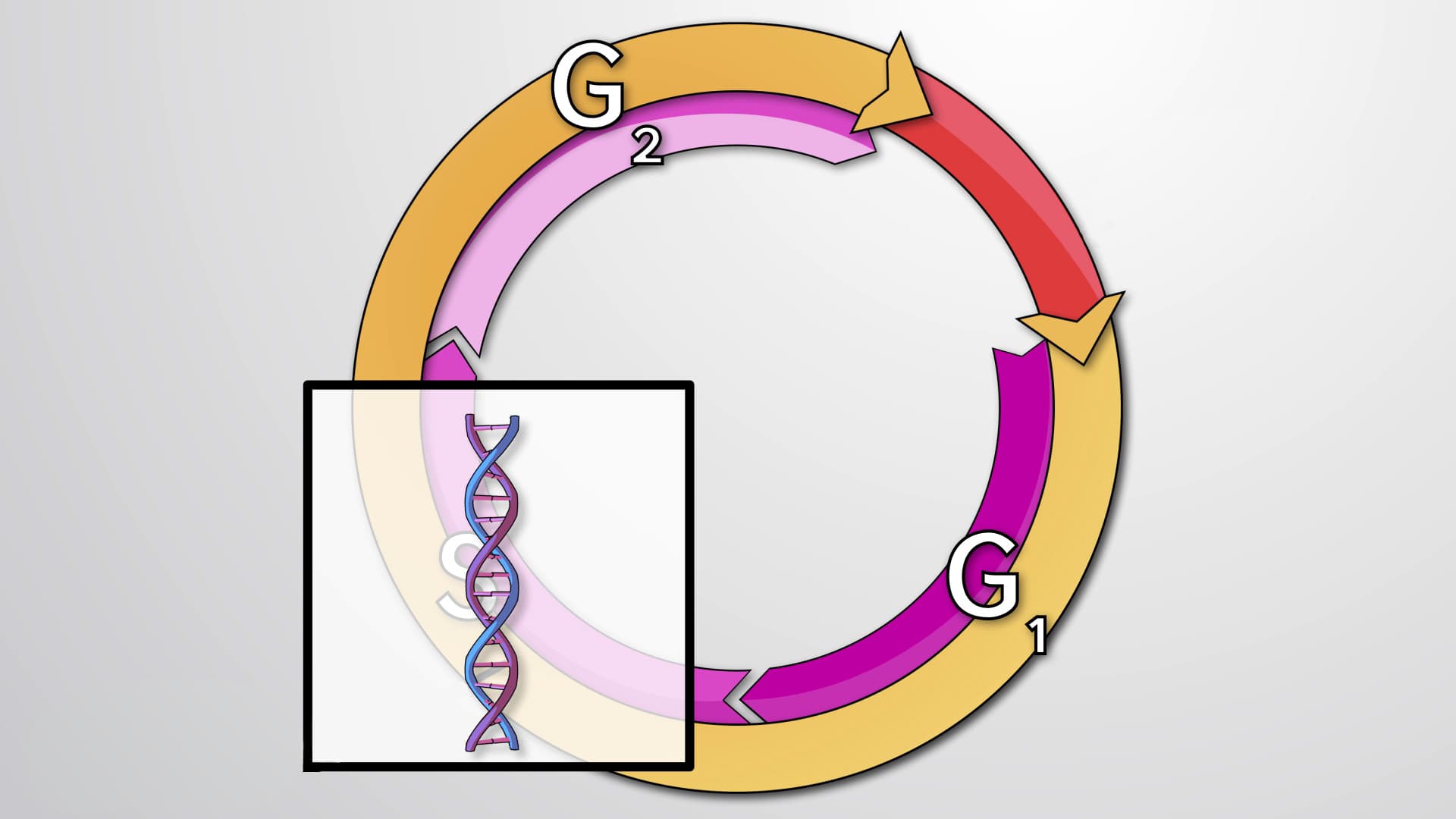
Cell cycle and division is the fundamental process by which cells grow, replicate their DNA, and divide to create two identical daughter cells. This tightly regulated mechanism drives everything from human development and tissue repair to cancer progression. Understanding these cellular processes is essential for mastering biology concepts tested on standardized exams and provides the foundation for careers in medicine, biotechnology, and biomedical research across the United States. JoVE Coach makes these complex molecular mechanisms accessible through visual learning.
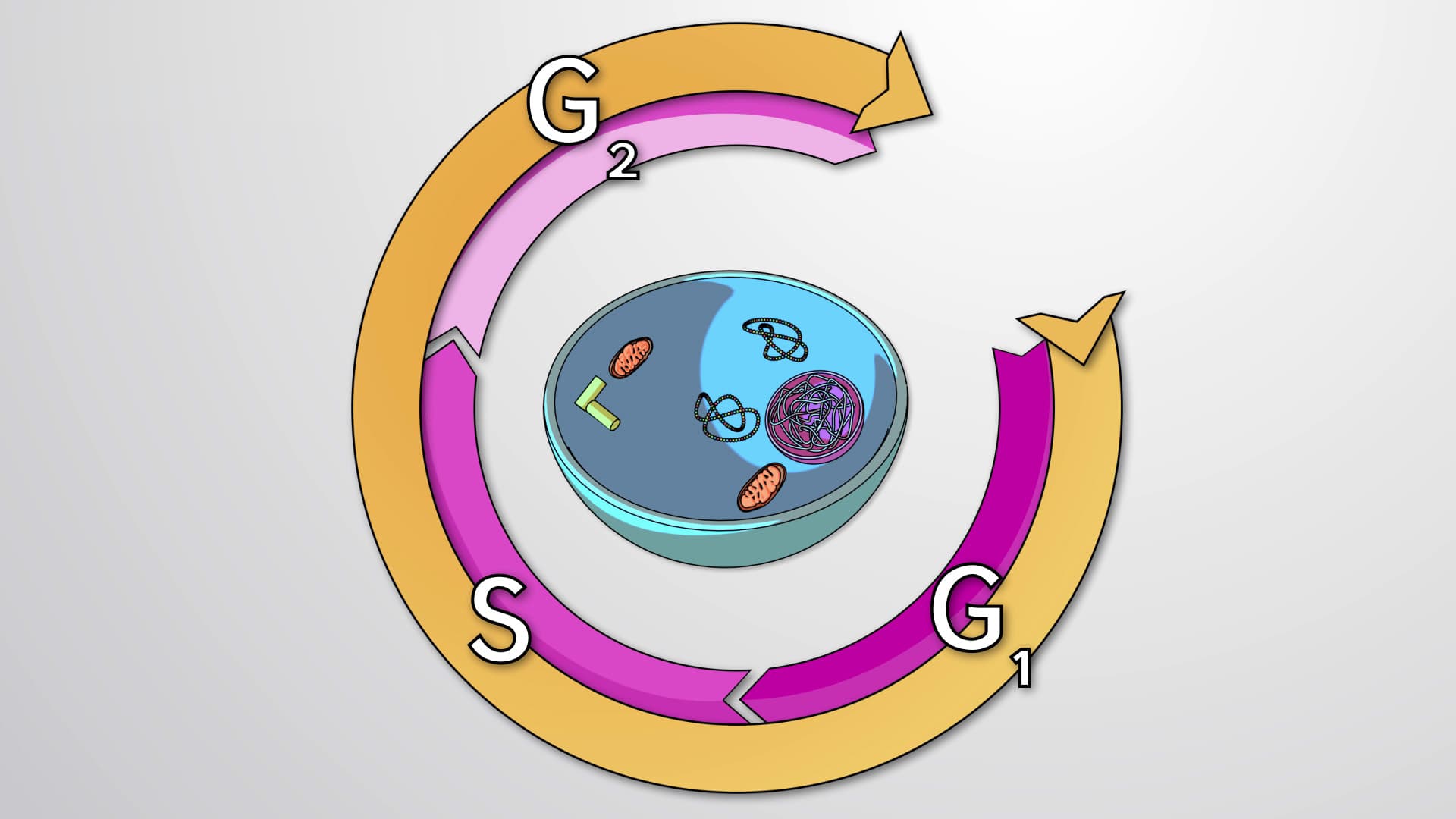
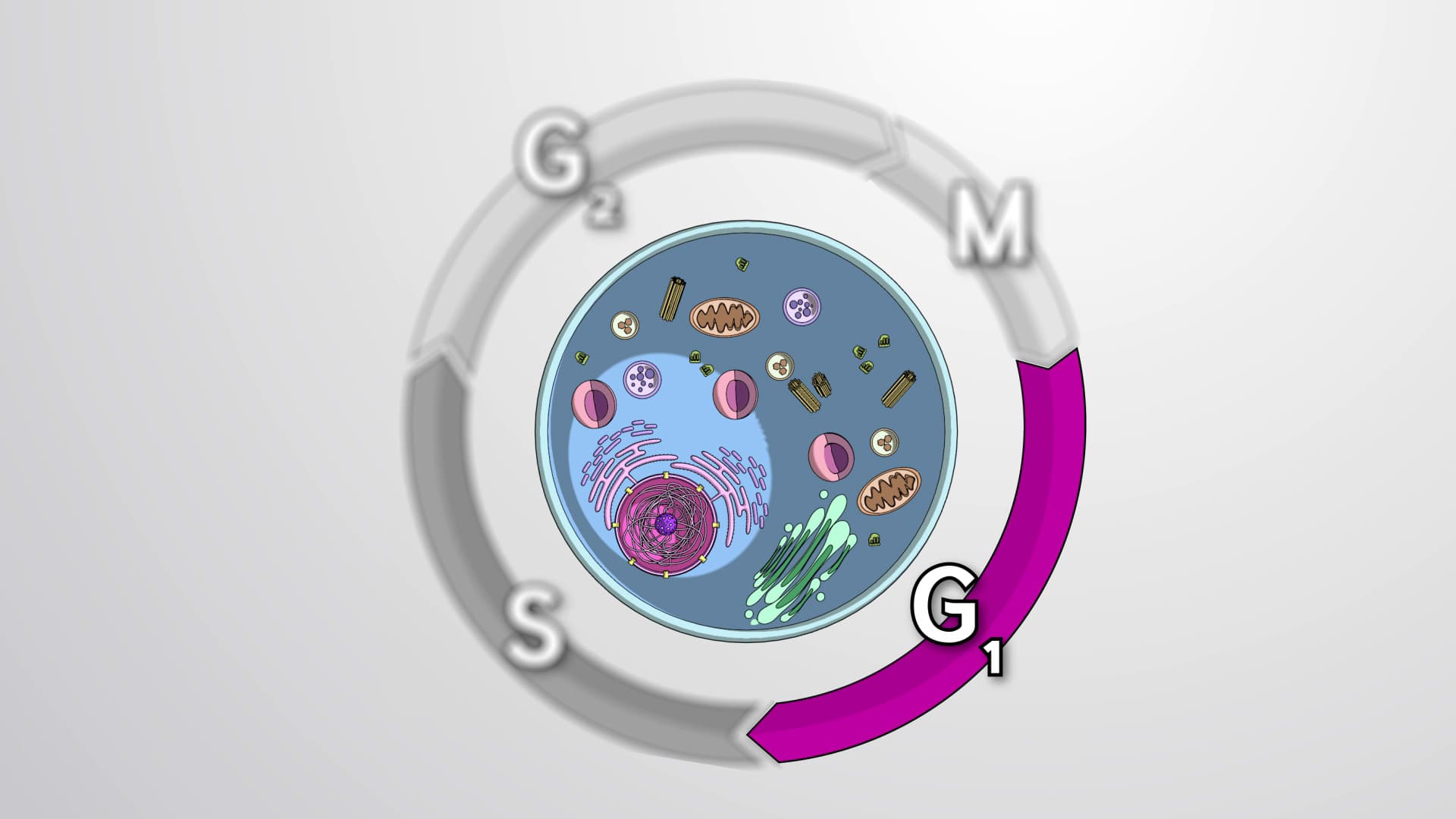
1. Cell Cycle Phases and Checkpoints: The cell cycle consists of four distinct phases that ensure proper cell division. During G1 phase, cells grow and accumulate nutrients while checkpoint proteins like p53 monitor for DNA damage. S phase involves precise DNA replication using enzymes like DNA polymerase and helicase. G2 phase allows final preparation for mitosis with additional quality control checkpoints. The M phase encompasses mitosis and cytokinesis, completing cell division. These checkpoints prevent errors that could lead to cancer, similar to quality control systems in pharmaceutical manufacturing that ensure drug safety before reaching American patients.
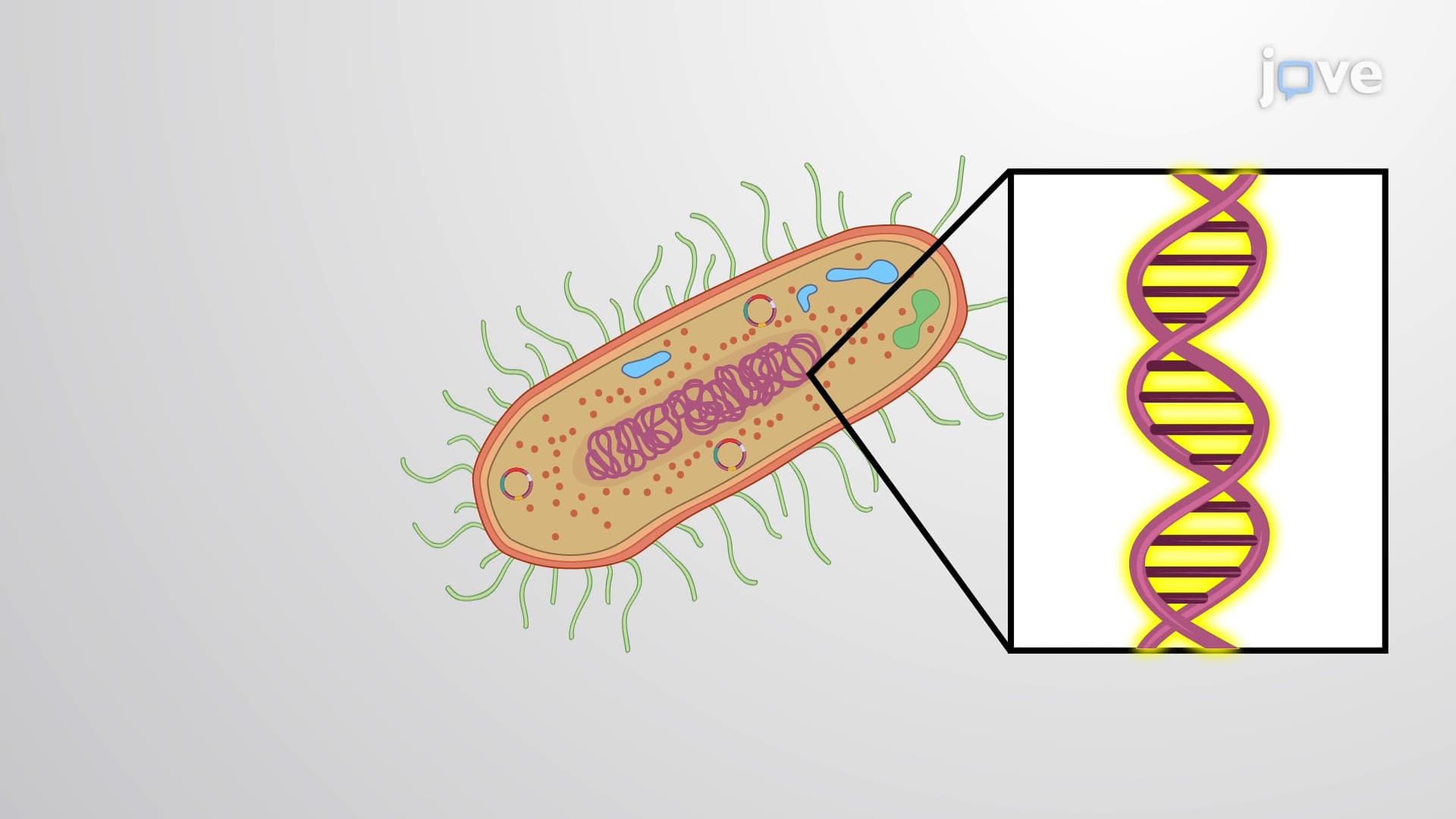
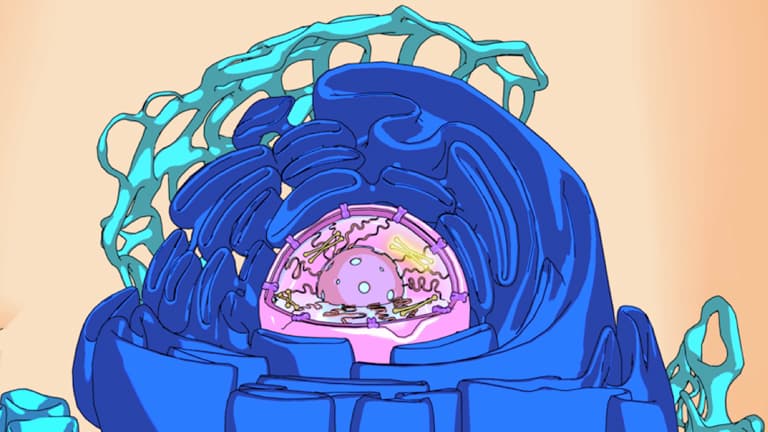
2. Prokaryotic vs Eukaryotic DNA Organization: Prokaryotes store their genetic material in a nucleoid region as a single circular chromosome, while eukaryotes package DNA into linear chromosomes within a membrane-bound nucleus. Prokaryotic DNA exists as supercoiled loops with additional plasmids carrying genes for antibiotic resistance - a major concern in American hospitals dealing with resistant bacterial infections. Eukaryotic DNA wraps around histone proteins forming nucleosomes, then condenses into chromatin fibers and finally chromosomes. This organization allows human cells to fit approximately 6 feet of DNA into microscopic nuclei, comparable to storing 3,000 miles of thread in a basketball.
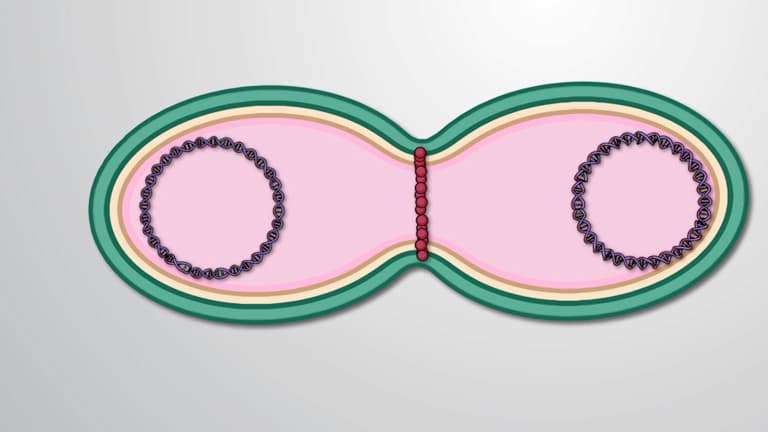
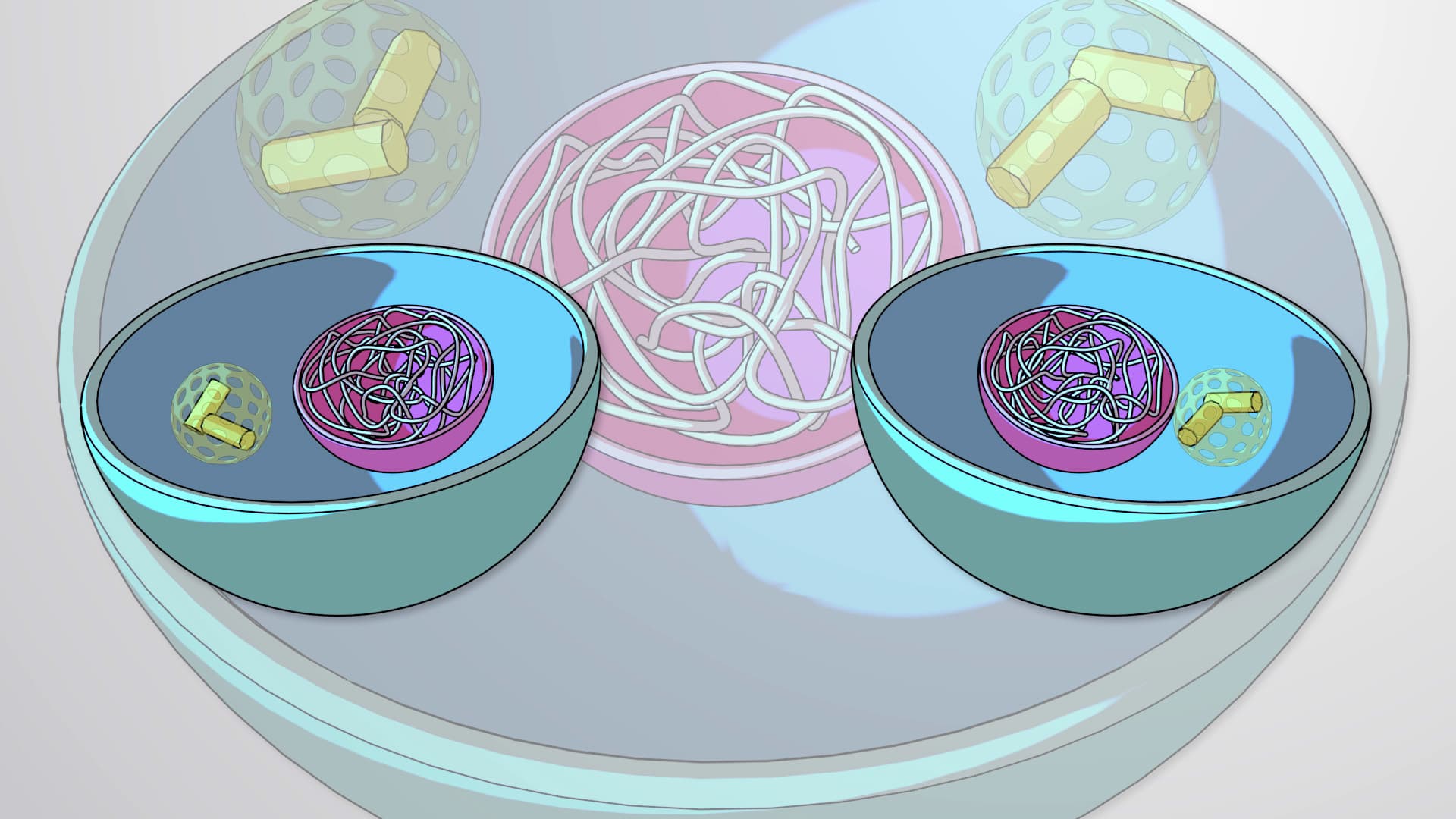
3. Binary Fission in Prokaryotes: Bacteria reproduce through binary fission, beginning with DNA replication at the origin of replication (oriC). The circular chromosome duplicates bidirectionally until reaching the terminus, creating two identical copies. Cell elongation separates the DNA molecules to opposite poles while cytoplasmic components duplicate. The FtsZ protein forms a contractile Z-ring that directs septum formation, ultimately creating two daughter cells. This process allows bacteria like E. coli to divide every 20 minutes under optimal conditions, explaining how foodborne illnesses can rapidly multiply in contaminated products across American food supply chains.
4. Mitosis and Chromosome Segregation: Mitosis ensures equal distribution of duplicated chromosomes to daughter cells through four distinct phases. Prophase involves chromosome condensation and nuclear envelope breakdown. During metaphase, chromosomes align at the cell's center on the metaphase plate. Anaphase separates sister chromatids, pulling them to opposite cell poles. Telophase reforms nuclear envelopes around each chromosome set. This process is crucial for maintaining the human diploid number of 46 chromosomes in somatic cells, ensuring genetic consistency in tissues from skin cells to neurons throughout the American population.
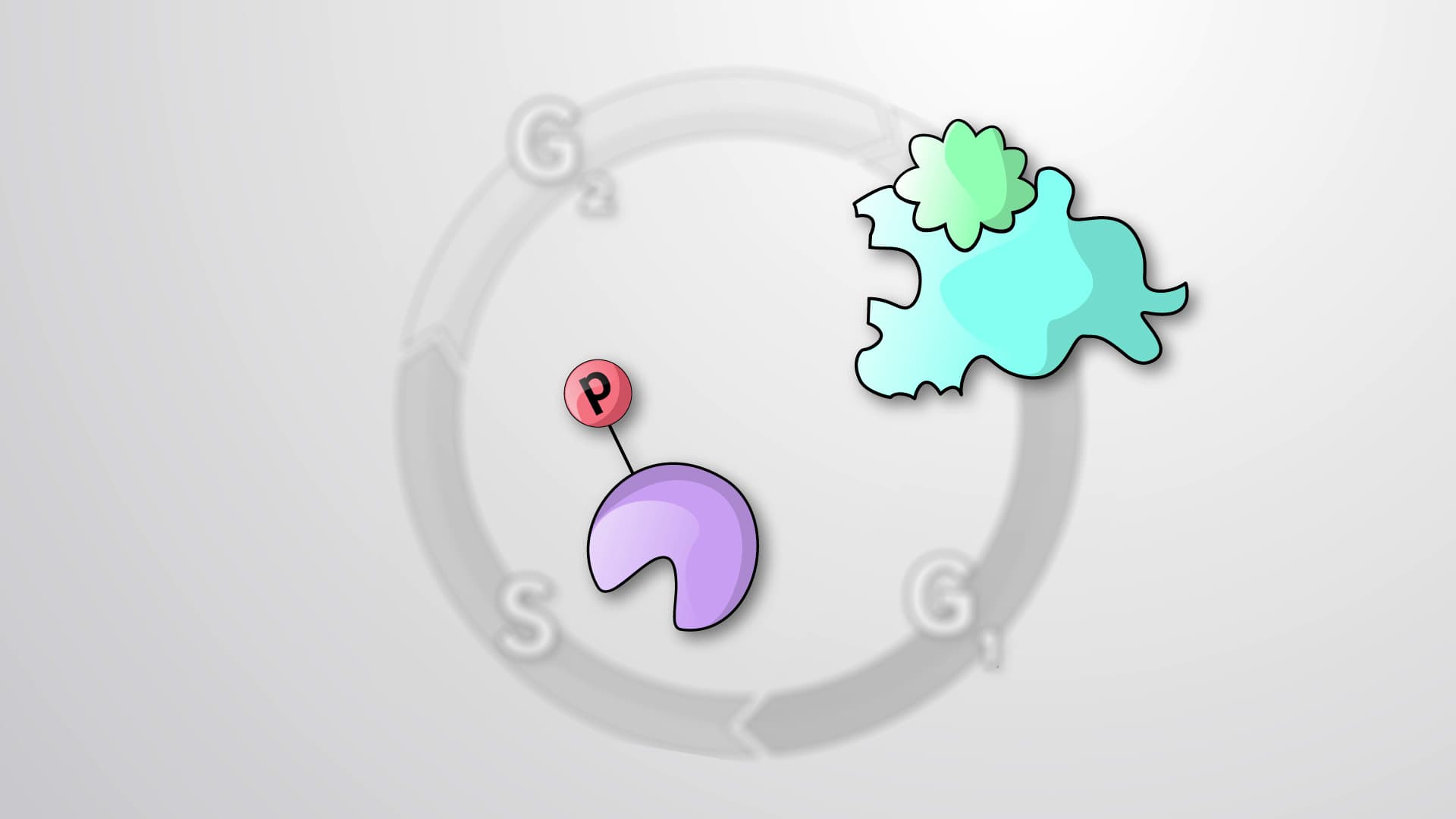
5. Positive Cell Cycle Regulators: Cyclins and cyclin-dependent kinases (CDKs) drive cell cycle progression through specific phase transitions. Cyclin D binds CDK4/6 during G1 phase, while cyclin E partners with CDK2 for G1/S transition. Cyclin A-CDK2 complexes control DNA replication during S phase, and cyclin B-CDK1 initiates mitosis. These regulatory molecules function like molecular switches, requiring CDK-activating kinase (CAK) for full activation. Pharmaceutical companies across the United States develop CDK inhibitor drugs for cancer treatment, targeting these regulatory pathways to prevent uncontrolled cell division in tumor cells.
6. Negative Cell Cycle Regulators and Tumor Suppressors: Proteins like p53 and retinoblastoma (Rb) prevent inappropriate cell division by monitoring cellular conditions and DNA integrity. P53, called the "guardian of the genome," detects DNA damage and either initiates repair mechanisms or triggers apoptosis if damage is irreparable. The Rb protein controls G1/S transition by binding transcription factor E2F, blocking genes necessary for DNA replication until cells reach appropriate size. Mutations in these tumor suppressor genes contribute to approximately 50% of human cancers diagnosed in American cancer centers, highlighting their critical role in preventing malignant transformation.
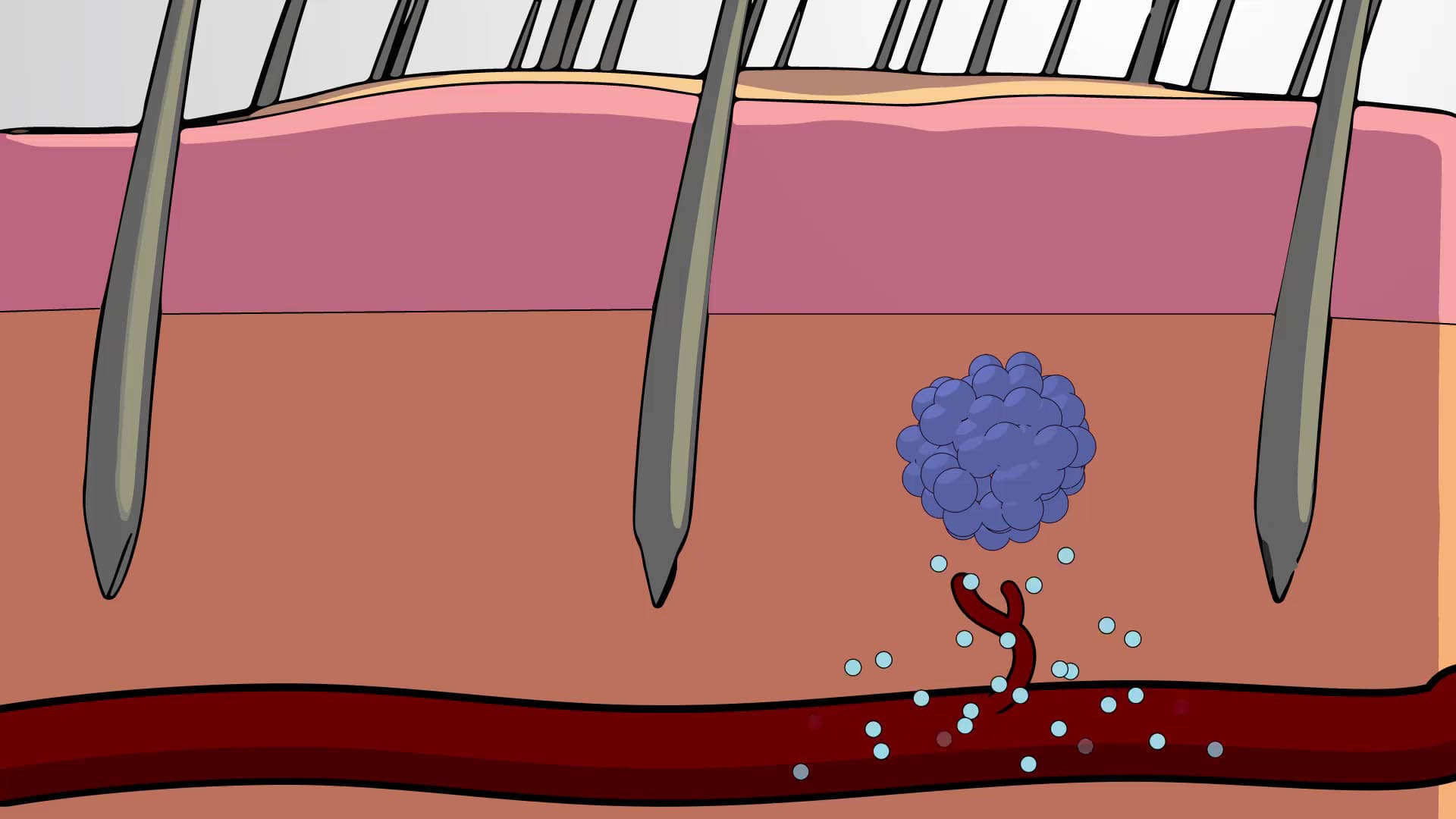
7. Cancer and Cell Cycle Dysregulation: Cancer results from uncontrolled cell division due to mutations in genes regulating the cell cycle. Oncogenes are mutated positive regulators that promote excessive cell division, while tumor suppressor gene mutations remove growth constraints. Cancer cells develop angiogenesis capabilities, forming blood vessels to supply growing tumors with nutrients and oxygen. Metastasis occurs when cancer cells break away from primary tumors and spread throughout the body, accounting for nearly 90% of cancer deaths in the United States. Understanding these mechanisms guides development of targeted therapies used in American cancer treatment centers, from CDK inhibitors to angiogenesis blockers.