Loading video…


 9 Concepts
 1M views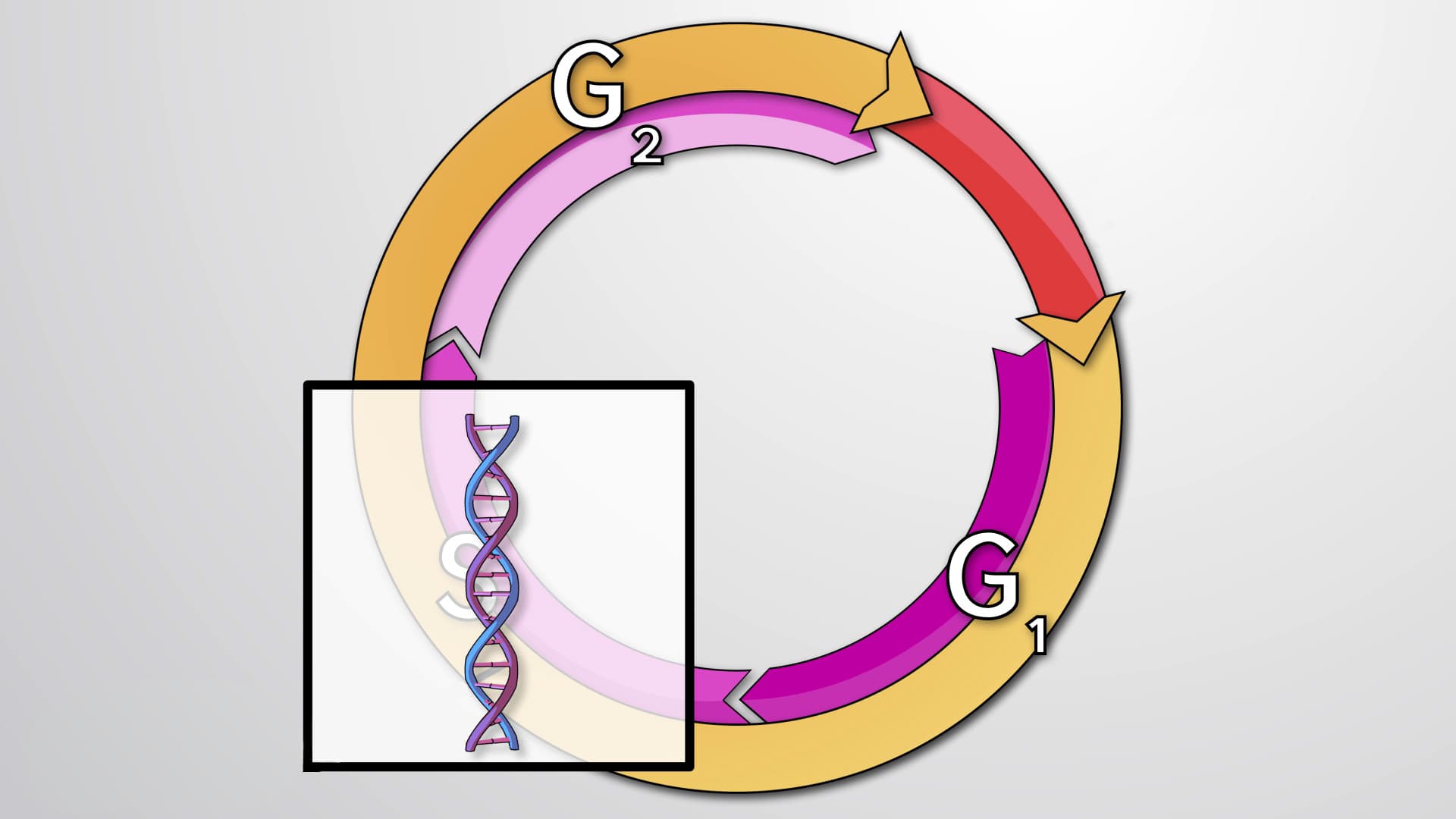

Video Summary: The Cell Cycle Definition
Did you know that your body creates approximately 25 million new cells every second? The cell cycle definition biology encompasses the orderly sequence of growth, DNA replication, and division that enables this remarkable cellular reproduction. From the moment a human zygote forms after fertilization to the continuous tissue repair occurring in aging adults at institutions like the Mayo Clinic, The Cell Cycle Definition governs how single cells become complex multicellular organisms. Watch the full video on JoVE Coach to master this concept with expert-led visuals and step-by-step explanations.
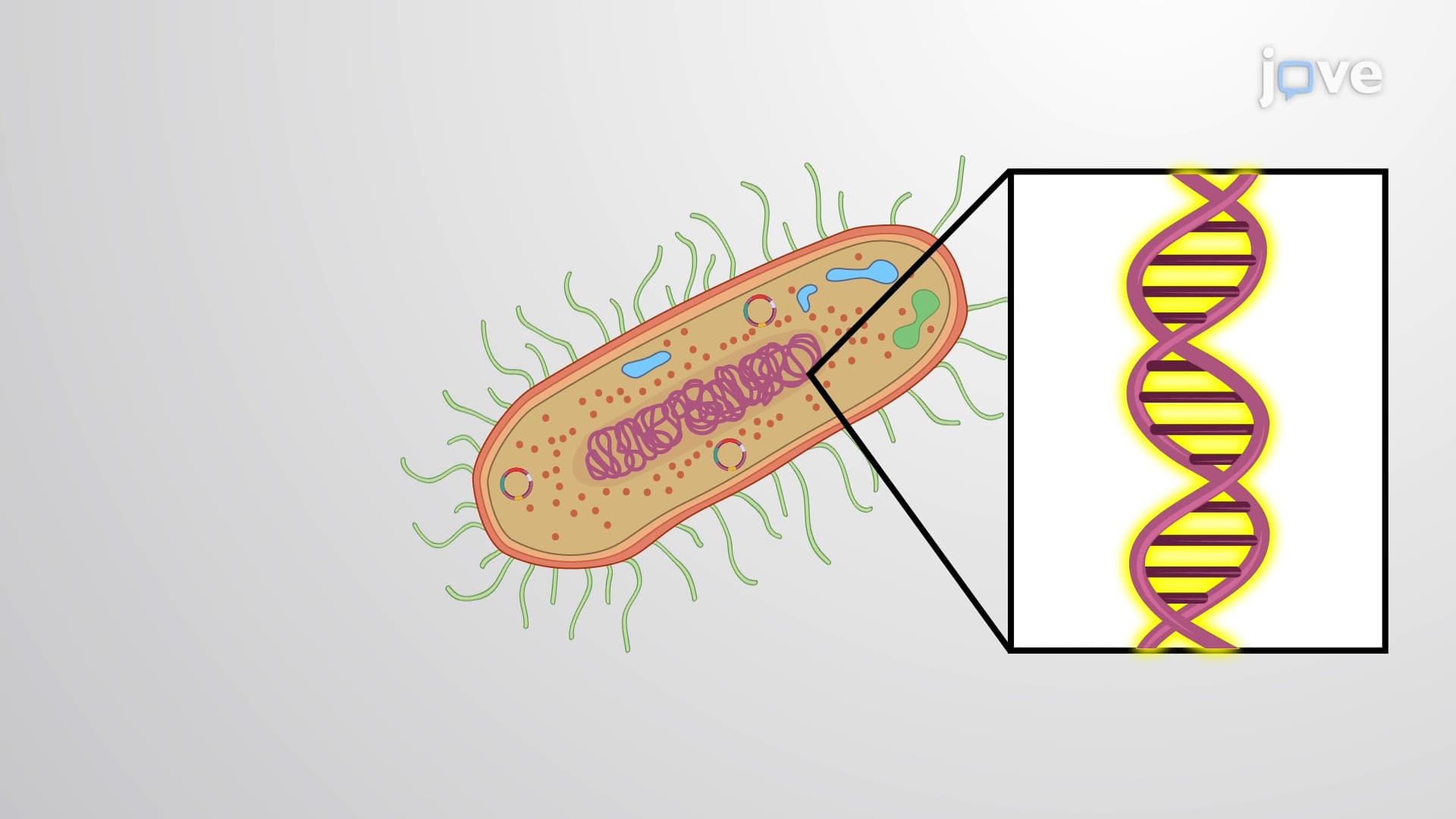
The cell cycle represents one of biology's most fundamental processes, governing how life perpetuates itself through controlled cellular reproduction. This highly regulated sequence ensures that genetic material is accurately duplicated and distributed to daughter cells, maintaining species continuity from bacteria to humans.
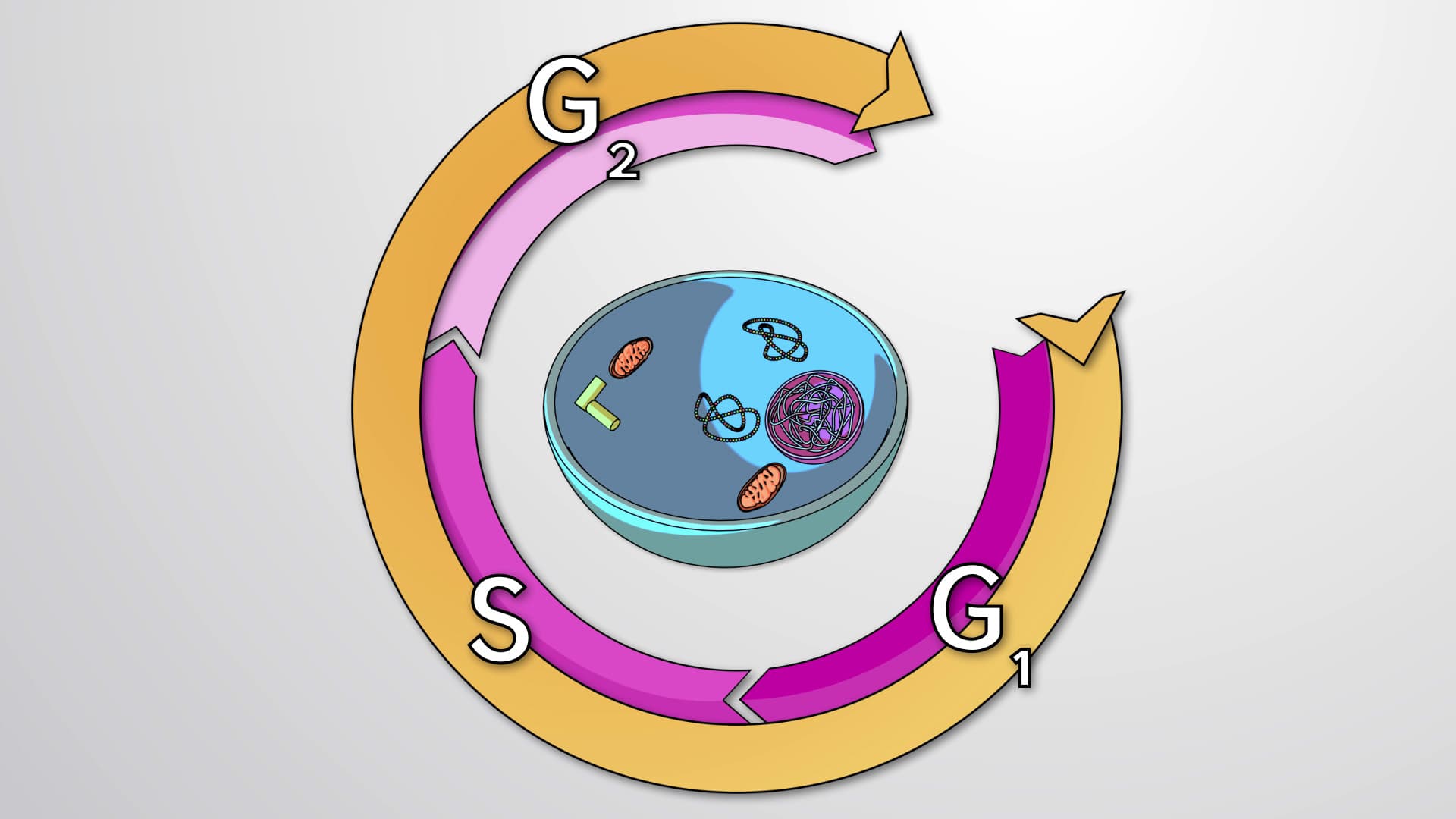
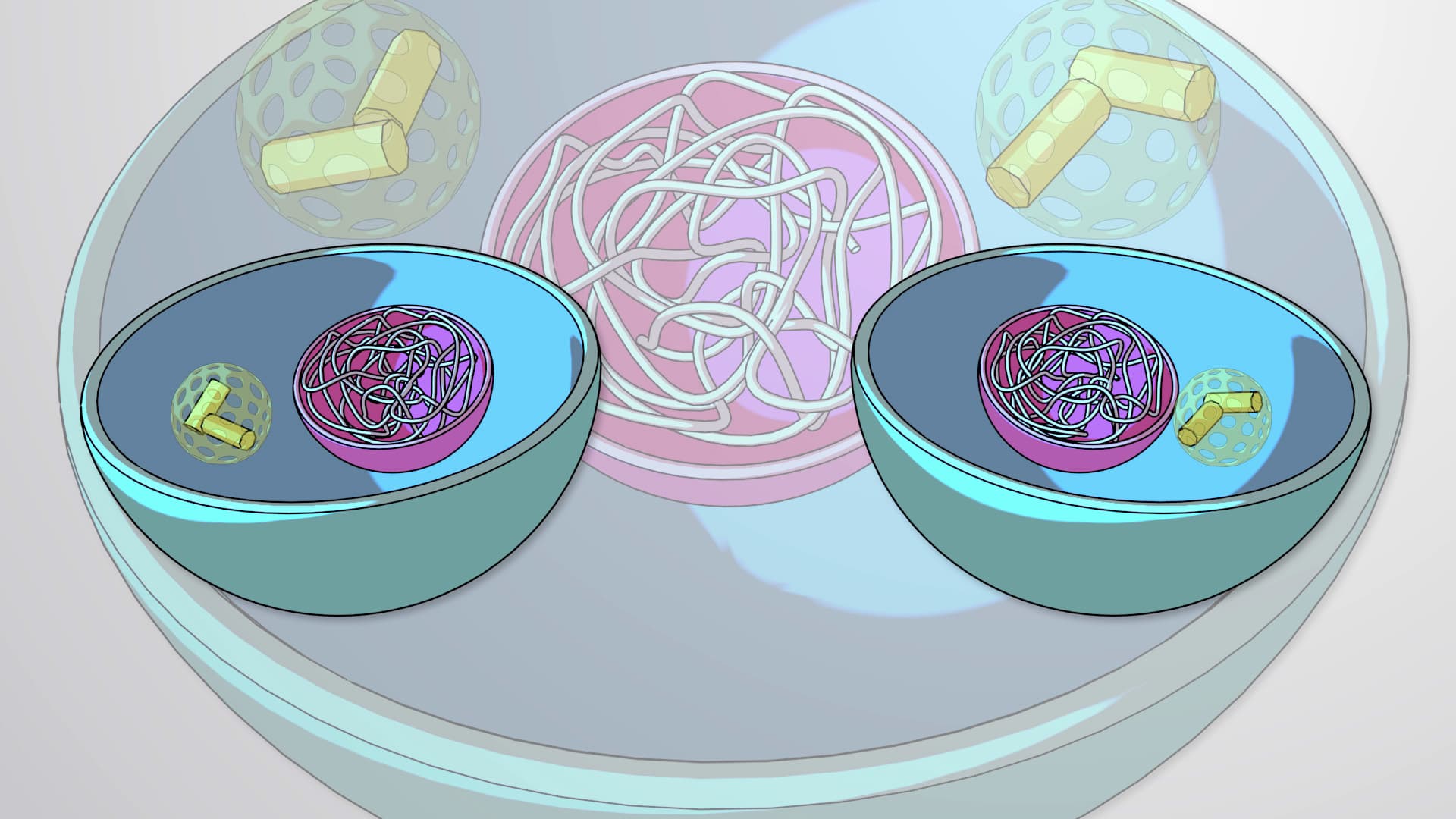
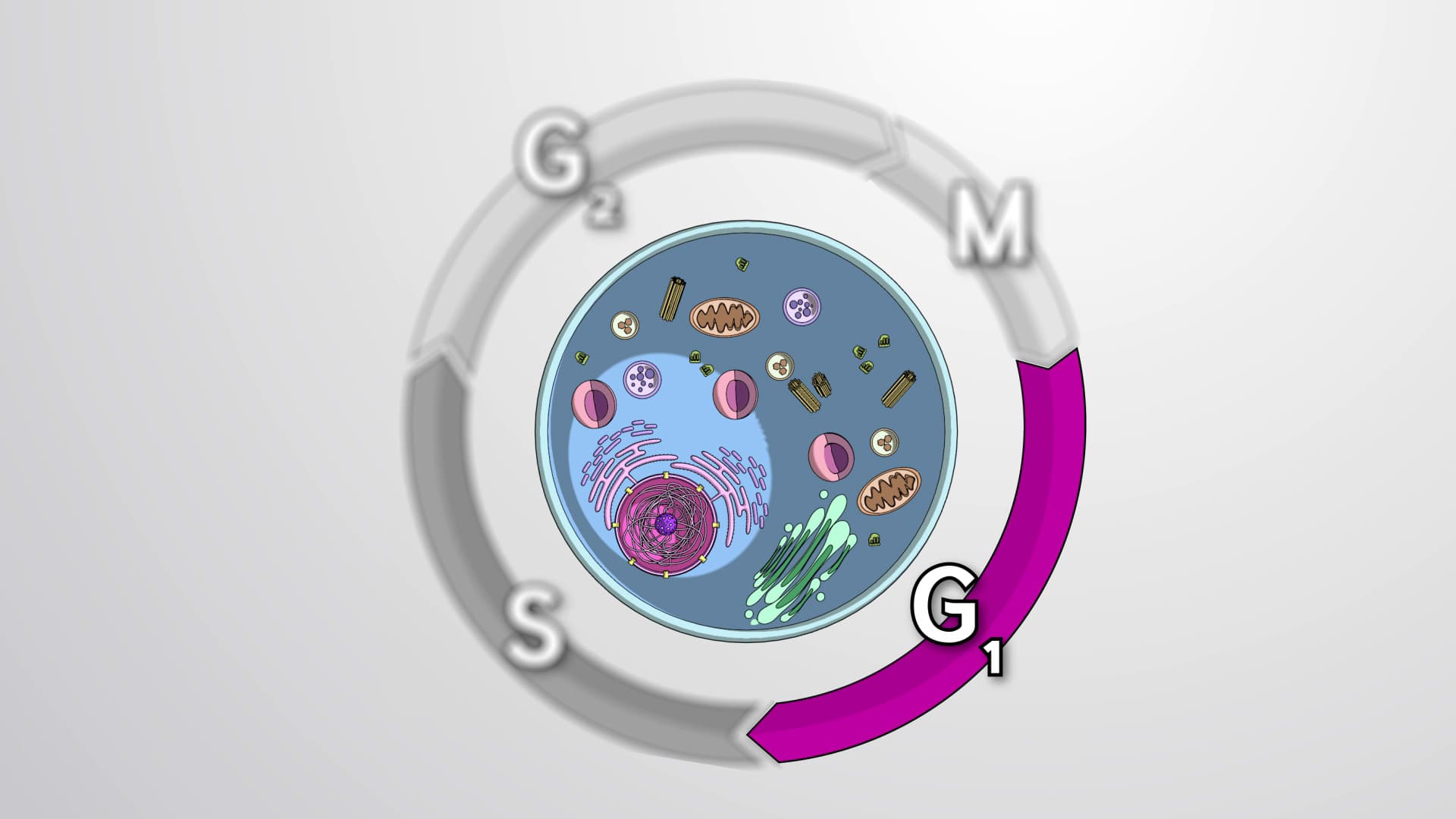
The cell cycle stages follow a precise order: G1 (Gap 1), S (Synthesis), G2 (Gap 2), and M (Mitosis). During G1 phase, cells grow and accumulate nutrients while monitoring environmental conditions. The S phase marks DNA replication, where each chromosome creates an identical copy. G2 phase involves continued growth and protein synthesis, preparing cellular machinery for division. Finally, M phase encompasses mitosis and cytokinesis, physically separating genetic material and cytoplasm into two daughter cells.
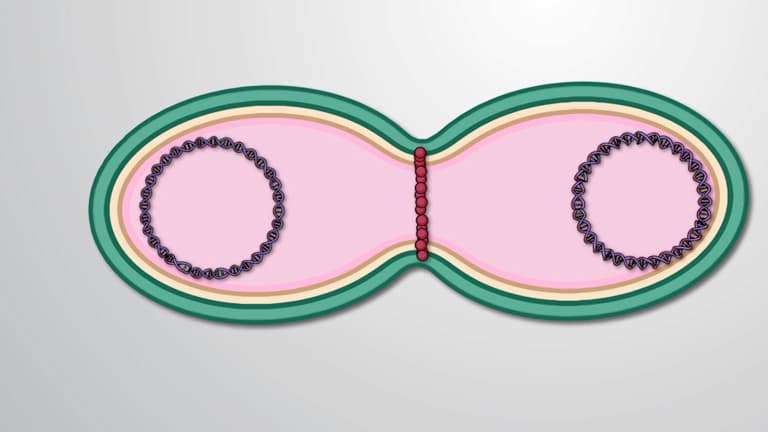
Students preparing for AP Biology or college-level courses should understand that G1, S, and G2 collectively form interphase, comprising roughly 90% of the cell cycle duration. This extended preparation period highlights the complexity of cellular reproduction compared to simple binary fission in prokaryotes.
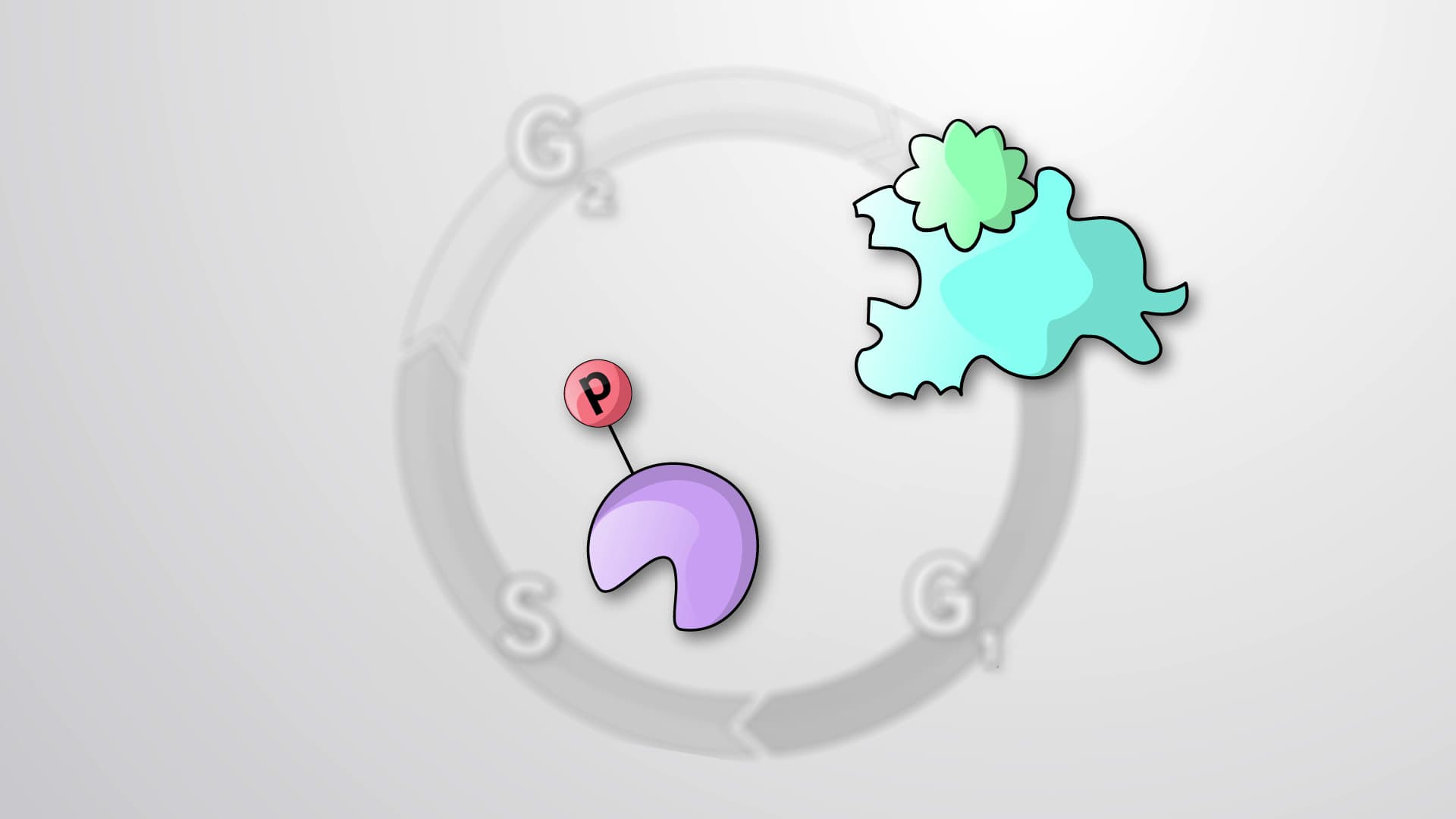
Cell cycle regulation involves sophisticated checkpoint mechanisms that prevent errors during DNA replication and chromosome separation. The G1/S checkpoint ensures DNA integrity before replication begins, while the G2/M checkpoint verifies successful DNA synthesis before mitosis. The spindle checkpoint during M phase confirms proper chromosome attachment before separation.
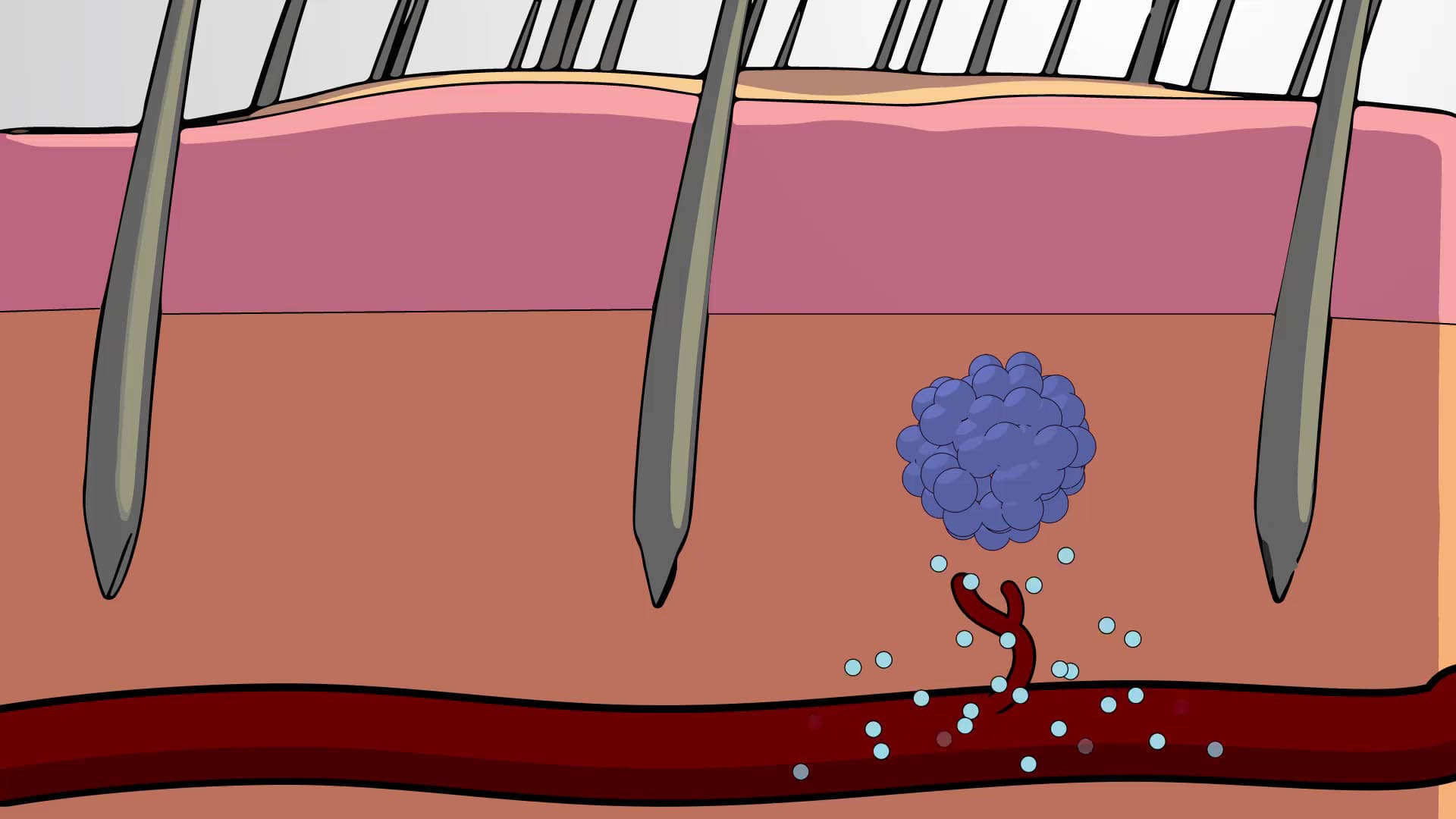
Cancer research at institutions like the National Cancer Institute has revealed that mutations in cell cycle control genes, such as p53 and retinoblastoma (Rb), can disable these checkpoints. When cells bypass normal regulation, they divide uncontrollably, forming tumors that characterize various cancer types affecting millions of Americans annually.
Understanding cell cycle mechanisms proves essential for medical professionals and researchers. Chemotherapy drugs often target rapidly dividing cancer cells by disrupting specific cell cycle phases. For example, 5-fluorouracil interferes with DNA synthesis during S phase, while taxanes prevent proper spindle formation during mitosis.
MCAT students should recognize how cell cycle knowledge applies to clinical scenarios, including wound healing, tissue regeneration, and cancer treatment strategies used in major medical centers throughout the United States.
Related Micro-courses