8 Concepts
21 Concepts
9 Concepts
16 Concepts
16 Concepts
14 Concepts
15 Concepts
14 Concepts
7 Concepts
9 Concepts
5 Concepts
19 Concepts
13 Concepts
12 Concepts
15 Concepts
7 Concepts
8 Concepts
11 Concepts
12 Concepts
11 Concepts
6 Concepts
8 Concepts
8 Concepts
9 Concepts
8 Concepts
10 Concepts
12 Concepts
12 Concepts
11 Concepts
5 Concepts
4 Concepts
5 Concepts
7 Concepts
21 Concepts
7 Concepts
8 Concepts
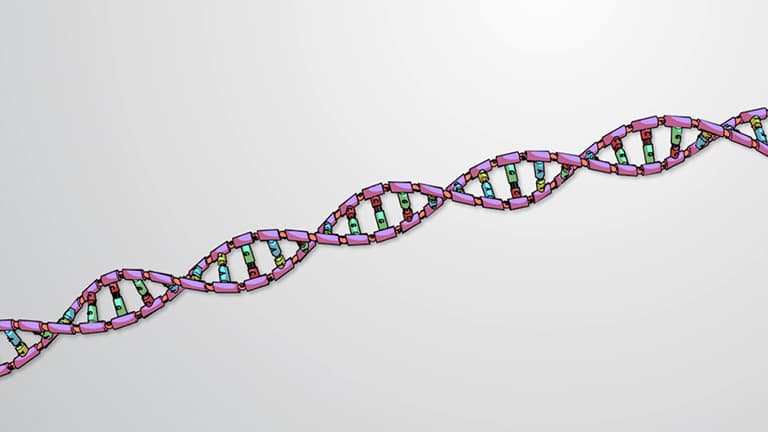
DNA structure and function forms the foundation of molecular biology, encompassing the double helix structure DNA with its nucleotide base pairs (adenine, thymine, guanine, cytosine) that encode genetic information. This comprehensive course explores DNA replication basics, transcription, translation, and repair mechanisms essential for understanding heredity and cellular processes. Students examine real-world applications including genetic testing, forensic analysis, and biotechnology innovations used across US healthcare and research institutions, making complex molecular concepts accessible through JoVE Coach.
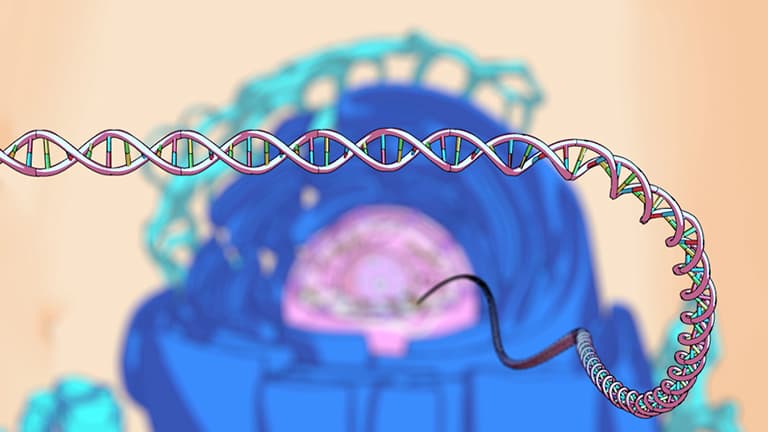
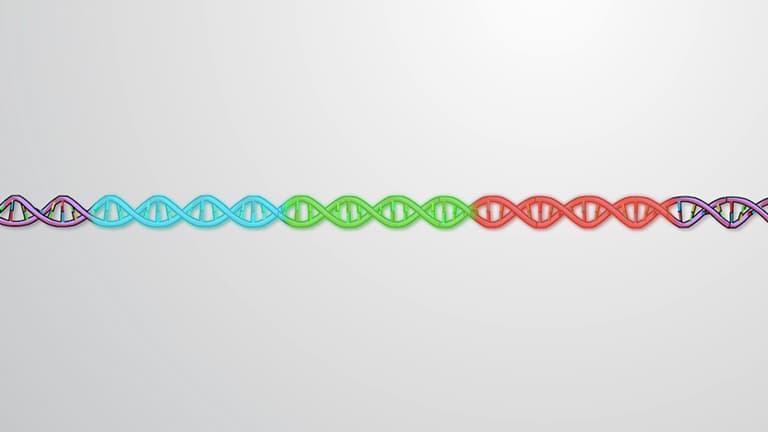
1. Double Helix Structure and Base Pairing: The Watson-Crick model reveals DNA as a double helix with antiparallel strands connected by specific nucleotide base pairs - adenine with thymine and guanine with cytosine. This structure, discovered at Cambridge University, creates major and minor grooves essential for protein binding. The complementary base pairing enables accurate DNA replication and serves as the foundation for genetic information storage. Understanding this structure is crucial for forensic DNA analysis used by the FBI and genetic testing performed at institutions like Johns Hopkins Hospital.
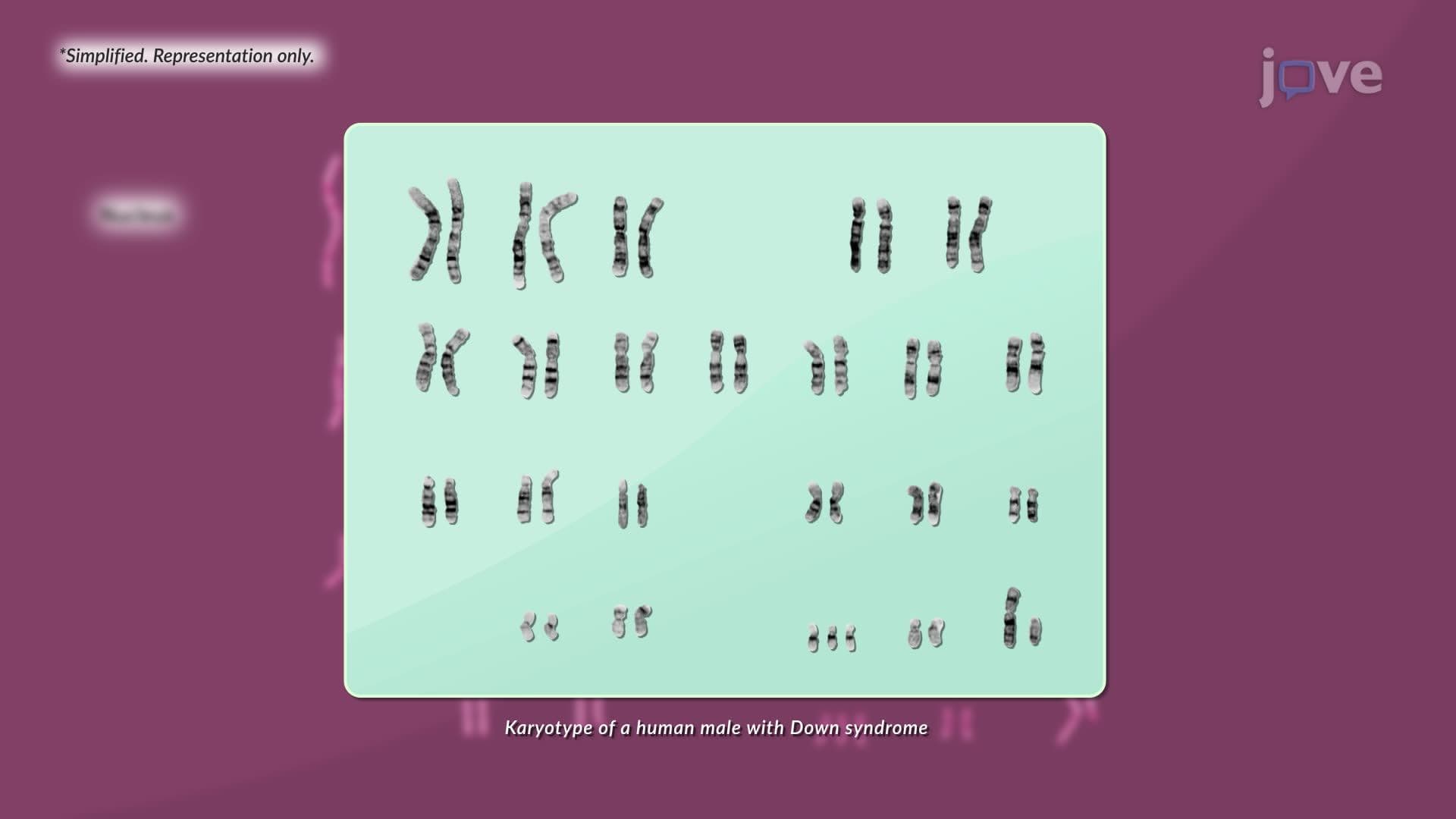
2. DNA Packaging and Chromosome Organization: DNA packaging involves multiple levels of organization, from nucleosome formation around histone proteins to chromatin condensation into visible chromosomes. This process allows approximately 6 feet of DNA to fit within a microscopic cell nucleus while maintaining accessibility for cellular processes. Chromatin remodeling affects gene expression patterns and is targeted by cancer therapies developed at centers like Memorial Sloan Kettering. Karyotyping techniques visualize this organization, enabling detection of chromosomal abnormalities such as Down syndrome in clinical genetics laboratories across the US.
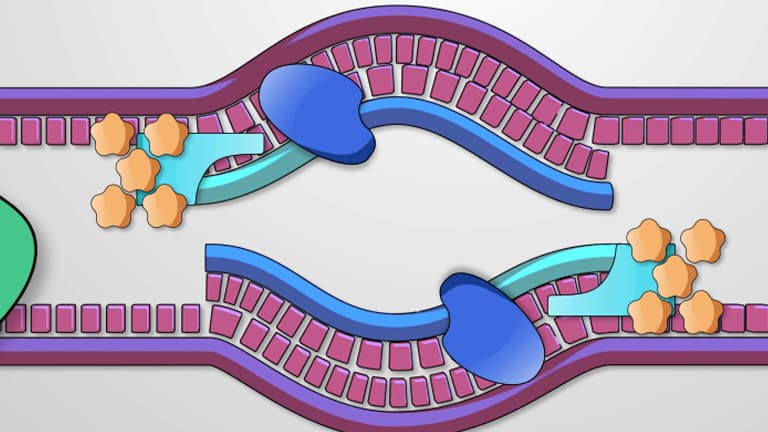
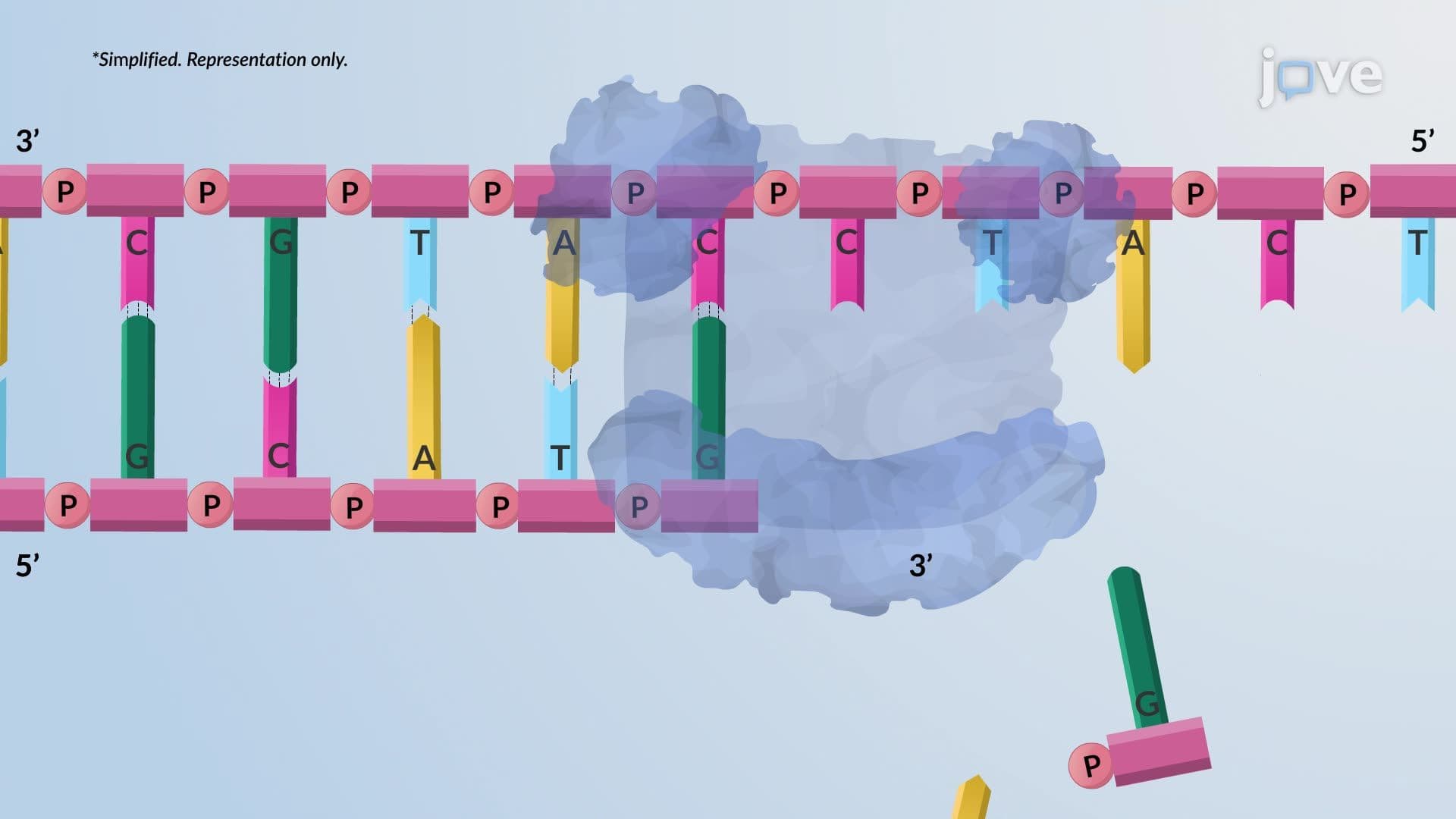
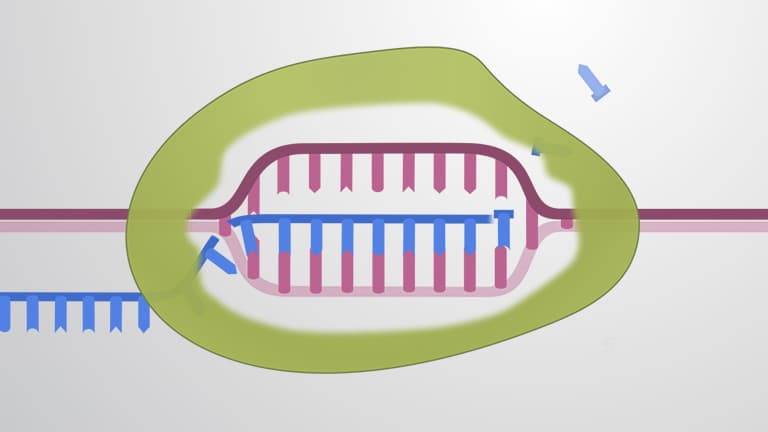
3. DNA Replication Mechanisms: DNA replication occurs through semiconservative replication, where each new DNA molecule contains one original and one newly synthesized strand. Prokaryotic replication begins at a single origin (oriC), while eukaryotic cells use multiple replication origins to efficiently copy large genomes. Key enzymes include DNA polymerase, helicase, and ligase, working together in the replisome complex. This process is fundamental to cell division and is exploited in PCR technology used in research laboratories from MIT to Stanford University for DNA amplification and analysis.
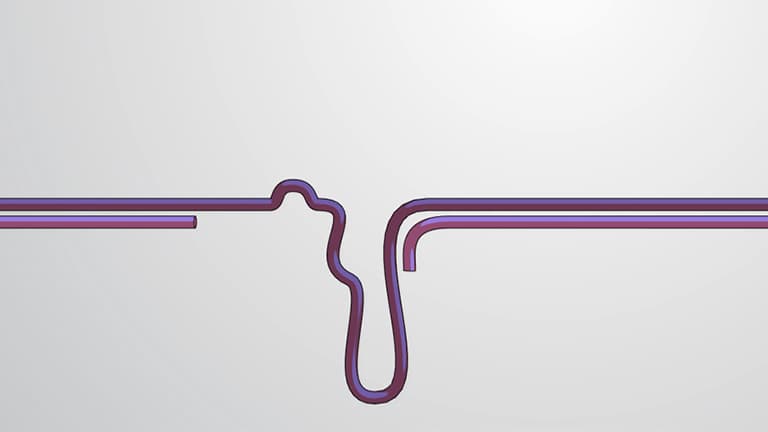
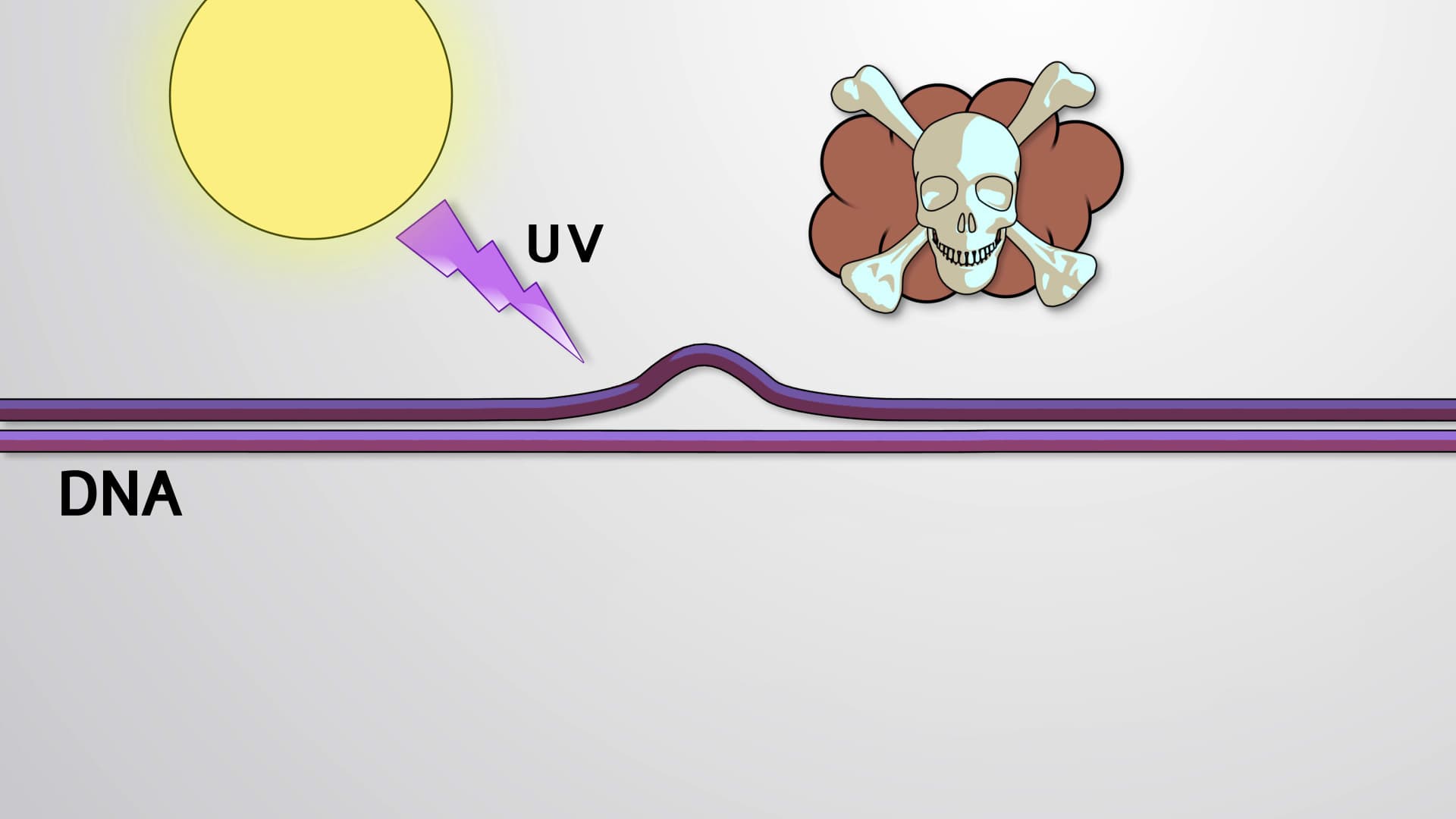
4. DNA Repair and Quality Control: Multiple repair mechanisms maintain genomic integrity, including proofreading during replication, mismatch repair, and nucleotide excision repair. Proofreading reduces replication errors from 1 in 10,000 to 1 in 10 million nucleotides. Mismatch repair defects cause Lynch syndrome, leading to increased colorectal cancer risk. Nucleotide excision repair removes UV-induced thymine dimers, with defects causing xeroderma pigmentosum. These mechanisms are studied extensively at cancer research centers like MD Anderson, informing treatment strategies for DNA repair-deficient cancers.
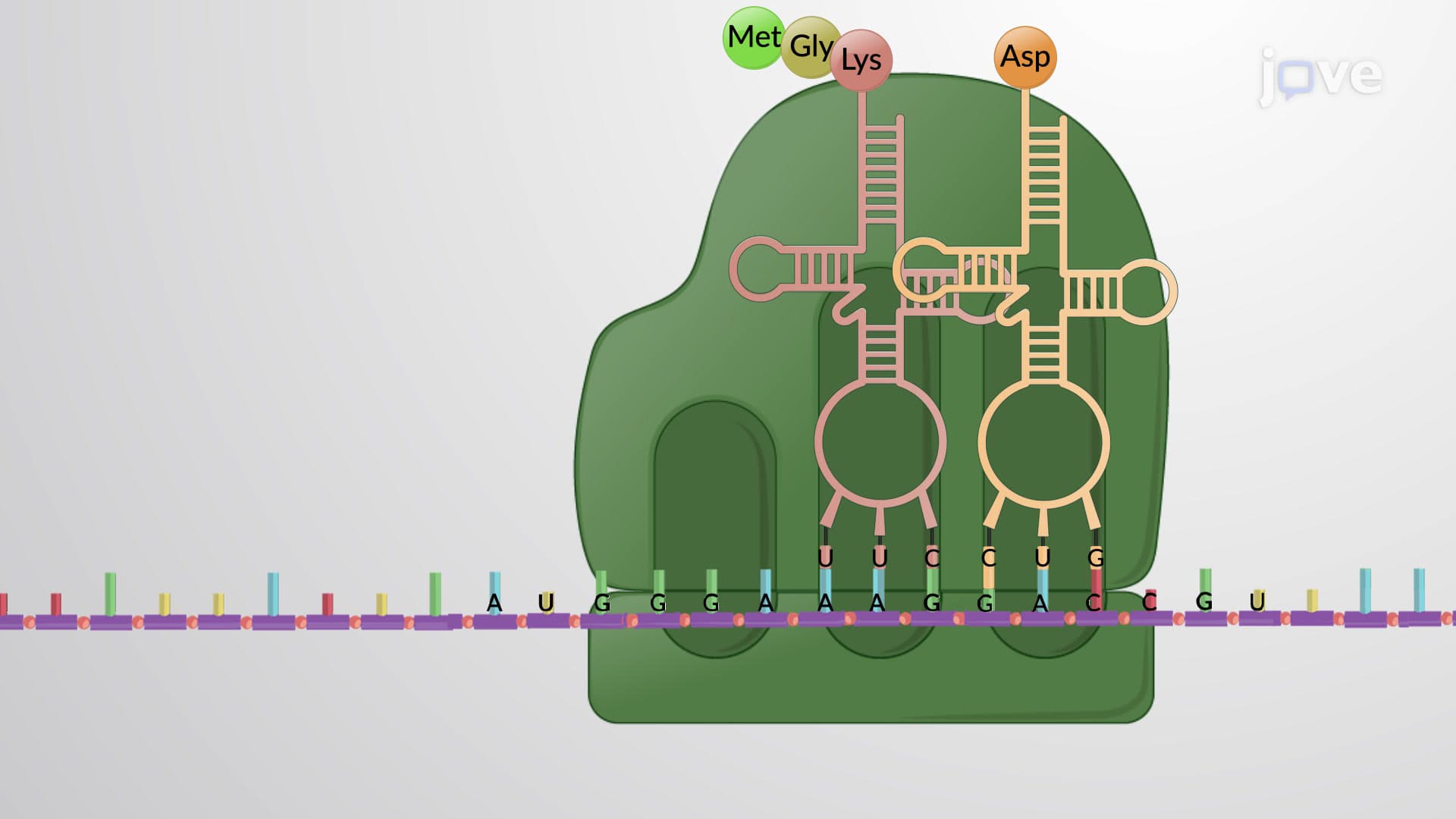
5. Gene Expression: Transcription and Translation: Transcription converts DNA information into RNA through RNA polymerase action, while translation synthesizes proteins from mRNA templates using ribosomes. These processes transform genetic information into functional cellular components, with regulation occurring at multiple levels. Understanding these mechanisms is essential for biotechnology applications, including recombinant protein production used by pharmaceutical companies like Genentech and gene therapy research conducted at institutions such as the National Institutes of Health.
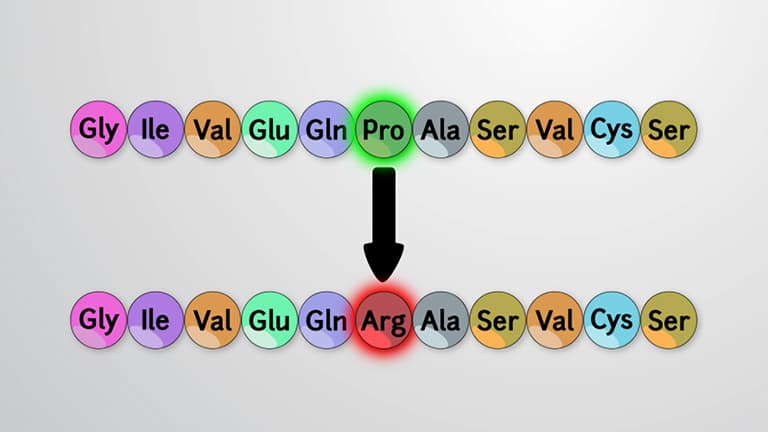
6. Mutations and Genetic Variation: Mutations range from single nucleotide changes to large chromosomal rearrangements, affecting genetic information transmission. Point mutations can cause diseases like sickle cell anemia, while chromosomal mutations may lead to cancer development. Some mutations provide evolutionary advantages, contributing to genetic diversity. Understanding mutation mechanisms is crucial for genetic counseling services offered at medical centers nationwide and for developing targeted cancer therapies based on tumor mutation profiles analyzed in precision medicine programs.