Loading video…


 13 Concepts
 1.3M views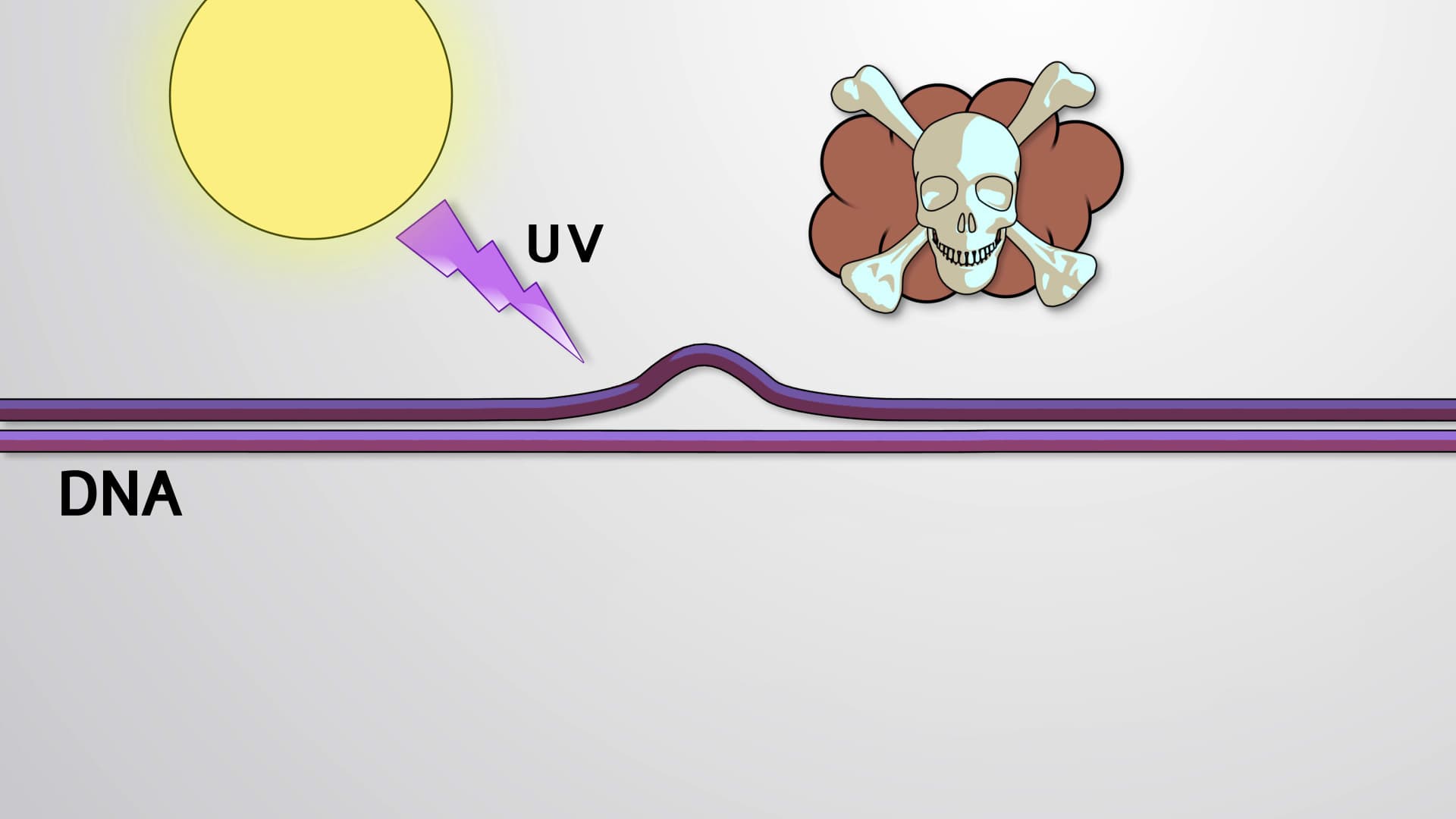

Video Summary: What Is Nucleotide Excision Repair
Every time you step outside on a sunny day, UV radiation bombards your skin cells and damages DNA-yet your body has an incredible molecular repair system working 24/7 to fix this damage. Nucleotide excision repair is the cellular process that detects and removes bulky DNA lesions caused by UV light and chemical carcinogens, like those found in cigarette smoke. Consider skin cancer rates in sunny states like Arizona and Florida, where this repair mechanism works overtime to protect against DNA damage. Understanding what is nucleotide excision repair reveals how our cells maintain genetic integrity despite constant environmental threats. Watch the full video on JoVE Coach to master this concept with expert-led visuals and step-by-step explanations.
Nucleotide excision repair represents one of the most sophisticated and versatile DNA repair mechanisms in living cells. Unlike simple point mutations that affect single nucleotides, this system specifically targets bulky DNA lesions that cause significant structural distortions to the DNA double helix. These distortions can result from exposure to ultraviolet radiation-particularly UV-B rays that penetrate the atmosphere and reach Earth's surface-or from chemical mutagens like those found in tobacco smoke, industrial pollutants, and certain chemotherapy drugs.
The repair process demonstrates remarkable molecular precision, involving a coordinated series of enzymatic steps that must occur in perfect sequence. In prokaryotes like *E. coli*, the UvrABC system serves as the primary nucleotide excision repair pathway, while eukaryotic cells employ more complex machinery involving over 30 different proteins.
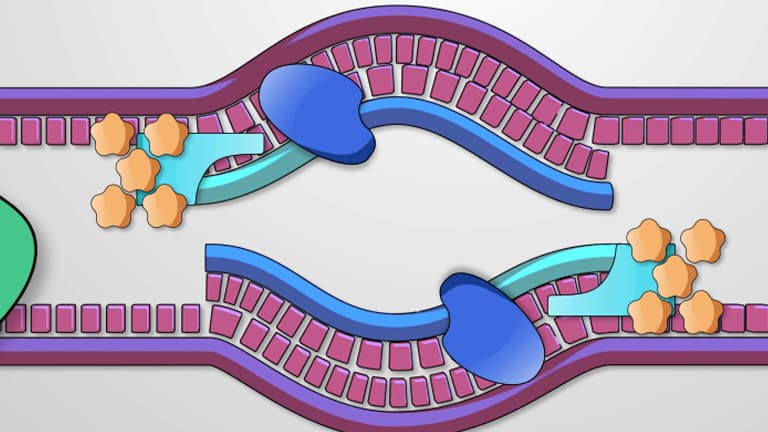
The nucleotide excision repair pathway begins with damage recognition, where specialized enzyme complexes patrol the DNA continuously, scanning for structural abnormalities. In bacteria, the UvrA and UvrB proteins form a complex that moves along the DNA molecule, detecting areas where the normal geometry has been disrupted by bulky lesions.
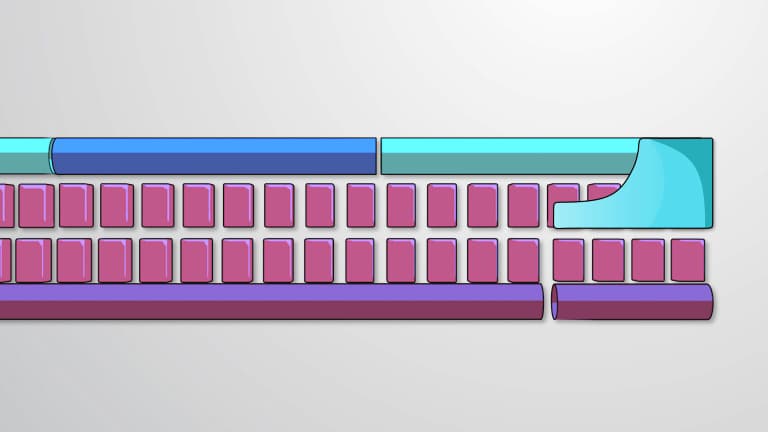
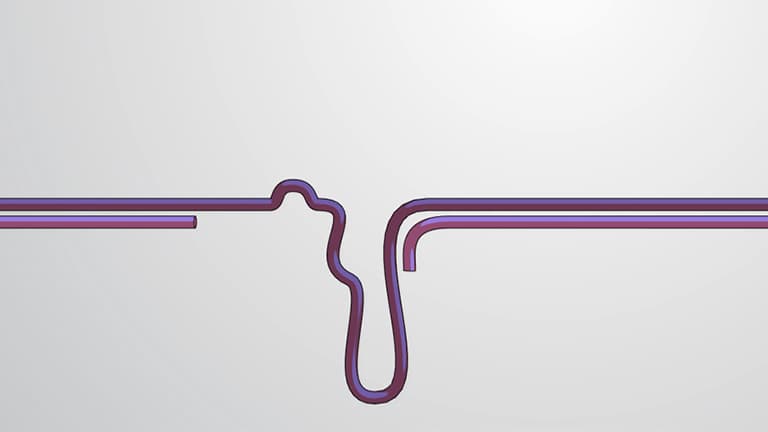
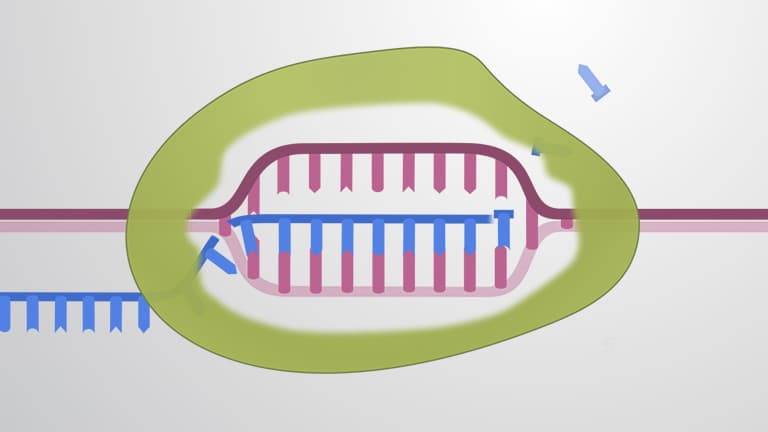
Once damage is detected, the repair machinery springs into action with surgical precision. The UvrB protein helps separate the DNA strands at the damage site, while UvrC endonuclease makes precise cuts on both sides of the lesion-typically removing a segment of 12-13 nucleotides in bacteria or 24-32 nucleotides in humans. DNA helicase then removes the damaged segment, creating a single-strand gap that serves as a template for repair.
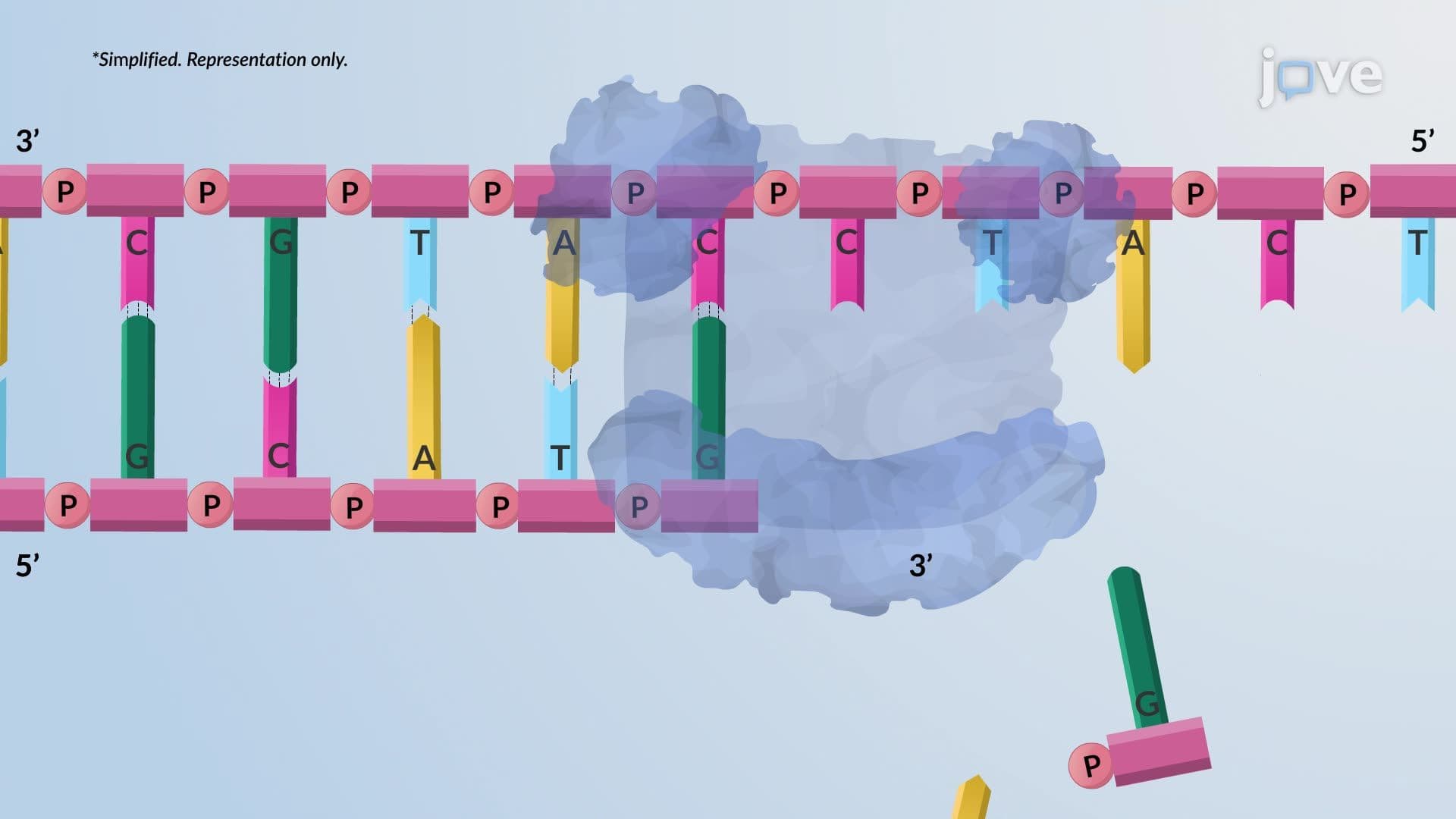
The final restoration phase involves DNA polymerase filling the gap with new nucleotides, using the undamaged complementary strand as a template to ensure accuracy. DNA ligase completes the process by sealing the junction between the newly synthesized DNA and the existing strand, restoring the molecule to its original integrity.
Understanding nucleotide excision repair has profound implications for medical practice and public health in the United States. Patients with xeroderma pigmentosum, a rare genetic disorder affecting approximately 1 in 250,000 Americans, have defective nucleotide excision repair systems. These individuals face a 1,000-fold increased risk of skin cancer and must avoid all UV exposure, highlighting the critical importance of this repair mechanism.
This knowledge directly applies to standardized exams including the MCAT, where students encounter questions about DNA repair mechanisms, and AP Biology courses that cover cellular processes. Medical students preparing for the USMLE frequently see clinical vignettes involving DNA repair disorders, while nursing students taking the NCLEX may encounter questions about cancer prevention and UV protection counseling.
Related Micro-courses