Loading video…

 13 Concepts
 1.3M views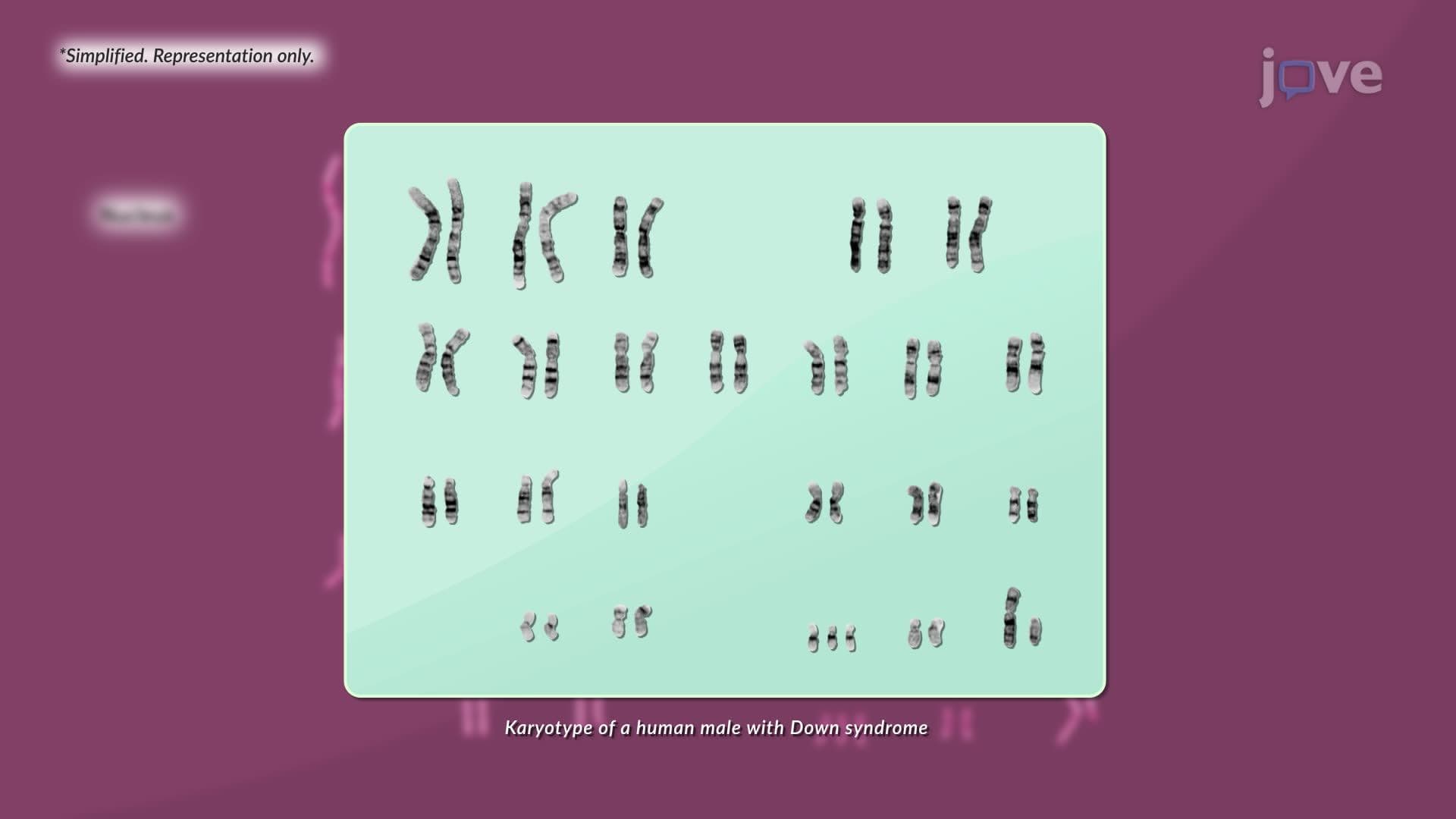

Video Summary: What Is Karyotyping
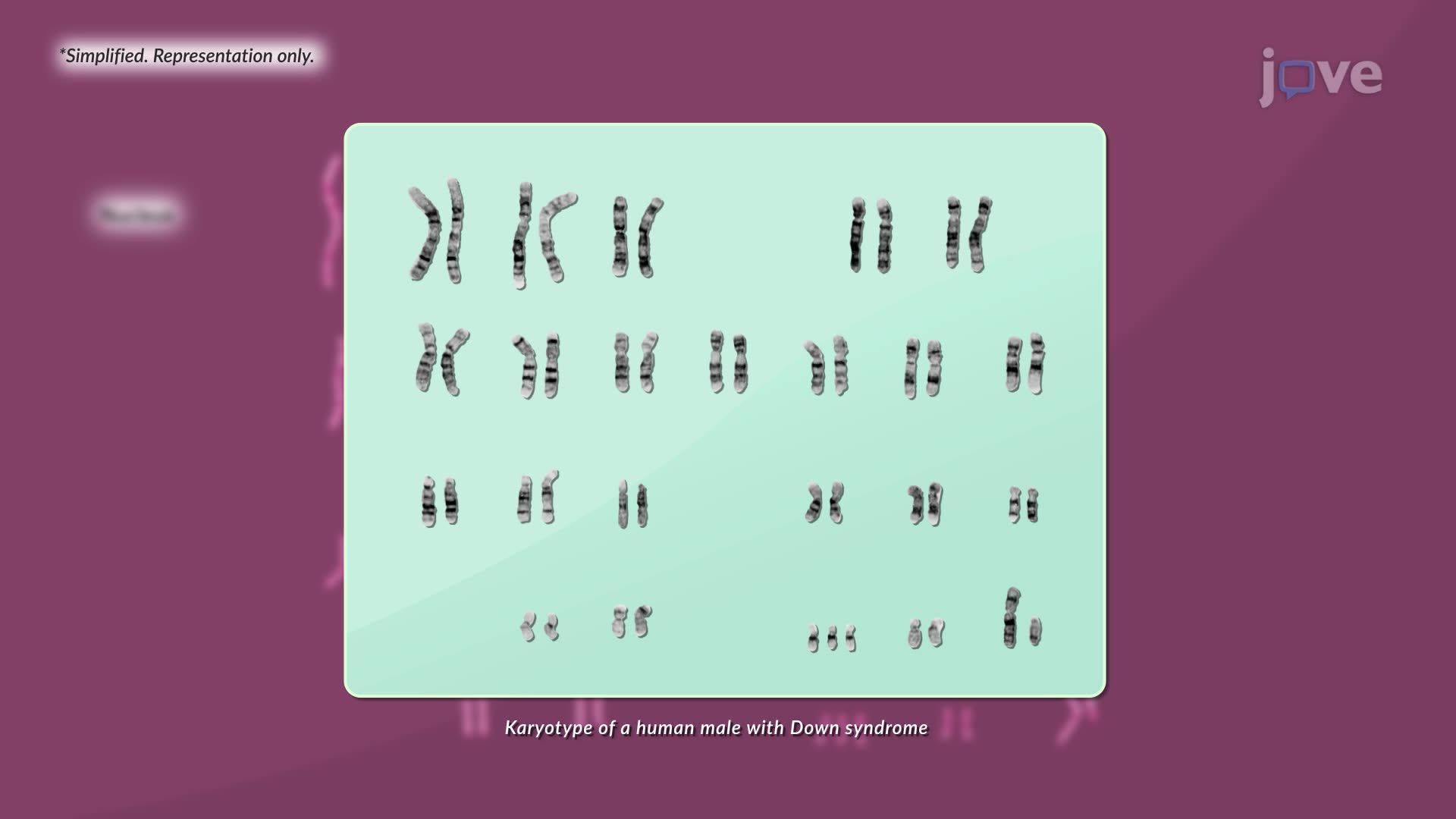
Did you know that doctors at Johns Hopkins can detect Down syndrome before birth by examining chromosome "barcodes"? Karyotyping reveals these distinctive patterns by organizing a cell's complete chromosome set into a visual map called a karyogram. This powerful genetic tool helps medical professionals at major US hospitals identify chromosomal abnormalities that cause conditions like Turner syndrome or Klinefelter syndrome. Watch the full video on JoVE Coach to master this concept with expert-led visuals and step-by-step explanations.
Karyotyping represents one of cytogenetics' most fundamental techniques, providing a comprehensive visual snapshot of an organism's complete chromosome complement. This process transforms the chaotic tangle of cellular DNA into an organized, analyzable format that reveals critical genetic information. For students preparing for AP Biology or college genetics courses, mastering karyotyping concepts proves essential for understanding heredity, genetic disorders, and modern medical diagnostics.
The karyotyping procedure begins when cells undergo mitosis, causing chromosomes to condense into their most compact, visible form. Laboratory technicians at facilities like the Mayo Clinic use specialized Giemsa staining to create distinctive banding patterns across each chromosome. These bands function like molecular barcodes, with light and dark regions corresponding to different DNA compositions and gene densities.
Human karyotypes follow a standardized arrangement: chromosomes 1 through 22 (autosomes) organized by decreasing size, plus the 23rd pair containing sex chromosomes (XX for females, XY for males). This systematic organization enables geneticists to quickly identify missing, extra, or structurally abnormal chromosomes that cause conditions like Down syndrome (trisomy 21) or Edwards syndrome (trisomy 18).
Each chromosome contains a constricted centromere region that divides it into two arms. The shorter arm receives the designation "p" (from the French "petite"), while the longer arm uses "q" (representing "queue"). This standardized nomenclature allows precise gene localization using cytogenetic coordinates. For example, the CFTR gene associated with cystic fibrosis maps to location 7q31.2, indicating chromosome 7's long arm, region 3, band 1, sub-band 2.
Karyotyping serves crucial diagnostic functions in US healthcare systems. Prenatal genetic counselors use amniocentesis or chorionic villus sampling to obtain fetal cells for karyotype analysis, detecting chromosomal abnormalities early in pregnancy. Oncologists employ karyotyping to identify cancer-associated chromosomal changes, while fertility specialists investigate chromosomal causes of recurrent miscarriages. These applications make karyotyping knowledge valuable for MCAT preparation and medical school coursework.
Related Micro-courses