Loading concepts…


14 Concepts
8 Concepts
14 Concepts
10 Concepts
8 Concepts
5 Concepts
12 Concepts
4 Concepts
8 Concepts
7 Concepts
15 Concepts
 14 Concepts
 1.1K Views
 Popular topics






Mathematics foundations encompass the essential building blocks that underpin all advanced mathematical study. This comprehensive course through JoVE Coach covers the real number system, algebraic operations, equation solving, and mathematical modeling techniques crucial for success in US high school curricula, standardized tests, and college-level mathematics courses.
1. Real Number Classification and Properties The real number system forms the foundation of all mathematical calculations, encompassing natural numbers (1, 2, 3...), whole numbers (including zero), integers (positive and negative whole numbers), rational numbers (expressible as fractions), and irrational numbers (non-repeating, non-terminating decimals like √2). Understanding these classifications helps students recognize which operations are valid and how different number types behave. For example, when calculating mortgage payments or analyzing population growth rates, recognizing whether results should be rational or might involve irrational components guides proper mathematical reasoning and real-world application accuracy.
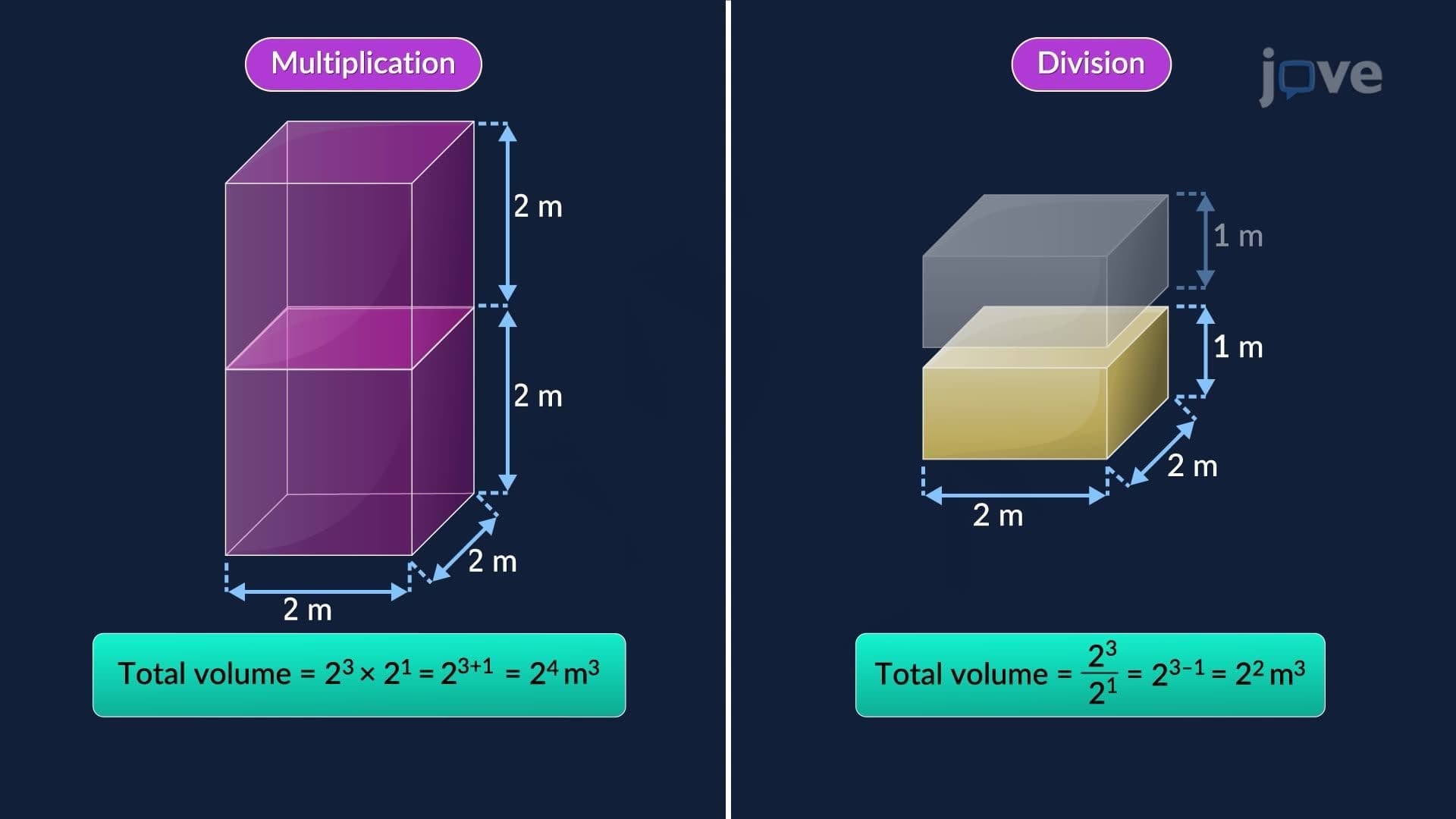
2. Exponent Rules and Scientific Notation Exponent operations follow consistent rules essential for algebraic manipulation and scientific calculations. When multiplying powers with the same base, exponents add; when dividing, exponents subtract; and when raising a power to another power, exponents multiply. These principles apply directly to scientific notation used in fields like astronomy (Earth's diameter: 1.28 × 10⁷ meters) and biology (red blood cell diameter: 7.5 × 10⁻⁶ meters). Mastering exponent rules enables students to handle complex calculations in chemistry, physics, and engineering applications while maintaining accuracy across vastly different scales of measurement.
3. Radical Operations and Simplification Radicals represent inverse operations to exponents, with the index indicating which root to find. Square roots (index 2) are most common, but cube roots (index 3) and higher-order roots frequently appear in geometry and physics problems. Key simplification rules include: the root of a product equals the product of roots, and the root of a quotient equals the quotient of roots. These concepts apply when calculating dimensions of geometric shapes, determining velocities in physics problems, or analyzing statistical standard deviations in data analysis courses.
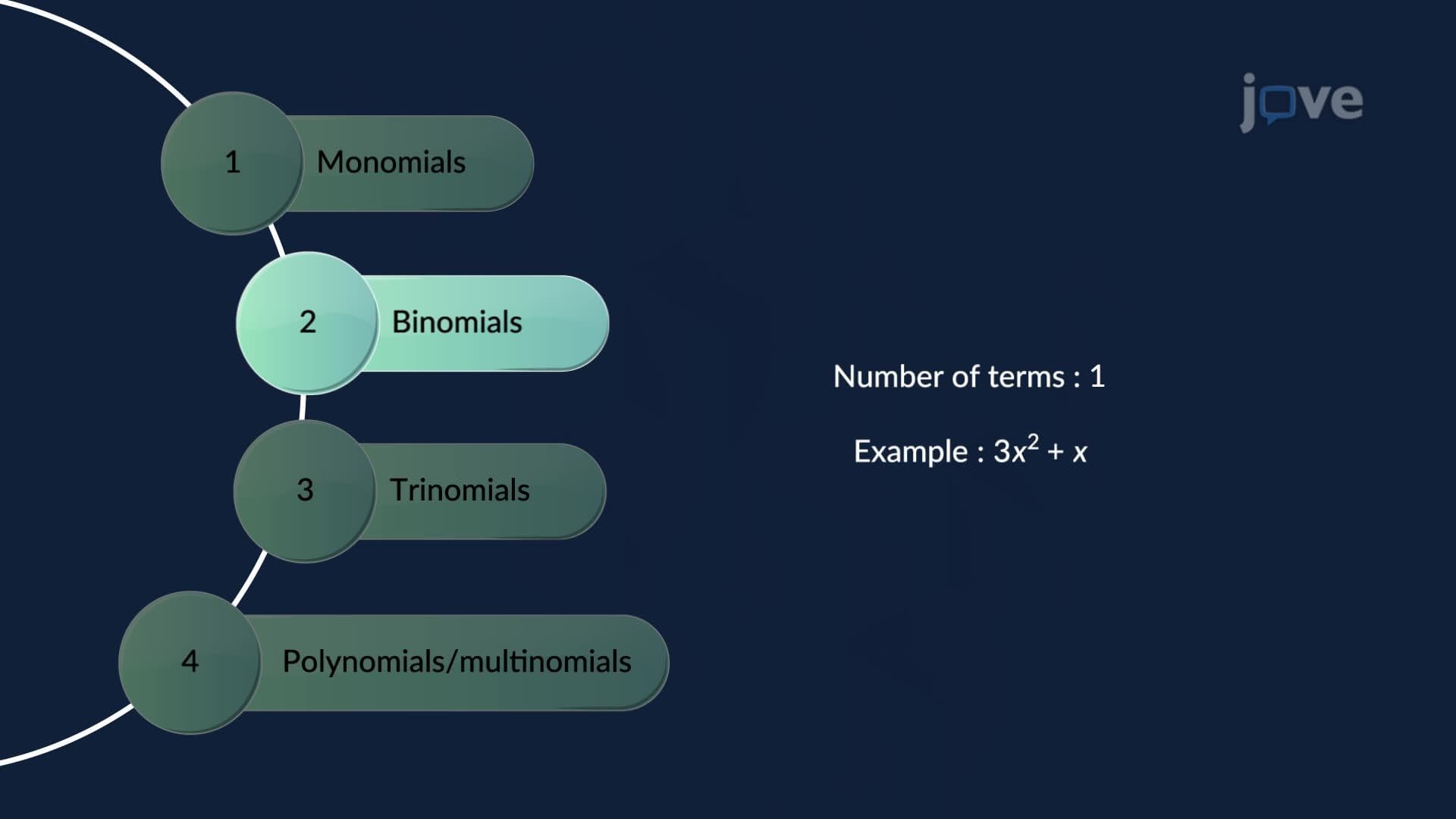
4. Algebraic Expression Manipulation Algebraic expressions combine variables, constants, and operations to represent mathematical relationships. Classification includes monomials (one term), binomials (two terms), and polynomials (multiple terms). Operations follow arithmetic rules: like terms combine through addition and subtraction, while multiplication uses the distributive property. These skills prove essential in economics when modeling supply and demand curves, in business when calculating profit functions, and in science when expressing relationships between variables like pressure and volume in gas law equations.
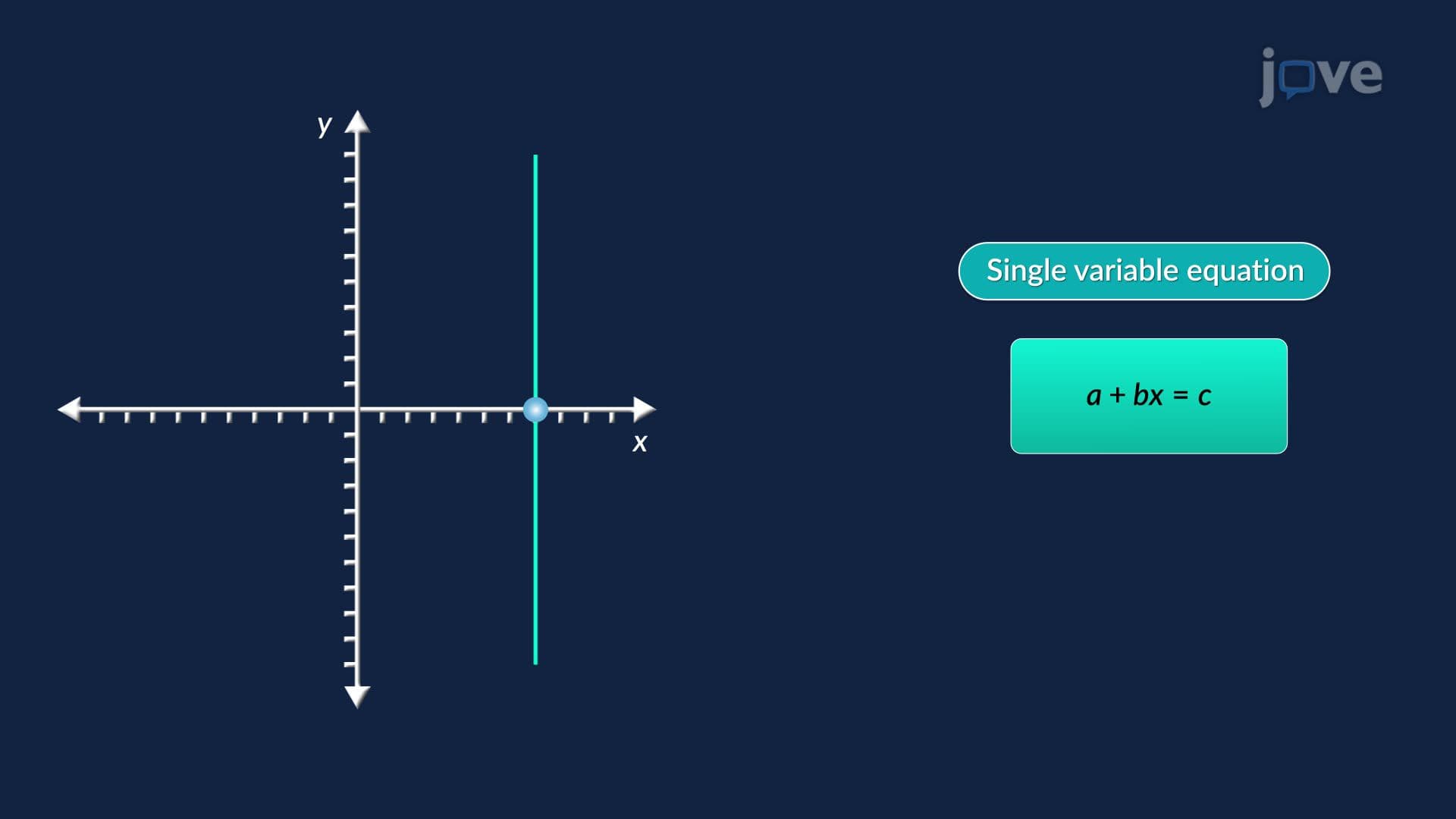
5. Linear and Quadratic Equation Solving Linear equations represent straight-line relationships and solve through isolation techniques, while quadratic equations involve squared terms requiring factoring, completing the square, or the quadratic formula. These methods apply extensively in real-world scenarios: linear equations model taxi fare structures (flat fee plus per-mile charges), while quadratic equations optimize rectangular garden dimensions given perimeter and area constraints. Understanding multiple solution methods provides flexibility when tackling standardized test questions and ensures students can verify answers through alternative approaches.
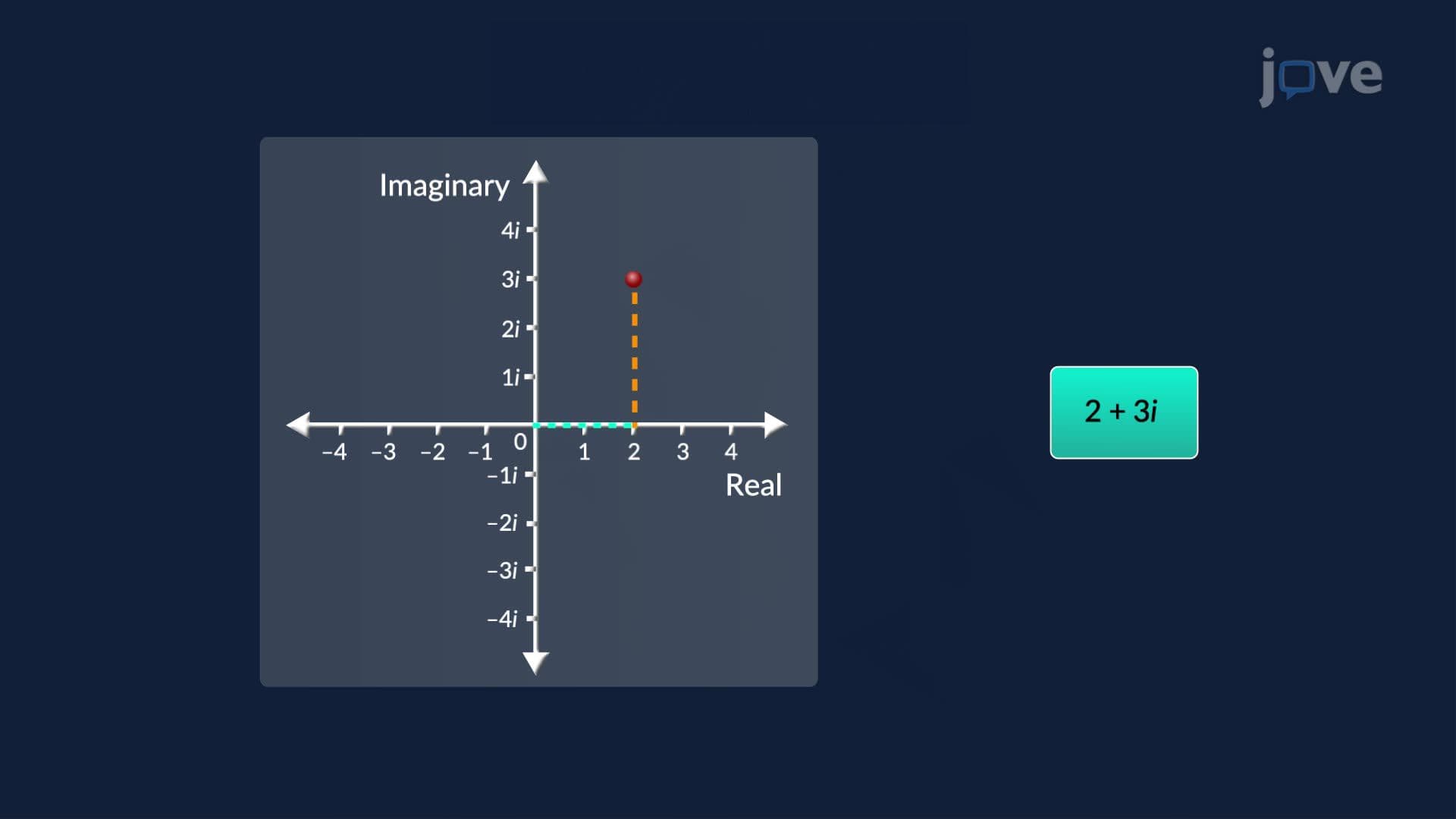
6. Complex Number System and Operations Complex numbers extend the real number system to include solutions involving square roots of negative numbers, using the imaginary unit i = √(-1). Operations include addition (combining real and imaginary parts separately), multiplication (using distributive property with i² = -1), and division (multiplying by the conjugate). Complex numbers appear in advanced physics applications like AC circuit analysis and medical imaging technologies such as MRI scanners, where complex signal data undergoes mathematical transformation to create spatial images.
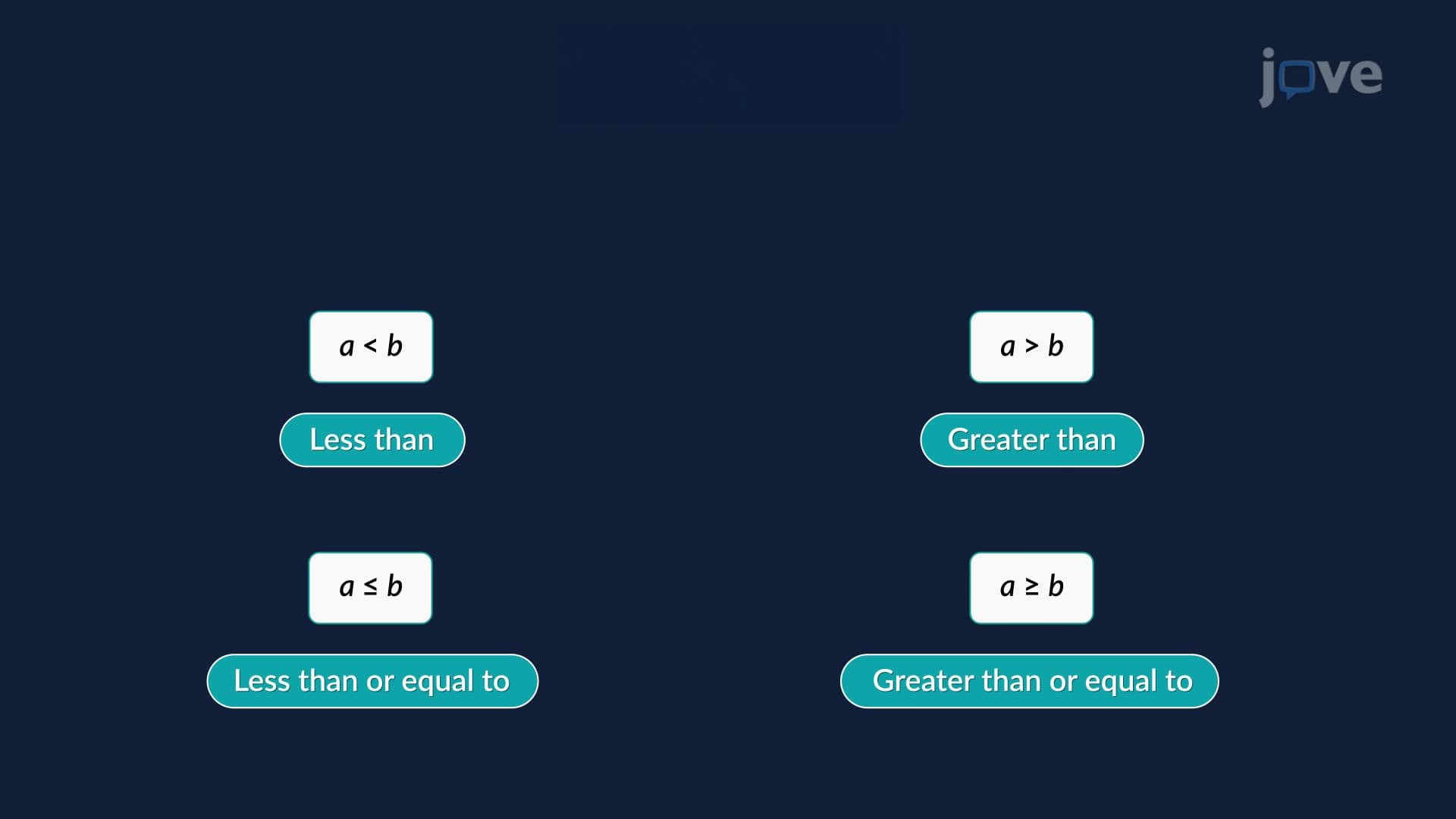
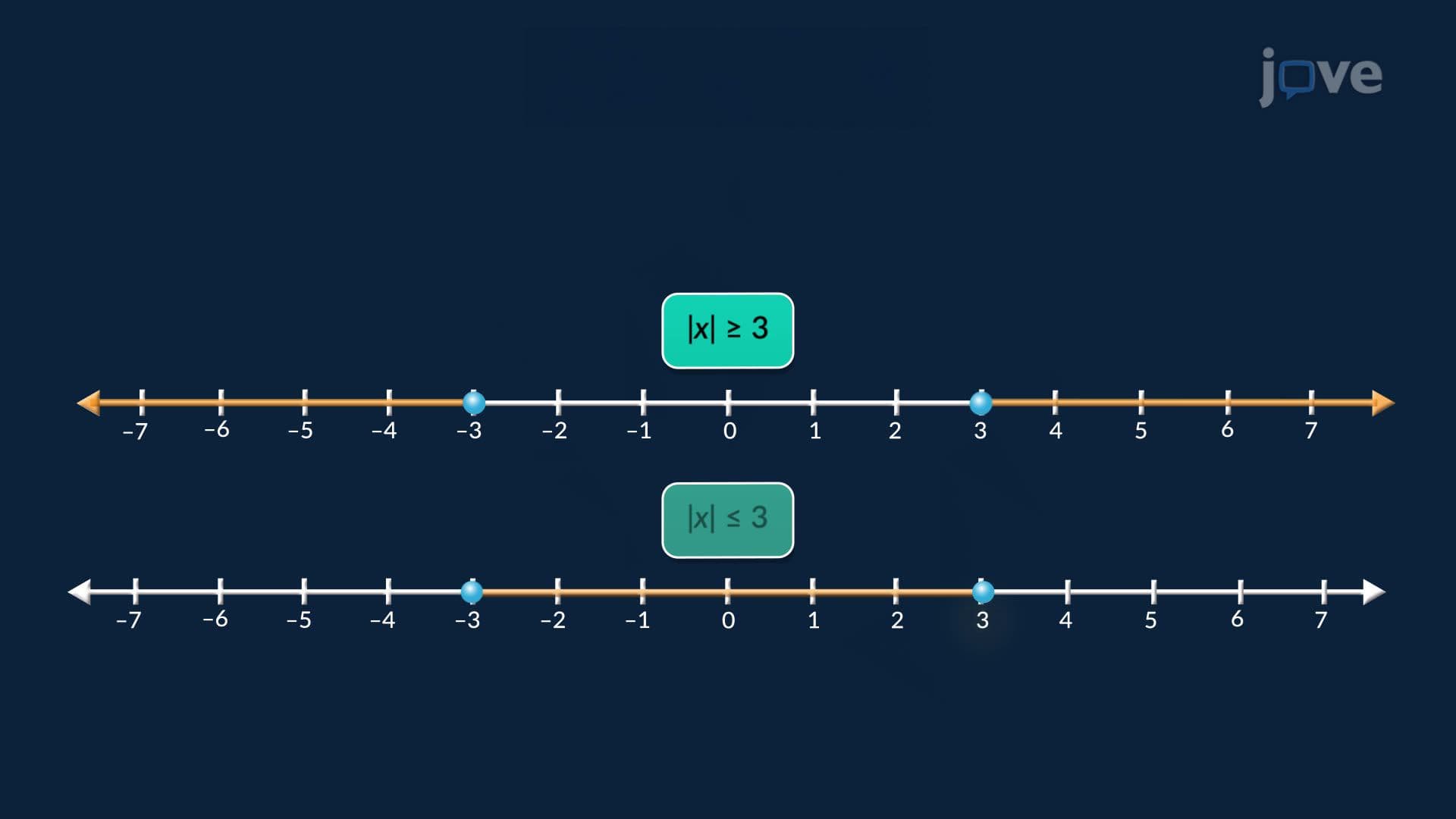
7. Inequality Relationships and Absolute Value Inequalities compare values using symbols (<, >, ≤, ≥) and follow specific rules: adding/subtracting the same value maintains direction, while multiplying/dividing by negative numbers reverses the inequality direction. Absolute value inequalities model real-world variations, such as manufacturing tolerances or measurement uncertainties in scientific experiments. These concepts appear frequently in optimization problems, quality control applications, and statistical confidence interval calculations, making them essential for students pursuing STEM fields or business analytics careers.