Loading concepts…


14 Concepts
8 Concepts
14 Concepts
10 Concepts
8 Concepts
5 Concepts
12 Concepts
4 Concepts
8 Concepts
7 Concepts
15 Concepts
 12 Concepts
 642 Views
 Popular topics



Trigonometry forms the mathematical foundation for understanding relationships between angles and sides in triangles, with applications spanning from construction safety to astronomical observations. This comprehensive course through JoVE Coach explores fundamentals of trigonometry including angle measurement, trig functions unit circle relationships, graphing periodic functions, and solving real-world problems using trigonometric principles essential for advanced mathematics and science courses.
1. Angle Measurement and Unit Circle Fundamentals Understanding both degree and radian measurements provides the foundation for all trigonometric work. The unit circle serves as the central tool for defining sine cosine tangent functions, where coordinates represent function values for any angle. Students learn that 360° equals 2π radians, enabling conversion between systems. Real applications include calculating wheel rotations in automotive engineering and determining angular displacement in mechanical systems. The unit circle's four quadrants help determine function signs, crucial for solving complex trigonometric problems in physics and engineering contexts.
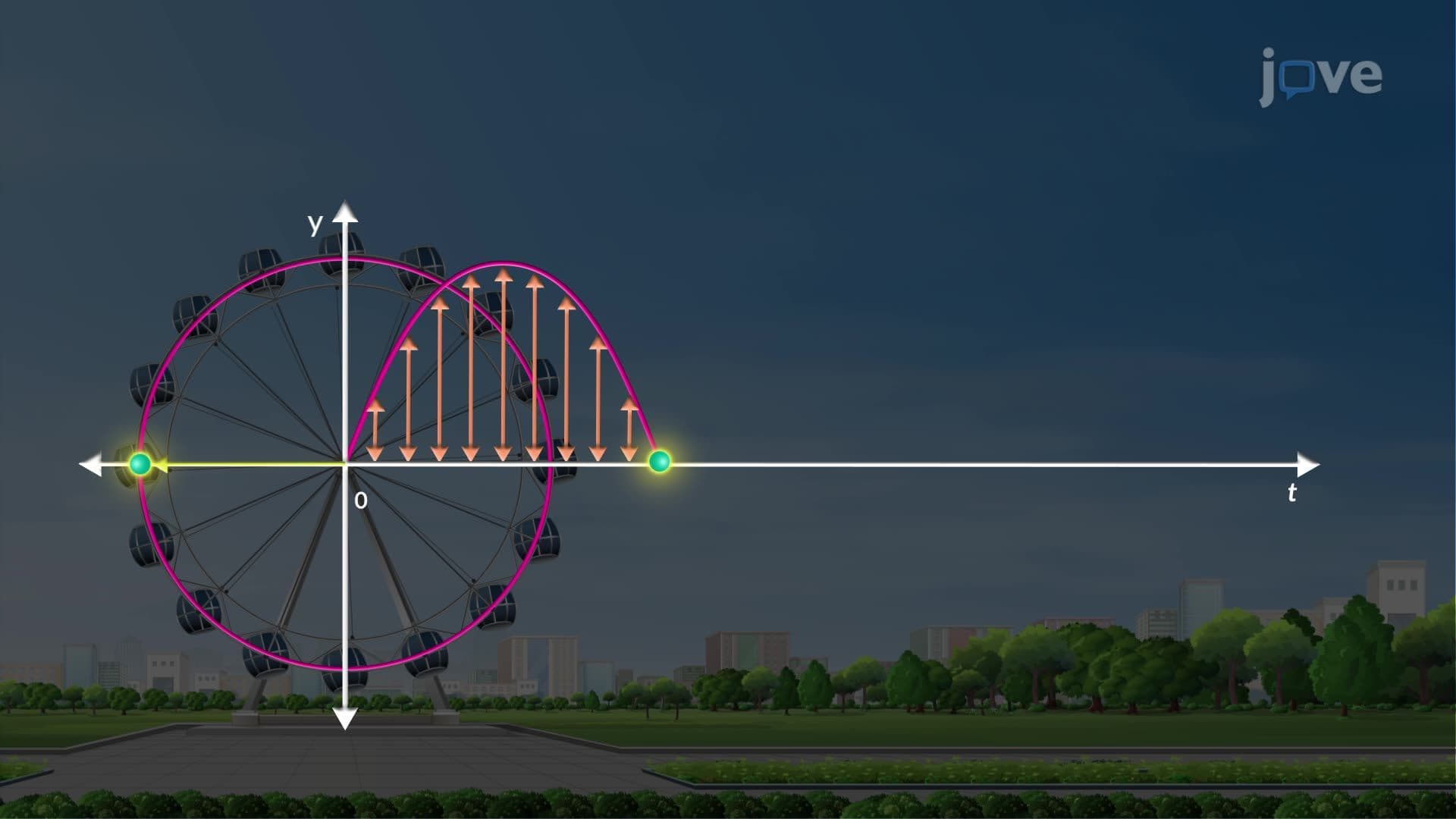
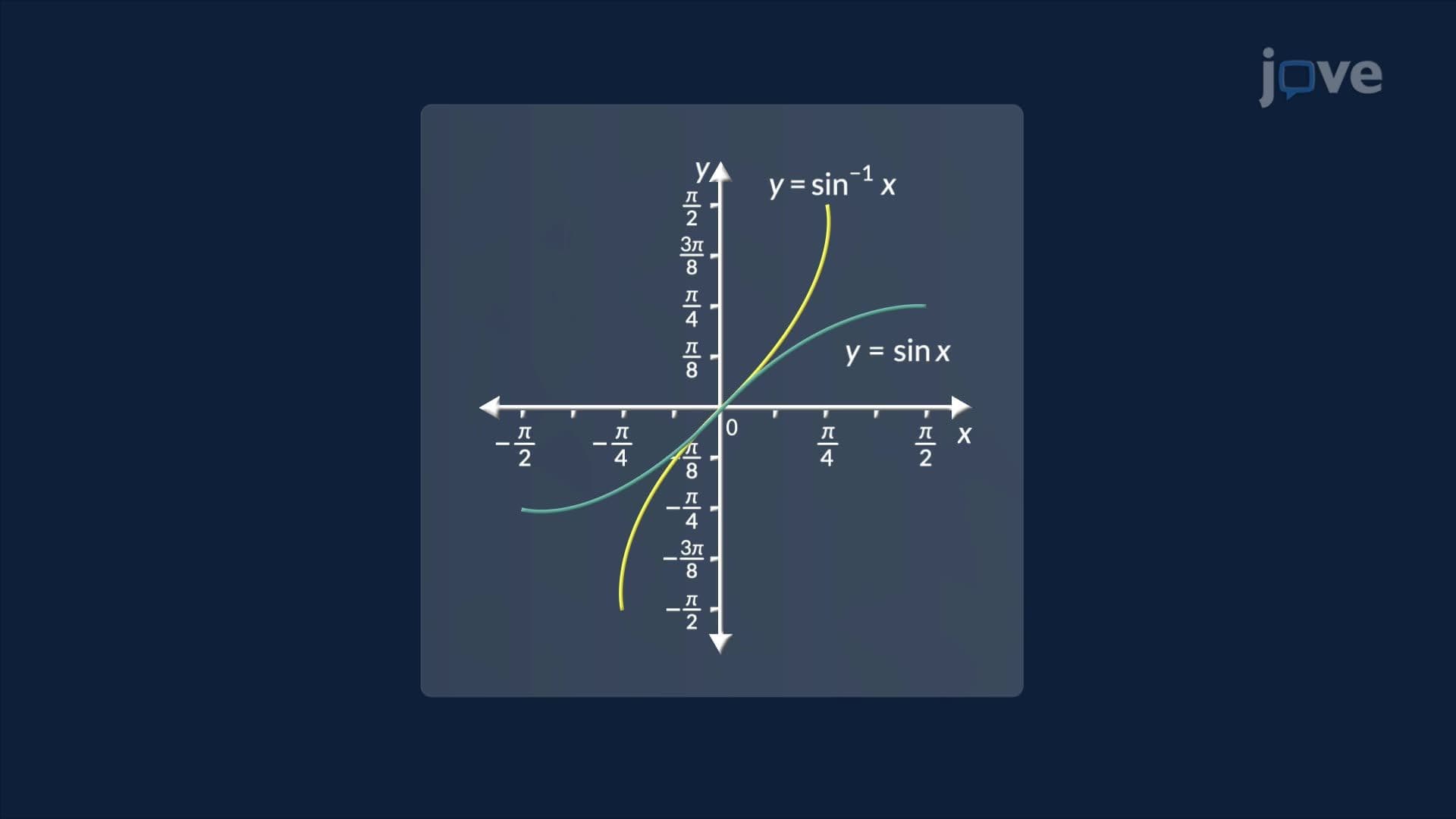
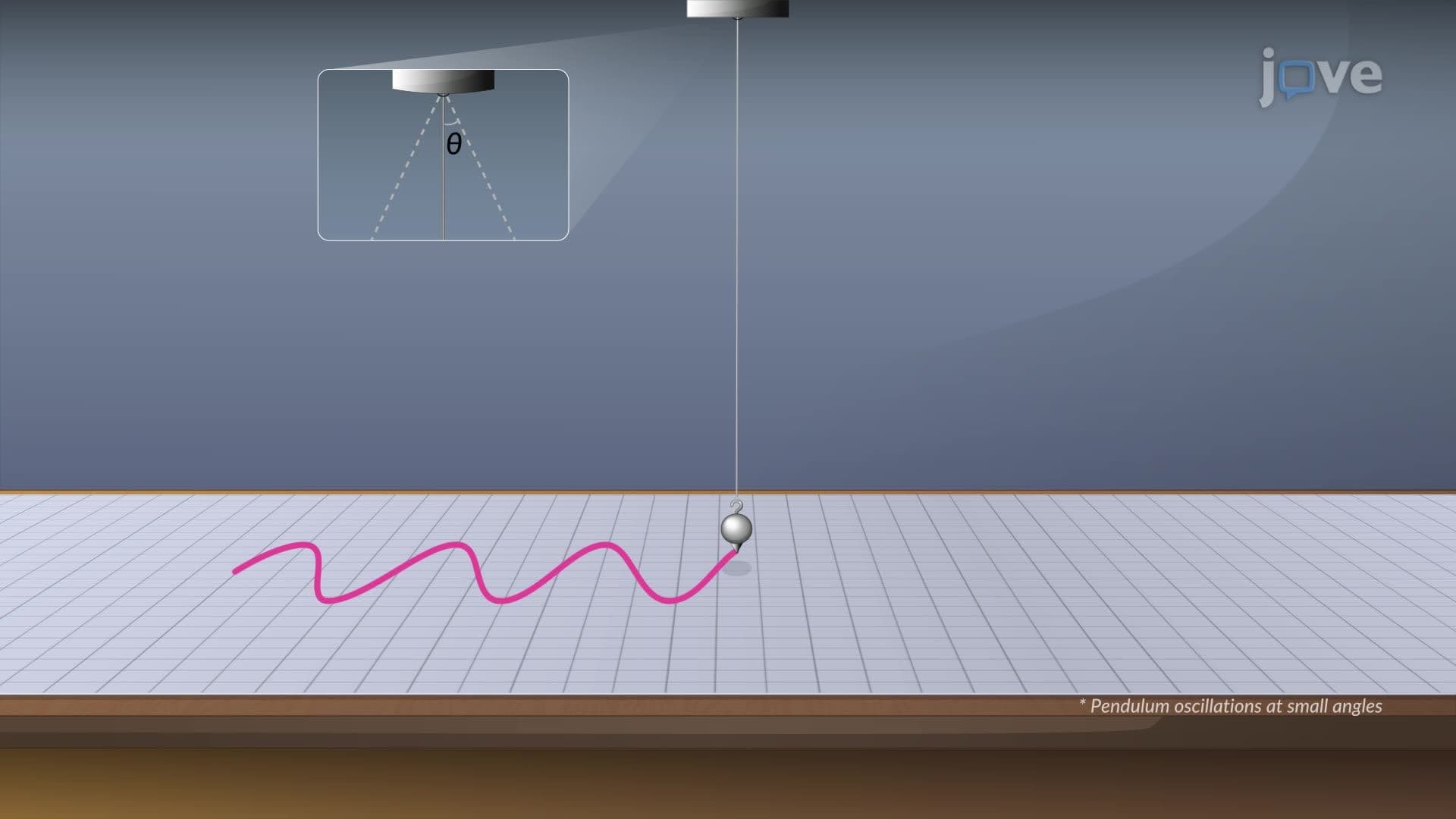
2. Trigonometric Function Graphs and Periodic Behavior Sine, cosine, and tangent functions create distinctive wave patterns with specific periods, domains, and ranges. Sine and cosine graphs oscillate between -1 and 1 with period 2π, while tangent has period π with vertical asymptotes. These patterns model real phenomena like Ferris wheel motion, sound waves, and seasonal temperature variations. Understanding amplitude, phase shifts, and vertical translations allows students to analyze periodic data in economics, biology, and physics. Secant, cosecant, and cotangent graphs extend these concepts with different domain restrictions and ranges.
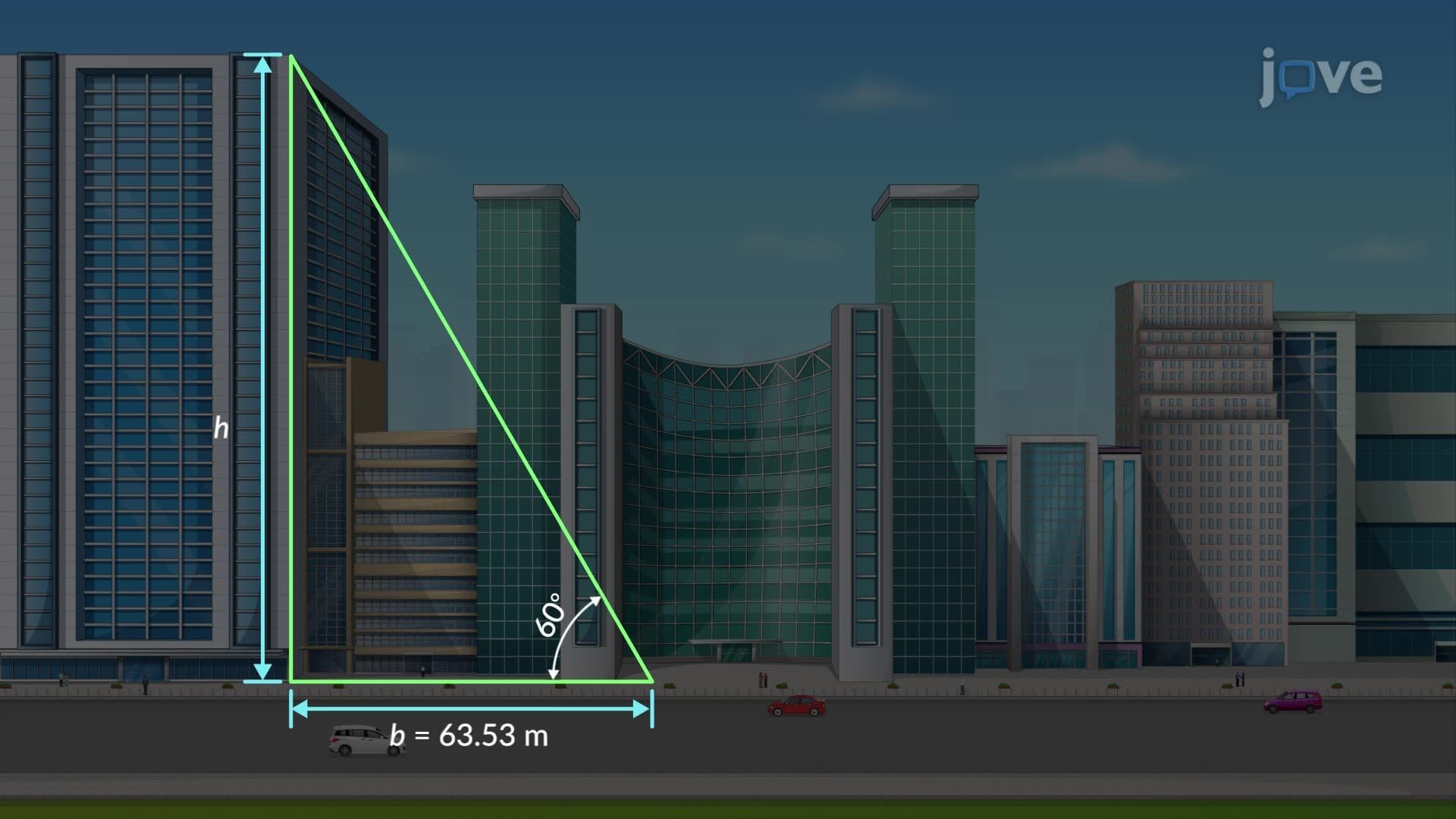
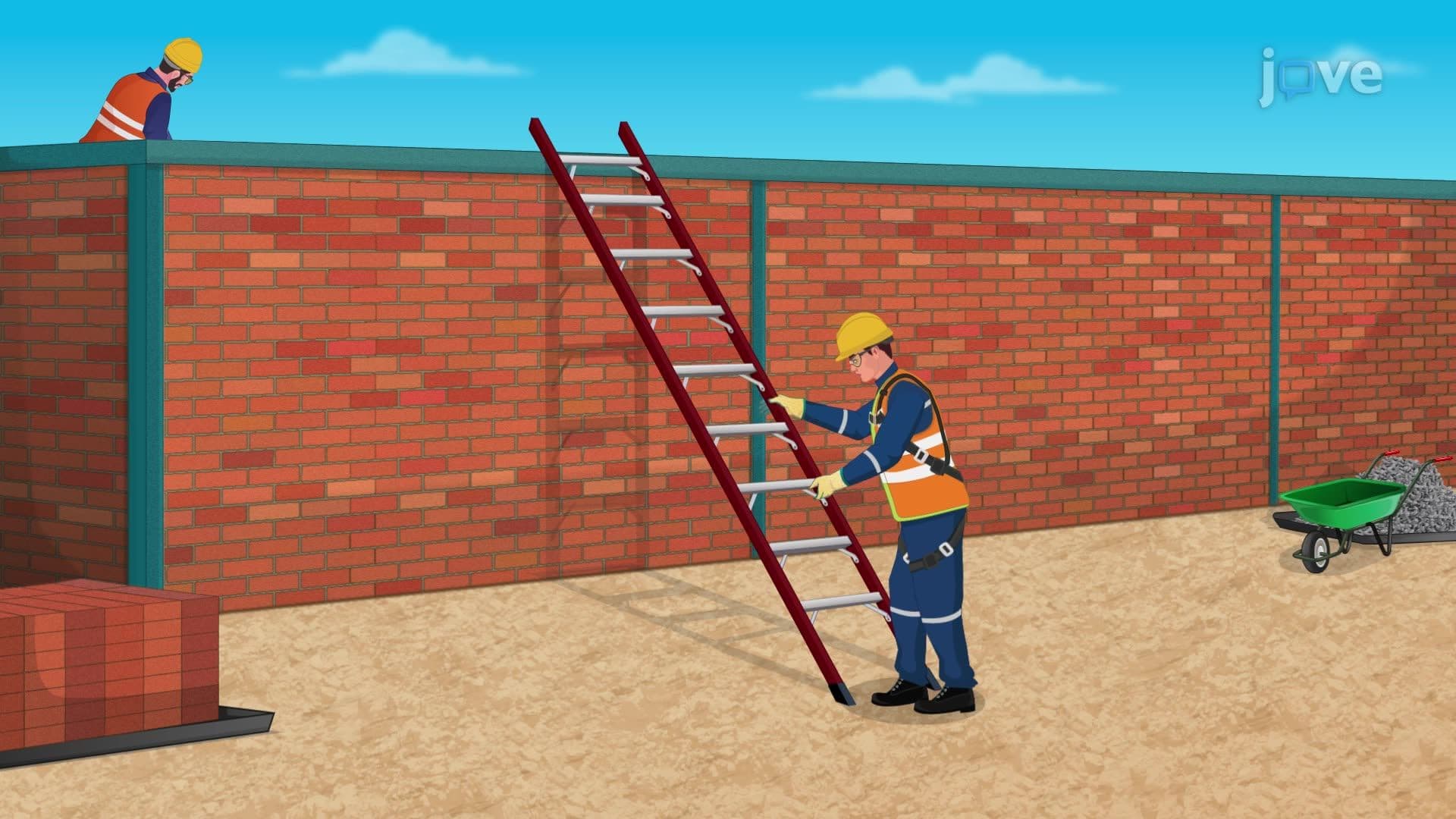
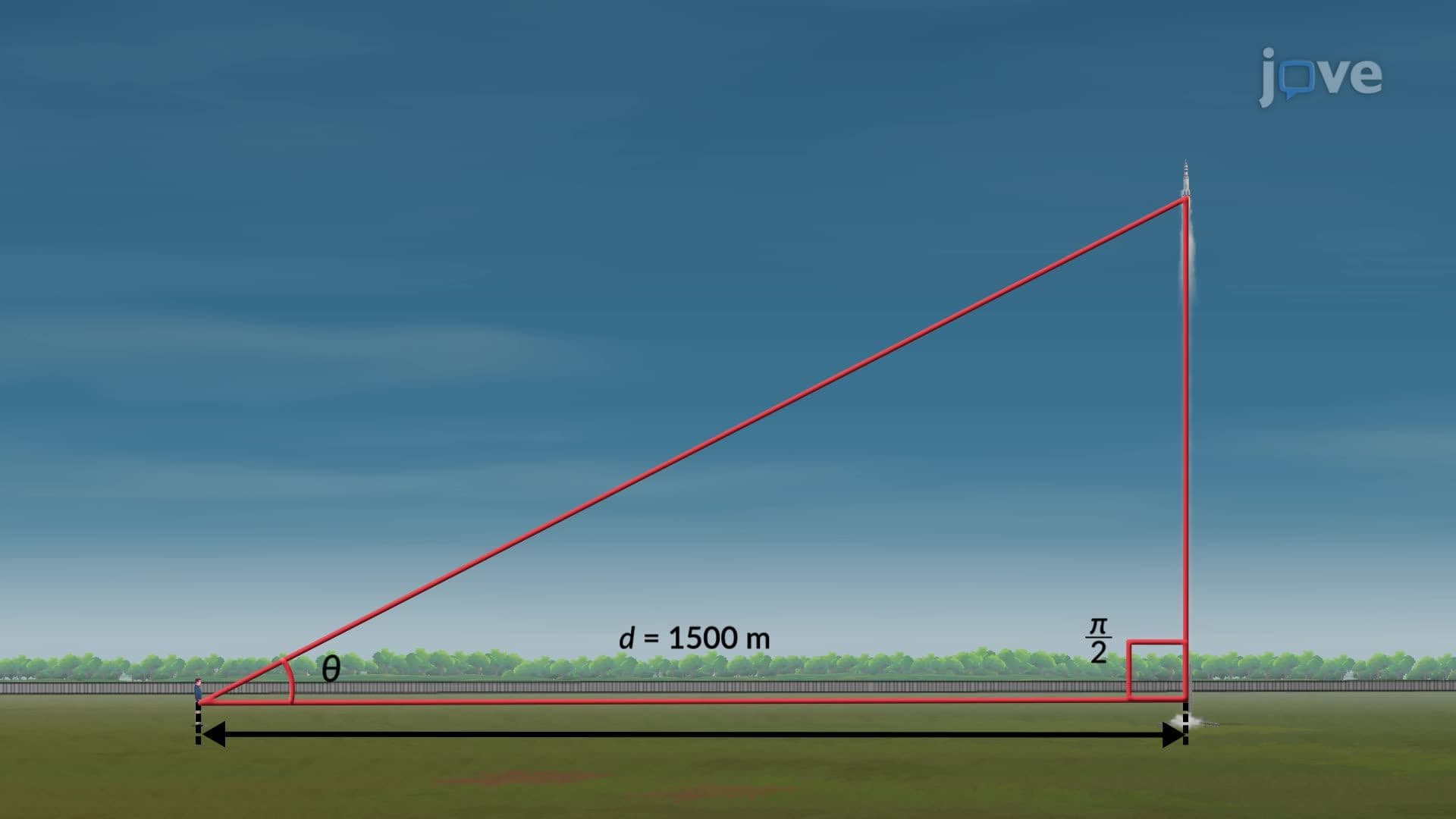
3. Right Triangle Trigonometry and Applications The fundamental ratios of sine, cosine, and tangent in right triangles provide practical tools for measuring inaccessible heights and distances. Construction workers use these ratios to ensure proper ladder angles, while surveyors calculate building heights using angle of elevation measurements. Students learn that these ratios remain constant for similar triangles, making trigonometry reliable for scaling measurements. Applications include determining shadow lengths, calculating ramp slopes for accessibility compliance, and finding distances across obstacles like rivers or canyons using indirect measurement techniques.
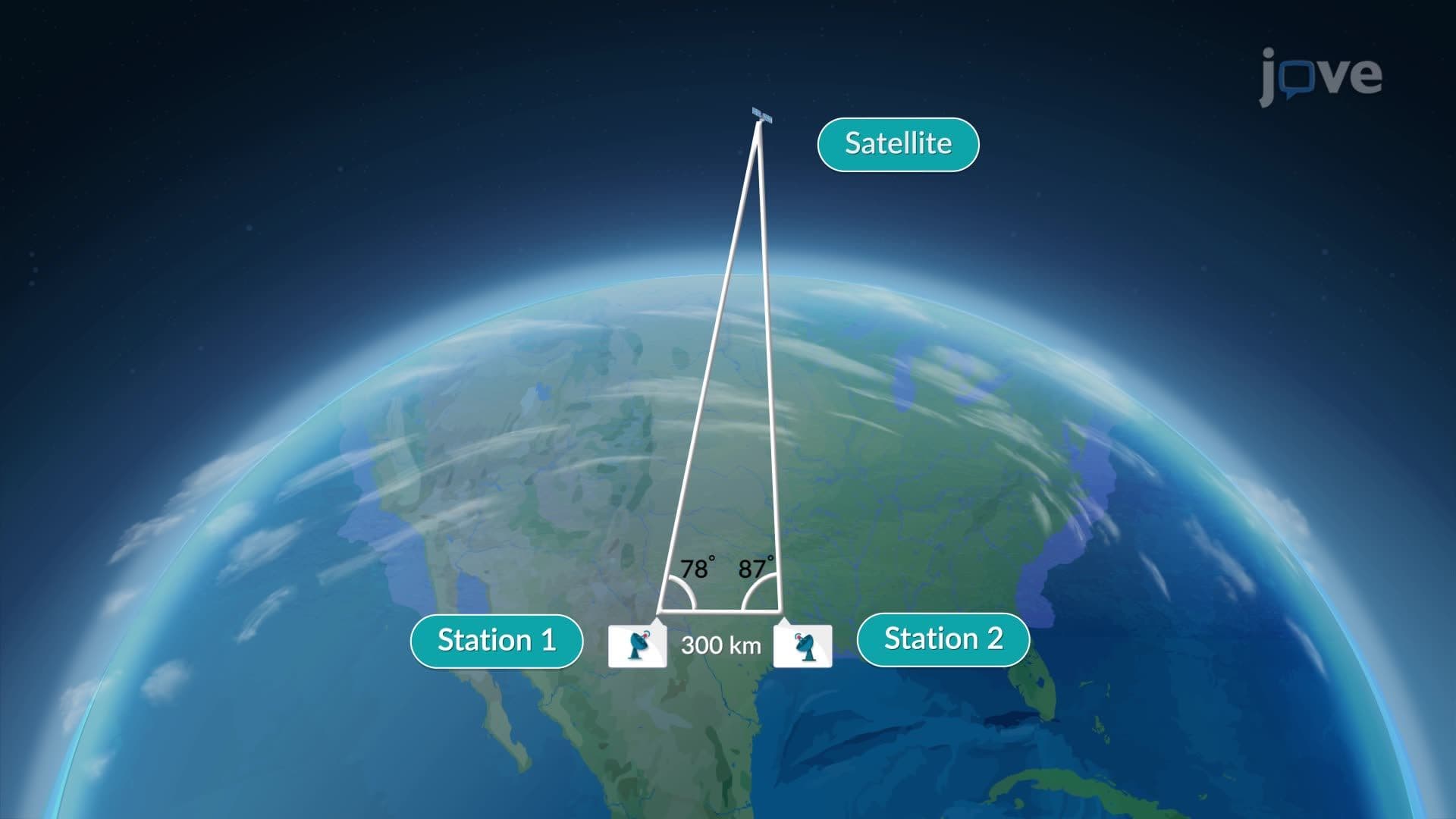
4. Law of Sines and Law of Cosines for Oblique Triangles When triangles lack right angles, the Law of Sines and Law of Cosines extend trigonometric problem-solving capabilities. The Law of Sines applies when knowing one side and two angles or two sides and a non-included angle, useful in navigation and GPS triangulation. The Law of Cosines works with two sides and an included angle or all three sides, essential in surveying inaccessible terrain. These laws enable calculations in satellite positioning, aviation flight paths, and geological mapping where direct measurement proves impossible or impractical.
5. Trigonometric Identities and Equation Solving Trig identities like the Pythagorean identity (sin²θ + cos²θ = 1) provide algebraic tools for simplifying complex expressions and proving mathematical relationships. Double-angle, half-angle, and cofunction identities extend problem-solving capabilities in calculus and physics applications. Students learn to recognize when equations are identities (true for all angles) versus conditional equations (true for specific angles only). Solving trigonometric equations requires understanding periodic nature and finding all solutions within specified intervals, essential for modeling oscillatory motion in engineering and physics systems.