Loading concepts…


14 Concepts
8 Concepts
14 Concepts
10 Concepts
8 Concepts
5 Concepts
12 Concepts
4 Concepts
8 Concepts
7 Concepts
15 Concepts
 14 Concepts
 723 Views
 Popular topics




Math functions are fundamental mathematical tools that establish relationships between inputs and outputs, forming the backbone of algebra and calculus. This comprehensive course explores function notation mathematics through real-world applications like parking garage pricing, hiking trail elevations, and population growth models. Students will master understanding functions and graphing them using JoVE Coach's systematic approach, covering everything from basic linear relationships to complex transformations and compositions essential for AP Calculus and SAT Math success.
1. Function Definition and Notation: A function is a mathematical rule that assigns exactly one output to each input from its domain. Function notation mathematics uses f(x) to represent "f of x," where x is the independent variable and f(x) is the dependent variable. The domain consists of all valid input values, while the range contains all possible output values. Real-world examples include parking garage fees where time (domain) determines cost (range), or vending machines where button selections (domain) produce specific snacks (range). The vertical line test determines if a graph represents a function - no vertical line should intersect the graph more than once.
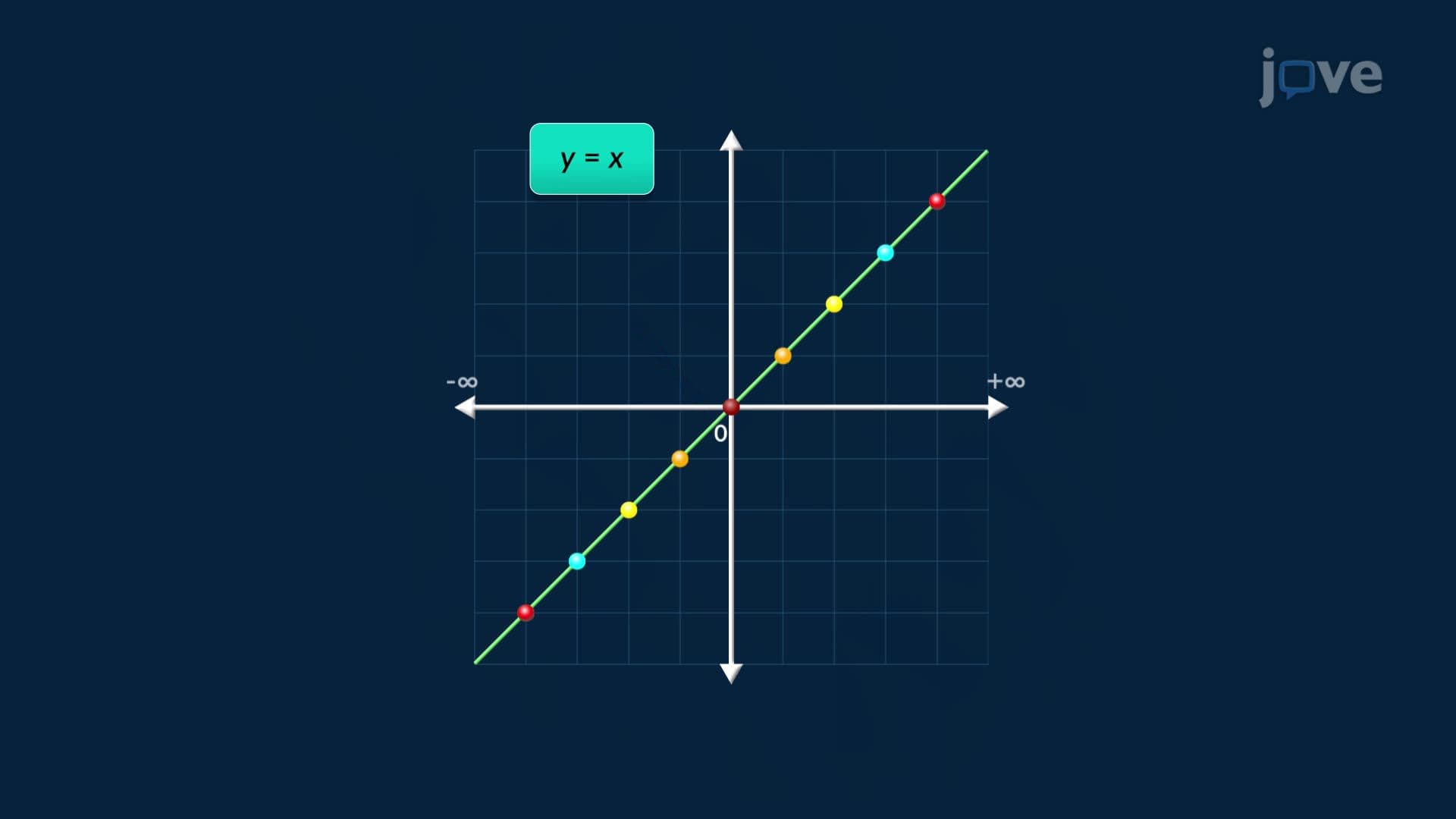
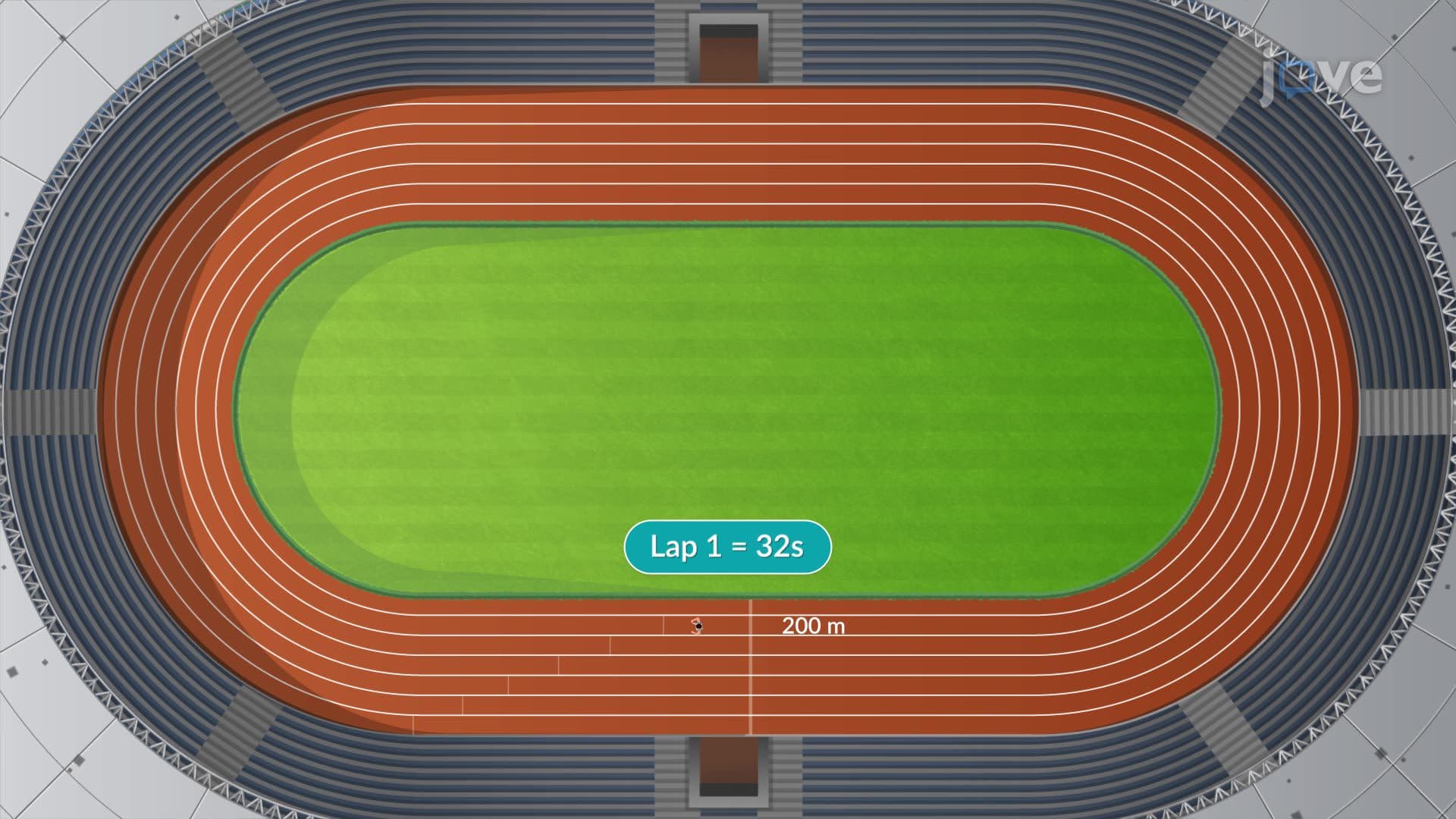
2. Types of Algebraic Functions: Polynomial functions include linear functions (constant rate of change like delivery truck speed), quadratic functions (parabolic relationships like projectile motion), and higher-degree polynomials (cube volume calculations). Rational functions express ratios such as average cost calculations (total cost divided by quantity). Radical functions involve roots and appear in geometric applications like calculating diagonal distances in square rooms. Each function type has distinct graphical characteristics and serves specific mathematical modeling purposes in physics, economics, and engineering applications throughout American high schools and universities.
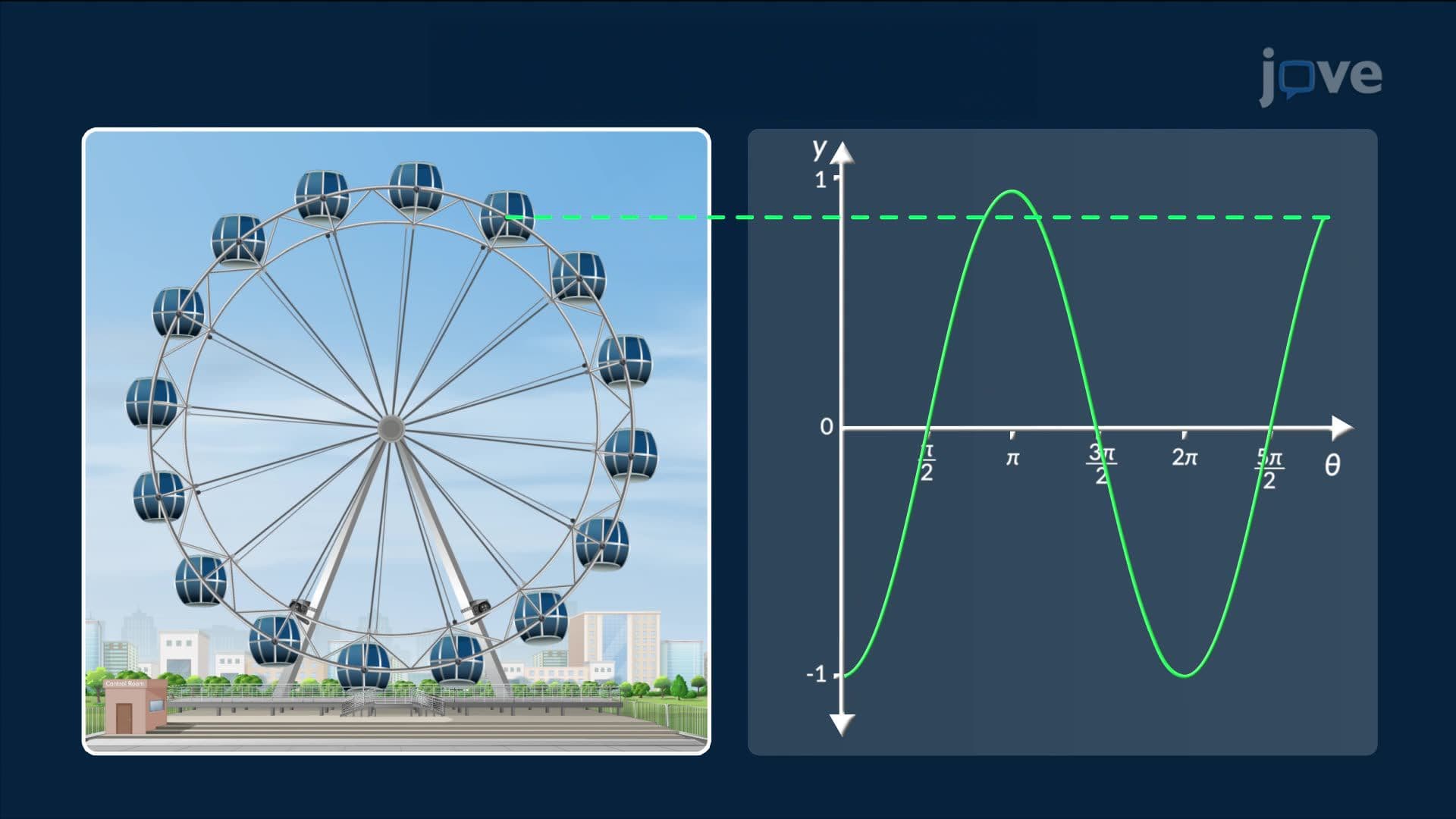
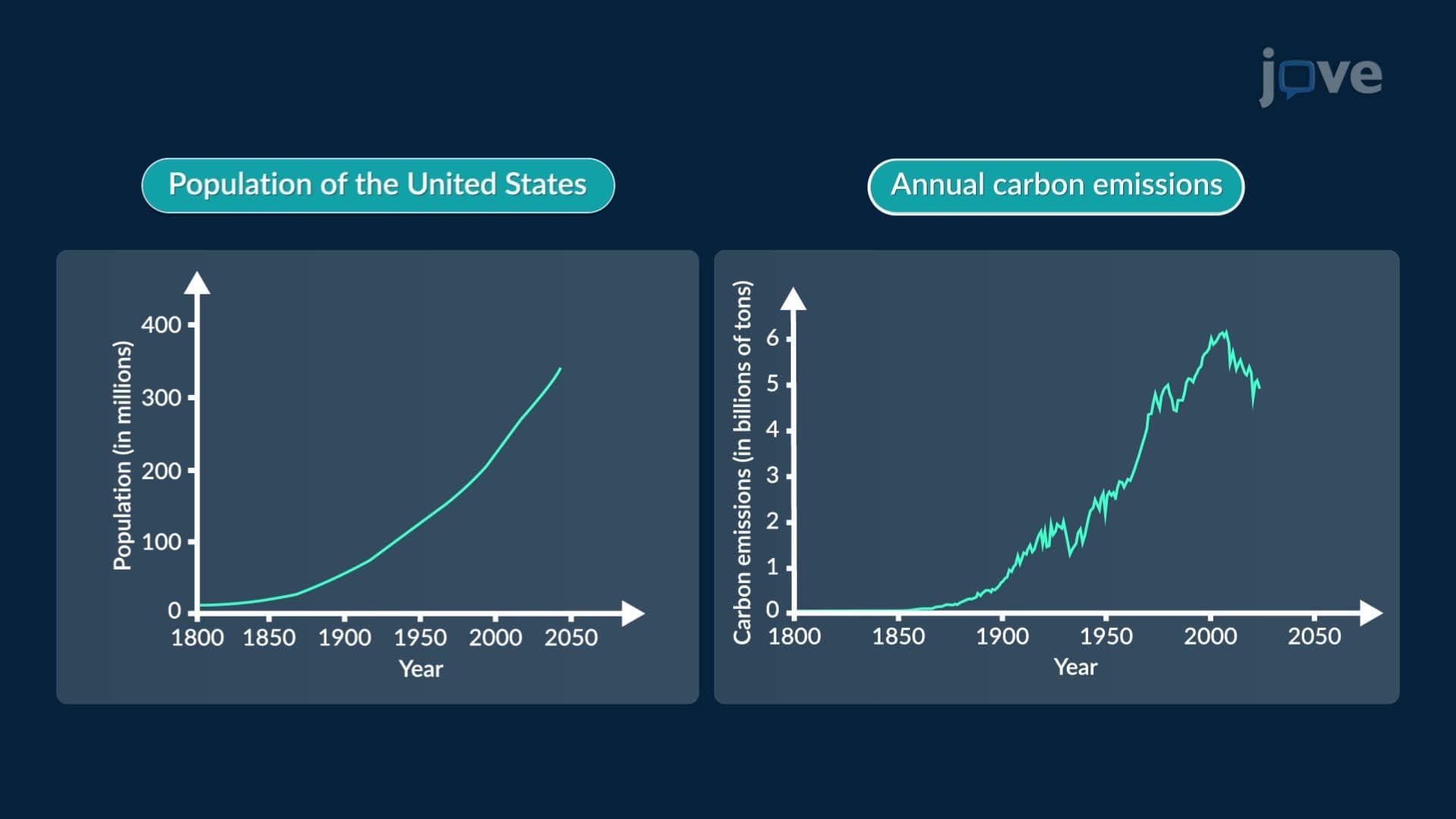
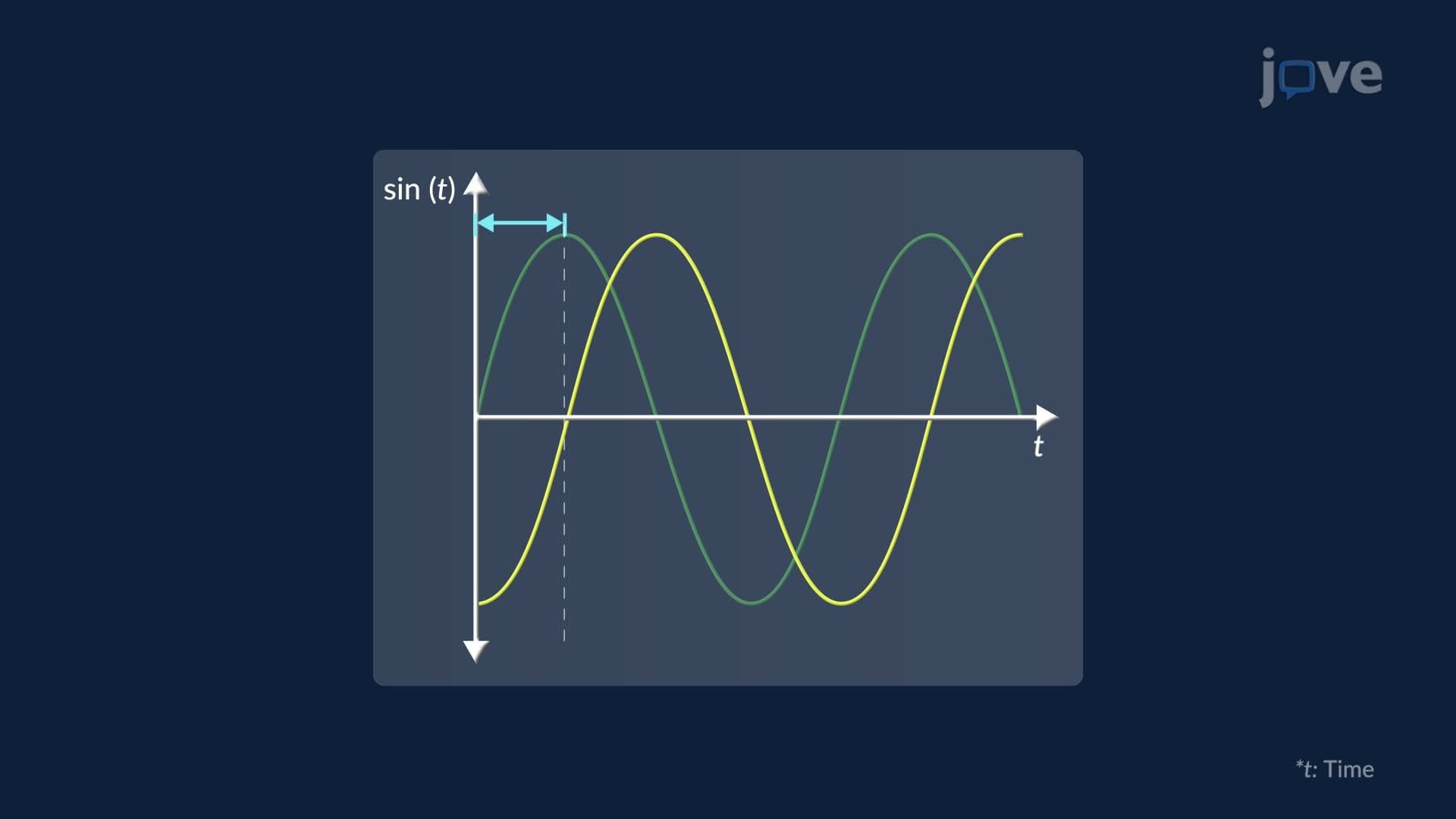
3. Trigonometric and Exponential Functions: Trigonometric functions like sine and cosine model periodic, wave-like motion similar to Ferris wheel rotations or sound waves in physics classes. These functions create smooth, repeating patterns essential for modeling cyclical phenomena. Exponential functions describe rapid change scenarios such as population growth (doubling at regular intervals) or radioactive decay (halving at regular intervals). The exponential base and exponent sign determine whether growth accelerates upward or decay decreases toward zero, making these functions crucial for AP Biology population studies and chemistry half-life problems.
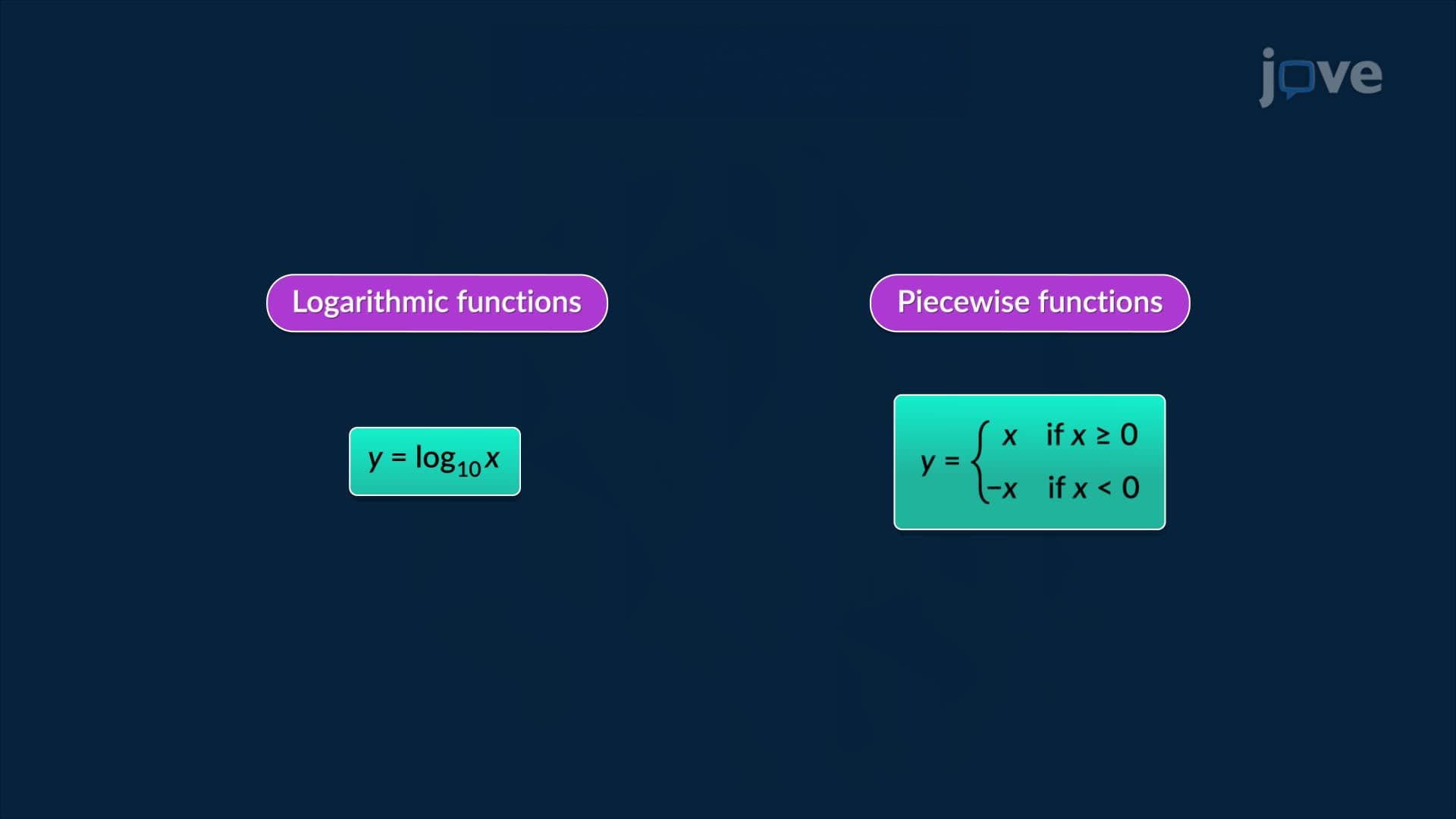
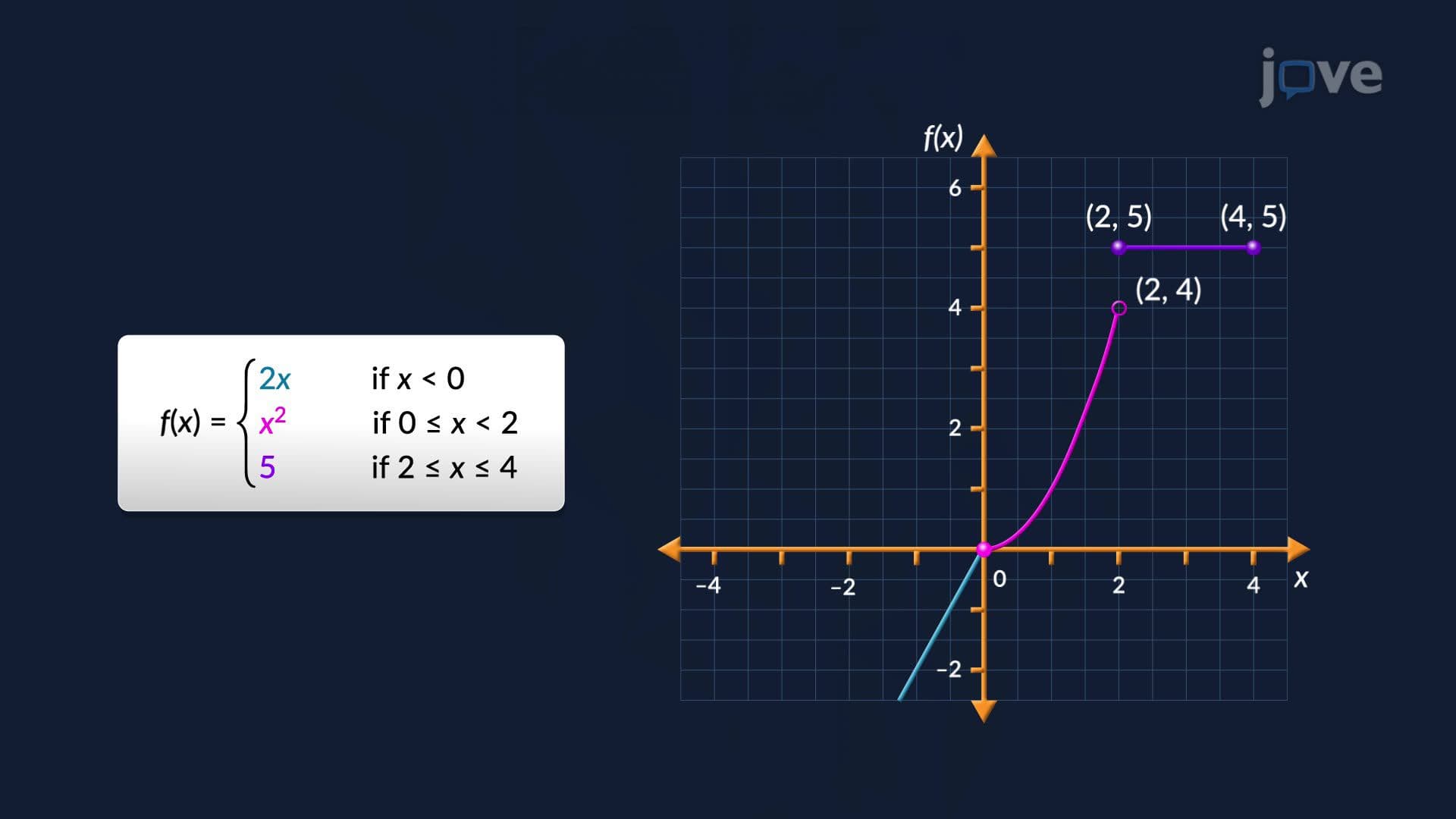
4. Logarithmic and Piecewise Functions: Logarithmic functions serve as inverses of exponential functions, rising quickly initially then slowing down. The pH scale demonstrates logarithmic scaling where each unit represents a tenfold change in hydrogen ion concentration, making logarithms essential for AP Chemistry. Piecewise functions use different rules for different domain intervals, like tax brackets where different income ranges face different tax rates, or shipping costs that increase in steps based on package weight. These functions model real-world situations involving sudden changes or varying behaviors across different input ranges.
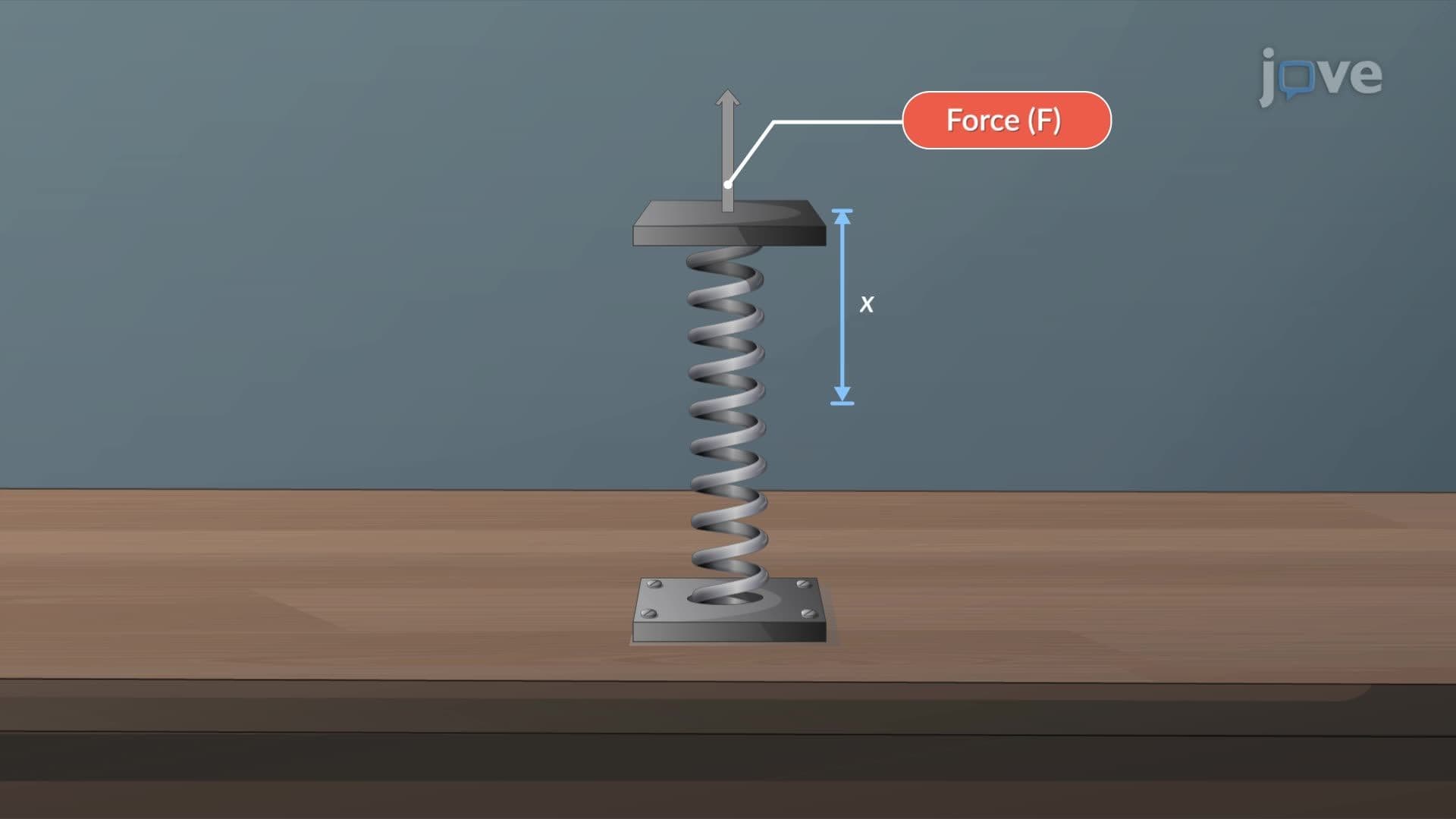
5. Function Transformations: Transformations modify function graphs while preserving their basic shape. Vertical shifts occur when constants are added to or subtracted from function outputs, moving graphs up or down like adjusting fountain nozzle height. Horizontal shifts happen when constants are added to or subtracted from inputs, moving graphs left or right. Reflections flip graphs over axes - multiplying by negative one reflects over x-axis (vertical flip) or y-axis (horizontal flip). Vertical stretches multiply outputs by factors greater than one, making graphs taller like stretching springs while maintaining recognizable patterns.
6. Function Operations and Composition: Functions combine through addition, subtraction, multiplication, and division operations, with combined function domains including only values valid for all component functions. Division excludes values causing division by zero. Function composition involves using one function's output as another function's input, like modeling expanding water ripples where radius increases over time, then area calculations use that radius. Composite functions appear frequently in physics problems involving multiple related quantities, such as position-velocity-acceleration relationships in AP Physics courses.
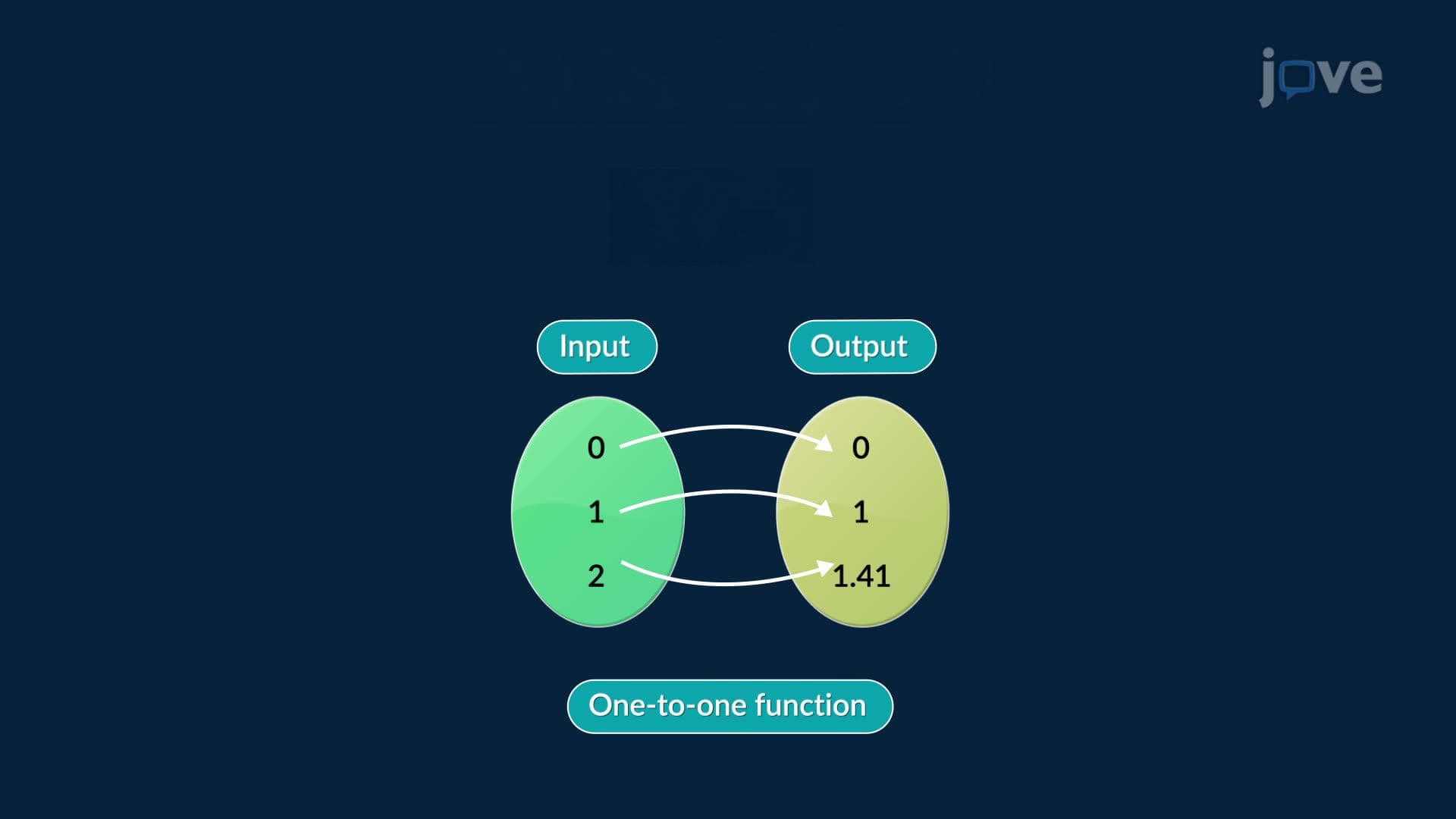
7. One-to-One Functions and Inverses: One-to-one functions map each input to a unique output, passing the horizontal line test where no horizontal line intersects the graph more than once. Only one-to-one functions possess inverses that reverse the original function's process. Student ID database systems exemplify one-to-one functions where each ID number corresponds to exactly one student. Inverse notation f⁻¹(x) doesn't mean "f to the negative first power" but rather the function that undoes f(x). When functions and their inverses are composed, they cancel out and return the original input value.