Loading concepts…


14 Concepts
8 Concepts
14 Concepts
10 Concepts
8 Concepts
5 Concepts
12 Concepts
4 Concepts
8 Concepts
7 Concepts
15 Concepts
 8 Concepts
 445 Views
 Popular topics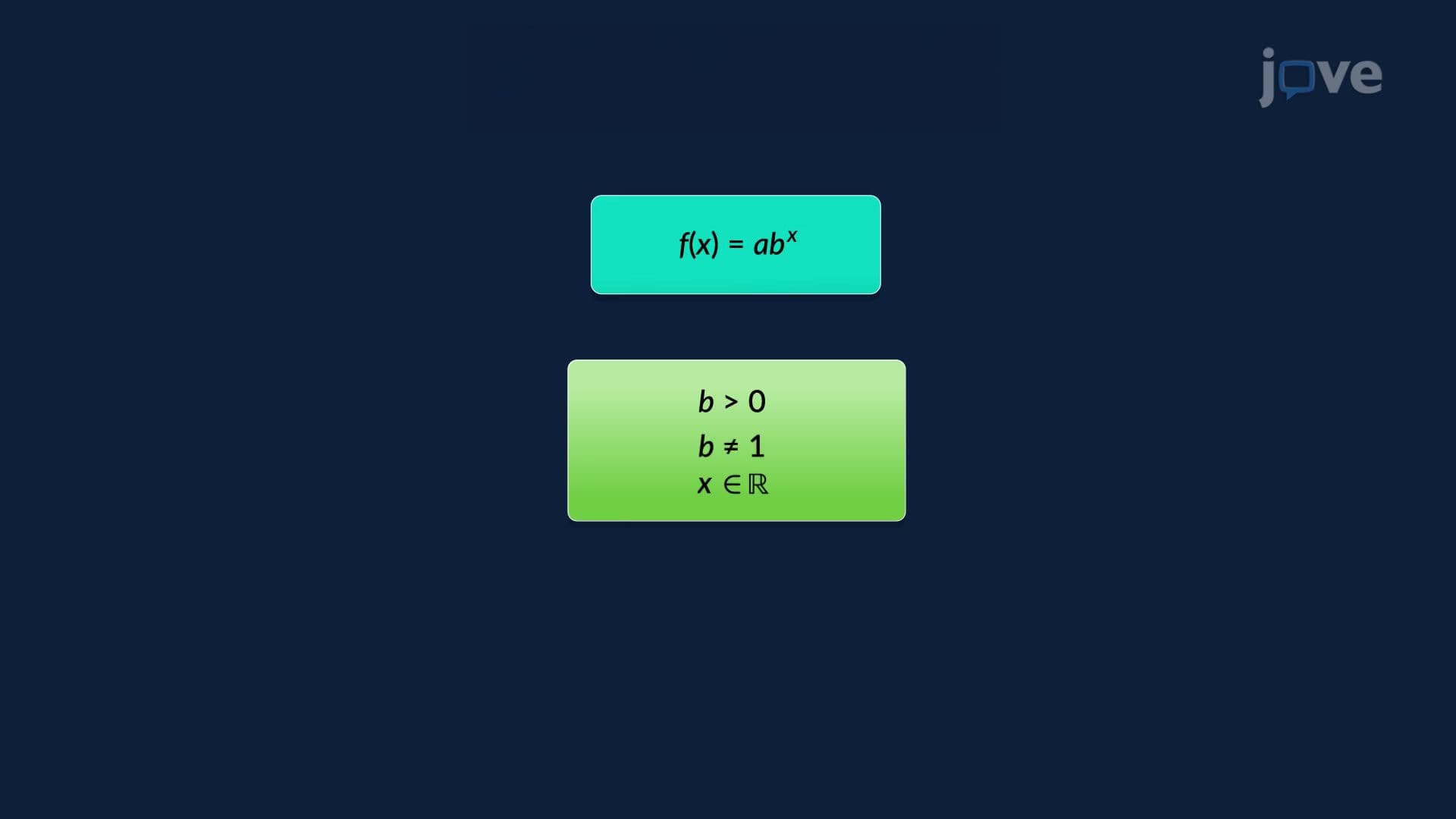


Exponential and logarithmic functions are fundamental mathematical tools that model real-world phenomena from bacterial growth to pH measurements. This JoVE Coach course explores how these inverse functions work together, covering growth and decay patterns, logarithmic laws, and practical applications in chemistry, biology, and finance across American educational standards.
1. Exponential Function Fundamentals and Behavior Patterns Exponential functions follow the form f(x) = a·b^x where the base b determines growth or decay behavior. When b > 1, the function models exponential growth, while 0 < b < 1 represents exponential decay. These functions feature horizontal asymptotes and display rapid initial changes that gradually level off. Real applications include drug concentration in bloodstream studies, where a medication retains 75% potency each hour, demonstrating how exponential decay models biological processes in American healthcare settings.
2. The Natural Base e and Continuous Growth Models The mathematical constant e (≈ 2.718) serves as the foundation for modeling continuous growth and decay processes. Functions of the form f(t) = ae^(rt) represent natural exponential behavior, where r determines the growth or decay rate. Newton's Law of Cooling exemplifies this concept when modeling coffee temperature dropping from 90°F to room temperature at a continuous 12% rate per minute. Early viral spread patterns also follow e-based exponential models, making this concept crucial for understanding epidemiological data in American public health contexts.
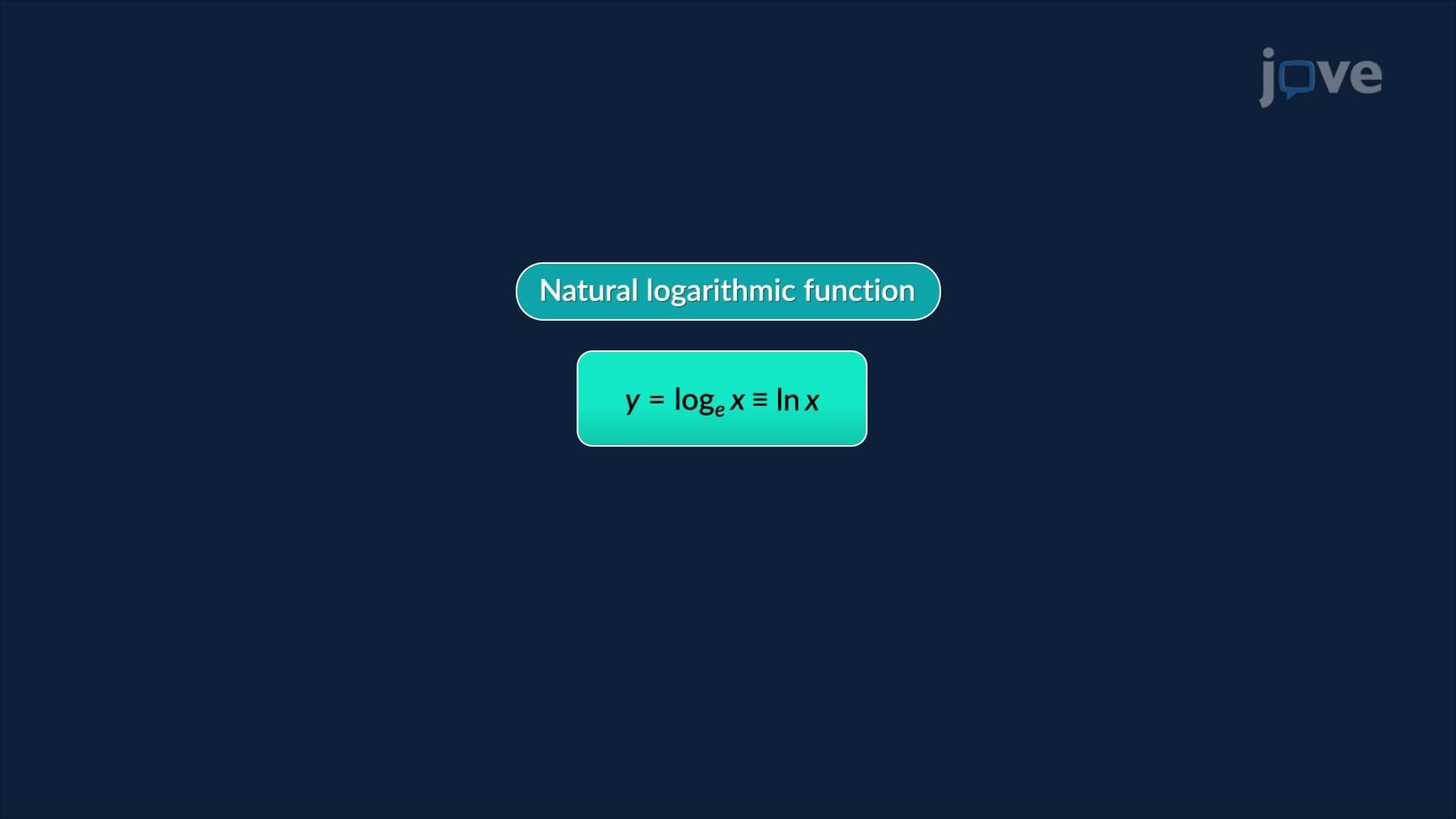
3. Logarithmic Functions as Inverse Operations Logarithmic functions represent the inverse relationship to exponential functions, answering "to what power must we raise the base to get this result?" The function y = log_a(x) has domain (0,∞) and range (-∞,∞), with a vertical asymptote at x = 0. The natural logarithm ln(x) uses base e and appears frequently in calculus applications. Understanding this inverse relationship helps students solve exponential equations and interpret logarithmic scales used in American scientific measurements like the Richter scale for earthquakes.
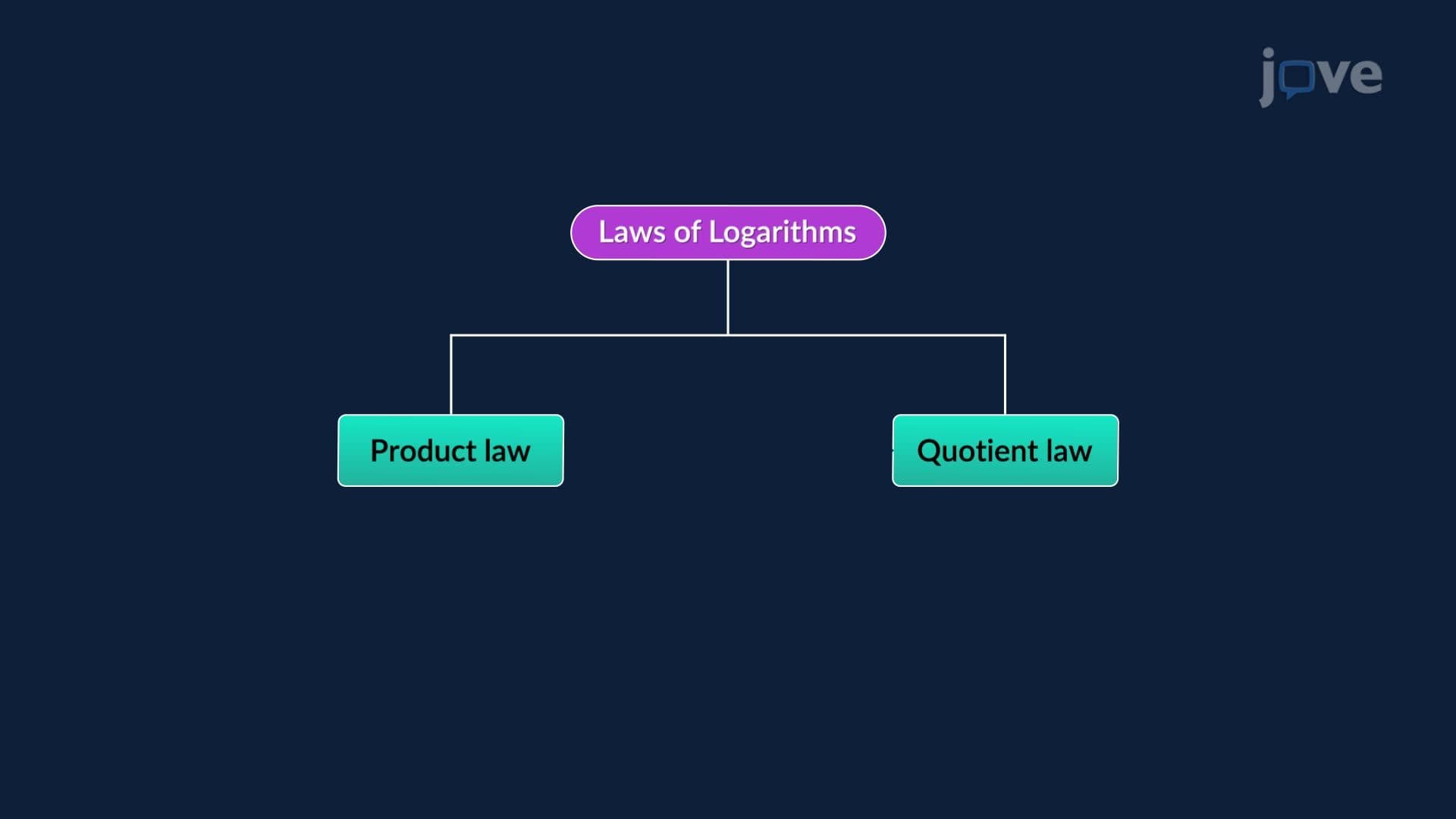
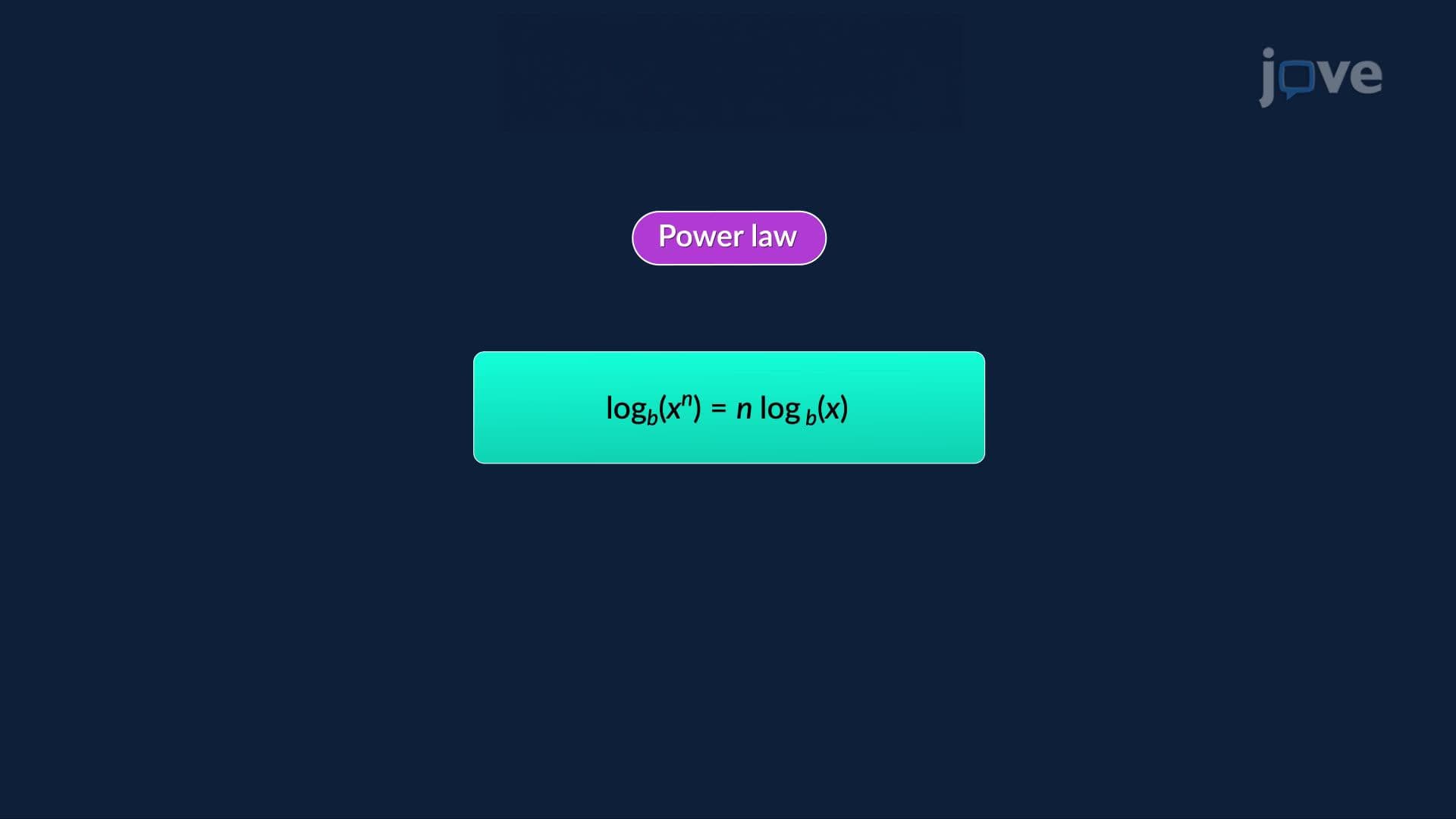
4. Essential Logarithmic Laws and Properties Three fundamental logarithmic laws simplify complex calculations: the product law log(xy) = log(x) + log(y), the quotient law log(x/y) = log(x) - log(y), and the power law log(x^n) = n·log(x). These properties transform multiplication into addition and division into subtraction, making logarithms powerful computational tools. The change of base formula log_a(x) = log(x)/log(a) enables calculations using standard calculator functions. These laws prove essential when analyzing pH measurements in American chemistry laboratories, where hydrogen ion concentrations require logarithmic manipulation.
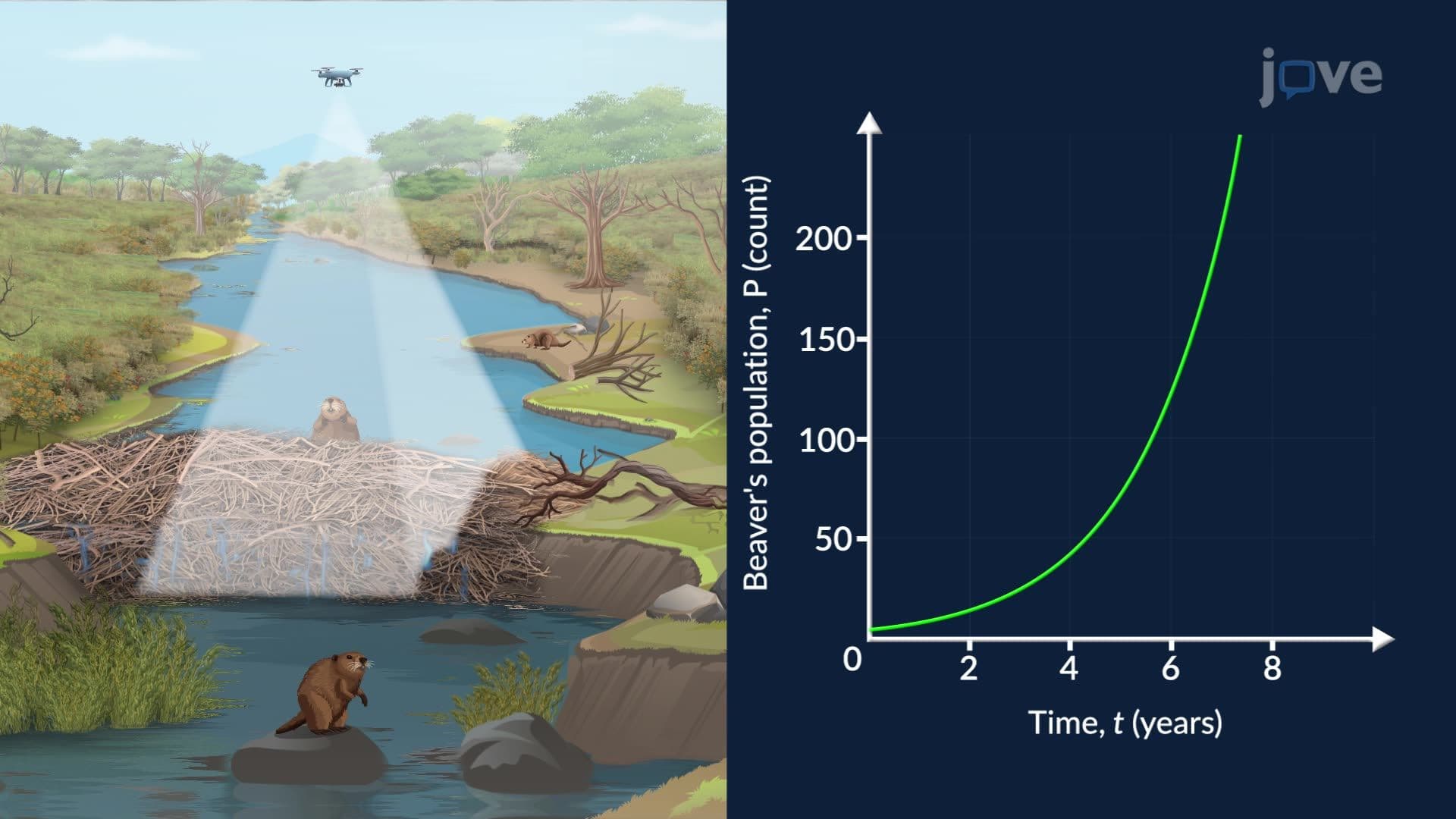
5. Solving Exponential Equations Using Logarithmic Methods When variables appear in exponents, logarithms provide the key to isolation and solution. The process involves taking logarithms of both sides and applying the power law to bring exponents down as coefficients. This technique proves vital in compound interest calculations, population growth modeling, and radioactive decay problems common in American mathematics curricula. For example, determining how long a beaver population needs to reach a target size requires isolating time variables from exponential growth equations using logarithmic problem-solving strategies.
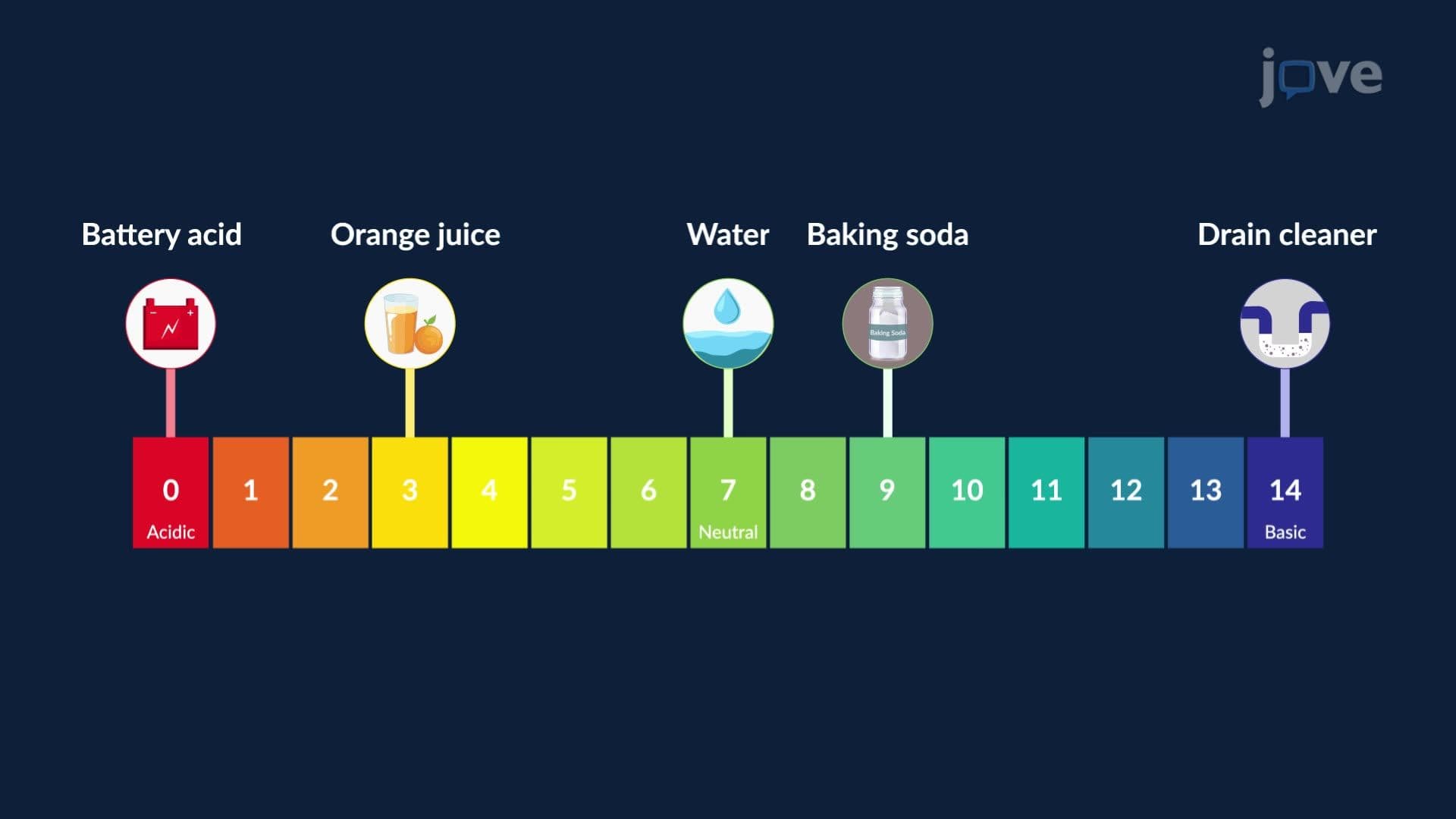
6. Real-World Applications in Science and Finance Exponential and logarithmic functions model numerous phenomena in American scientific and financial contexts. The pH scale uses pH = -log[H+] to convert tiny hydrogen ion concentrations into manageable numbers from 0-14. Population biology employs P(t) = P₀e^(rt) to model bacterial growth in laboratory cultures, while finance uses compound interest formulas for investment calculations. These applications demonstrate how mathematical concepts directly impact careers in healthcare, environmental science, and business sectors throughout the United States.