Loading concepts…


14 Concepts
8 Concepts
14 Concepts
10 Concepts
8 Concepts
5 Concepts
12 Concepts
4 Concepts
8 Concepts
7 Concepts
15 Concepts
 5 Concepts
 280 Views
 Popular topics

Systems of equations form the foundation for solving complex real-world problems involving multiple variables and constraints. This JoVE Coach micro-course covers essential methods for solving systems of equations, including substitution and elimination techniques, Gaussian elimination for larger systems, partial fraction decomposition, and graphical representation of inequalities. Students will master these fundamental algebraic concepts through practical applications like aircraft navigation, manufacturing optimization, and chemical reaction analysis.
1. Fundamentals of Systems of Equations: A system consists of multiple equations sharing the same variables, requiring simultaneous solutions. Real-world applications include manufacturing scenarios where sheet metal is formed into cylindrical pipes with specific area and volume constraints. The sheet's dimensions create one equation through its area, while the cylinder's volume requirement generates a second equation. These interconnected relationships demonstrate how systems naturally arise in engineering and design problems, making algebraic solutions essential for practical applications.
2. Substitution and Elimination Methods: The substitution method involves solving one equation for a variable and replacing it in another equation, simplifying the system to a single variable. The elimination method aligns equations structurally to cancel variables through addition or subtraction. Aircraft navigation problems exemplify these techniques: a plane traveling 1,260 kilometers takes different times with and against wind, creating two equations with plane speed and wind speed as variables. These methods provide systematic approaches to finding exact solutions.
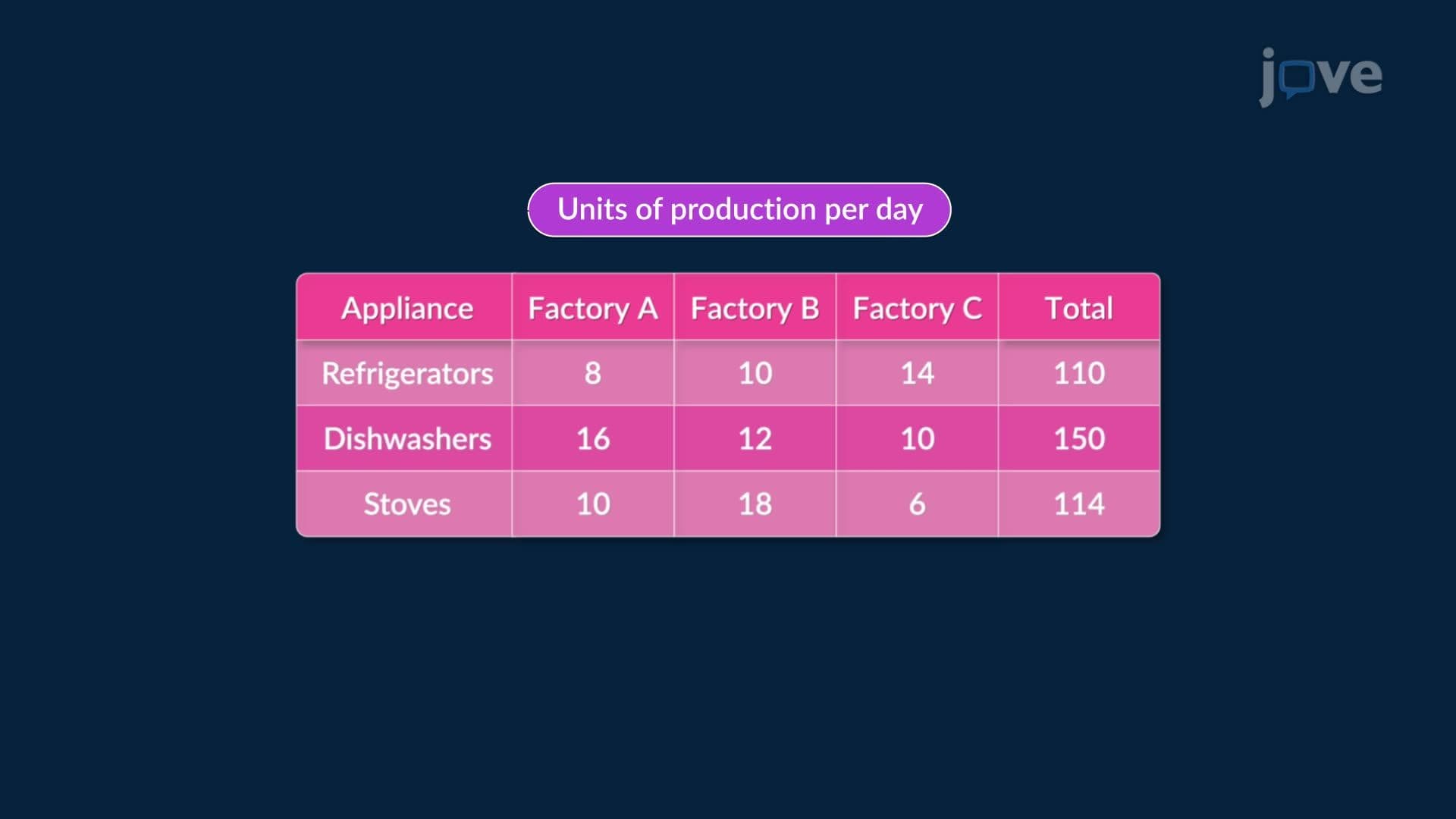
3. Gaussian Elimination for Complex Systems: This advanced technique solves systems with three or more variables by systematically eliminating variables through row operations. Manufacturing applications demonstrate this method's power: factories producing refrigerators, dishwashers, and stoves operate for different numbers of days to meet production quotas. The systematic elimination process reduces complex multi-variable systems to simpler forms, allowing back-substitution to find each variable's value. This method forms the foundation for matrix operations in linear algebra.
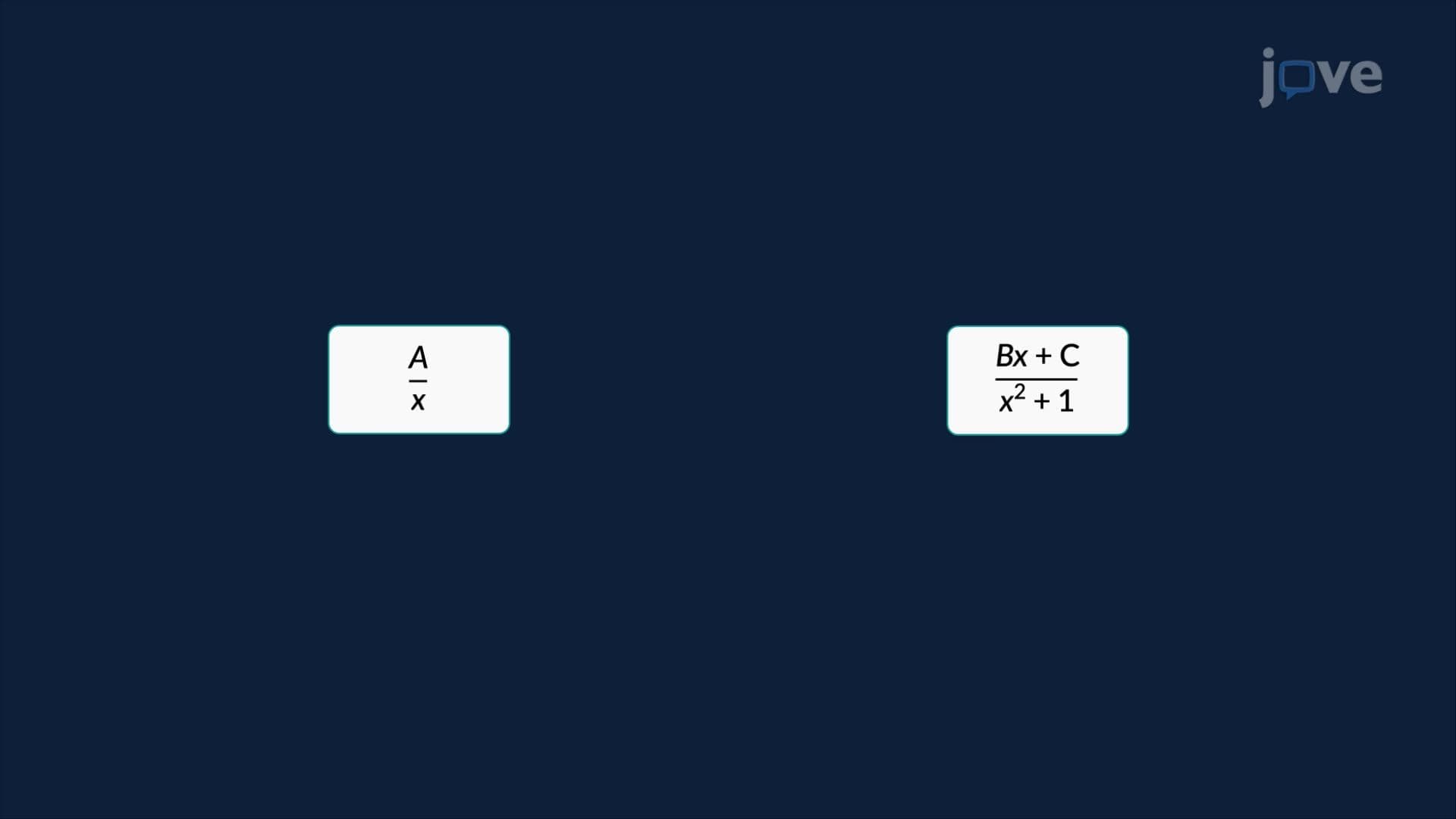
4. Partial Fraction Decomposition: Complex rational expressions can be simplified into manageable partial fractions by completely factoring denominators and assigning unknown constants to simpler terms. Linear factors contribute terms with constant numerators, while irreducible quadratic factors require linear numerators. Repeated factors add multiple terms corresponding to their multiplicity. This technique proves essential in calculus integration and differential equations, particularly in engineering applications involving transfer functions and system analysis in electrical and mechanical engineering contexts.
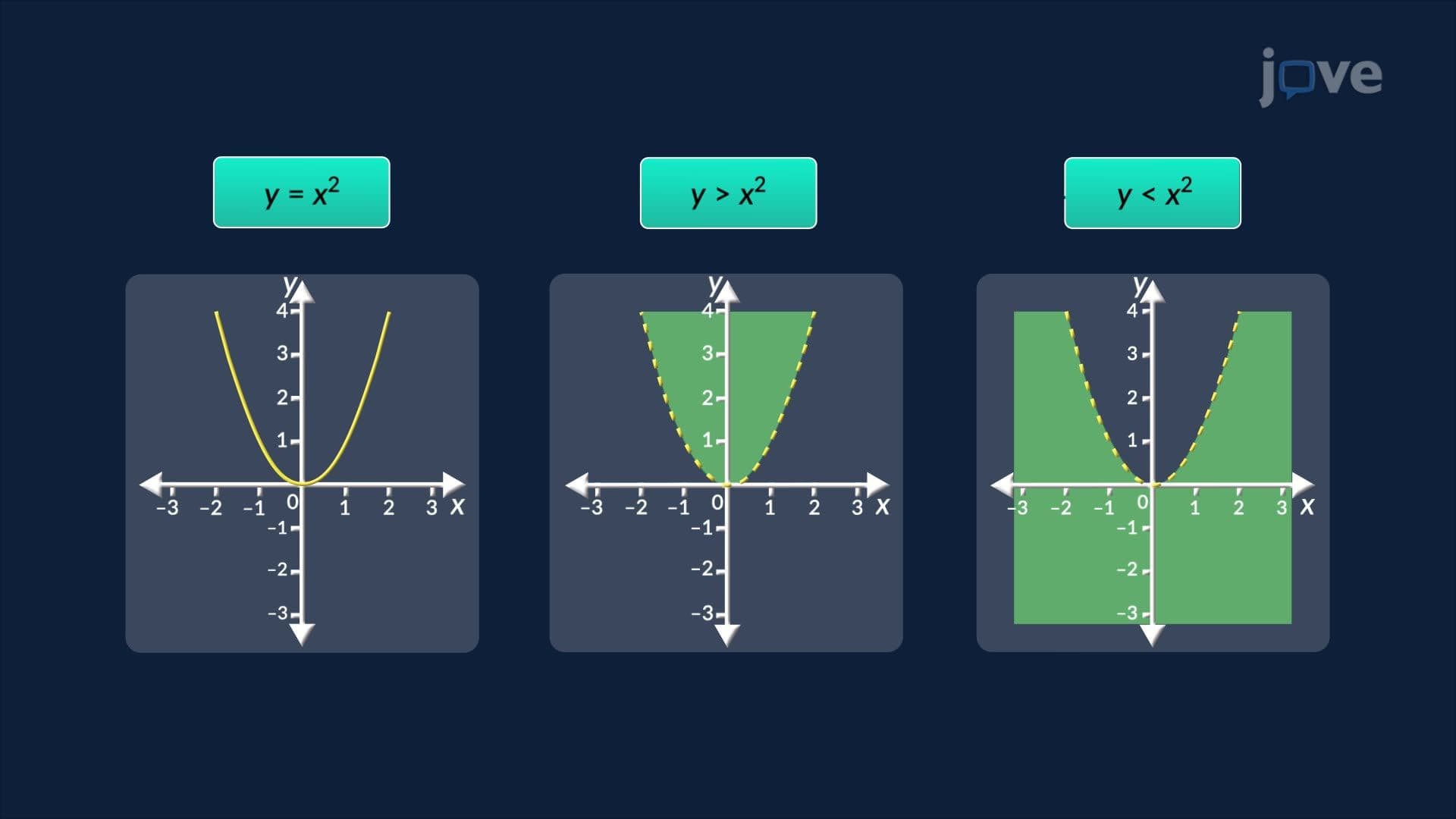
5. Graphical Representation of Inequalities: Inequalities create regions on coordinate planes bounded by curves or lines, with shading indicating solution sets. The boundary appears solid when the inequality includes equality (≥ or ≤) and dashed when it excludes equality (> or <). Test points determine which region satisfies the inequality. Chemical reaction applications demonstrate this concept through temperature-versus-time graphs, where shaded regions identify time intervals meeting specific temperature constraints, essential for maintaining reaction conditions in laboratory and industrial processes.