Loading concepts…


14 Concepts
8 Concepts
14 Concepts
10 Concepts
8 Concepts
5 Concepts
12 Concepts
4 Concepts
8 Concepts
7 Concepts
15 Concepts
 8 Concepts
 384 Views
 Popular topics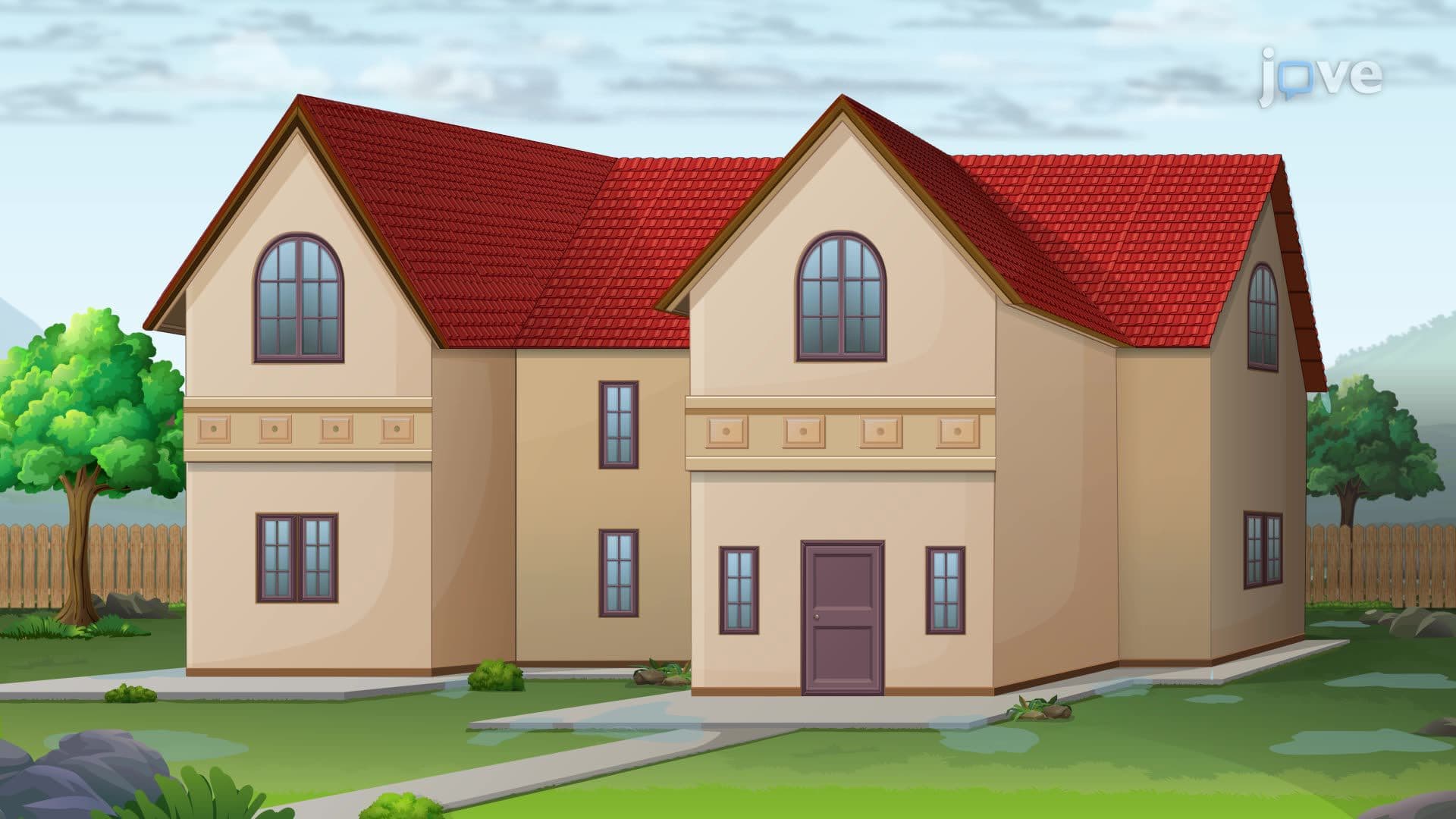


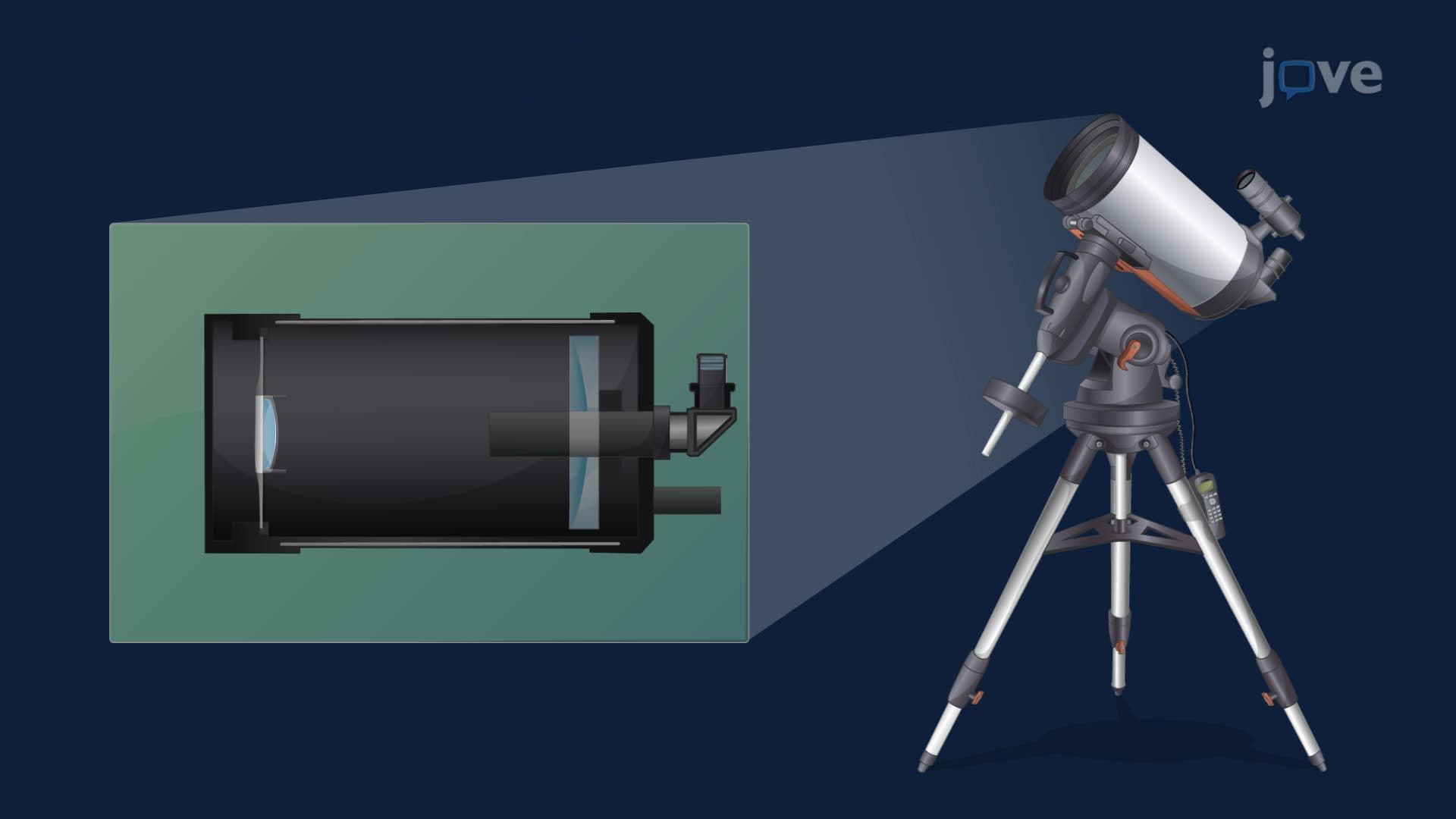
Analytic geometry combines algebra and geometry to study conic sections-parabolas, ellipses, and hyperbolas-using coordinate systems and equations. This comprehensive course explores how these mathematical concepts apply to real-world structures like satellite dishes, suspension bridges, and telescope mirrors throughout the United States. Master the fundamental principles through JoVE Coach's systematic approach to coordinate geometry and conic applications.
1. Line Inclination and Slope Relationships: The inclination of a line represents the angle formed with the positive x-axis, measured counterclockwise, while slope describes the ratio of vertical to horizontal change. These concepts connect through the tangent function, where slope equals the tangent of the inclination angle. When two lines intersect, the angle between them equals the absolute difference of their inclinations. This relationship proves essential for analyzing roof pitch in American construction, where proper angles ensure effective water drainage and structural integrity across different climate zones.
2. Parabola Definition and Standard Forms: A parabola consists of all points equidistant from a fixed point (focus) and a fixed line (directrix). The standard form x² = 4py describes a vertical parabola with vertex at the origin, while y² = 4px represents a horizontal orientation. The parameter p determines the distance from vertex to focus and directrix. American suspension bridges like the Golden Gate Bridge utilize parabolic cable curves to distribute weight evenly across the span, demonstrating how mathematical precision ensures structural safety.
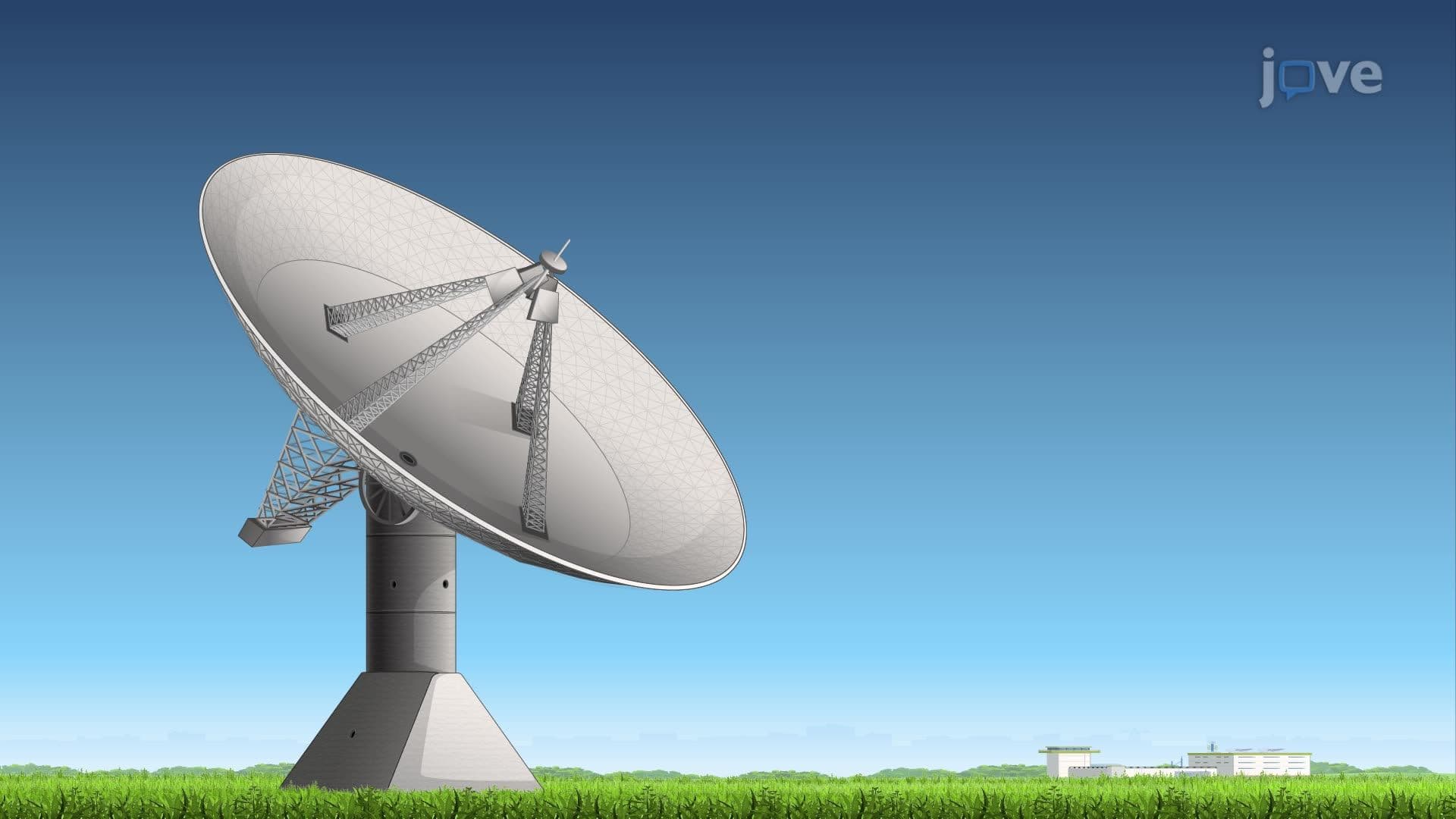
3. Reflective Properties and Applications: Parabolic surfaces possess unique reflective properties where parallel rays converge at the focus point. This principle governs satellite dish design throughout the United States, from residential DirectTV installations to massive radio telescopes like those at the National Radio Astronomy Observatory. For a satellite dish 6 meters wide and 1 meter deep, the receiver positioning at the calculated focus point (2.25 meters above vertex) ensures optimal signal collection efficiency for telecommunications networks.
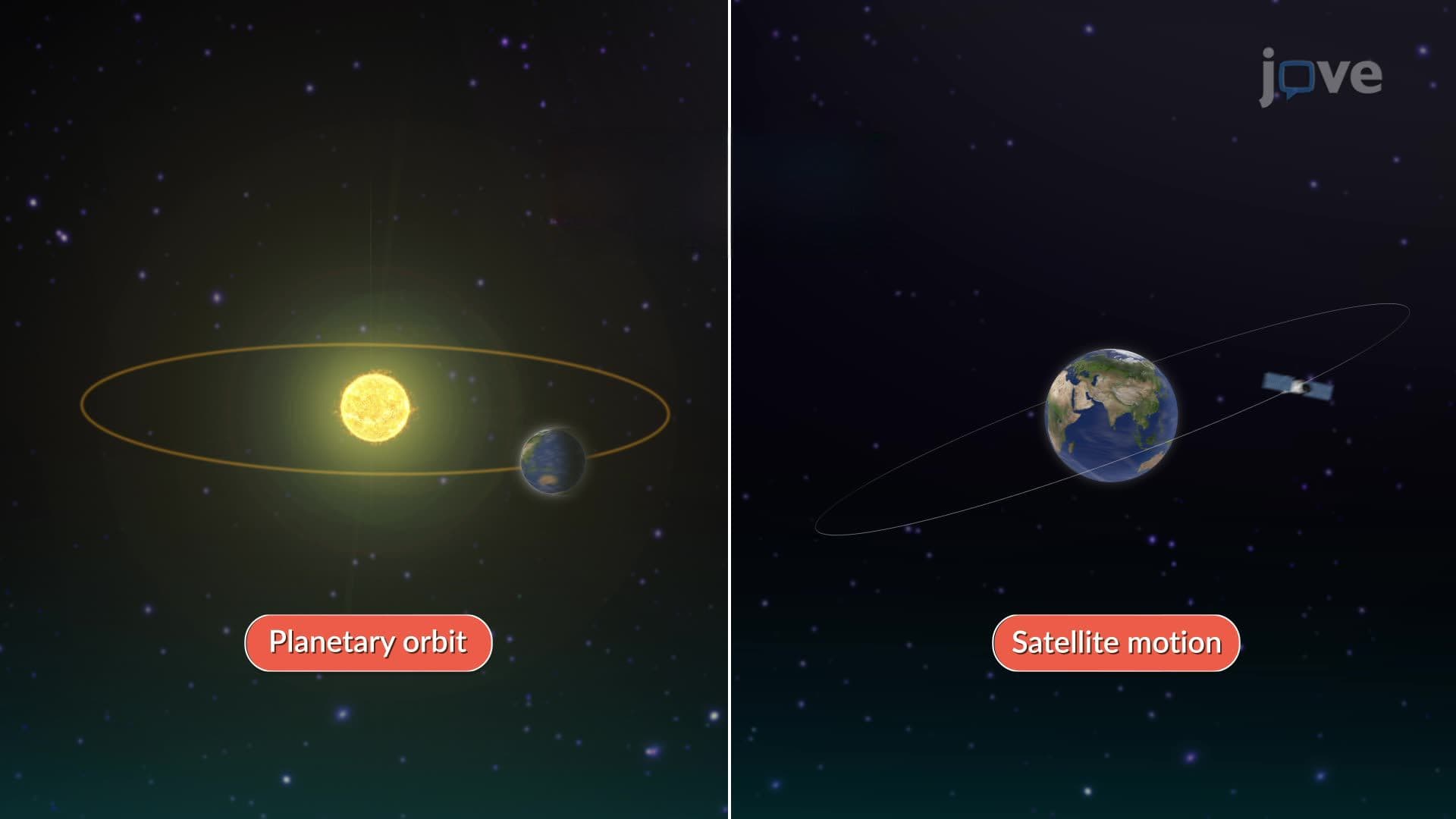
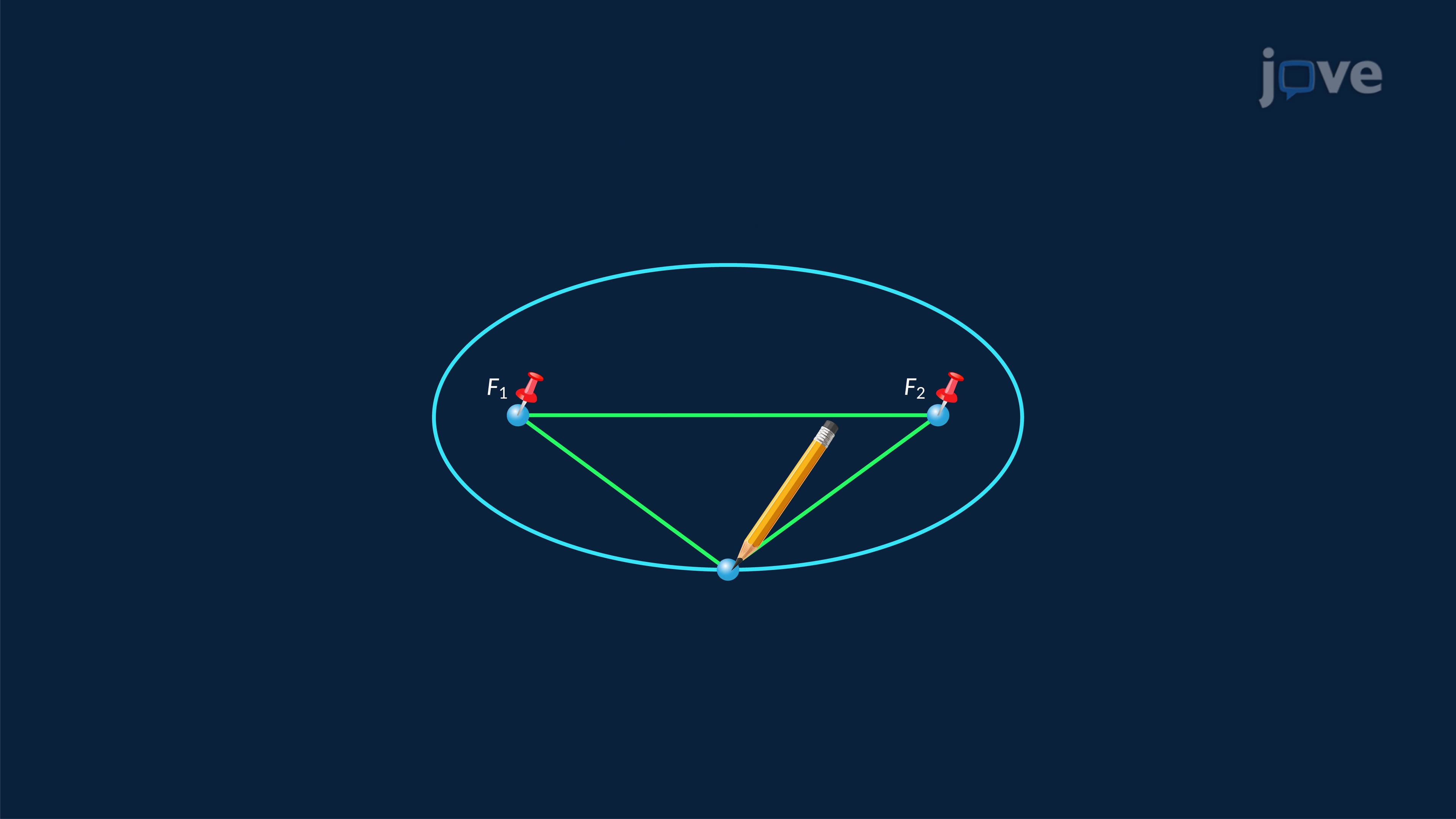
4. Ellipse Geometry and Orbital Mechanics: An ellipse forms when the sum of distances from any point to two fixed foci remains constant. The standard form (x²/a²) + (y²/b²) = 1 describes ellipses centered at the origin, where a and b represent semi-major and semi-minor axis lengths. Planetary orbits exemplify elliptical motion, with NASA's space missions requiring precise elliptical trajectory calculations for spacecraft launches from Kennedy Space Center and other US facilities to achieve proper orbital mechanics around Earth.
5. Eccentricity and Shape Determination: Eccentricity (e = c/a) determines an ellipse's shape, ranging from 0 (perfect circle) to values approaching 1 (highly elongated). Halley's Comet demonstrates extreme eccentricity at 0.967, creating its distinctive elongated orbit with the Sun at one focus. American astronomers track such celestial bodies using eccentricity calculations to predict viewing opportunities across US time zones, with observatories from California to Maine coordinating observation schedules based on orbital mathematics.
6. Hyperbola Structure and Properties: A hyperbola contains two branches where the absolute difference in distances to two foci equals a constant value 2a. The standard form (x²/a²) - (y²/b²) = 1 describes hyperbolas opening horizontally, with asymptotes y = ±(b/a)x guiding the branches to infinity. American nuclear power plants utilize hyperbolic cooling towers because this shape optimizes structural strength while promoting efficient airflow circulation, demonstrating how mathematical curves solve practical engineering challenges in US energy infrastructure.
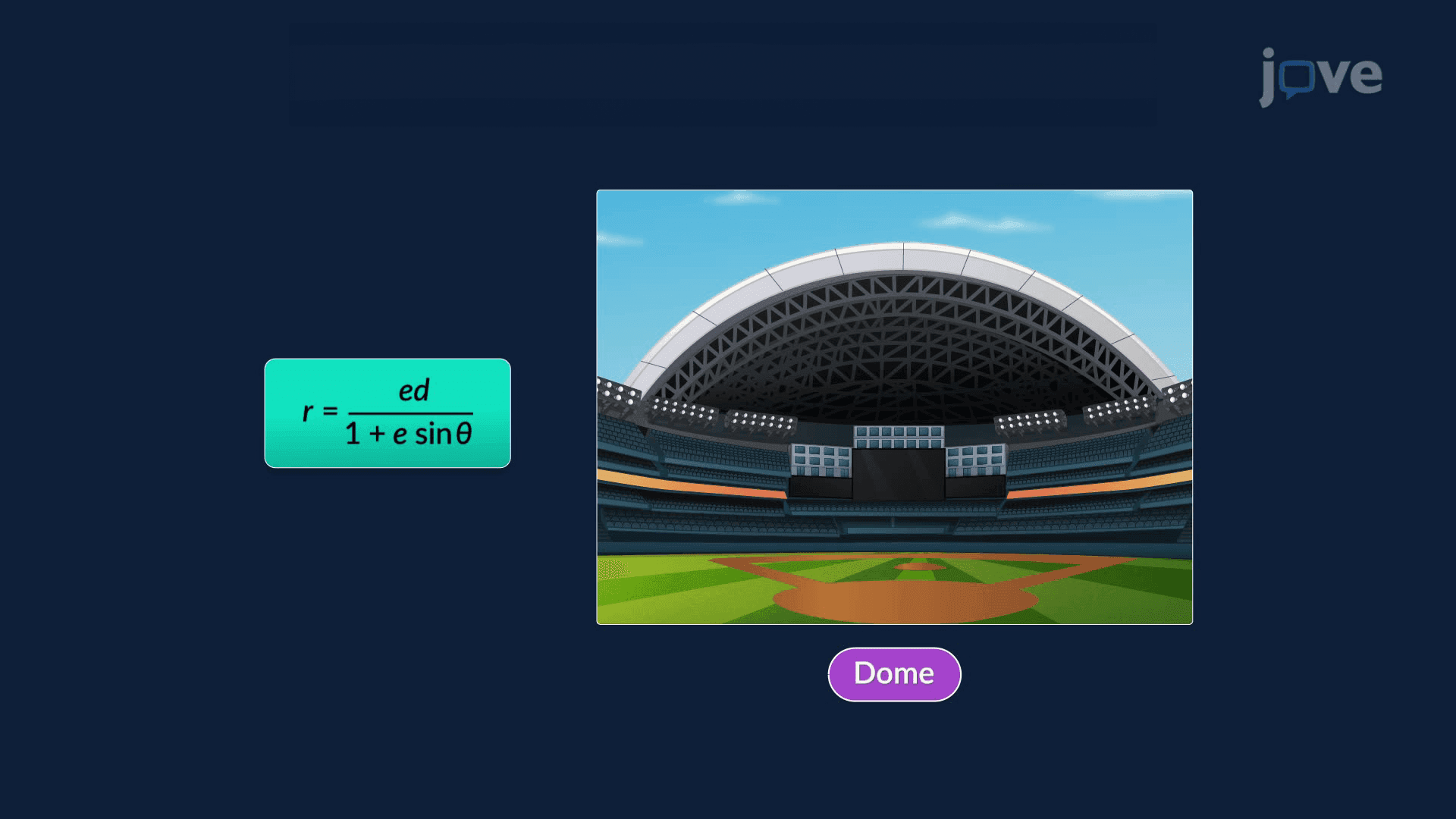
7. Polar Equations of Conic Sections: The unified polar equation r = ed/(1 ± e cos θ) or r = ed/(1 ± e sin θ) describes all conic sections based on eccentricity values and directrix orientation. When e < 1, the curve forms an ellipse; e = 1 creates a parabola; e > 1 produces a hyperbola. American architectural projects like domed stadiums and planetariums utilize polar conic equations to design structures that distribute loads evenly while creating aesthetically pleasing curves that enhance both function and visual appeal.