Loading video…

 8 Concepts
 384 views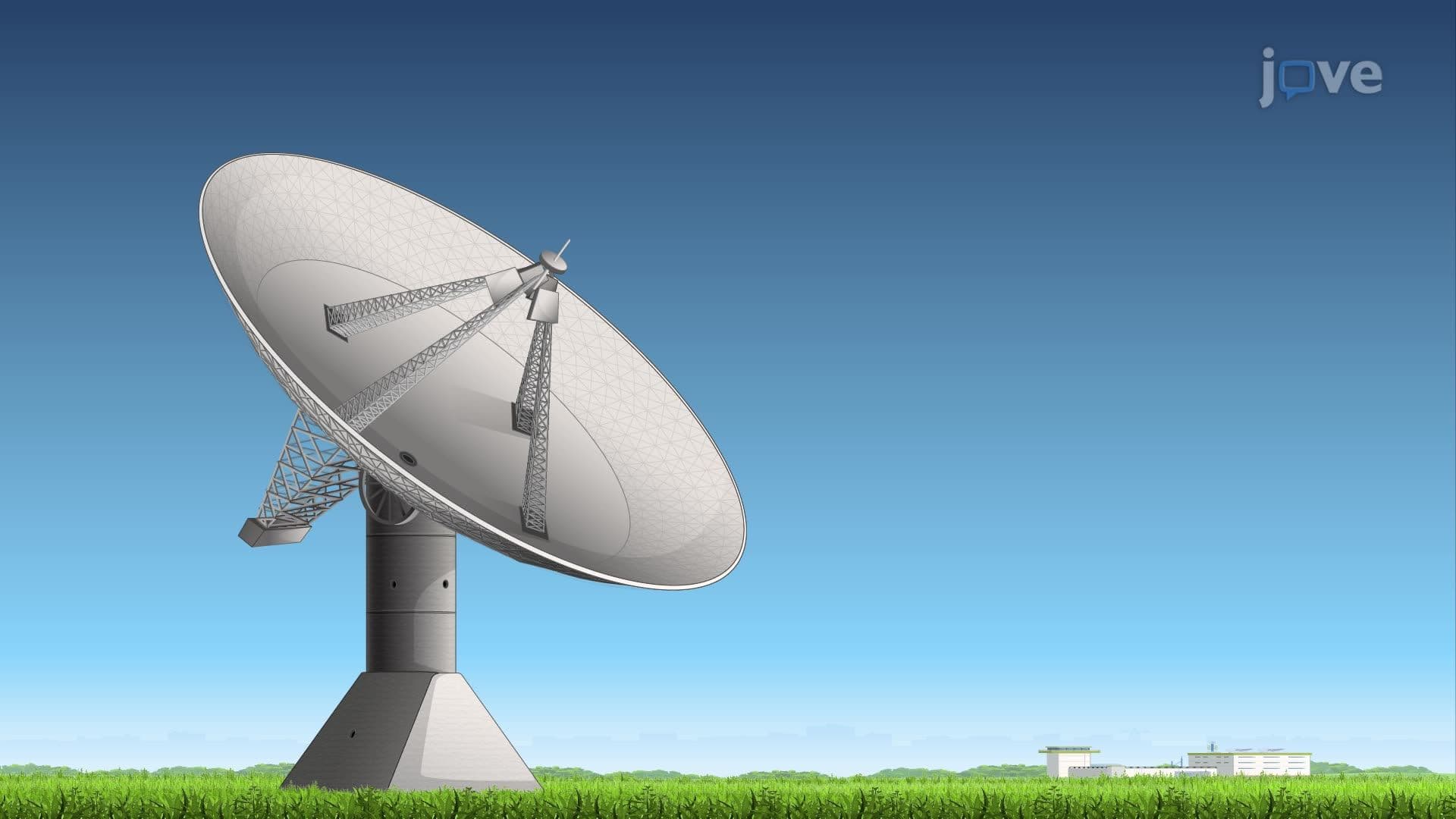

Video Summary: What Is Reflective Property of Parabolas
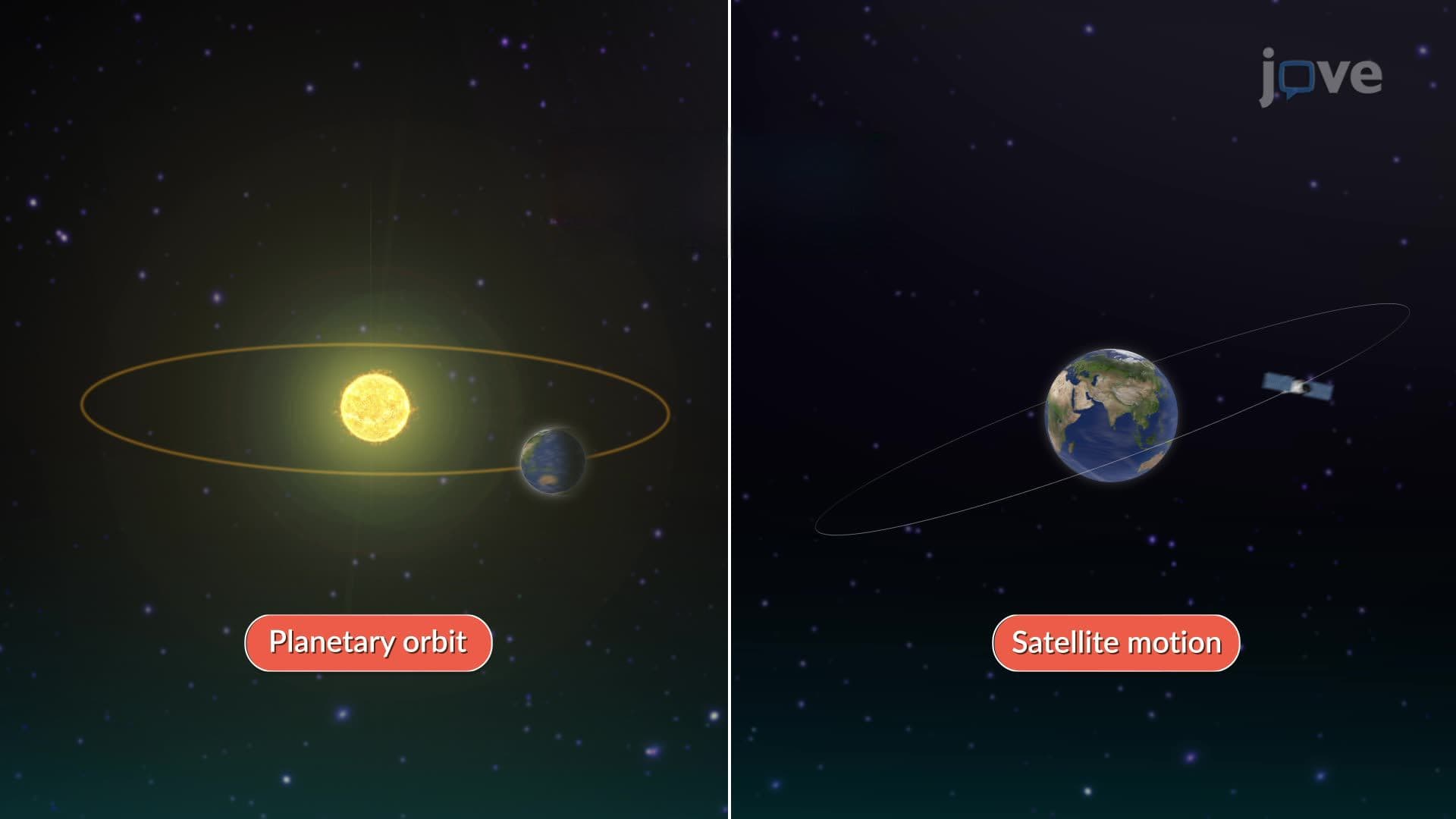
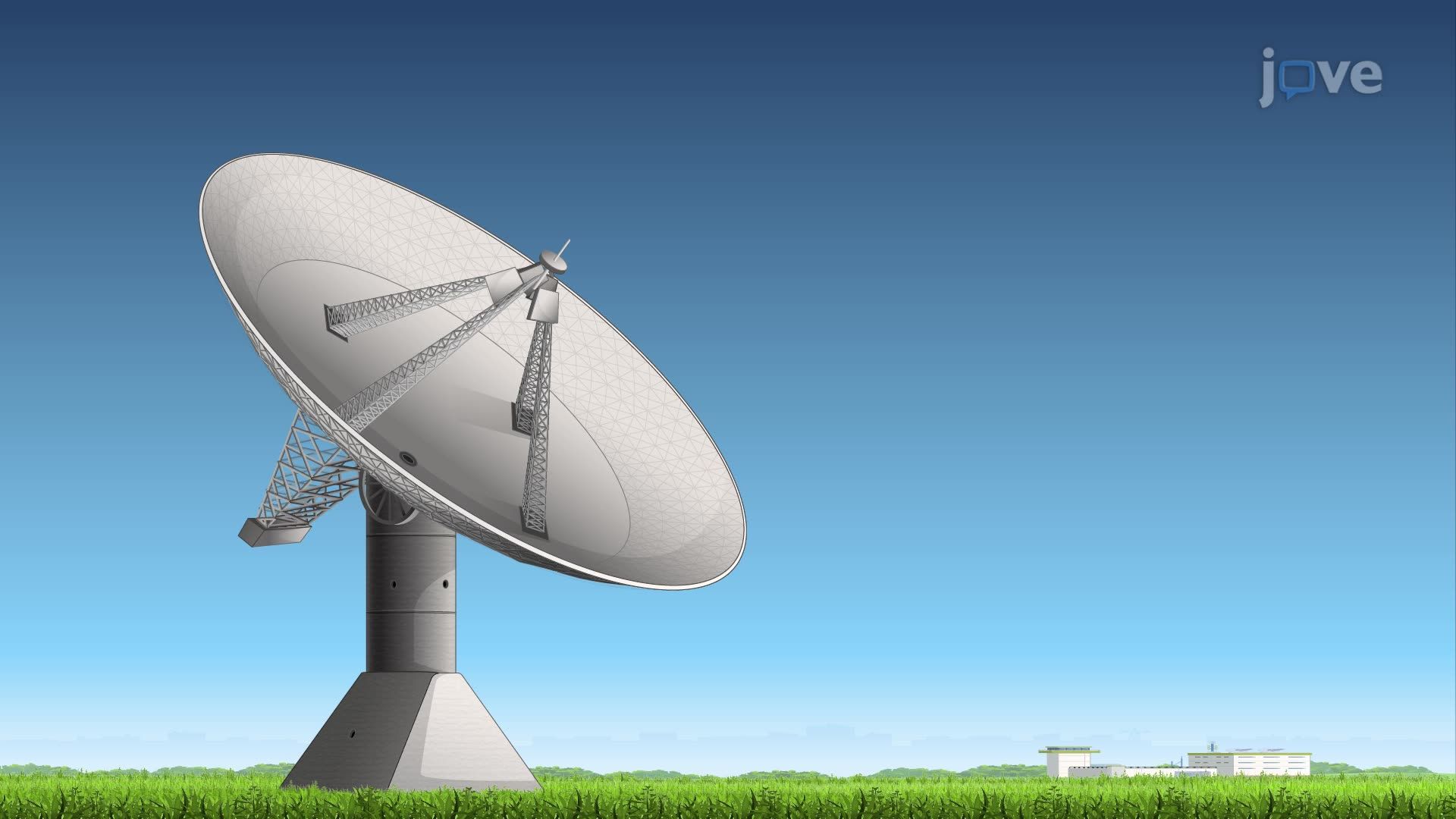
Ever wonder why satellite dishes are curved in that specific U-shape? The reflective property of parabolas explains how these dishes can capture weak signals from space and focus them perfectly onto a tiny receiver. This mathematical principle demonstrates that when parallel rays hit a parabolic surface, they all reflect to meet at a single point called the focus. NASA's Deep Space Network uses 230-foot parabolic antennas in California to communicate with spacecraft millions of miles away, relying entirely on this geometric property. Watch the full video on JoVE Coach to master this concept with expert-led visuals and step-by-step explanations.
The reflective property of parabolas represents one of mathematics' most elegant applications in modern technology. This fundamental principle states that any ray traveling parallel to a parabola's axis of symmetry will reflect off the curve and pass through the focus point. Conversely, rays emanating from the focus reflect off the parabola and travel parallel to the axis. This bidirectional property makes parabolas invaluable in both collecting and transmitting signals.
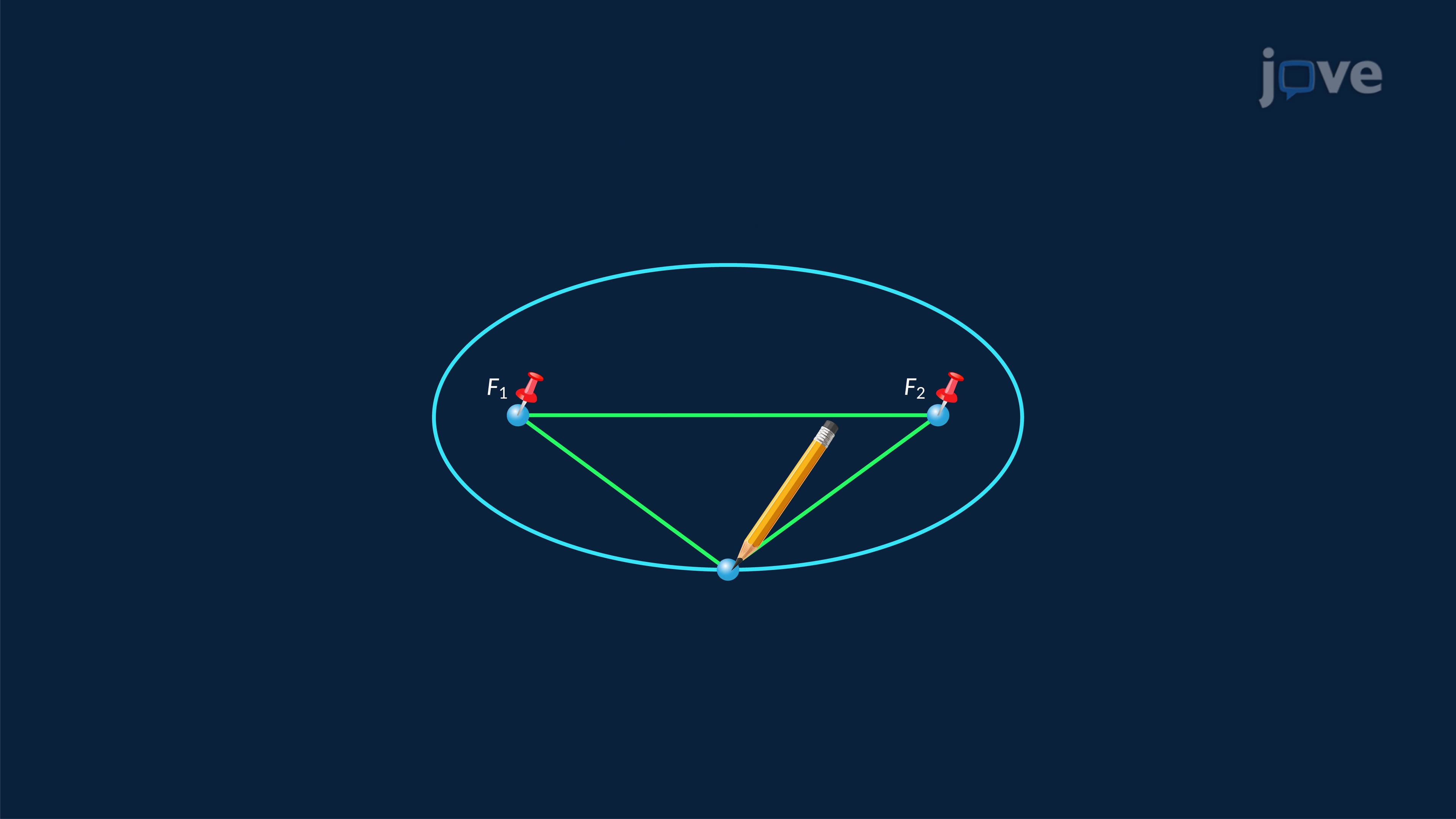
The reflective property stems from the parabola's defining characteristic: every point on the curve maintains equal distance from both the focus and the directrix. When we model a parabola using the standard form x² = 4py, the parameter p determines the focal distance from the vertex. In practical applications like the 6-meter satellite dish example, calculating p = 2.25 meters tells engineers exactly where to position the receiver for optimal signal collection.
This geometric relationship appears frequently on AP Calculus exams and SAT Subject Tests, where students must apply the distance formula and parabolic equations. College algebra courses at institutions like UCLA and University of Texas emphasize how this property connects pure mathematics to engineering applications.
The reflective property drives numerous technologies across the United States. The Arecibo Observatory in Puerto Rico (before its collapse) used a 1,000-foot parabolic dish to detect radio signals from deep space. Solar power plants in California's Mojave Desert employ parabolic trough collectors that focus sunlight onto pipes, heating water to generate steam for electricity production.
Automotive headlights utilize parabolic reflectors to create parallel light beams from a single bulb positioned at the focus. The principle also appears in microwave antennas, radar systems, and even acoustic applications like the whispering galleries in Grand Central Terminal, where parabolic architecture focuses sound waves.
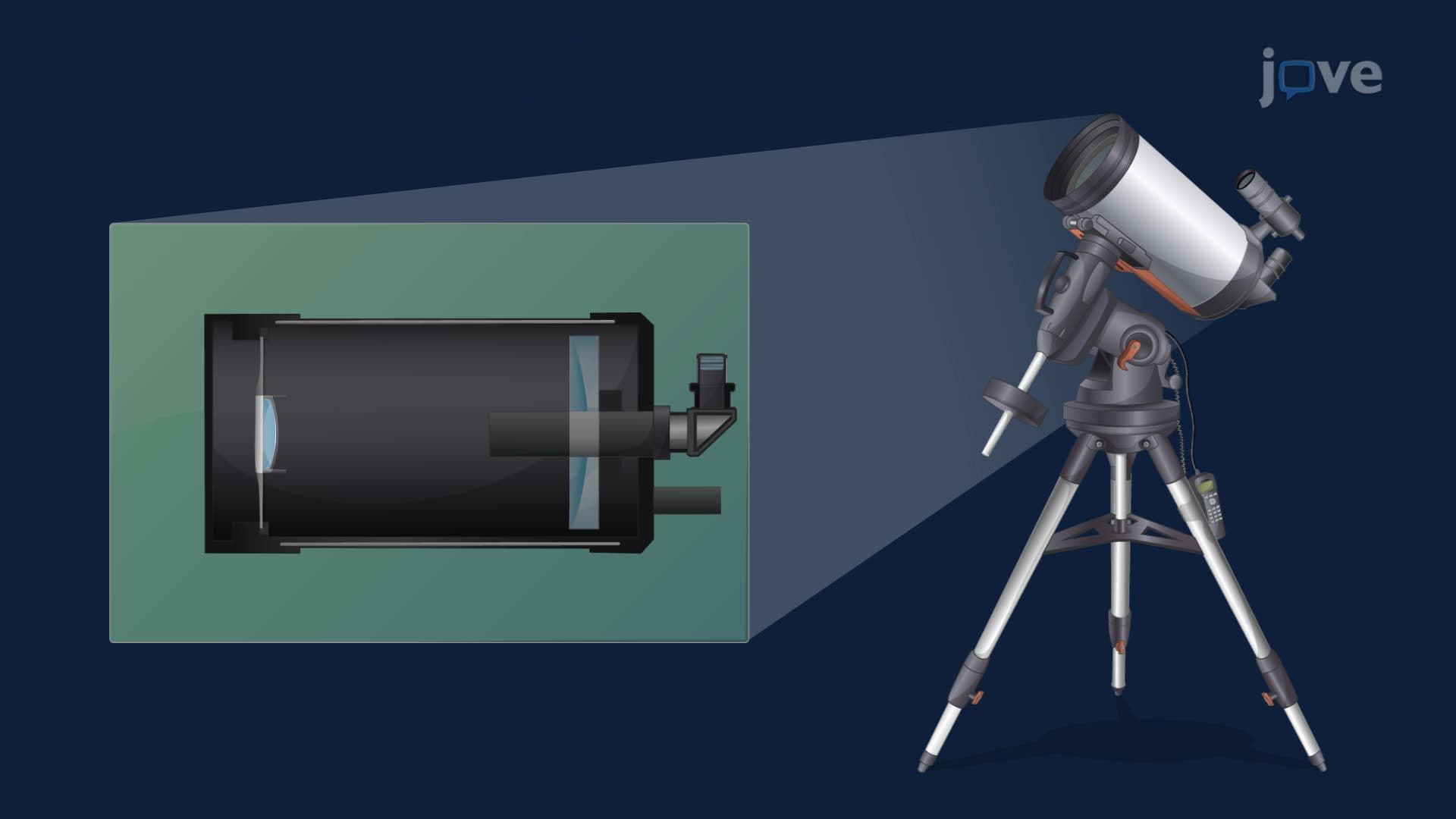
Students encounter parabolic reflection problems in various academic contexts. Physics courses explore how parabolic mirrors in reflecting telescopes gather light, while engineering programs analyze antenna design optimization. MCAT preparation often includes optics questions involving parabolic mirrors, requiring understanding of focal length calculations and ray diagrams.
The mathematical modeling process-identifying key points, applying standard forms, and solving for parameters-develops critical thinking skills essential for STEM careers. These problem-solving techniques transfer directly to advanced coursework in differential equations and electromagnetic theory.
Related Micro-courses