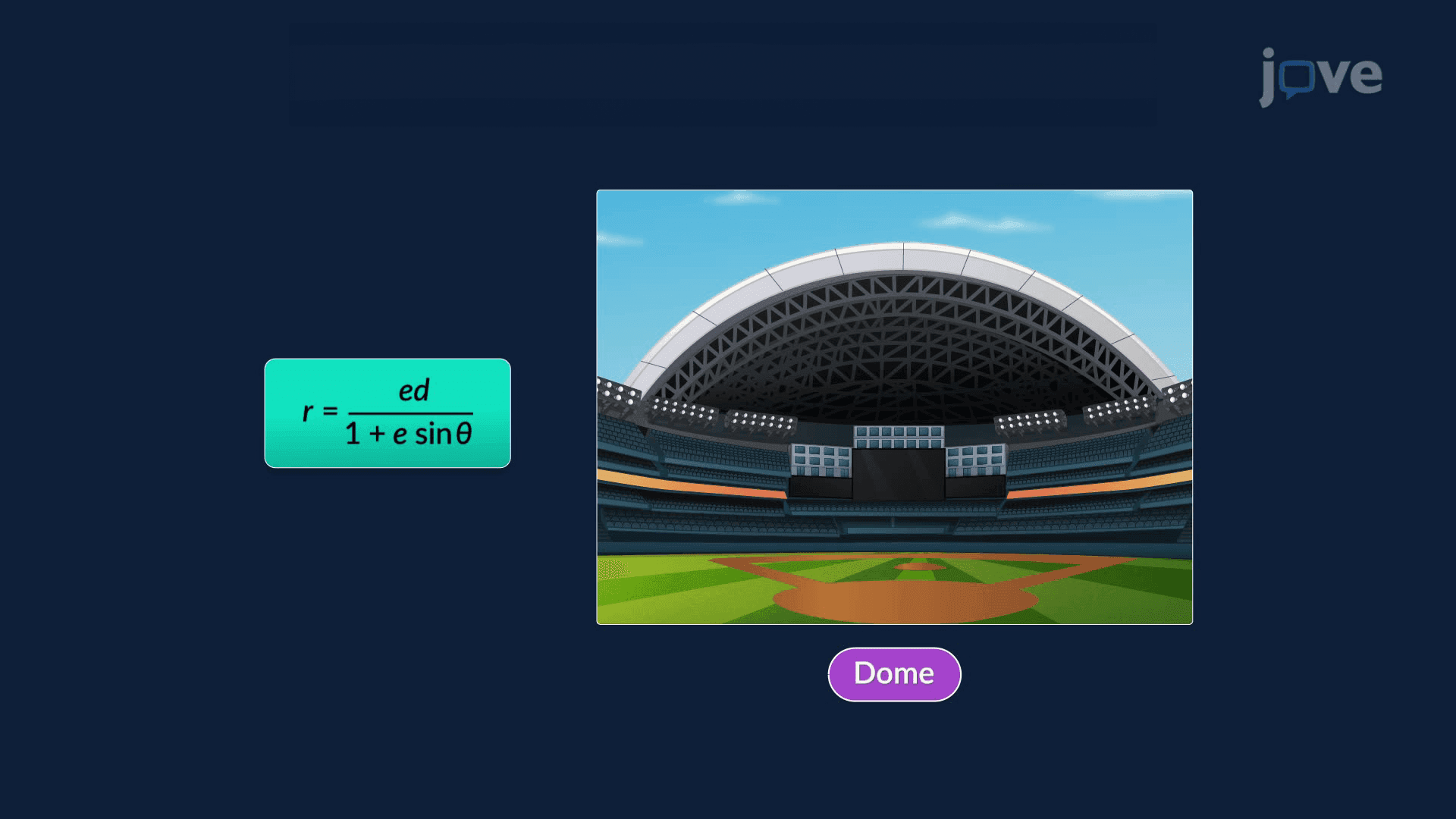
Loading video…

 8 Concepts
 384 views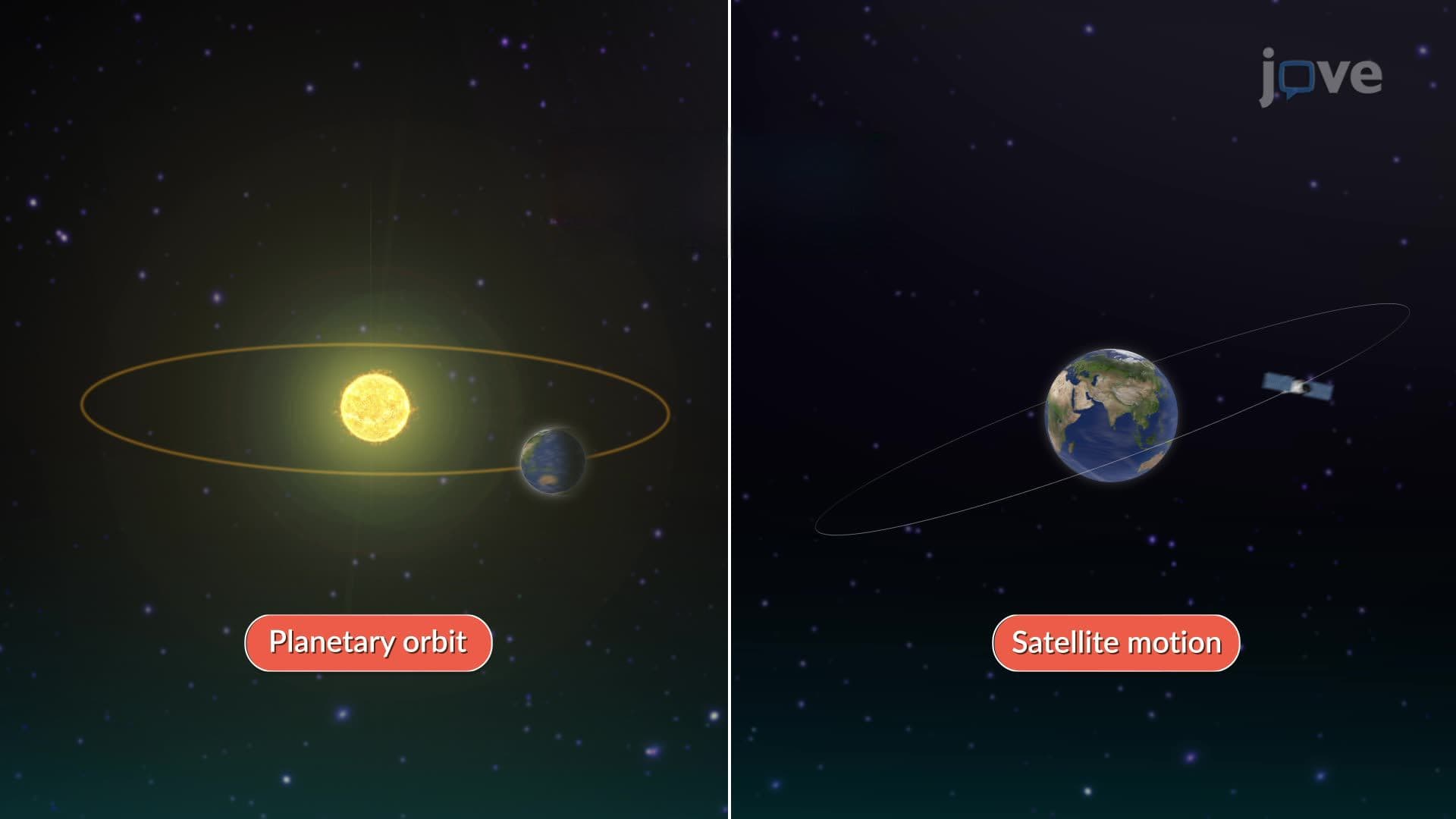

Video Summary: What Is Ellipses
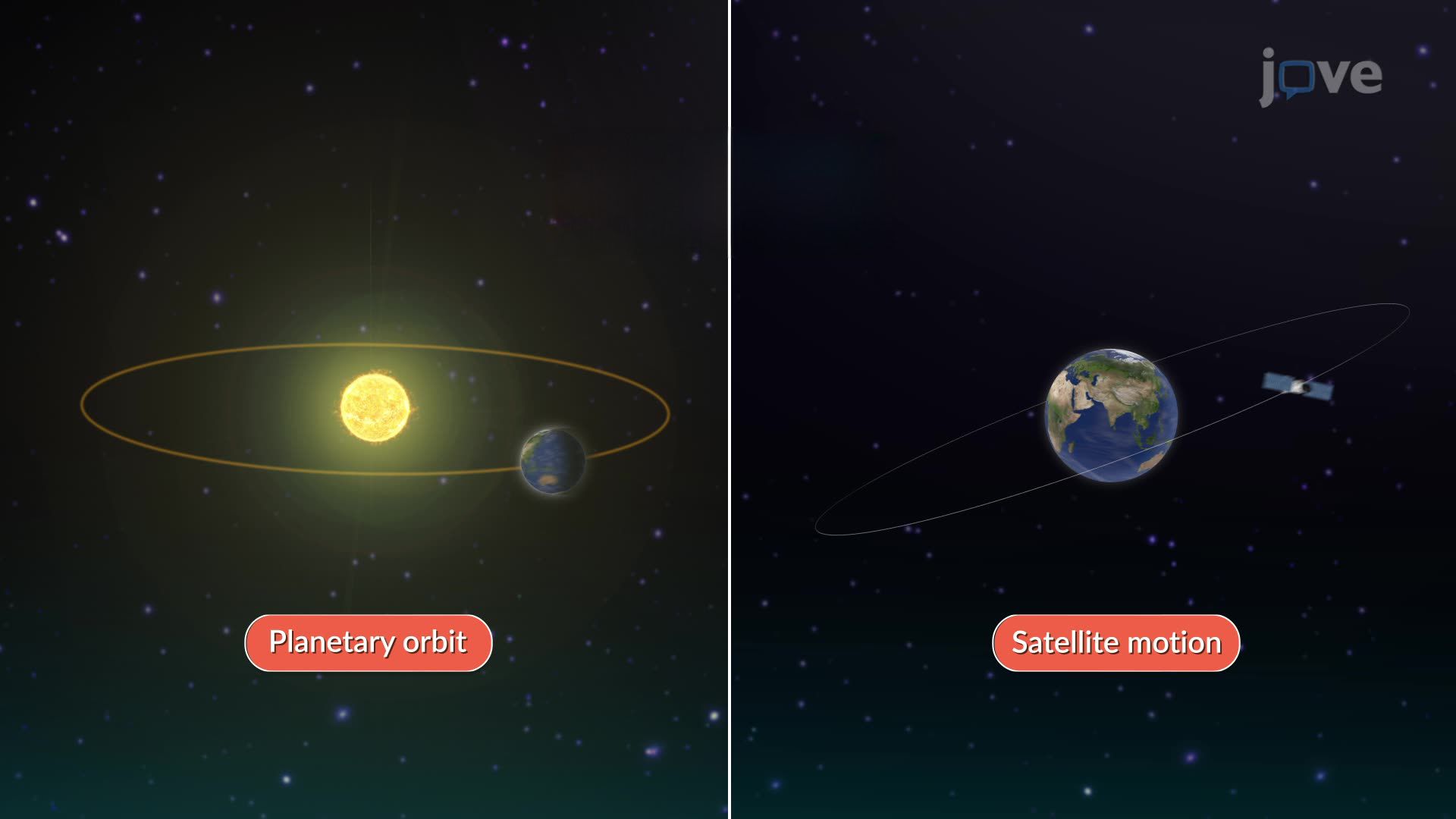
Did you know that Earth's orbit around the Sun isn't perfectly circular but actually follows an elliptical path? Ellipses are fascinating geometric shapes formed when a plane cuts through a cone at an angle, creating closed curves where the sum of distances to two fixed points (called foci) remains constant. From NASA's satellite trajectories to the orbital mechanics governing our solar system, ellipses appear throughout space science and engineering applications. Watch the full video on JoVE Coach to master this concept with expert-led visuals and step-by-step explanations.
Ellipses represent one of the most important conic sections in mathematics and science. Unlike perfect circles, ellipses are "stretched" oval shapes that occur naturally throughout our universe. When you slice a cone with a plane at an angle (but not parallel to the base), you create an elliptical cross-section. This geometric relationship explains why ellipses appear in everything from planetary motion to the design of whispering galleries in museums like the U.S. Capitol's Statuary Hall.
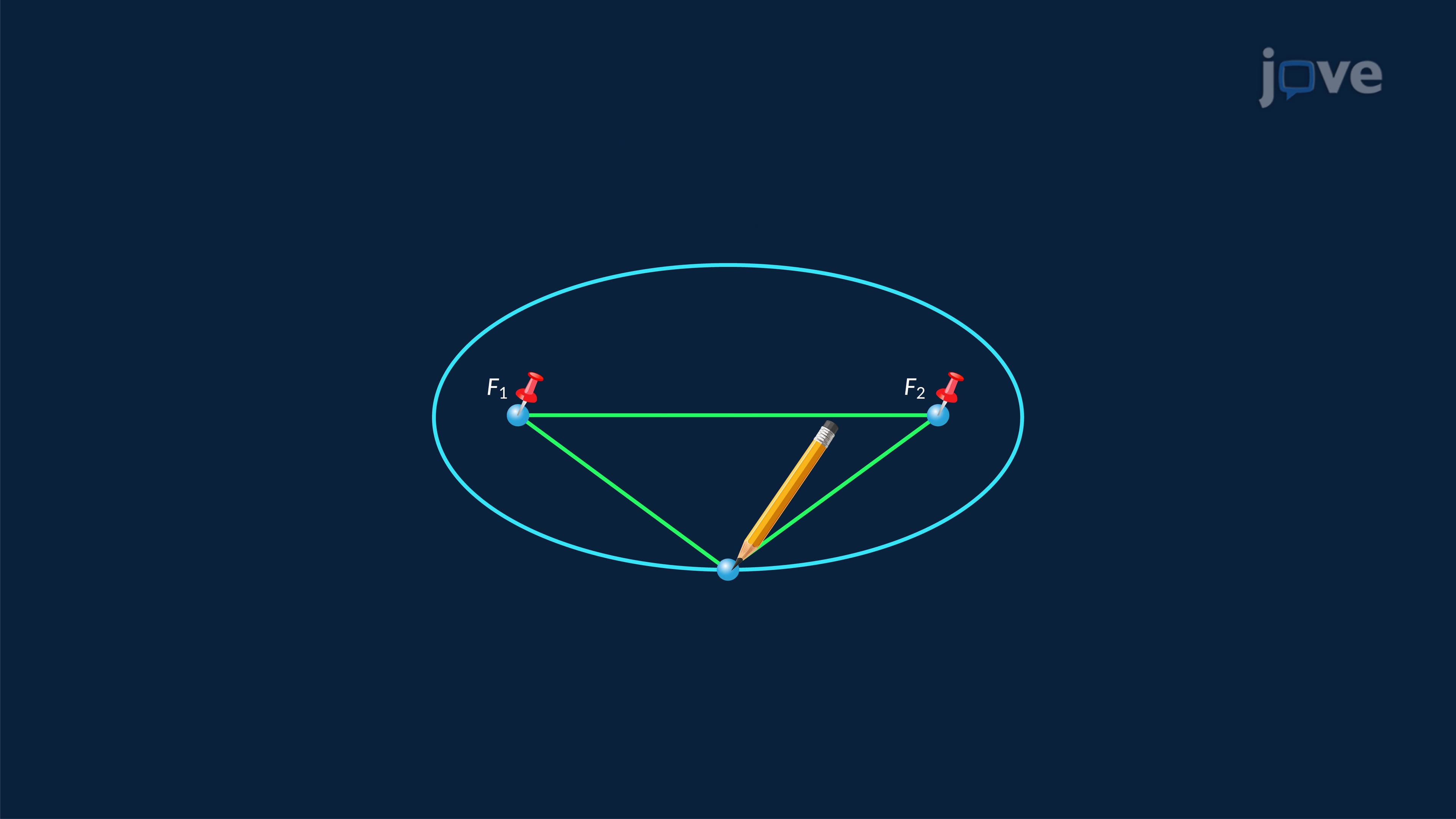
The geometric definition of ellipses centers on a remarkable property: for any point on the curve, the sum of distances to two fixed points (foci) remains constant. Imagine stretching a string around two pins on a board-as you trace with a pencil keeping the string taut, you'll draw a perfect ellipse. The major axis represents the longest diameter, while the minor axis represents the shortest. These intersect at the ellipse's center, with the major axis endpoints called vertices.
The algebraic representation of ellipses follows the standard form: x²/a² + y²/b² = 1, where 'a' and 'b' represent the semi-major and semi-minor axis lengths respectively. This equation proves invaluable in AP Calculus, SAT Subject Test problems, and college-level analytical geometry courses. Students often encounter ellipse problems in physics when studying orbital mechanics or in engineering when designing elliptical gears and reflectors.
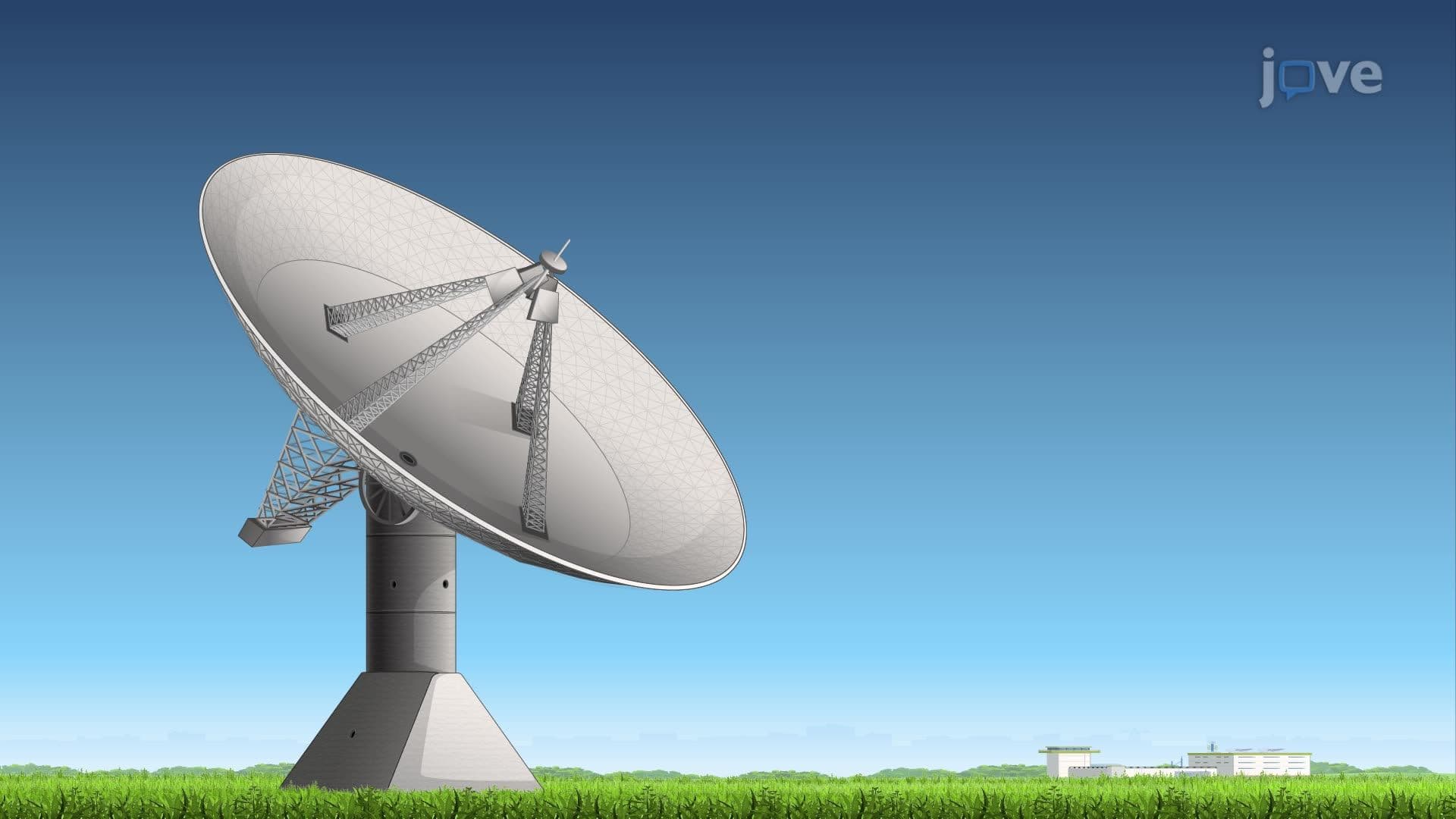
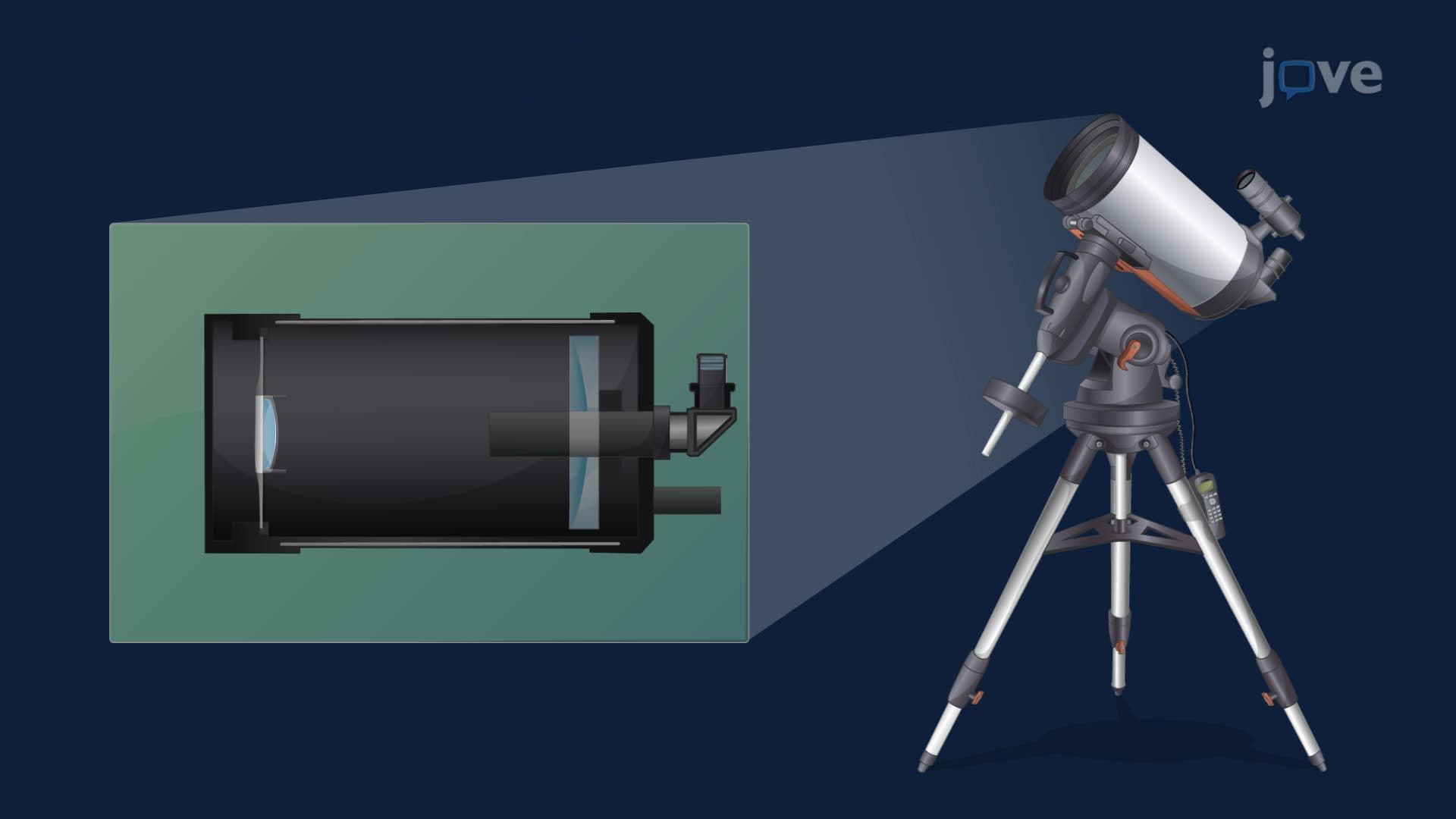
Elliptical motion governs the orbits of all planets in our solar system, including Earth's path around the Sun. NASA engineers rely on elliptical mathematics when planning satellite launches and space missions. The Hubble Space Telescope, launched from Kennedy Space Center, follows an elliptical orbit optimized for clear astronomical observations. Architectural marvels like the Jefferson Memorial in Washington, D.C., incorporate elliptical designs for both aesthetic appeal and acoustic properties.
Related Micro-courses