Loading video…

 8 Concepts
 386 views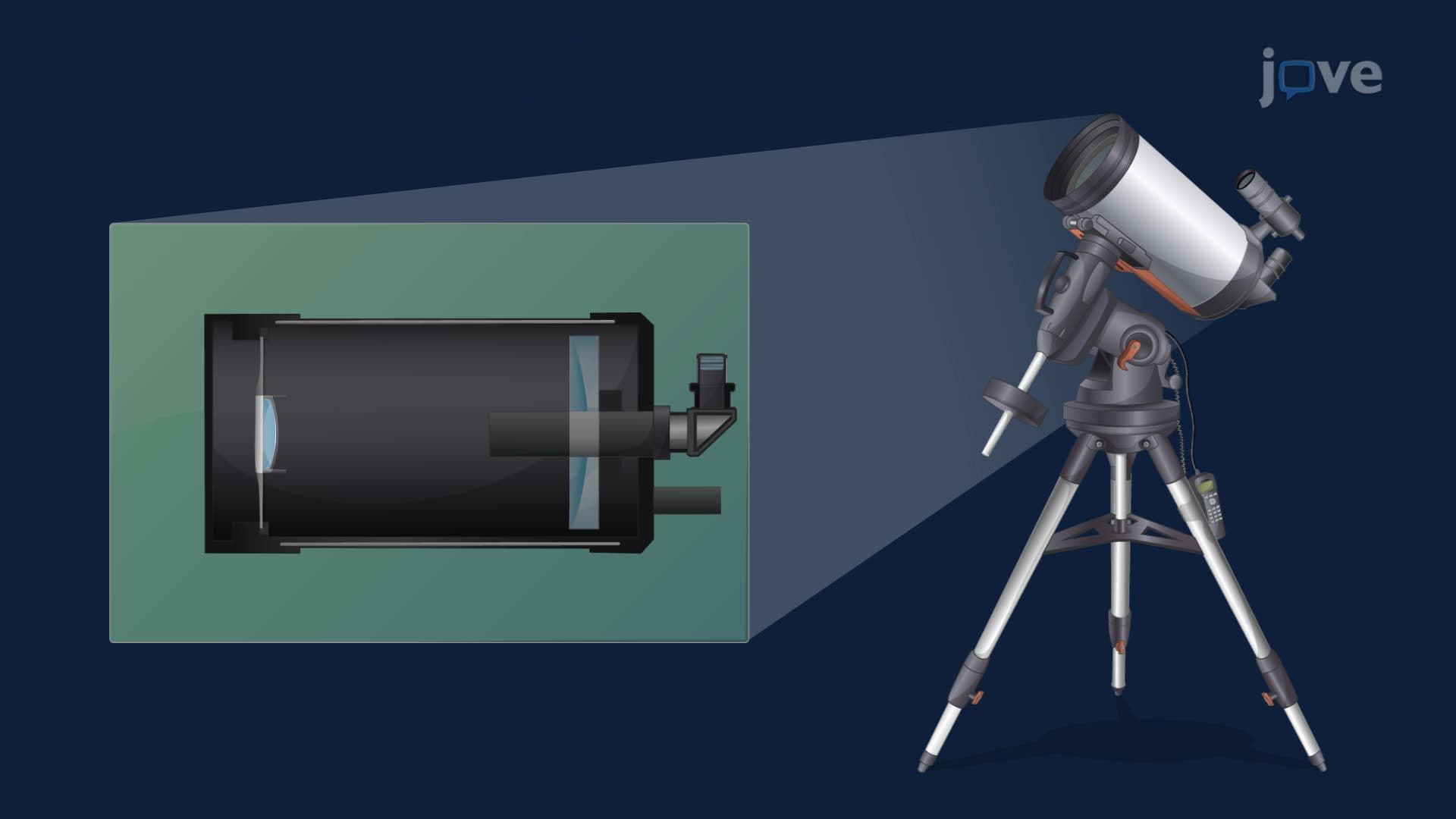

Video Summary: What Is Geometry of Hyperbolas
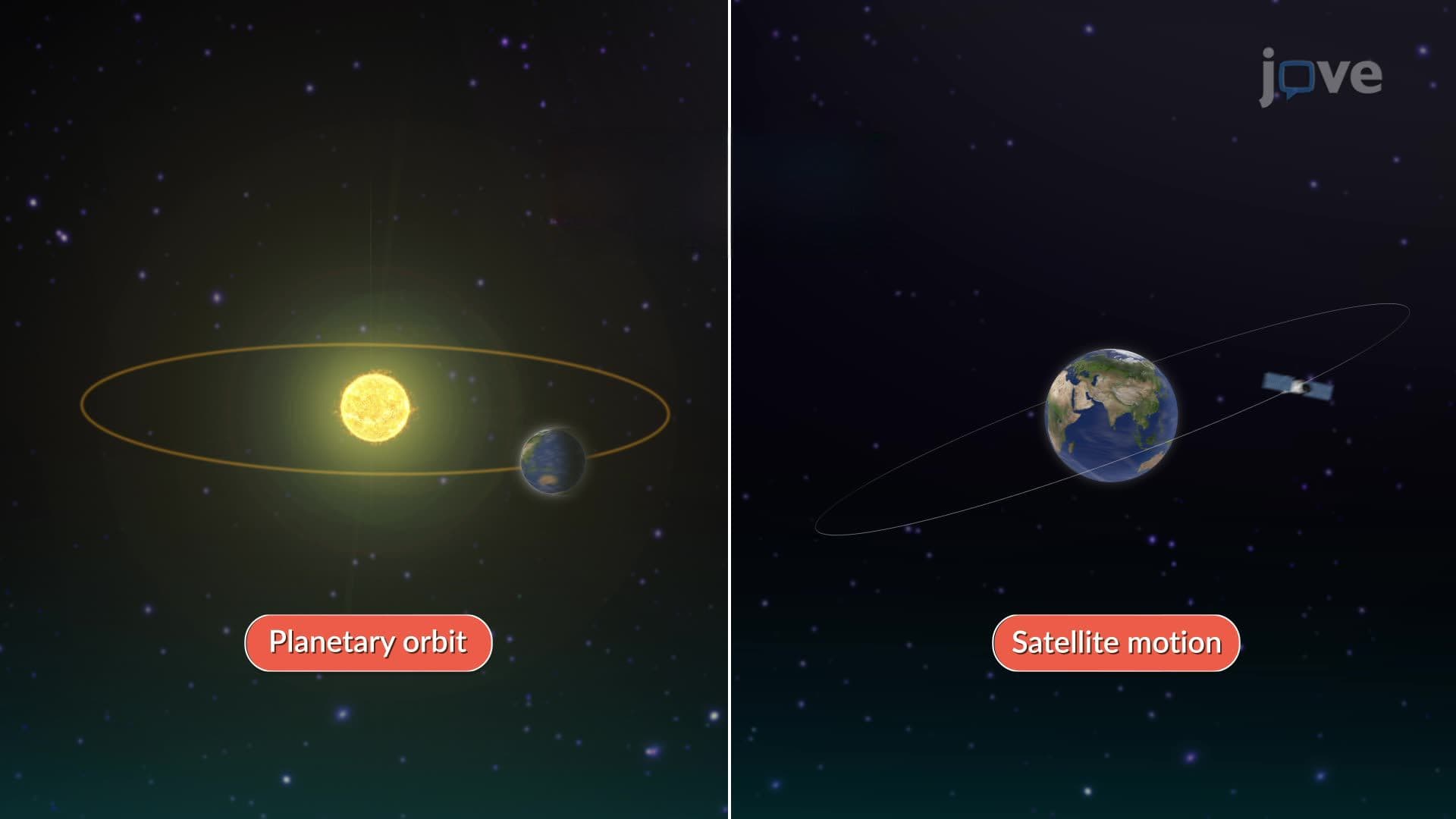
Ever wondered how NASA engineers design spacecraft trajectories that swing around planets? The geometry of hyperbolas makes this possible through precise mathematical curves. Understanding what is geometry of hyperbolas reveals two open branches connected by a constant distance relationship between focal points. This fundamental conic section appears everywhere from satellite orbits to the design of telescope mirrors in observatories like the Palomar Observatory in California. Watch the full video on JoVE Coach to master this concept with expert-led visuals and step-by-step explanations.
The geometry of hyperbolas represents one of the most fascinating conic sections in mathematics, characterized by two distinct open curves that extend infinitely in opposite directions. Unlike ellipses or circles, hyperbolas consist of two separate branches that never connect, each following a precise mathematical relationship based on focal points.
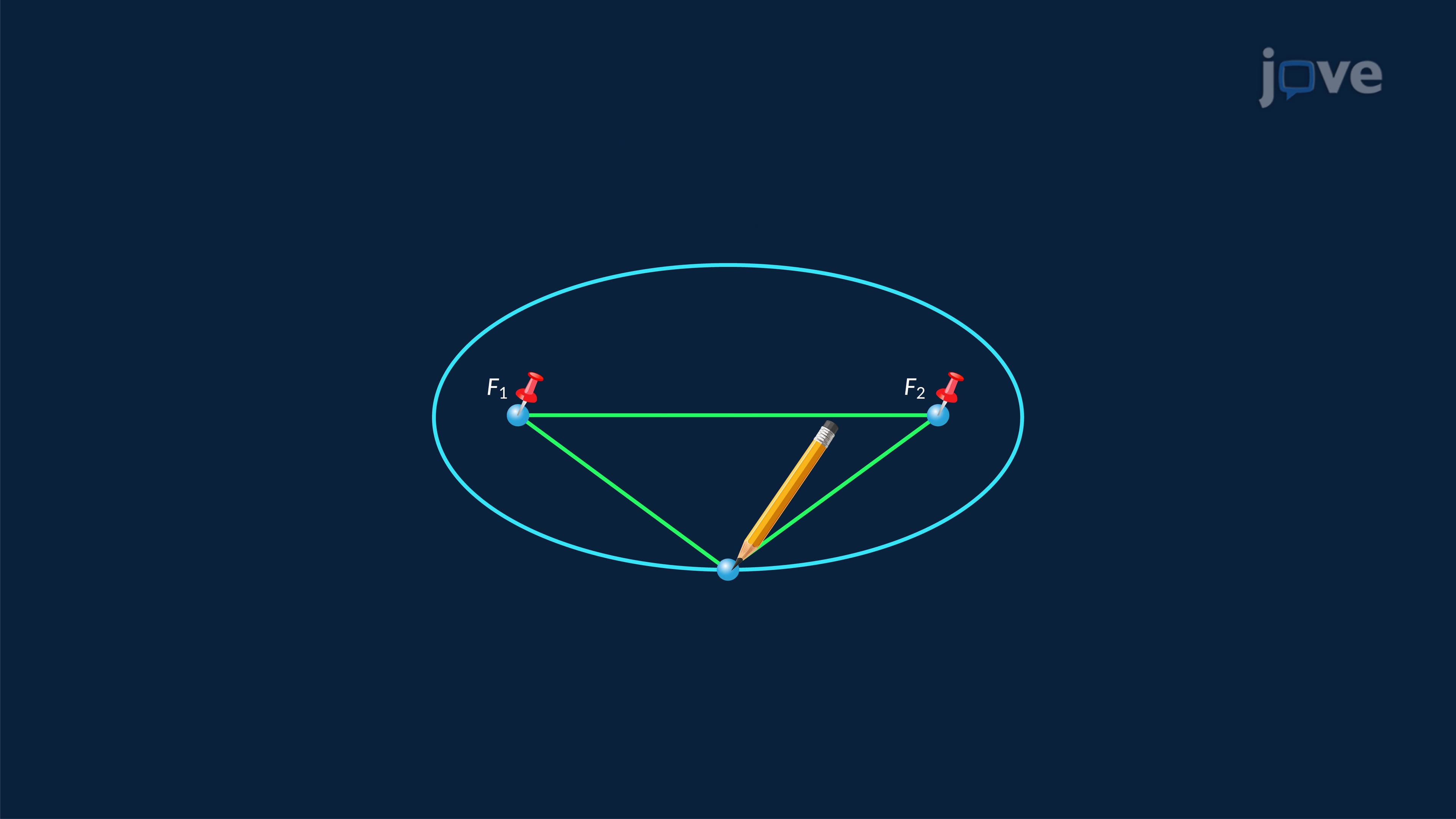
A hyperbola's fundamental property centers on the constant absolute difference between distances from any point on the curve to two fixed points called foci. If we place a point P anywhere on either branch, the absolute value of |PF₁ - PF₂| remains constant, where F₁ and F₂ represent the two foci. This relationship distinguishes hyperbolas from ellipses, where the sum of distances remains constant instead.
The standard equation x²/a² - y²/b² = 1 describes a hyperbola centered at the origin with a horizontal transverse axis. Here, 'a' determines the distance from center to vertex (2a spans both vertices), while 'b' affects the hyperbola's "width" and asymptote slopes. Students preparing for AP Calculus or college algebra courses should master this equation's geometric interpretation, as it frequently appears on standardized tests.
Asymptotes serve as invisible guide lines that hyperbola branches approach but never touch. For the standard horizontal hyperbola, these diagonal lines have equations y = ±(b/a)x, creating slopes determined by the ratio b/a. The central rectangle, with dimensions 2a by 2b, provides a visual framework where asymptotes pass through opposite corners.
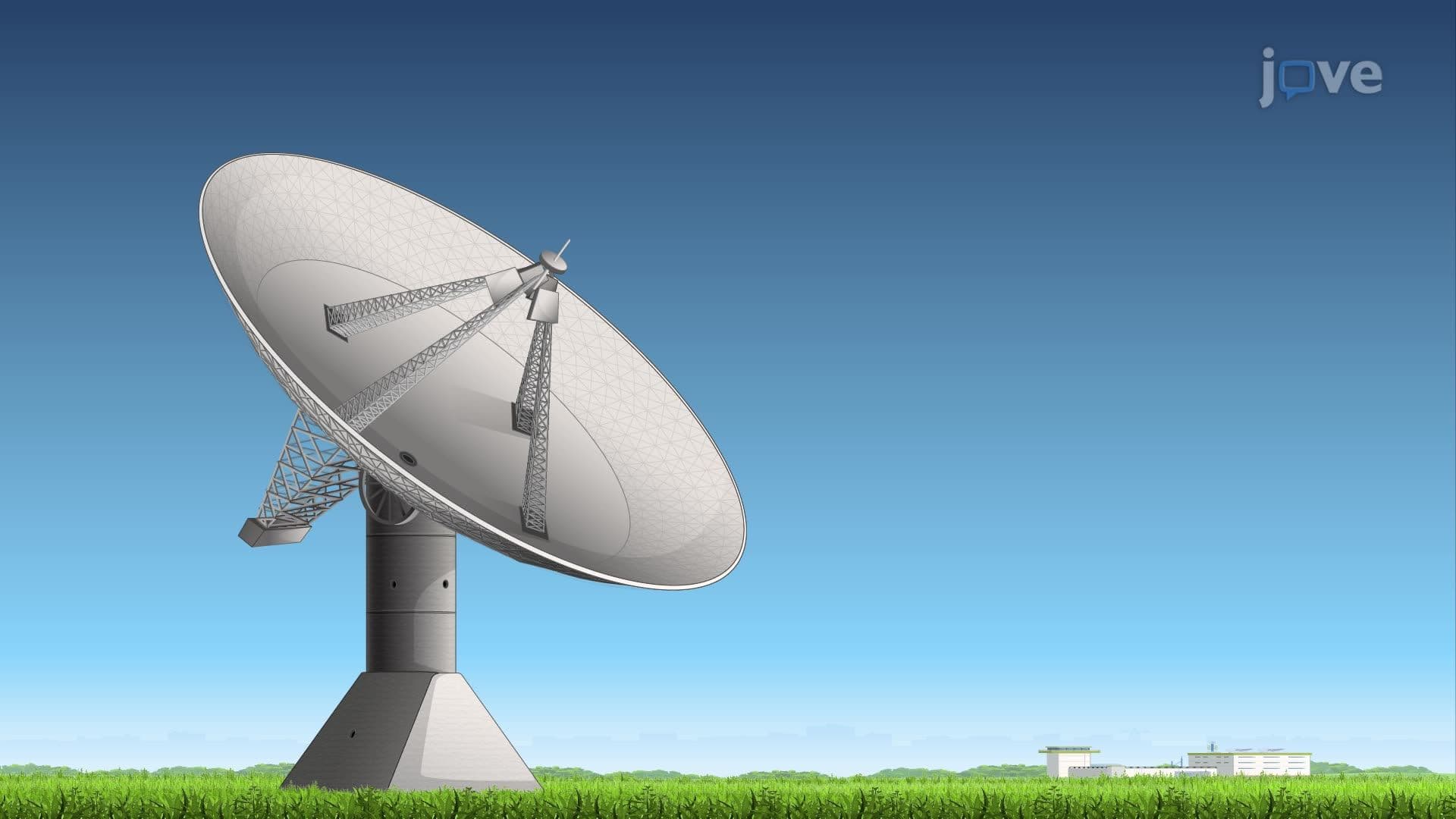
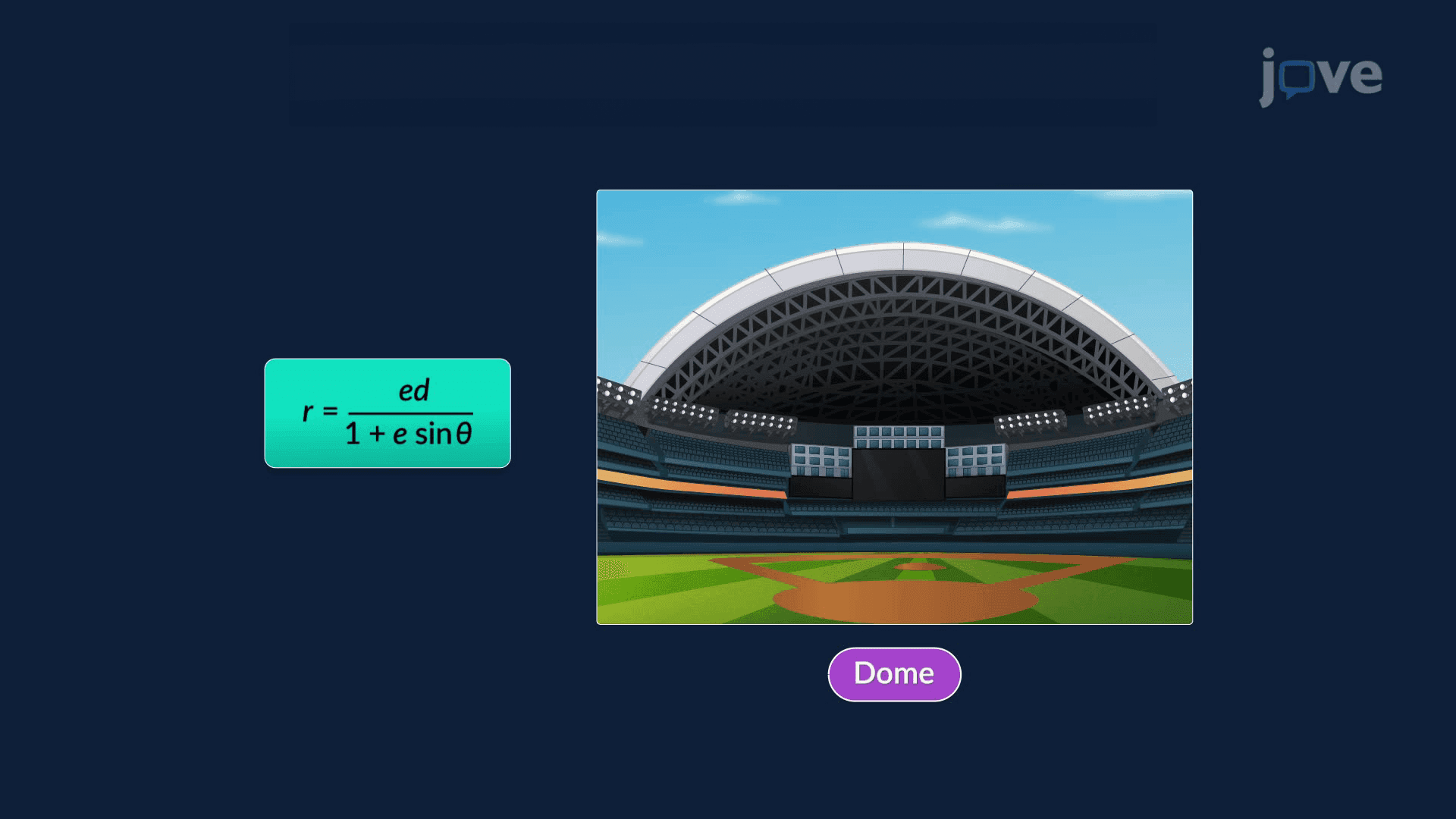
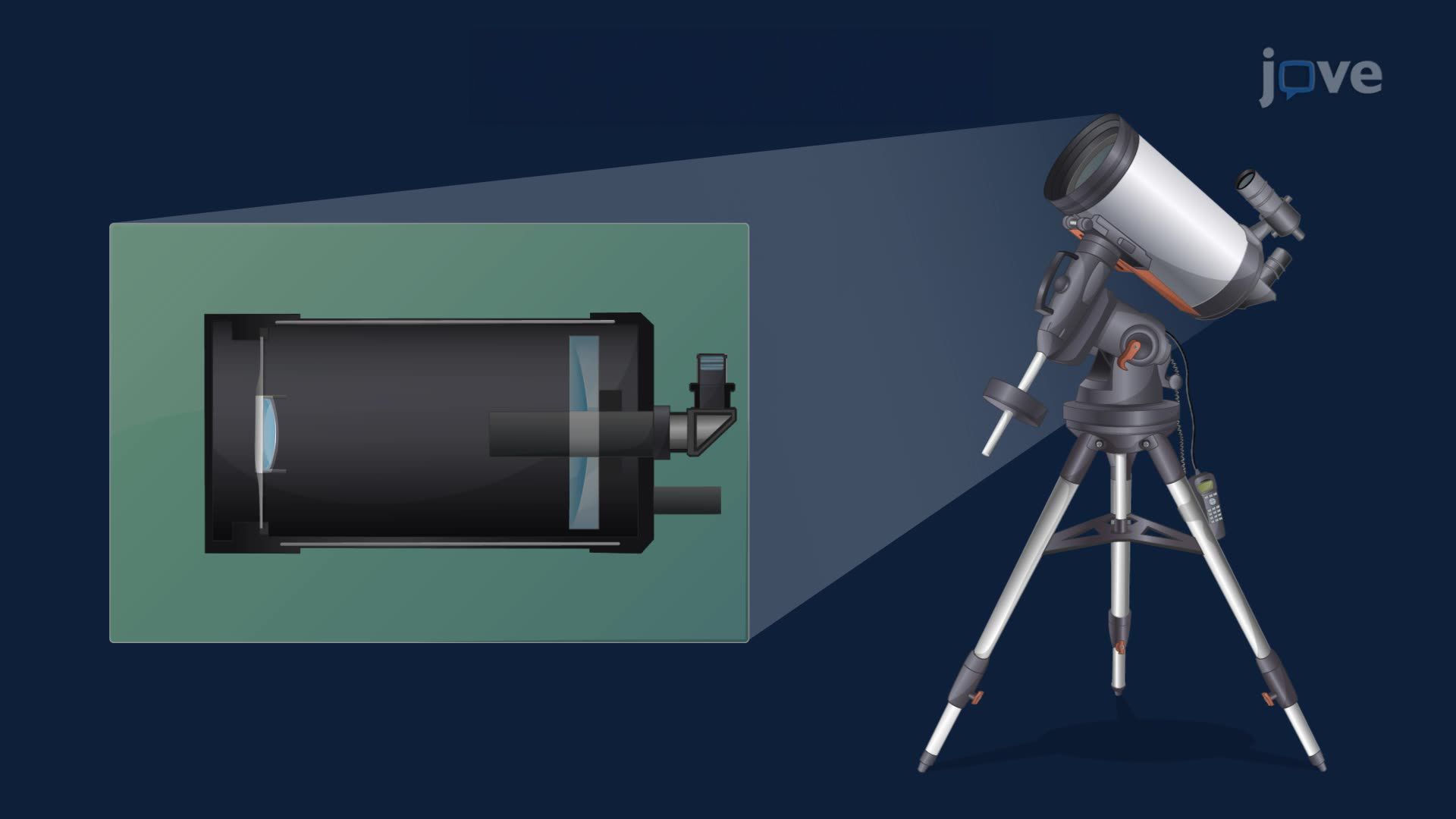
Hyperbolic geometry plays crucial roles in American engineering and science. The Cassegrain telescope design, used in major US observatories, employs hyperbolic secondary mirrors to focus light efficiently. NASA's Jet Propulsion Laboratory utilizes hyperbolic trajectories for spacecraft gravity assists, allowing missions like Voyager to visit multiple planets. LORAN navigation systems, historically important for US maritime and aviation, operated on hyperbolic positioning principles.
Students encountering hyperbolas in SAT Subject Tests or college precalculus should recognize these practical connections, as understanding real applications often clarifies abstract mathematical concepts and improves problem-solving confidence.
Related Micro-courses