Loading concepts…


14 Concepts
8 Concepts
14 Concepts
10 Concepts
8 Concepts
5 Concepts
12 Concepts
4 Concepts
8 Concepts
7 Concepts
15 Concepts
 7 Concepts
 329 Views
 Popular topics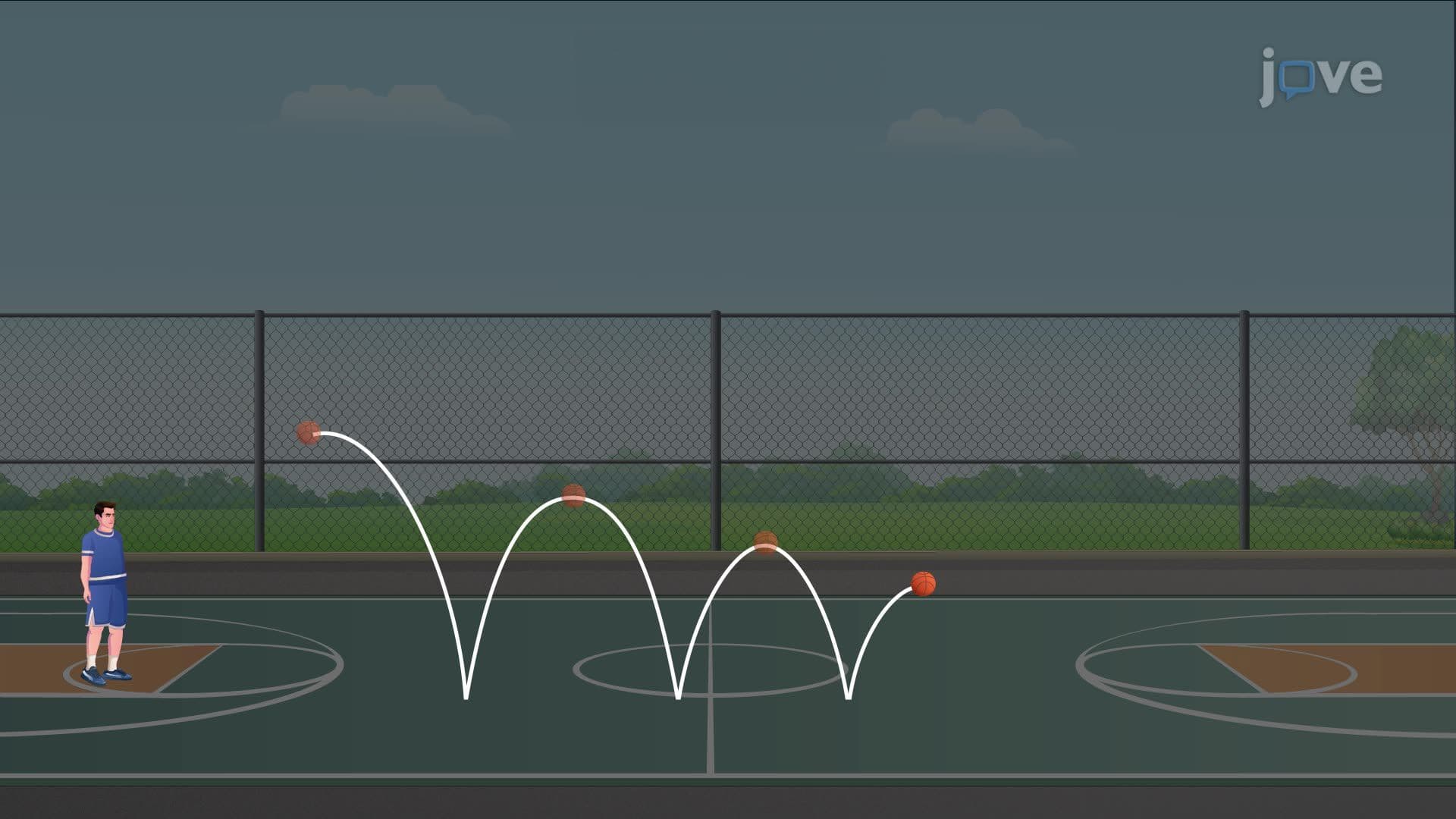
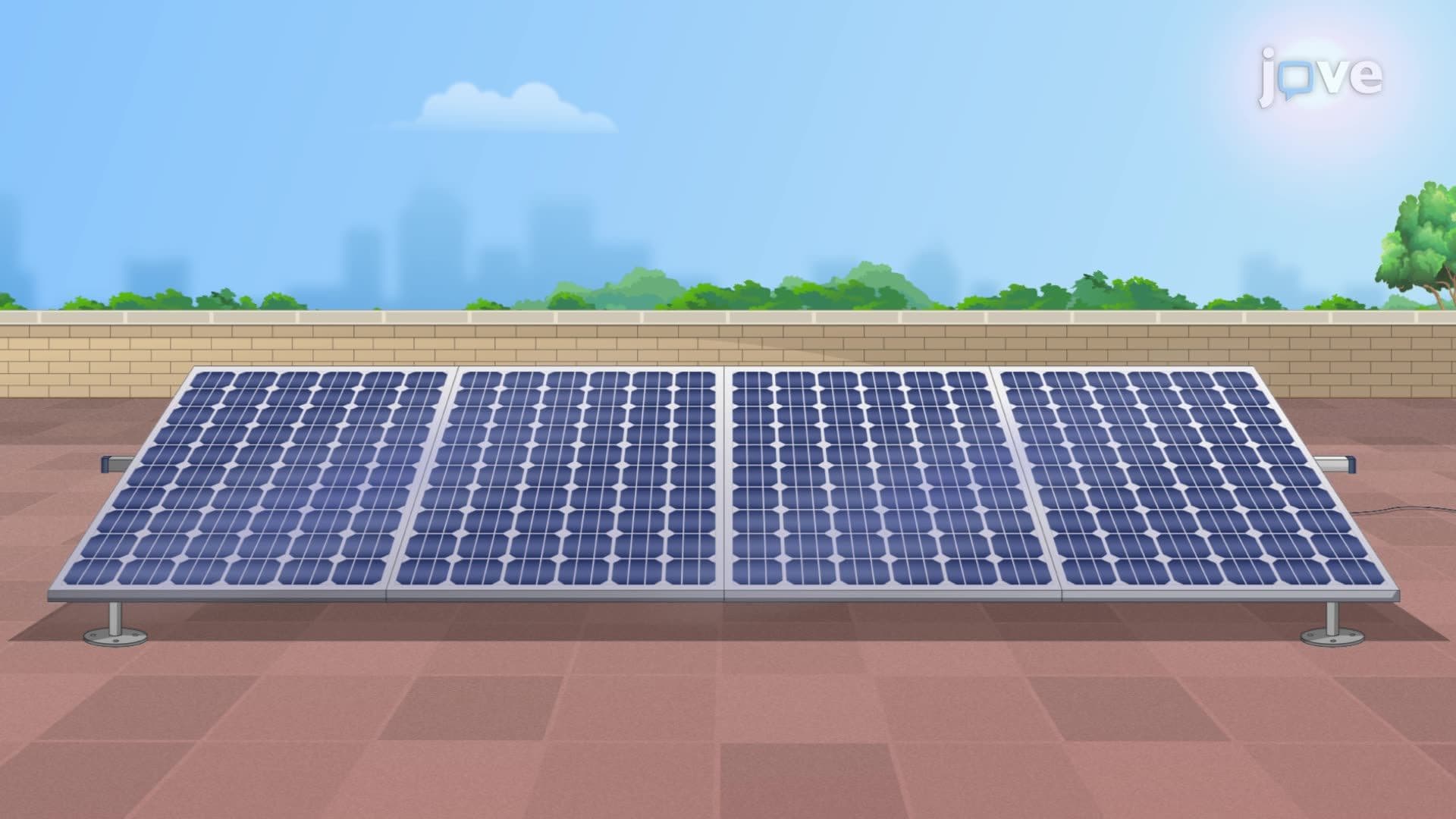
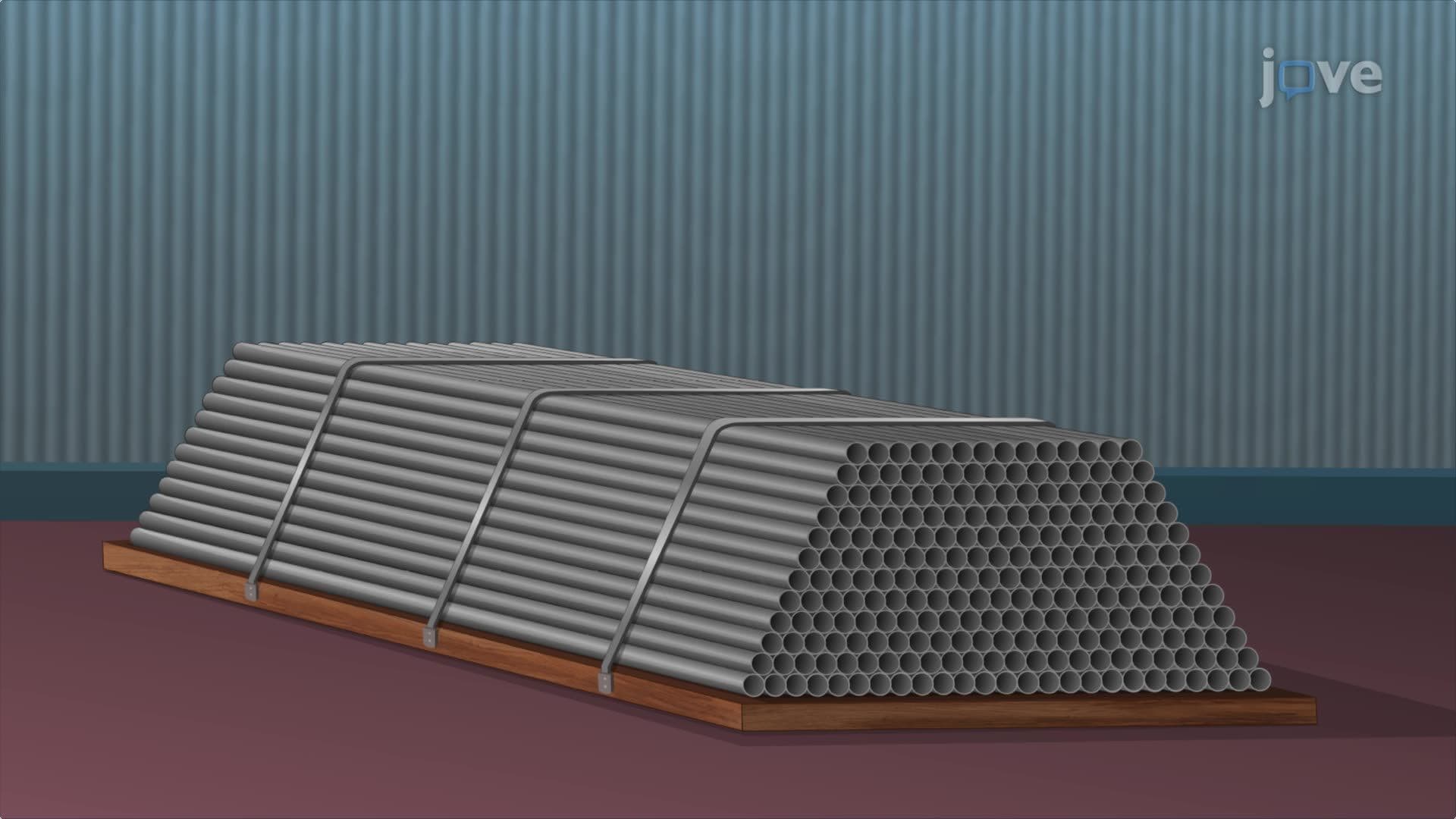
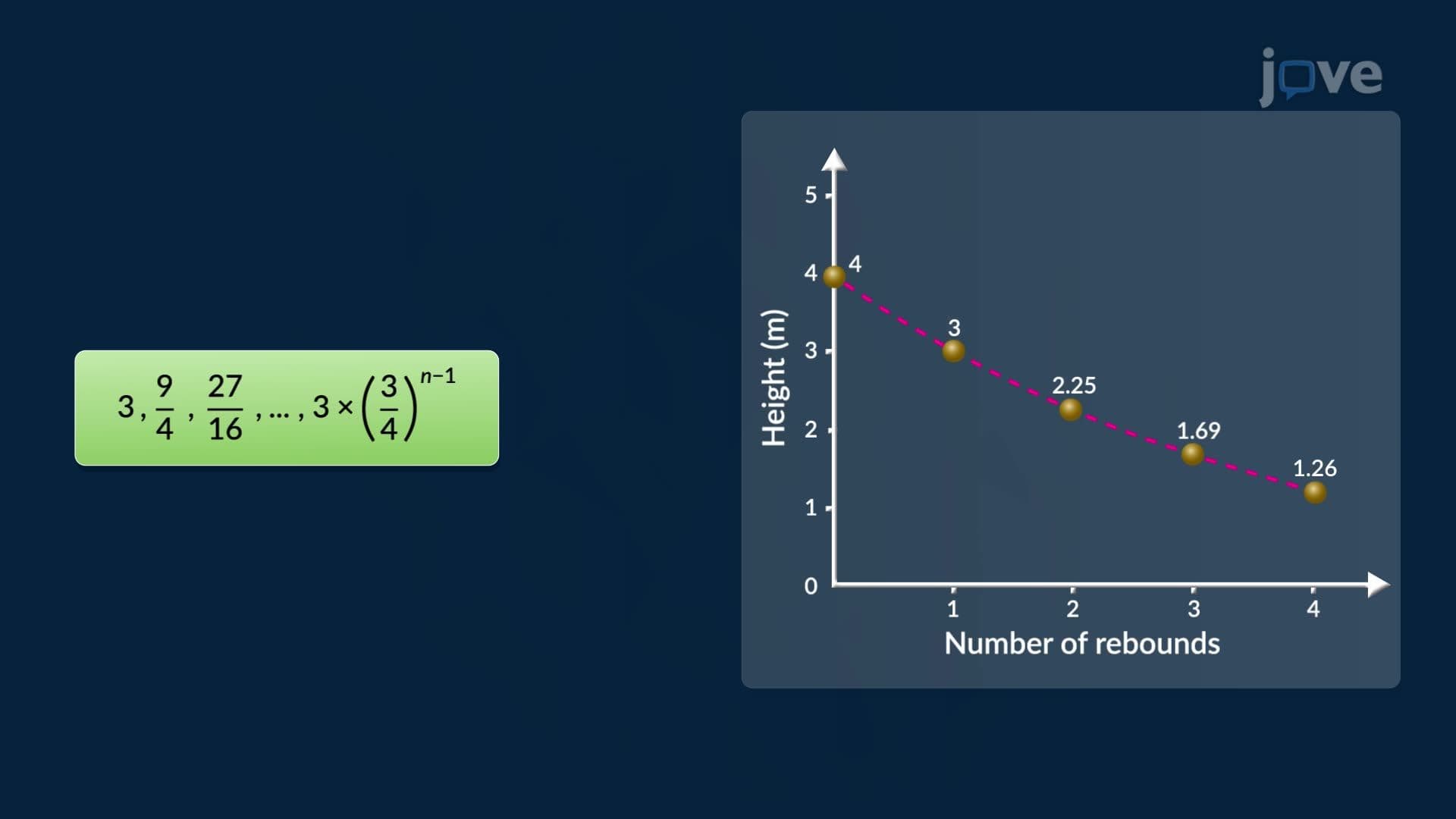

This comprehensive introduction to sequences and series covers fundamental mathematical patterns essential for advanced algebra and calculus. From tracking solar panel energy generation to modeling bouncing ball physics, you'll explore arithmetic geometric series through practical US applications. Master sigma notation, mathematical induction, and the binomial theorem with JoVE Coach guidance for academic success.
1. Sequence Fundamentals and Pattern Recognition Understanding sequences as ordered lists following specific rules forms the foundation of this mathematical concept. Students explore how sequences appear in real-world scenarios, from tracking weekly savings deposits to monitoring population growth in US cities. The concept of the nth term formula allows precise calculation of any sequence position, while recursive sequences like the Fibonacci series demonstrate how terms can depend on previous values. These patterns help students recognize mathematical relationships in everyday situations, from calculating loan payments to predicting seasonal temperature changes across different US climate zones.
2. Arithmetic Geometric Sequence Properties and Applications Arithmetic sequences feature constant differences between consecutive terms, making them ideal for modeling linear growth patterns like salary increases or construction material calculations. Students learn to identify common differences and apply formulas for nth terms and partial sums. Geometric sequences involve constant ratios between terms, perfectly modeling exponential phenomena such as radioactive decay in nuclear medicine or compound interest in US banking systems. Understanding these arithmetic geometric series patterns enables students to solve complex real-world problems involving population dynamics, financial planning, and scientific measurements with confidence and accuracy.
3. Summation Notation and Series Calculations Sigma notation provides an efficient mathematical language for expressing complex sums without writing every individual term. Students master the mechanics of summation symbols, learning to identify starting and ending indices while understanding how expressions generate sequence terms. This notation becomes particularly valuable when analyzing data sets like monthly electricity consumption across US households or calculating total distances in physics problems. Series sum calculations using sigma notation streamline problem-solving processes, allowing students to tackle advanced mathematical concepts in calculus and statistics with proper foundational understanding.
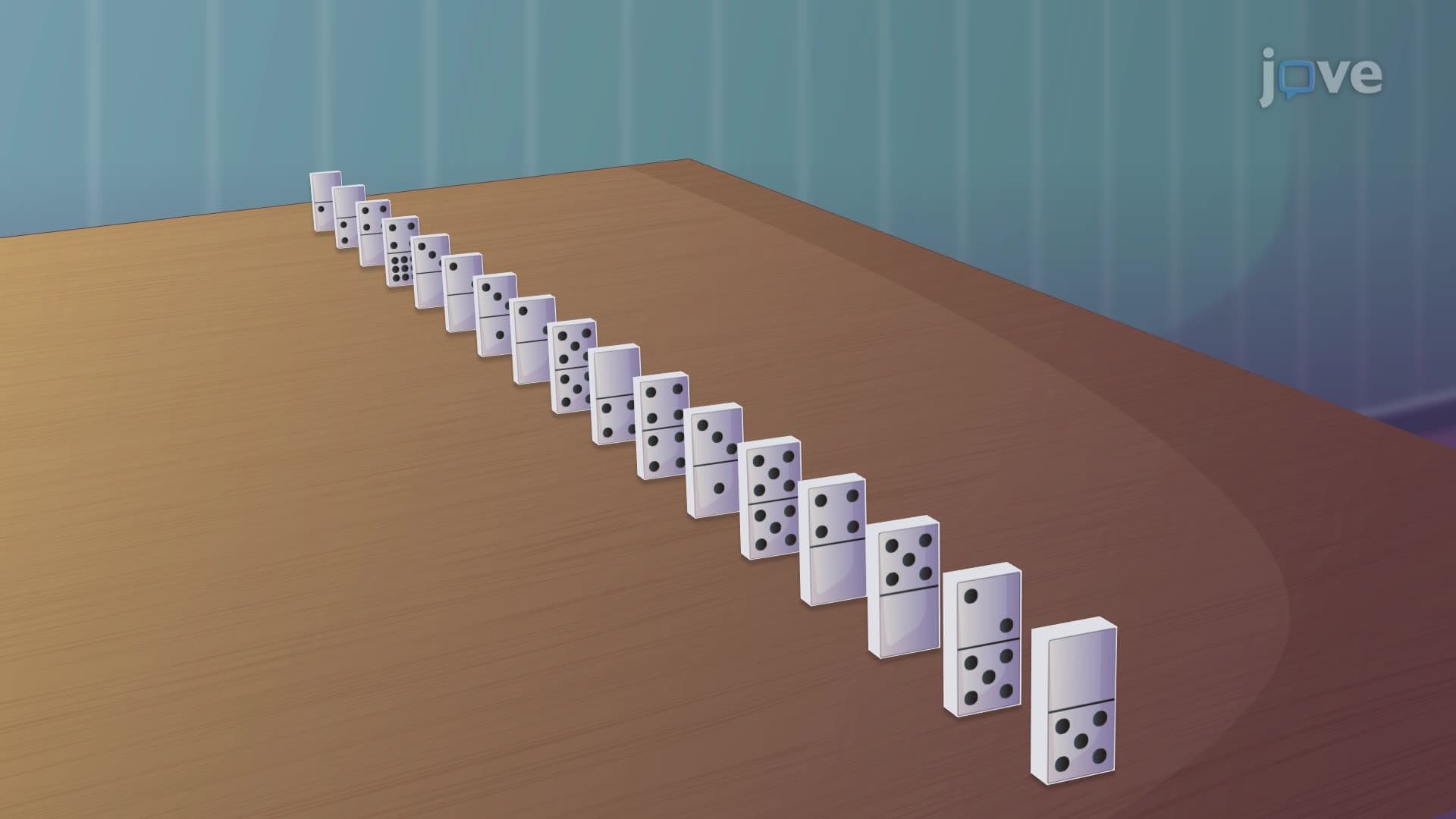
4. Mathematical Induction and Proof Techniques Mathematical induction serves as a powerful tool for proving statements about sequences and series hold true for all natural numbers. Students learn the two-step process: establishing base cases and proving inductive steps work for successive terms. This technique applies to proving formulas for arithmetic and geometric series sums, validating patterns in number theory, and establishing mathematical theorems. Through examples like proving sum formulas for consecutive integers or demonstrating properties of exponential sequences, students develop logical reasoning skills essential for advanced mathematics courses and standardized test success.
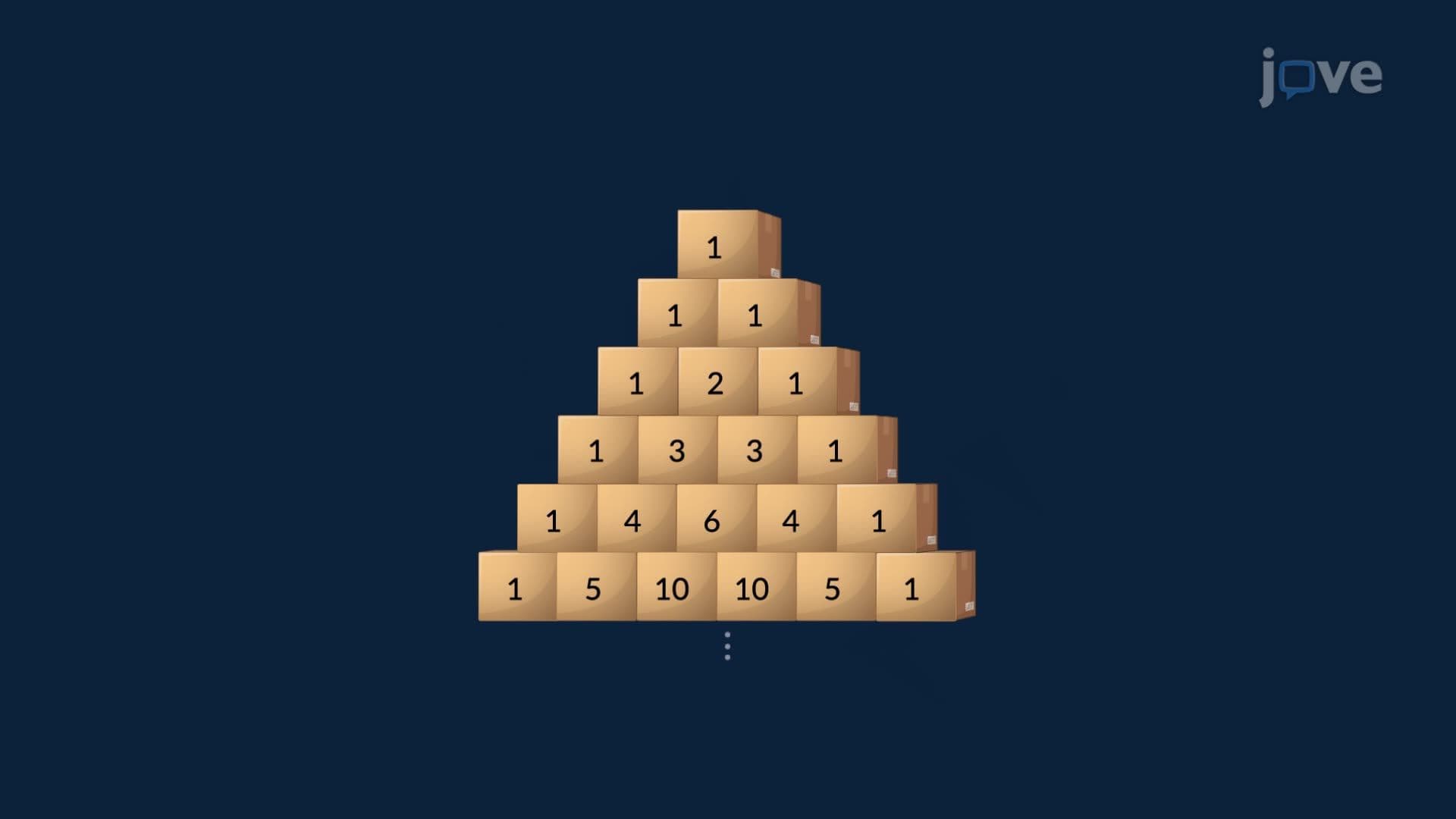
5. Binomial Theorem and Pascal's Triangle Applications The binomial theorem provides systematic methods for expanding expressions raised to various powers, connecting algebraic manipulation with combinatorial mathematics. Students explore Pascal's triangle as a visual tool for identifying binomial coefficients, understanding how each row corresponds to specific power expansions. These concepts apply directly to probability calculations in statistics, such as determining outcomes in coin tosses or analyzing genetic inheritance patterns. Understanding binomial expansion helps students solve complex algebraic problems while building foundations for probability theory and combinatorics in advanced mathematics courses.