Loading video…

 7 Concepts
 329 views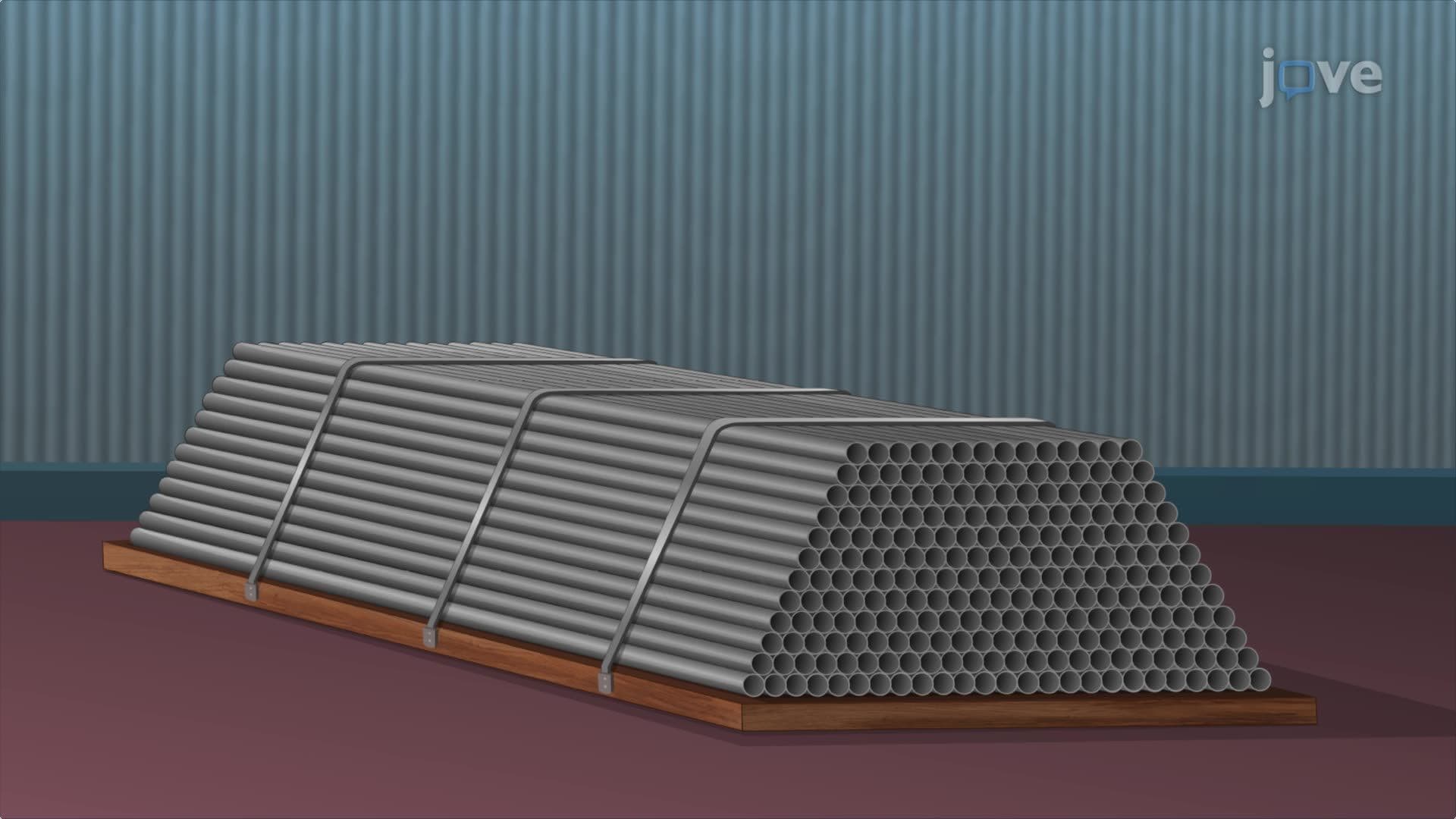

Video Summary: What are Arithmetic Sequences
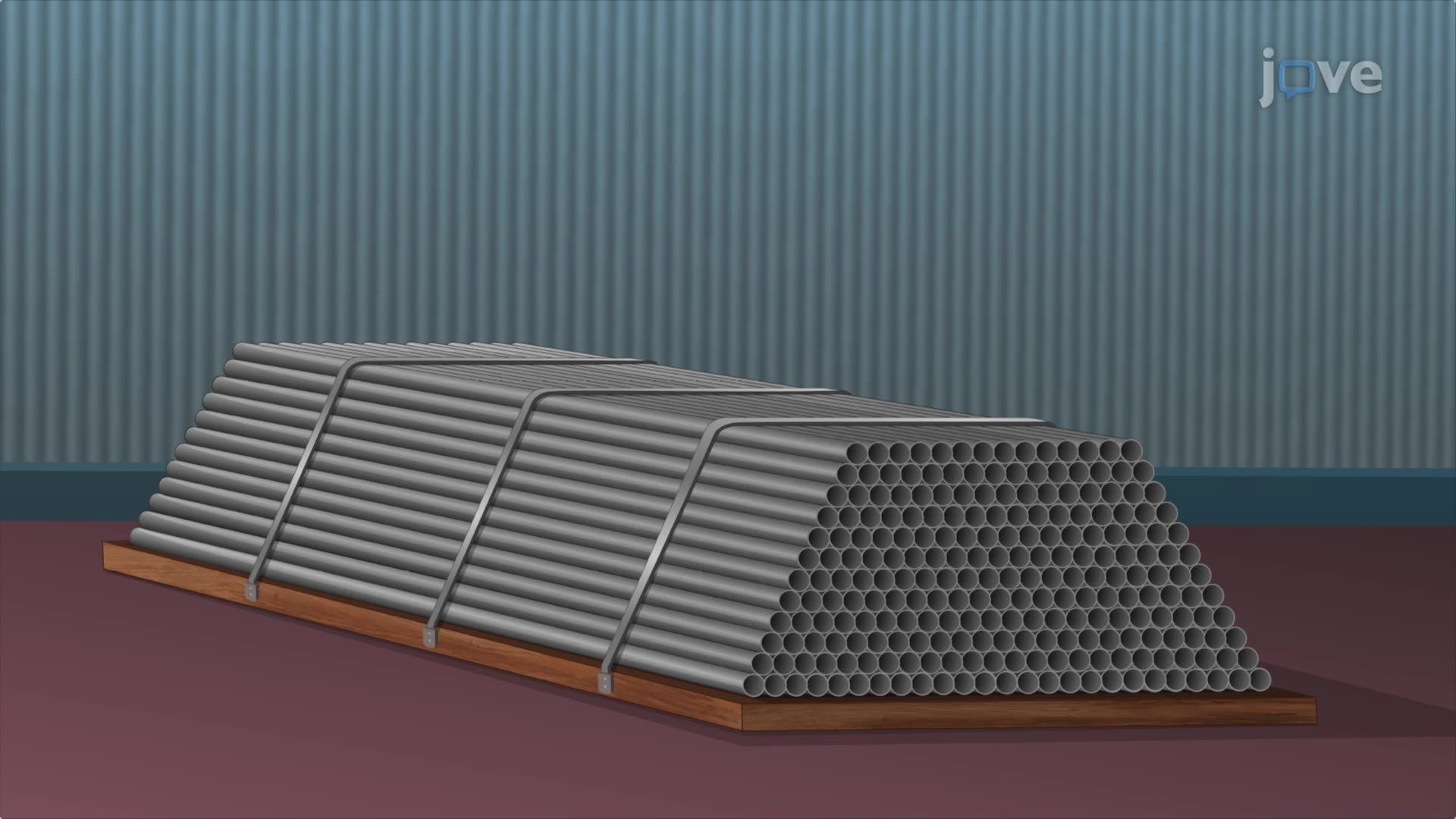
Did you know that the seating arrangement in most US concert halls follows a mathematical pattern? Arithmetic sequences are ordered lists of numbers where each term differs from the previous by a constant value called the common difference. From calculating stadium seating capacity to determining loan payments, these sequences appear everywhere in American finance and architecture. The pole-stacking example demonstrates how understanding what are arithmetic sequences helps solve real-world problems systematically. Watch the full video on JoVE Coach to master this concept with expert-led visuals and step-by-step explanations.
Arithmetic sequences form the foundation of many mathematical and real-world applications. These sequences follow a simple yet powerful rule: each term is obtained by adding a fixed number (the common difference) to the previous term. This predictable pattern makes arithmetic sequences invaluable for modeling linear growth or decline in various contexts.
The types of arithmetic sequences are determined by their common difference. When d > 0, the sequence increases (like 2, 5, 8, 11...), representing growth scenarios such as salary increases or population growth. When d < 0, the sequence decreases (like 20, 17, 14, 11...), modeling depreciation or resource depletion. When d = 0, all terms are identical, representing constant values.
Understanding these variations helps students recognize patterns in diverse applications, from calculating the total distance traveled in physics problems to determining payment schedules in consumer mathematics courses taught across US high schools.
The nth term formula, aₙ = a₁ + (n-1)d, serves as a cornerstone for solving sequence problems. For the pole example, with a₁ = 25, d = -1, and n = 12, students calculate a₁₂ = 25 + (12-1)(-1) = 14 poles in the bottom layer.
The partial sum formula, Sₙ = n(a₁ + aₙ)/2, efficiently calculates totals without adding each term individually. This approach proves essential for AP Calculus AB students learning series convergence and for business students calculating compound interest scenarios.
Arithmetic sequences appear frequently on standardized tests including the SAT Math section and AP Statistics exams. Students encounter these concepts in college algebra, precalculus, and introductory statistics courses nationwide. Practical applications range from calculating construction costs (where materials increase linearly) to analyzing depreciation schedules in accounting courses.
US students particularly benefit from understanding how arithmetic sequences model American financial scenarios: monthly car payments, incremental rent increases, and progressive tax brackets all demonstrate sequence concepts that prepare students for both academic success and practical financial literacy.
Related Micro-courses