Loading concepts…


14 Concepts
8 Concepts
14 Concepts
10 Concepts
8 Concepts
5 Concepts
12 Concepts
4 Concepts
8 Concepts
7 Concepts
15 Concepts
 10 Concepts
 495 Views
 Popular topics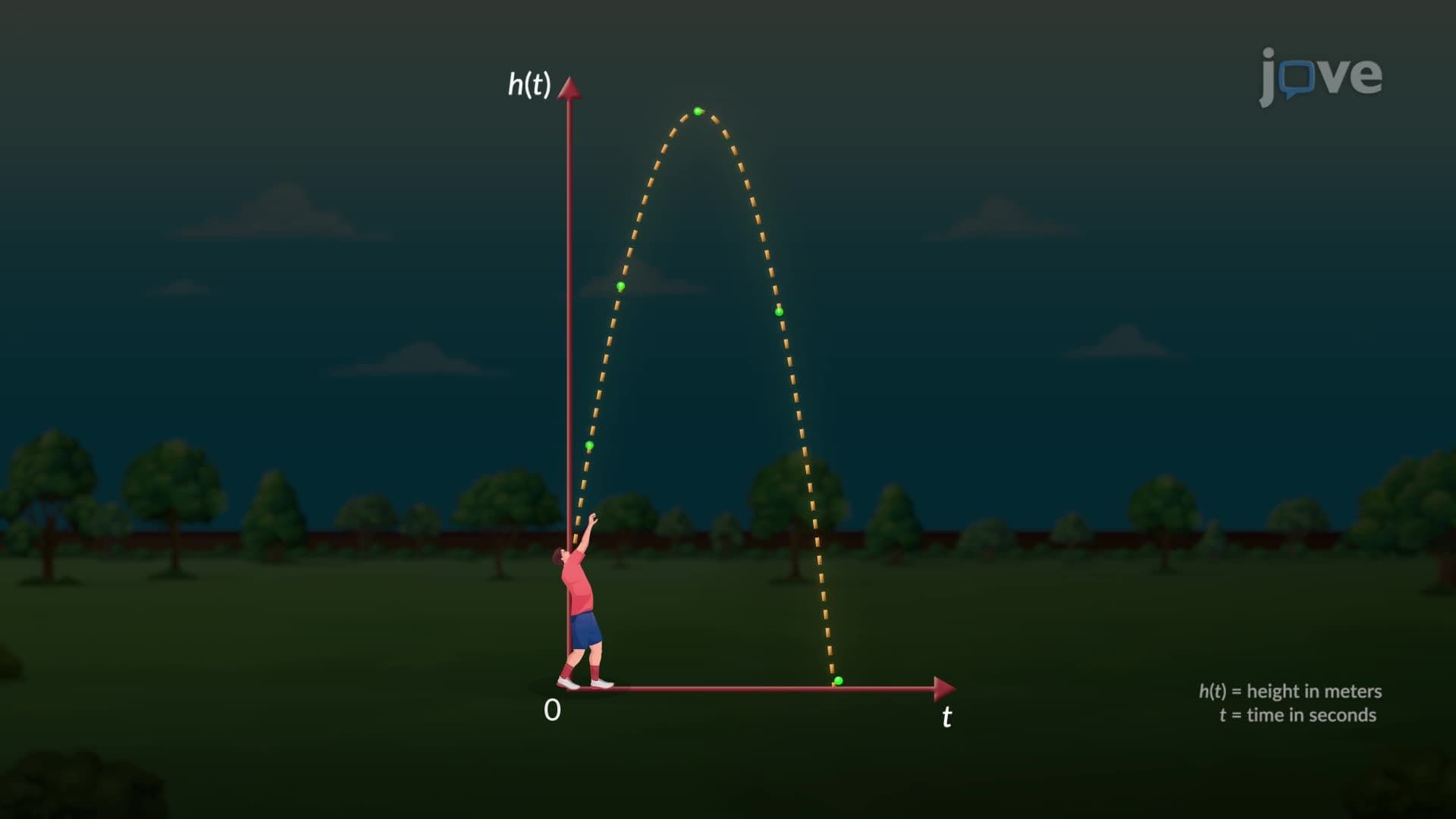
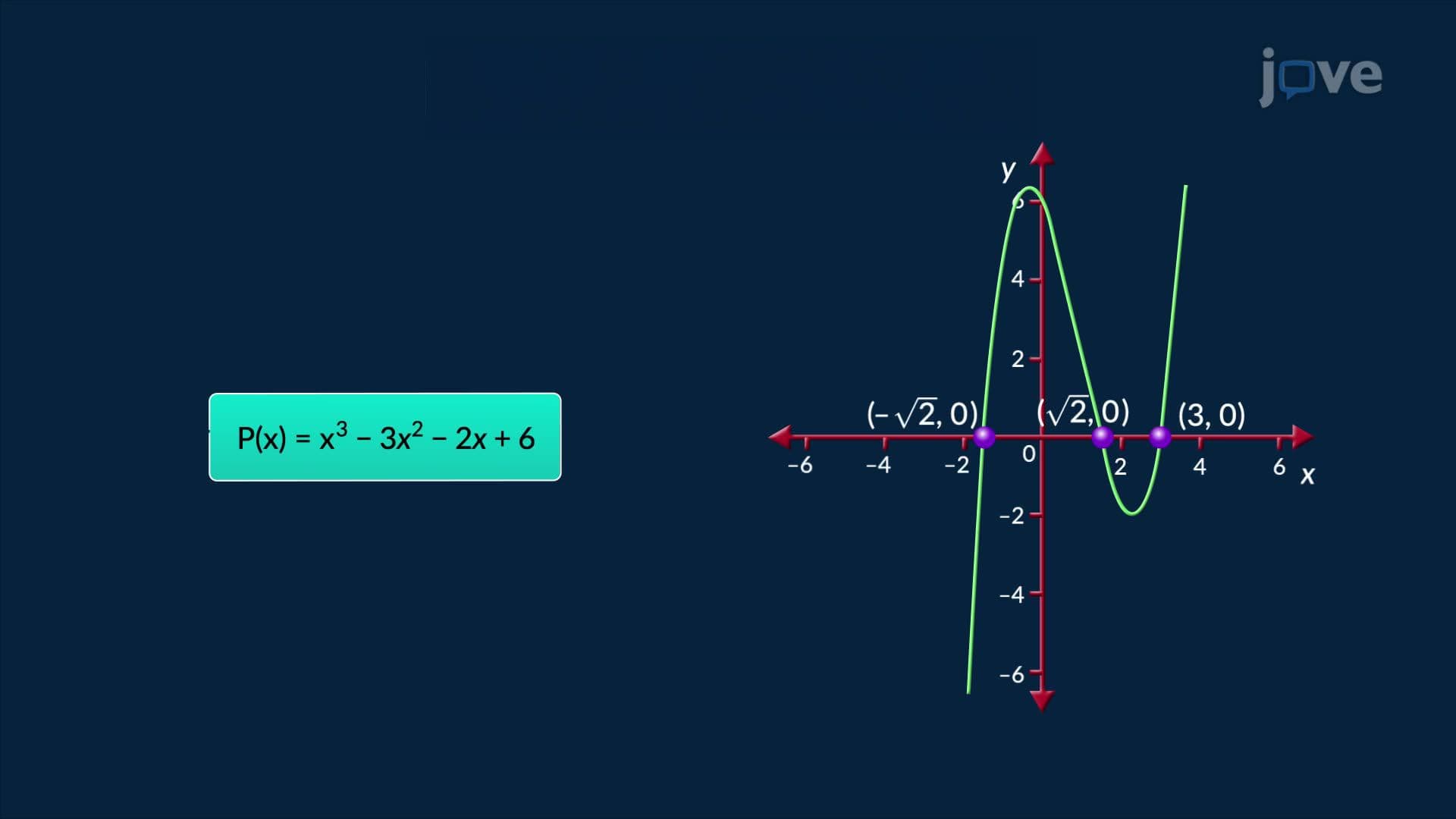
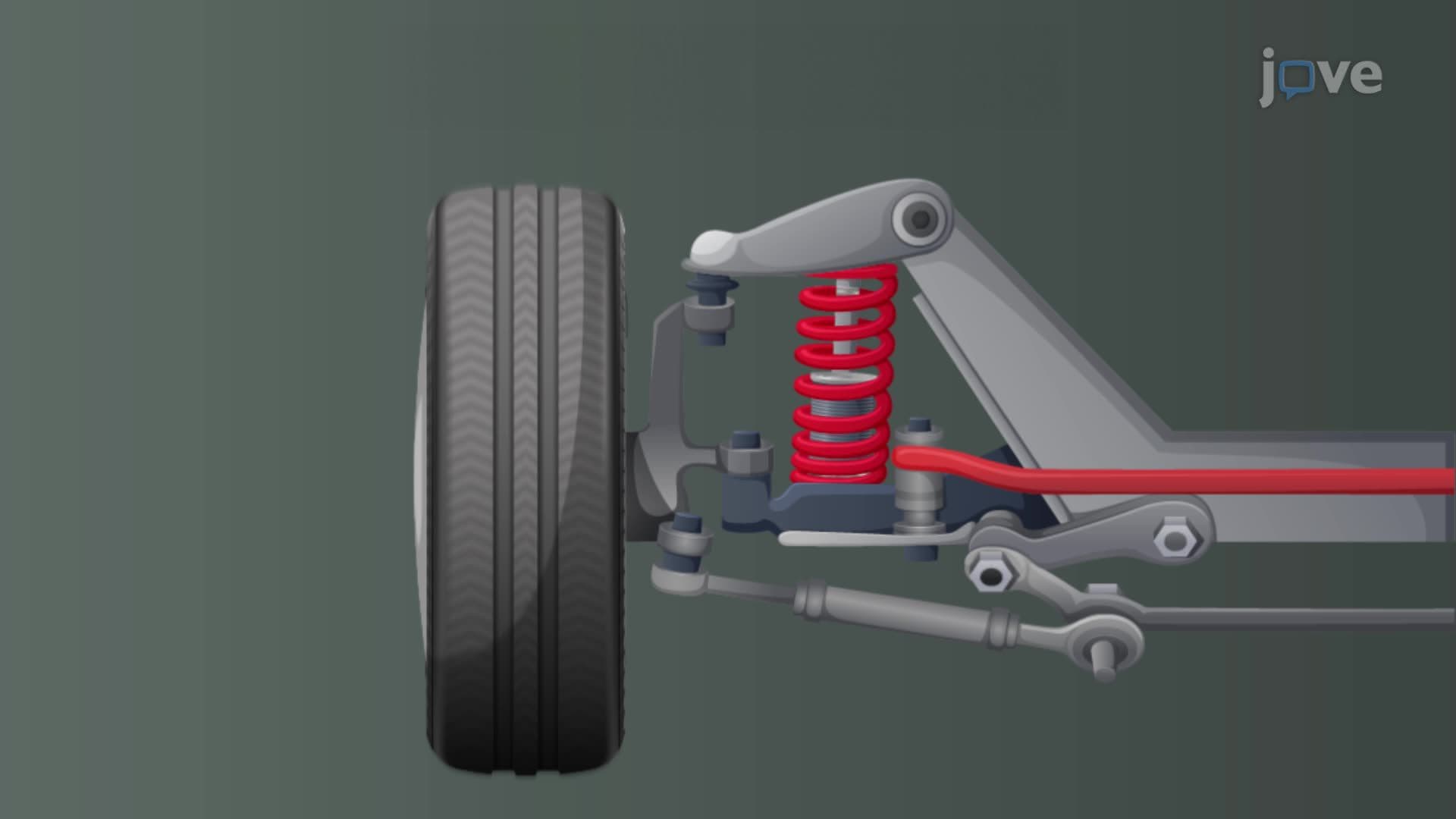

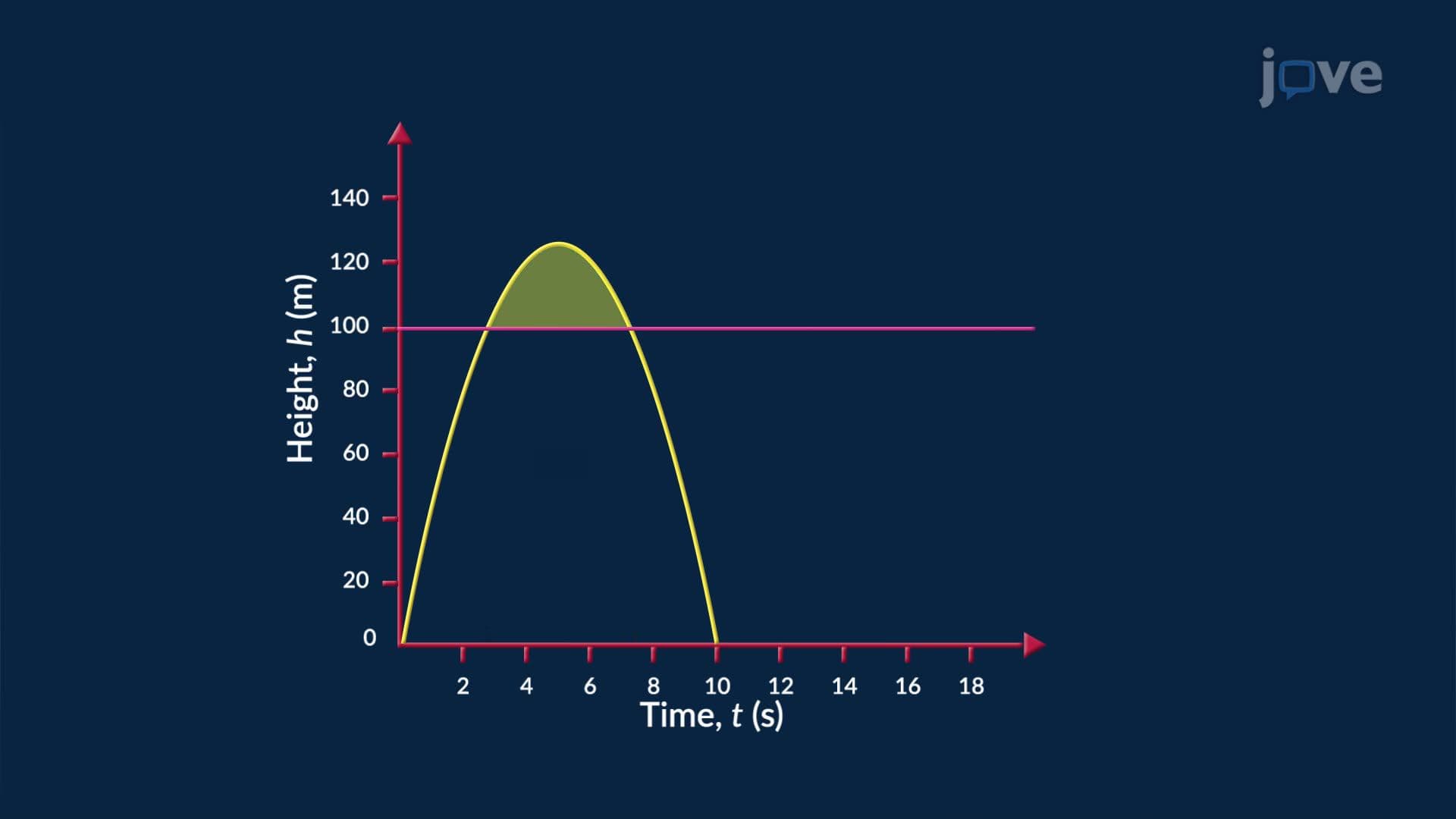
Polynomial and rational functions form the foundation for modeling complex real-world phenomena from projectile motion to business optimization. This JoVE Coach course combines theoretical understanding with practical applications, covering polynomial function analysis including zeros, asymptotes, and graphical behavior. Students explore division techniques, the Fundamental Theorem of Algebra, and rational function properties through authentic scenarios like sports trajectories, pollution control, and profit modeling.
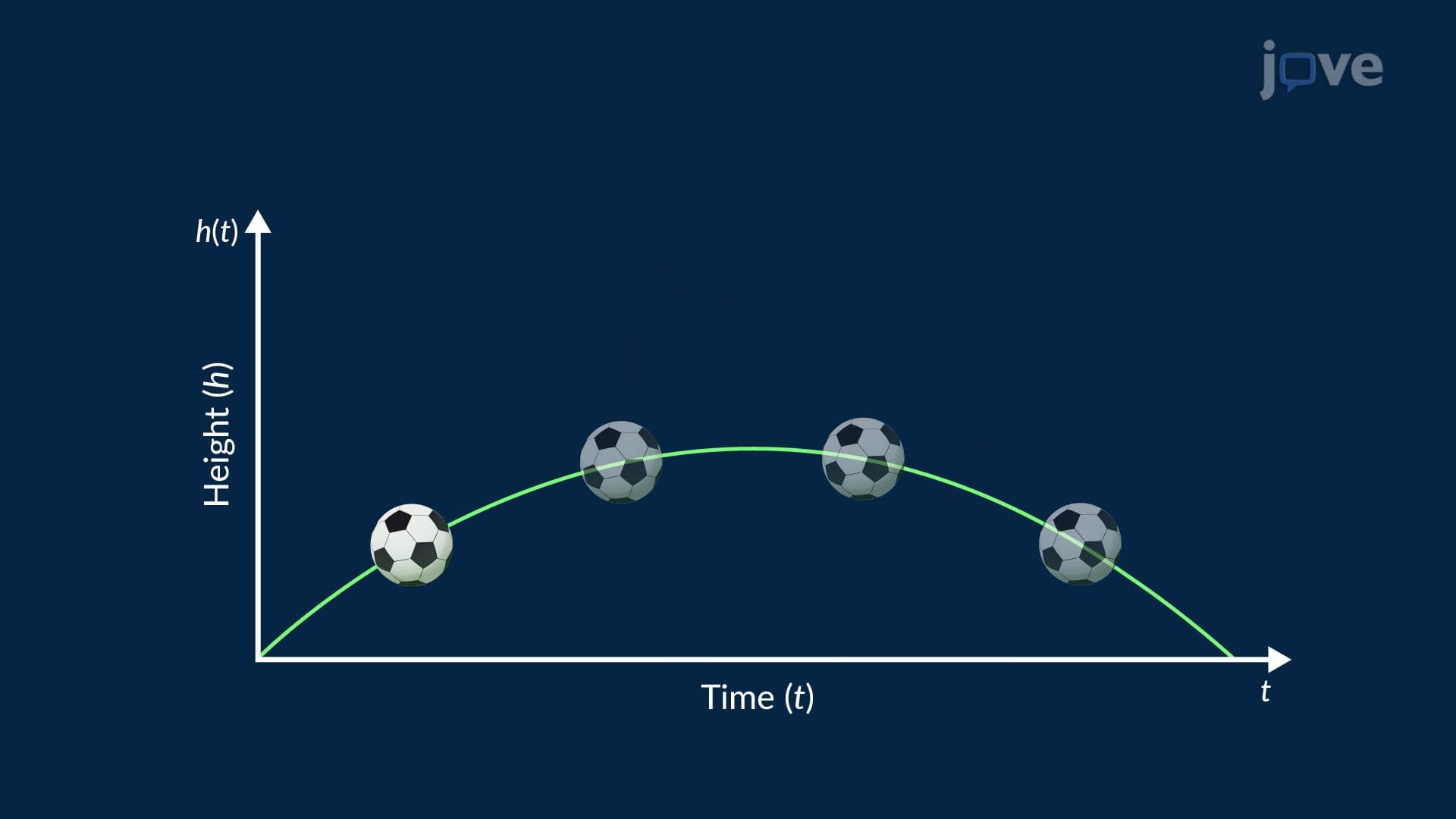
1. Polynomial Function Fundamentals and Degree Analysis Understanding polynomial structure reveals how mathematical expressions model real phenomena. The degree determines graph behavior: linear functions create straight lines, quadratics form parabolas, and higher degrees produce increasingly complex curves. Leading coefficients control whether graphs open upward or downward, while the Intermediate Value Theorem guarantees that continuous polynomials must cross the x-axis between sign changes. Sports applications demonstrate these principles through projectile motion analysis, where quadratic functions model basketball shots and soccer ball trajectories with precise mathematical accuracy.
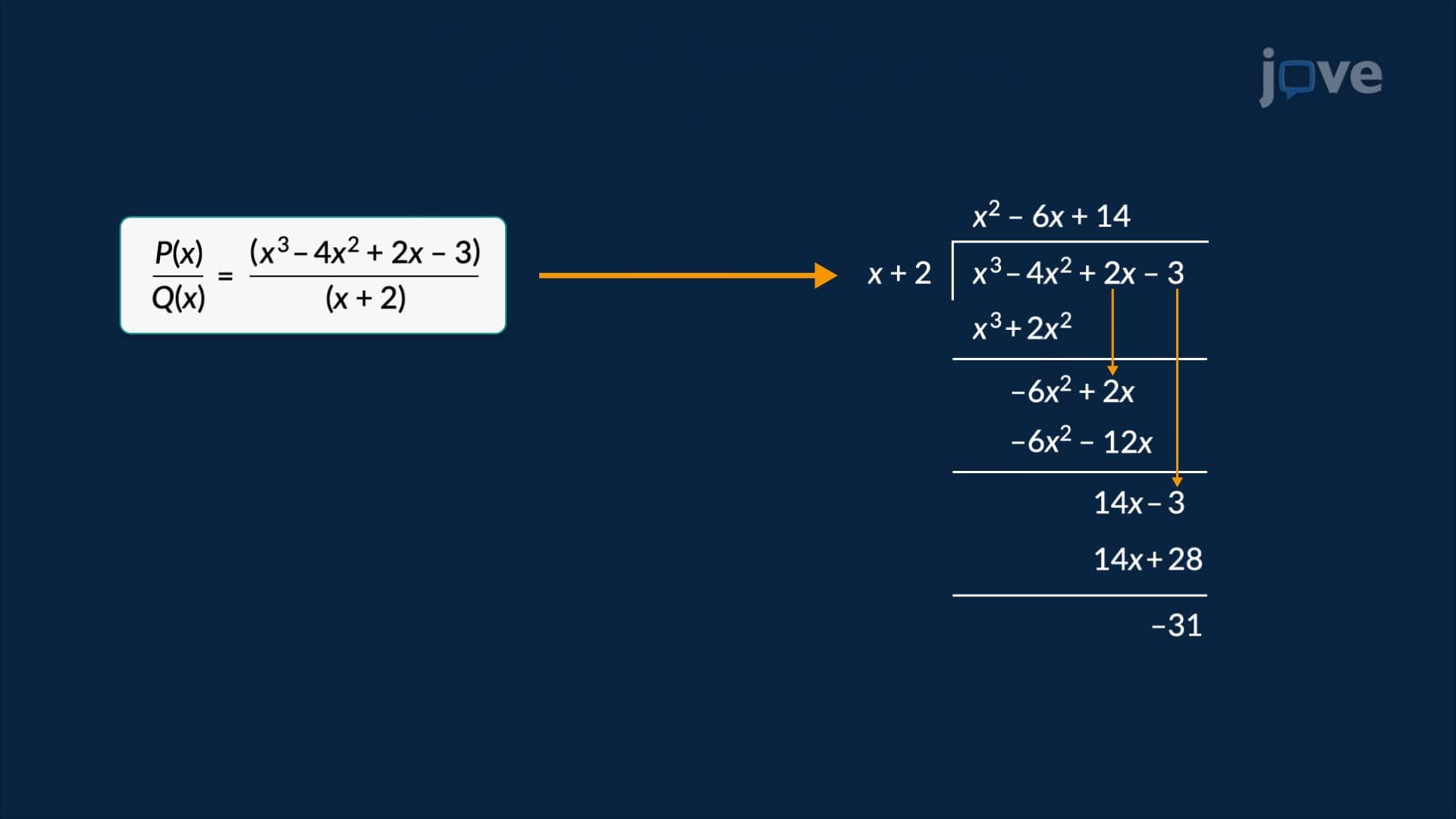
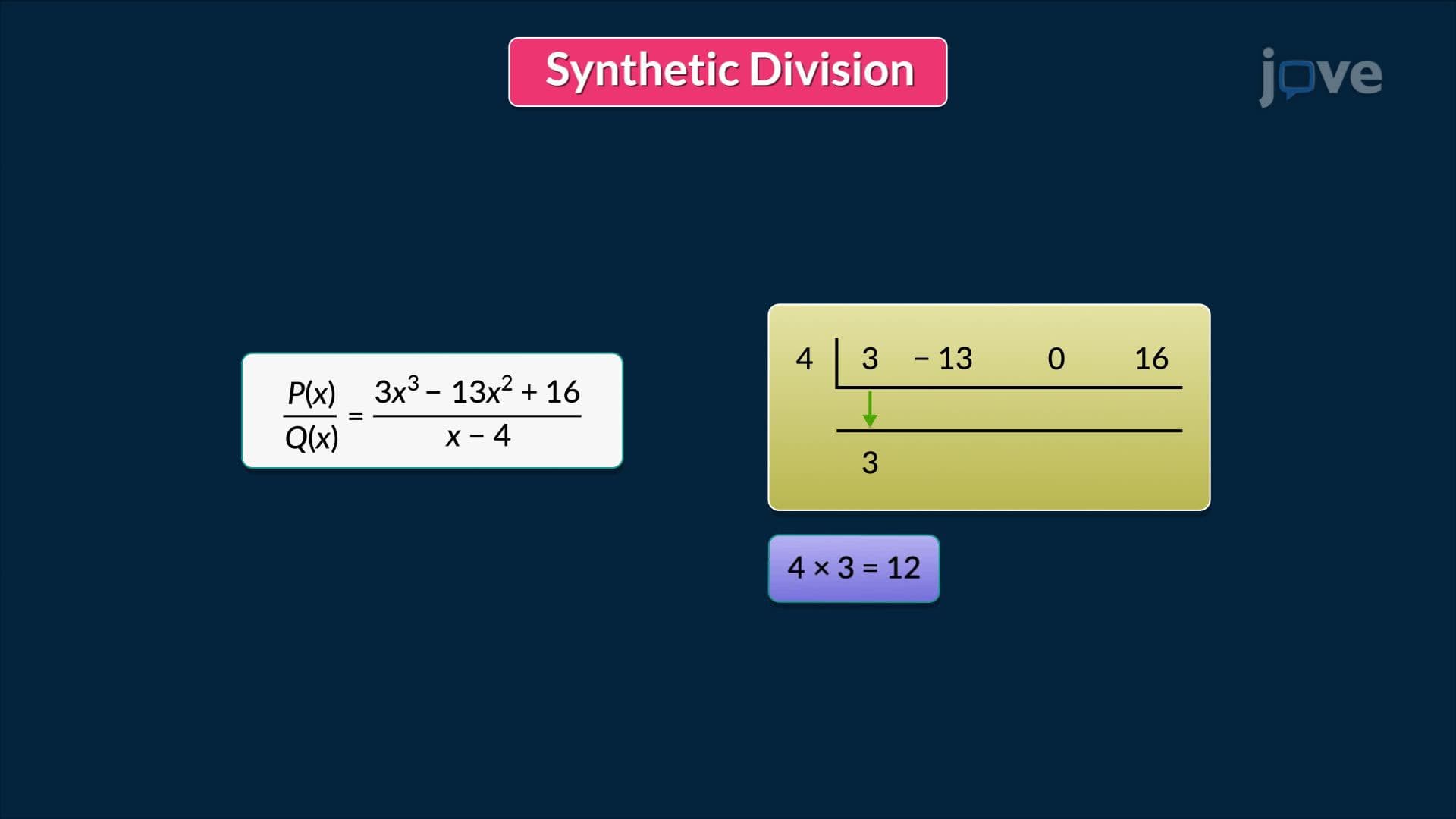
2. Polynomial Division Techniques: Long Division and Synthetic Division Mastering polynomial division enables complex problem-solving in business and engineering contexts. Long division follows familiar arithmetic patterns, dividing polynomials term by term to find quotients and remainders. Synthetic division streamlines this process for linear divisors, using only coefficients to achieve the same results more efficiently. These techniques prove essential in revenue analysis, where companies divide total profit polynomials by production level expressions to determine per-unit profitability and optimize manufacturing decisions.
3. Finding Real Zeros Using the Rational Zeros Theorem The Rational Zeros Theorem provides a systematic approach to finding polynomial solutions by testing potential rational roots. Possible zeros equal factors of the constant term divided by factors of the leading coefficient, creating a finite list of candidates. Synthetic division tests each candidate efficiently, with zero remainders confirming actual zeros. Packaging engineers apply this theorem when designing boxes, setting volume polynomials equal to target capacities and finding cut dimensions that minimize material waste.
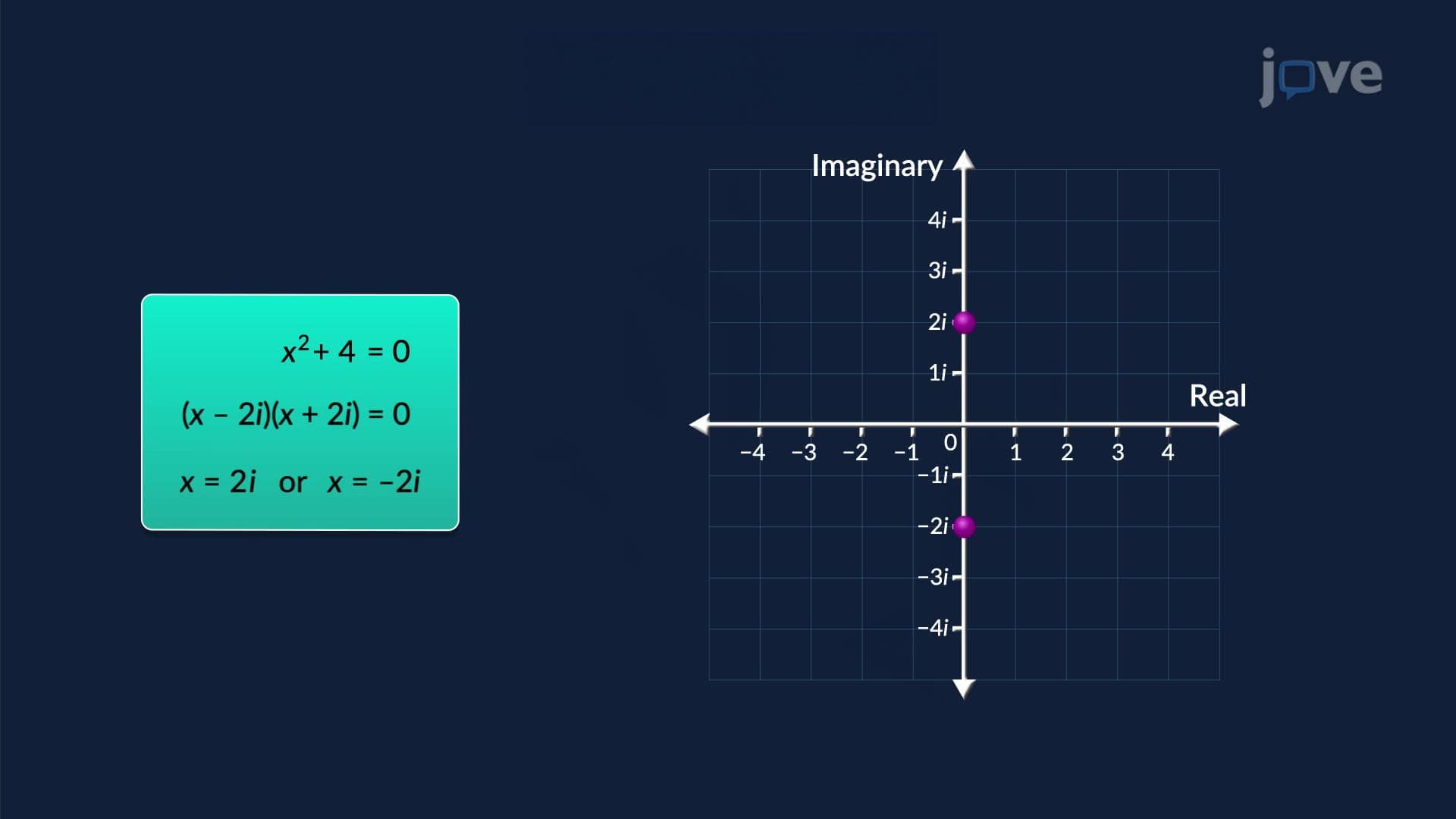
4. Complex Zeros and the Fundamental Theorem of Algebra Every polynomial of degree n has exactly n complex zeros when counting multiplicity, establishing the complete factorization of any polynomial expression. Complex zeros often appear in conjugate pairs for polynomials with real coefficients, maintaining real-world applicability while extending mathematical completeness. Engineering applications include designing notch filters for medical equipment, where complex zeros at specific frequencies eliminate 60 Hz power line interference from sensitive instruments while preserving essential signal components for accurate diagnosis.
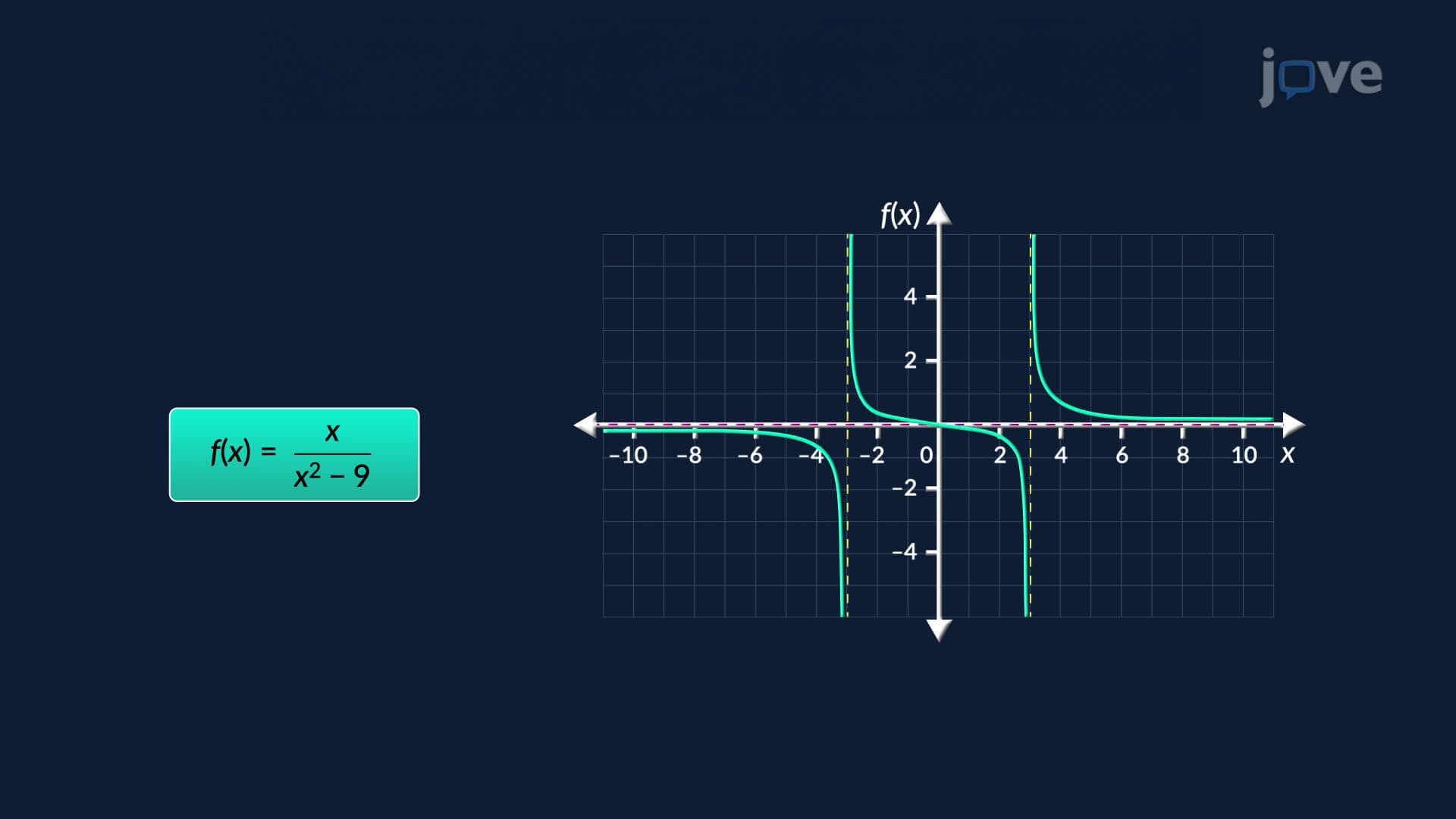
5. Rational Functions and Asymptotic Behavior Rational functions model proportional relationships through polynomial ratios, creating graphs with distinctive asymptotic behavior. Vertical asymptotes occur where denominators equal zero, representing impossible input values in real applications. Horizontal asymptotes describe end behavior determined by comparing numerator and denominator degrees. Environmental scientists use rational functions to model pollutant concentration, where increasing water volume drives contamination levels toward zero concentration, creating horizontal asymptotes that guide cleanup effectiveness strategies.
6. Solving Nonlinear Inequalities Through Interval Analysis Nonlinear inequalities define solution regions bounded by curved expressions rather than straight lines, requiring systematic interval testing for complete solutions. Factoring polynomials reveals critical points where expressions change sign, dividing number lines into testable intervals. Each interval requires verification through substitution to determine solution validity. Business optimization exemplifies this approach when profit functions exceed minimum thresholds, defining production ranges that guarantee profitability while avoiding overproduction costs that reduce overall company earnings.