Loading video…

 14 Concepts
 723 views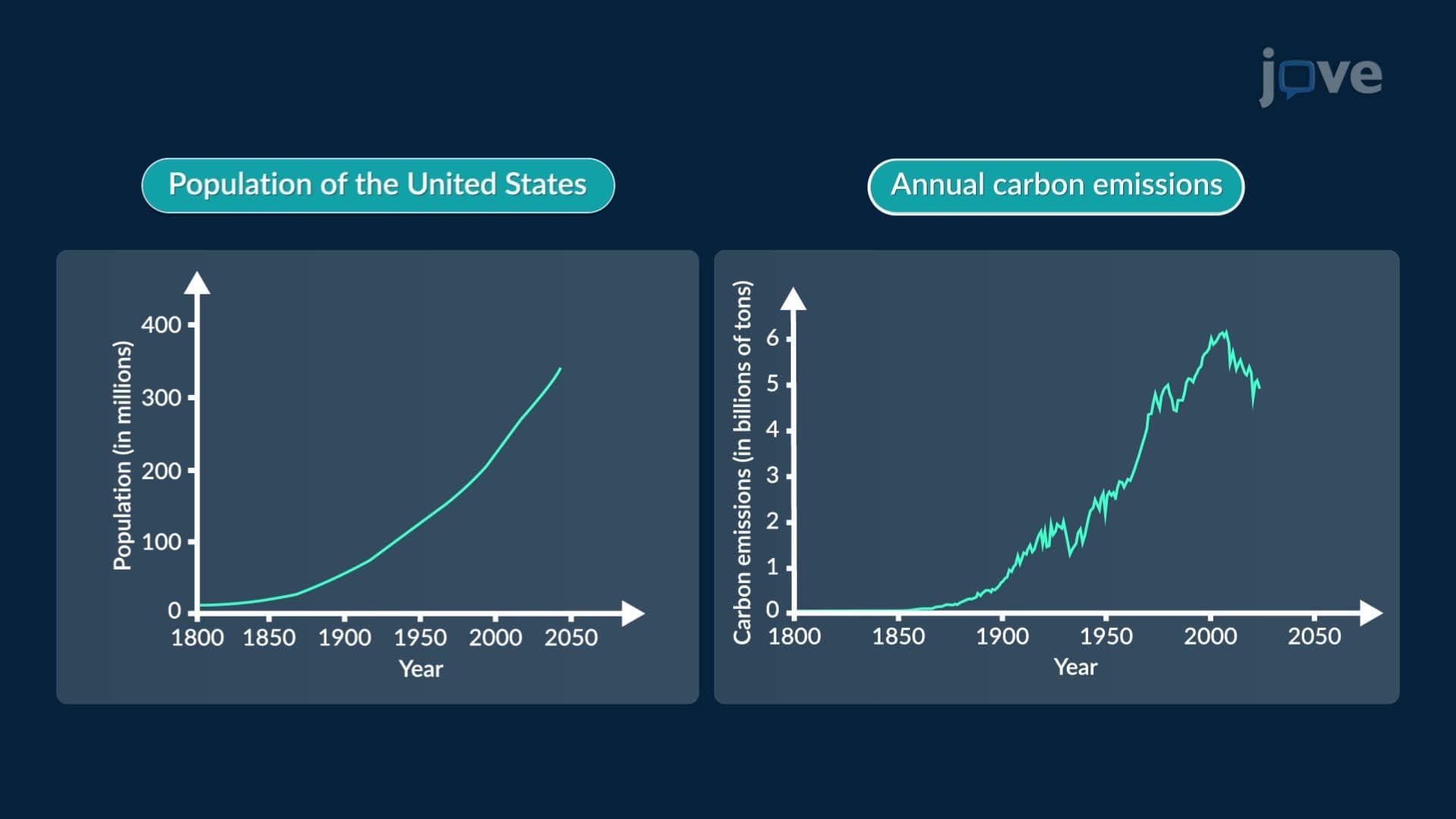

Video Summary: What Is Increasing Function
Ever wondered why your smartphone battery percentage drops from 100% to 0% but never increases without charging? An increasing function describes mathematical relationships where outputs consistently grow as inputs increase, like how a Tesla's odometer reading rises with each mile driven. Unlike decreasing functions that model battery drain, increasing functions capture growth patterns in everything from stock prices to population data. Understanding what is increasing function helps students recognize upward trends in graphs and real-world scenarios. Watch the full video on JoVE Coach to master this concept with expert-led visuals and step-by-step explanations.
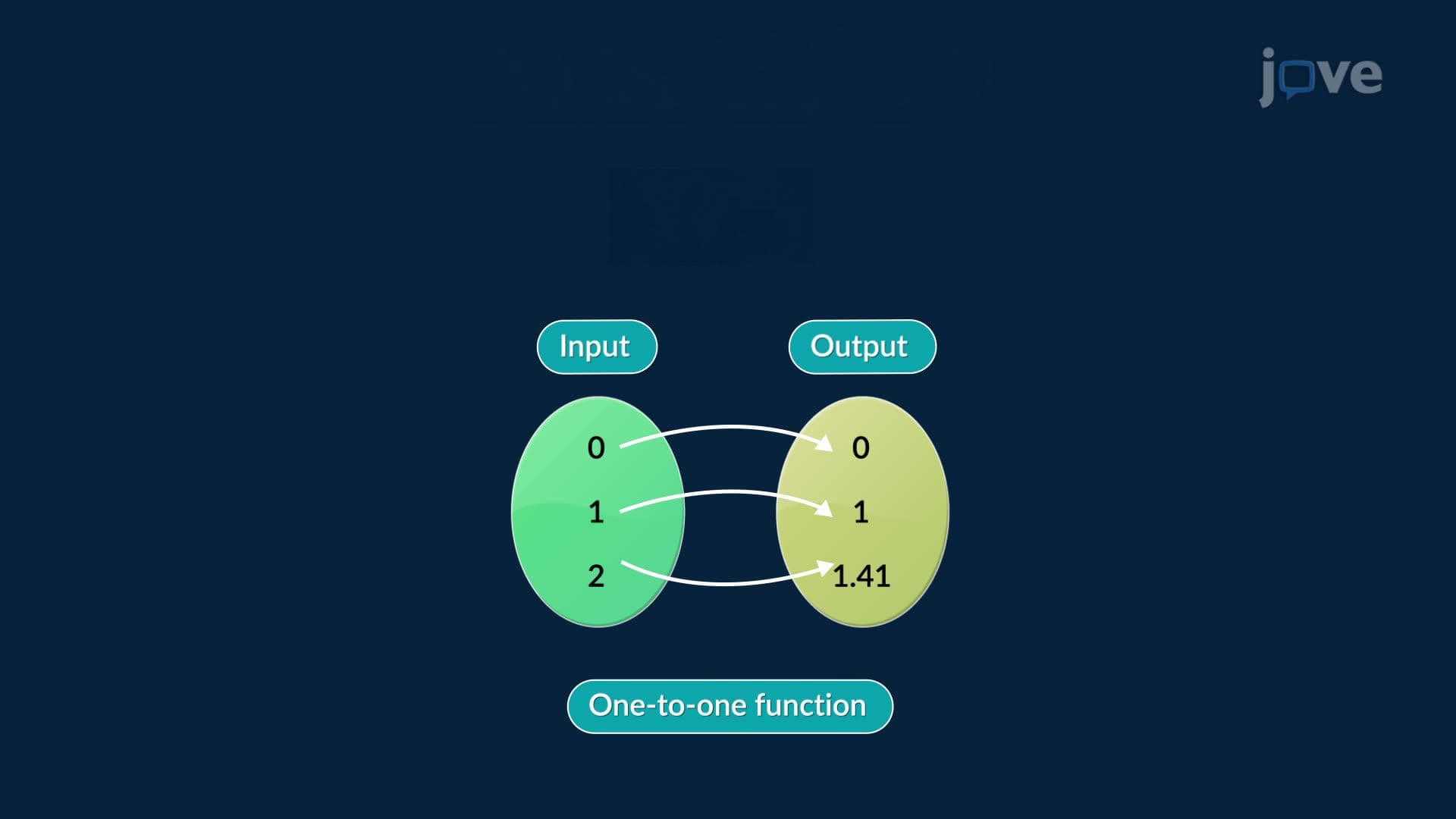
An increasing function represents one of the most fundamental concepts in algebra and calculus, describing mathematical relationships where output values consistently rise as input values grow larger. Formally, a function f(x) is increasing on an interval if for any two values a and b where a < b, we have f(a) ≤ f(b). This increasing function definition forms the foundation for analyzing growth patterns across mathematics and science.
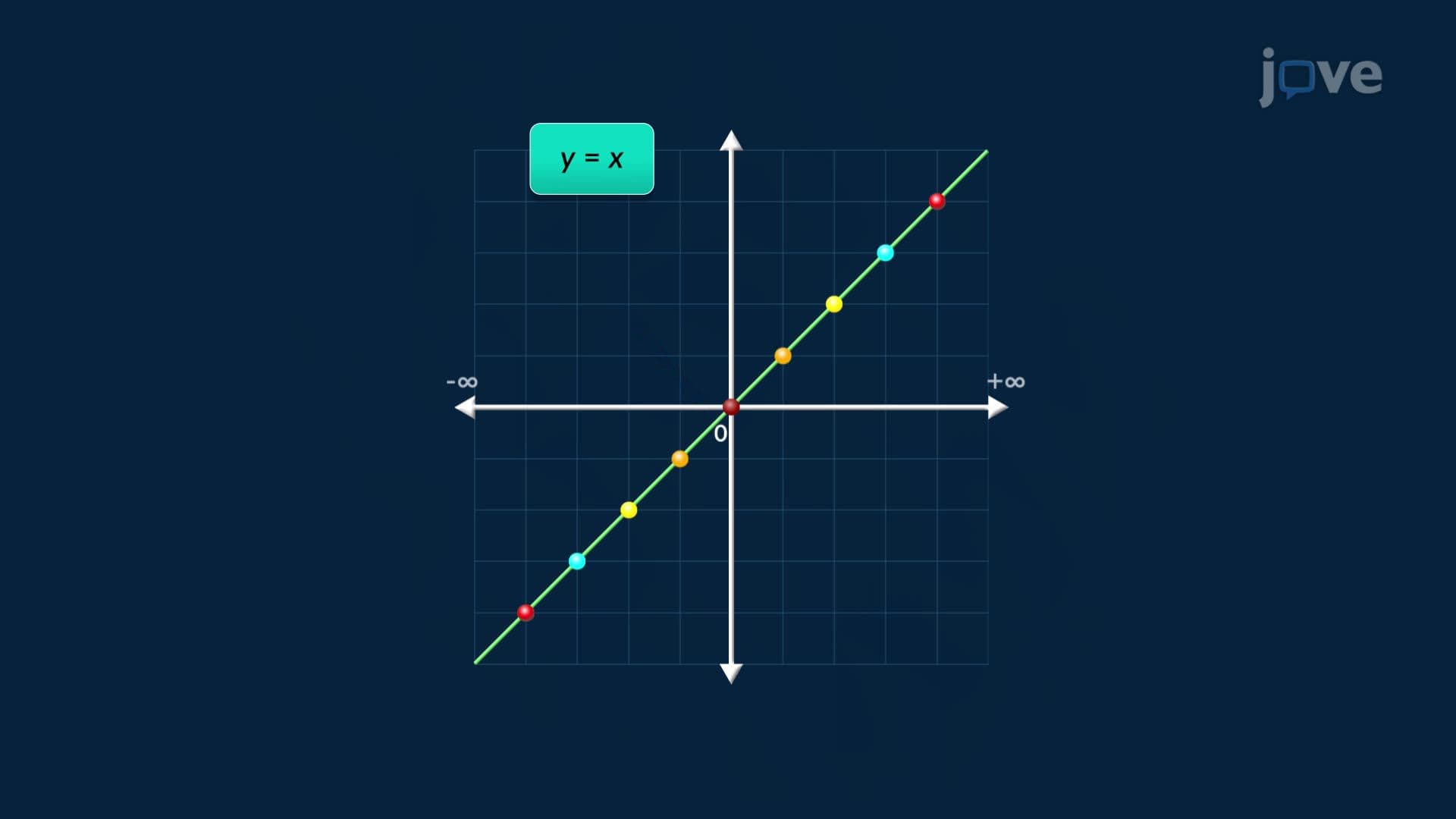
The increasing function concept extends beyond simple upward-sloping lines. Functions can increase at different rates-some grow slowly and steadily, while others exhibit rapid exponential growth. For example, a linear function like f(x) = 2x + 3 increases at a constant rate, while an exponential function like f(x) = 2^x increases at an accelerating pace. Students preparing for AP Calculus or SAT Subject Tests must distinguish between strictly increasing functions (where f(a) < f(b) when a < b) and non-decreasing functions (where f(a) ≤ f(b)).
Visual identification becomes crucial for exam success. On coordinate graphs, increasing function behavior appears as sections where the curve moves upward from left to right. The steepness indicates the rate of increase-steeper sections represent faster growth. This visual approach proves essential for AP Calculus students analyzing function behavior without complex calculations.
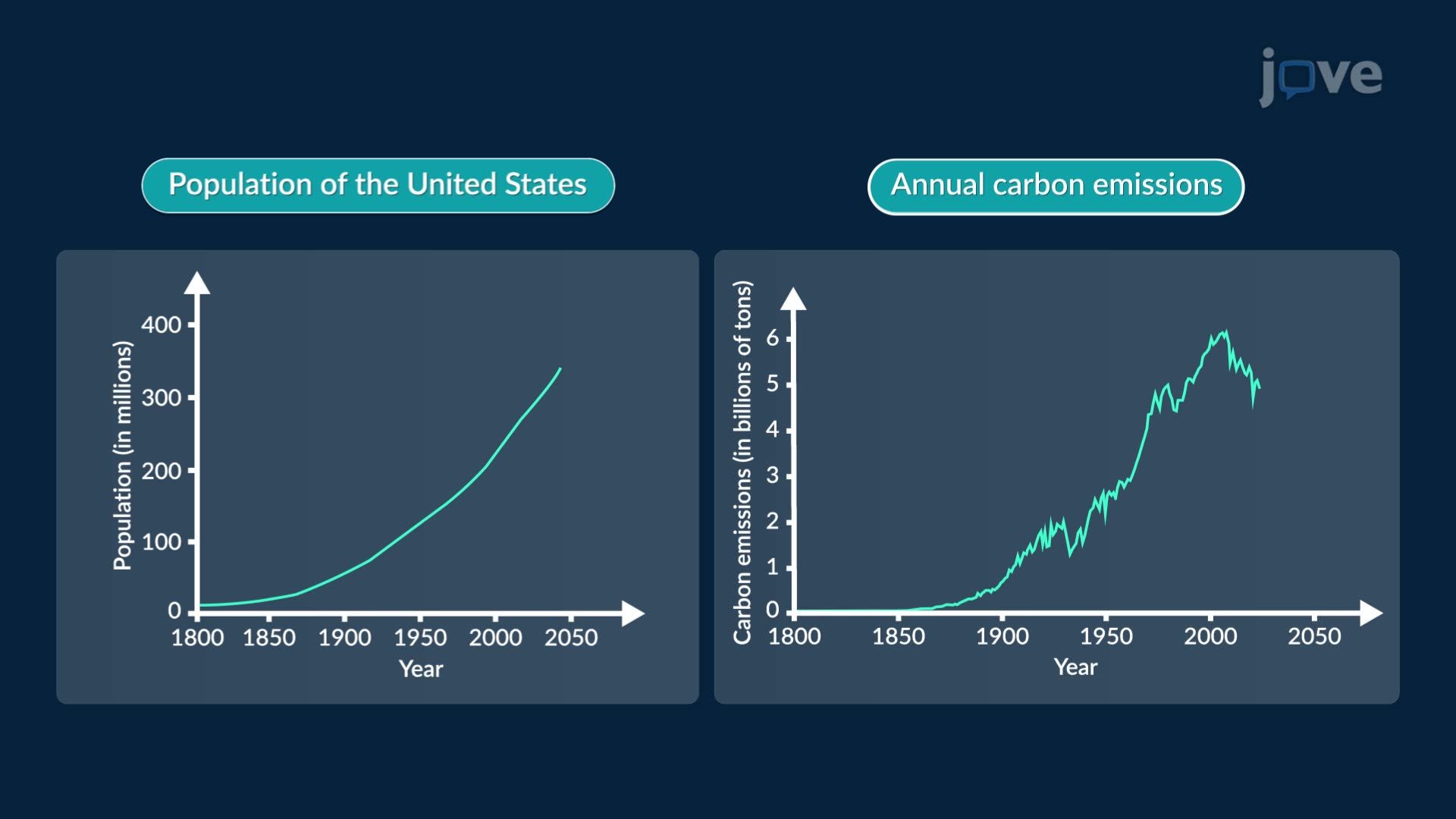
Understanding increasing function principles applies directly to numerous US-based scenarios. The S&P 500 stock index generally exhibits increasing function behavior over long time periods, despite short-term fluctuations. Similarly, US population growth from 1950 to 2020 demonstrates increasing function characteristics, with demographers using these patterns for policy planning.
The average rate of change calculation-(f(b) - f(a))/(b - a)-provides quantitative measurement of how rapidly functions increase over specific intervals. This concept appears frequently on college algebra exams and forms the foundation for derivative calculations in calculus courses. Students at institutions like UCLA or University of Texas often encounter these problems in introductory mathematics sequences.
For standardized test preparation, recognizing increasing function intervals requires systematic analysis. Students should identify where function derivatives are positive (for calculus courses) or where secant line slopes are positive (for algebra courses). This skill proves valuable for AP Calculus AB/BC exams, where function analysis comprises significant portions of free-response questions.
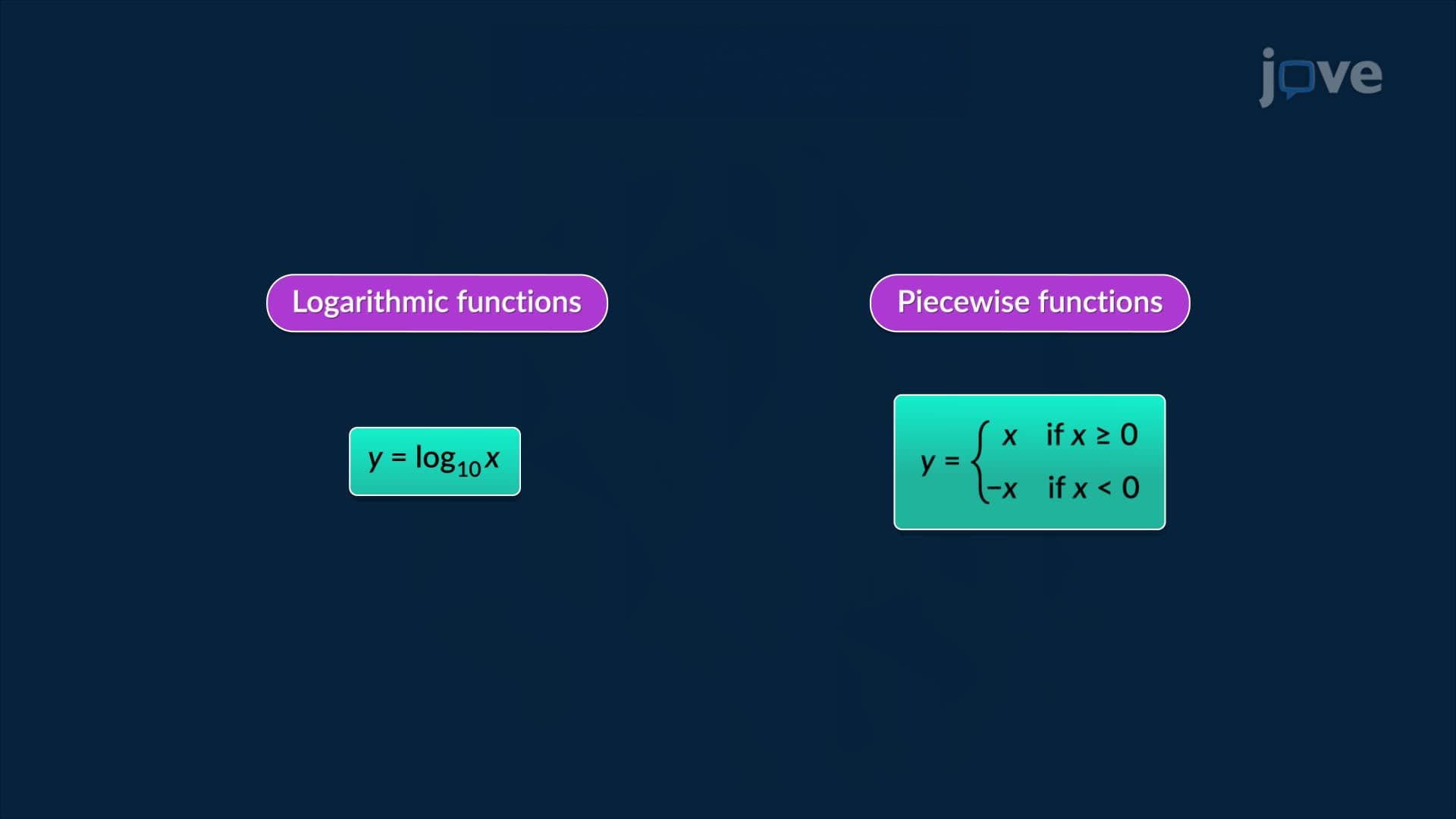
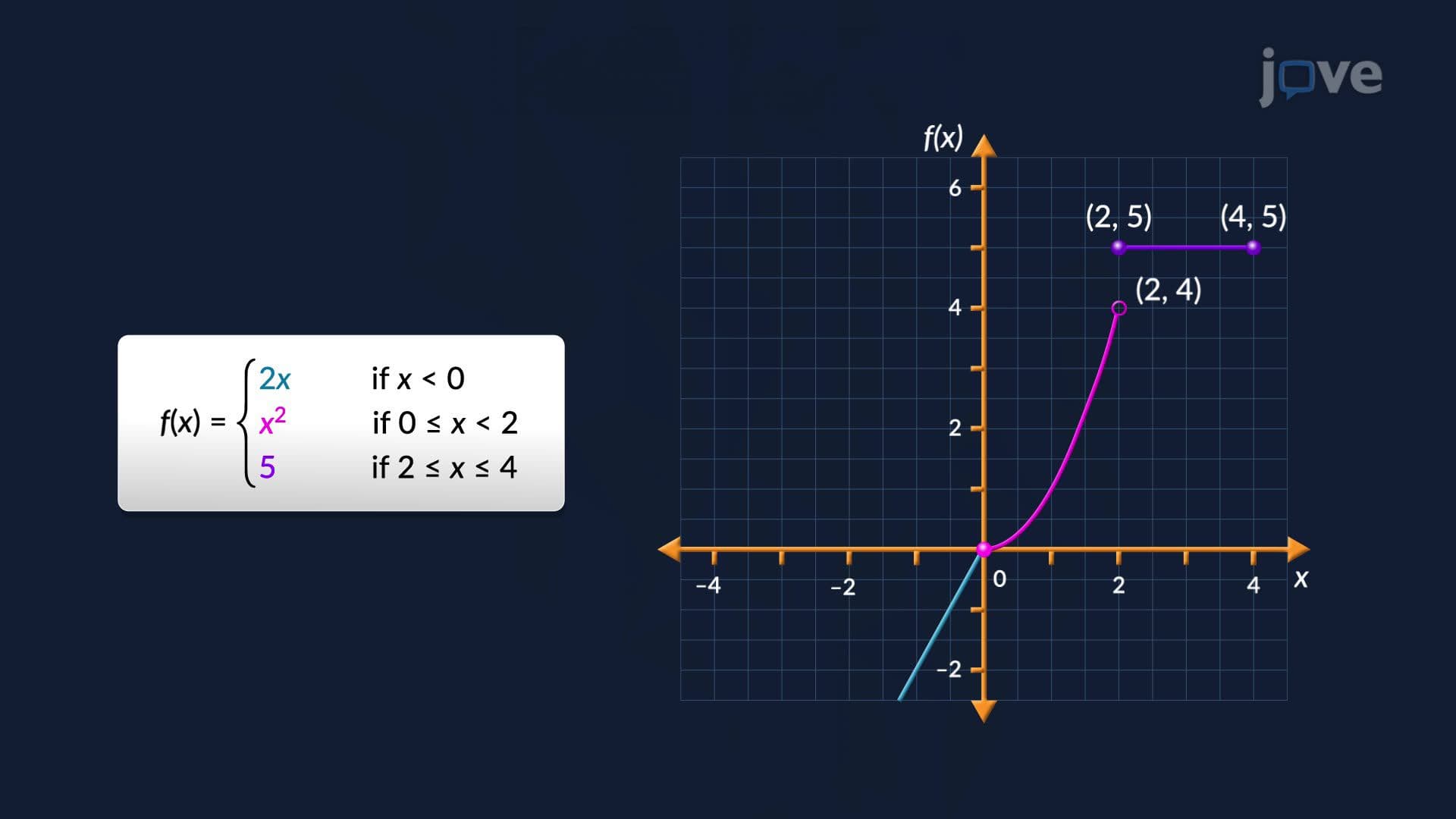
Advanced applications include piecewise functions with multiple increasing intervals, inverse function relationships, and optimization problems. These topics bridge high school mathematics with college-level coursework, preparing students for engineering, economics, and scientific disciplines where growth analysis drives decision-making processes.
Related Micro-courses