Loading video…

 12 Concepts
 642 views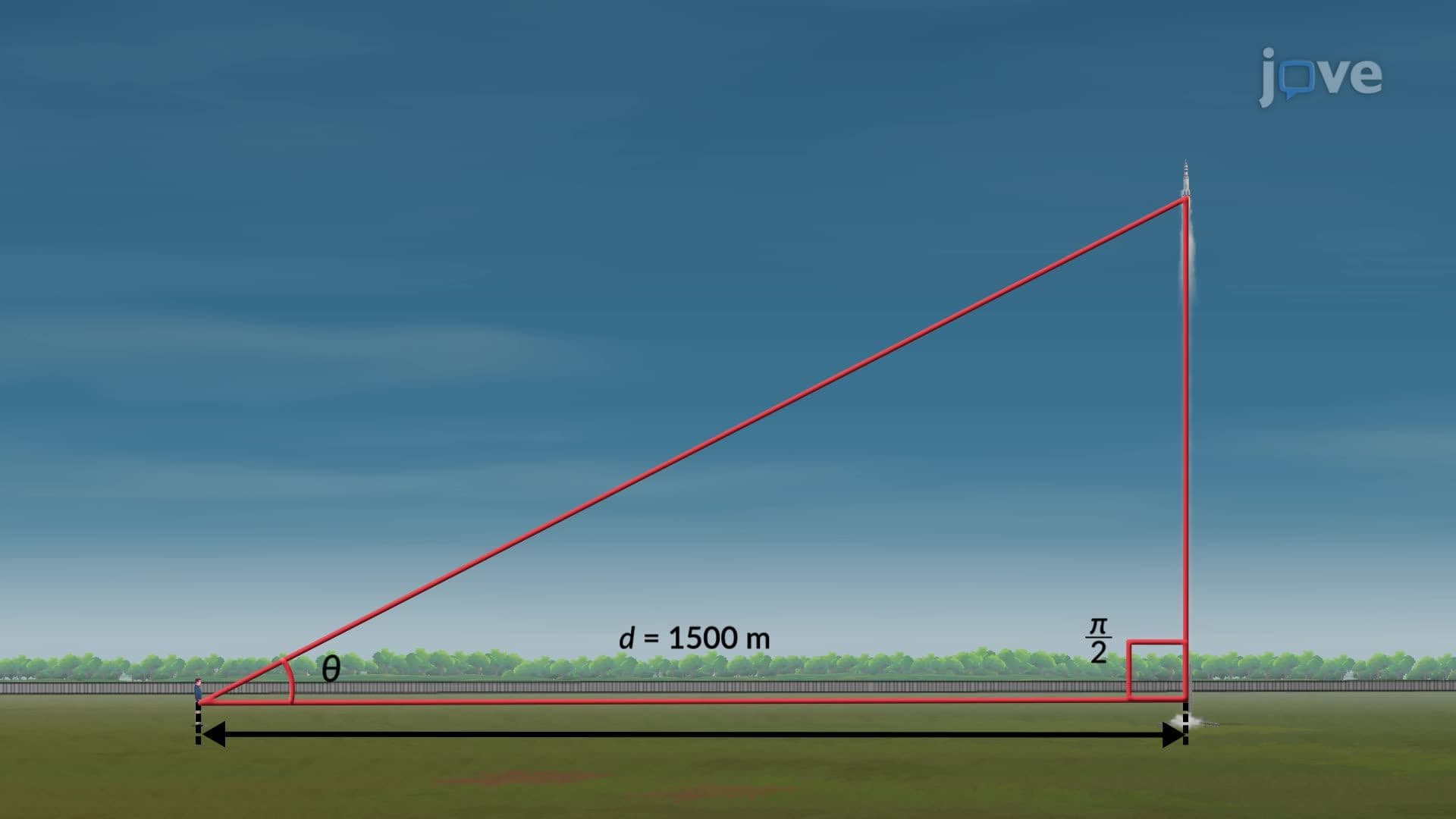

Video Summary: What Is Trigonometric Functions Problem Solving
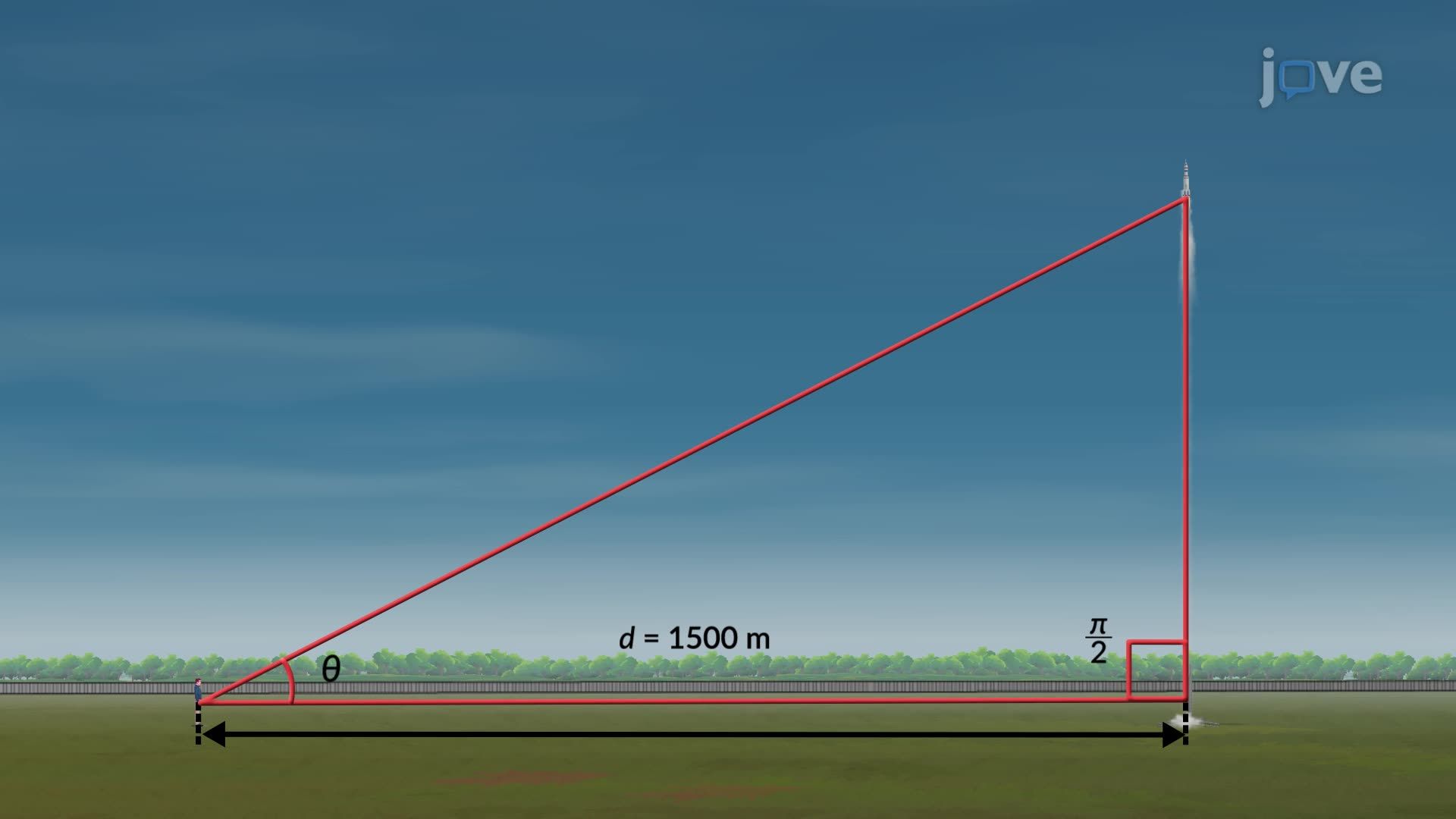
Ever wondered how NASA engineers calculate a rocket's exact height during launch? Trigonometric functions problem solving transforms simple angle measurements into precise distance calculations. When observers at Cape Canaveral track a SpaceX Falcon 9 launch, they use tangent, sine, and cosine functions to determine the rocket's vertical position, absolute distance, and ground distance from a single angle measurement. Watch the full video on JoVE Coach to master this concept with expert-led visuals and step-by-step explanations.
Trigonometric functions problem solving represents the systematic application of sine, cosine, and tangent relationships to determine unknown measurements in right triangle scenarios. This mathematical approach transforms abstract angle measurements into concrete distance calculations, making it invaluable across engineering, physics, and navigation disciplines.
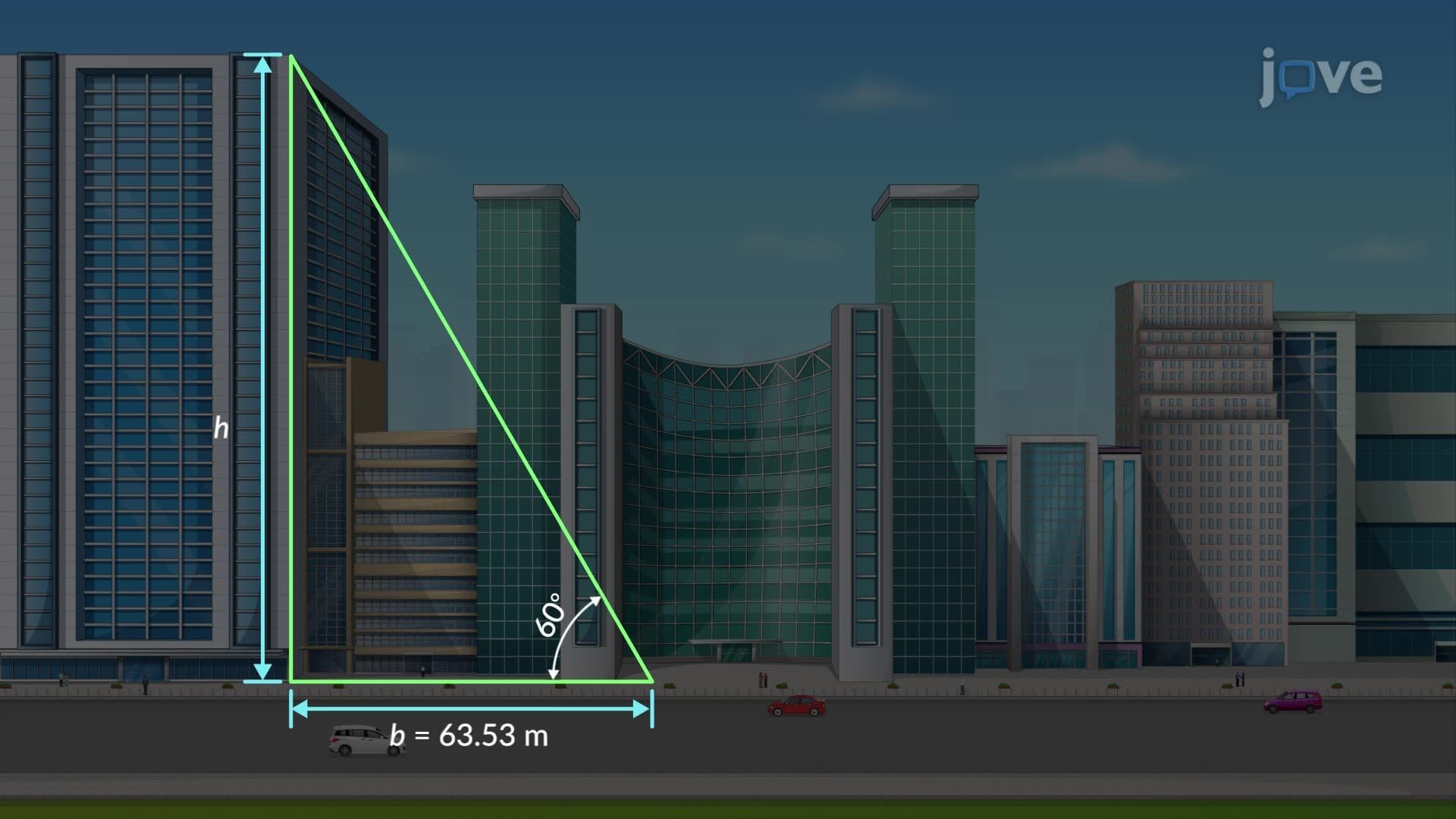
The foundation rests on three core relationships within right triangles. The tangent function connects the opposite side (vertical height) to the adjacent side (ground distance) through the measured angle. The sine function relates the opposite side to the hypotenuse (absolute distance), while cosine connects the adjacent side to the hypotenuse. These relationships remain constant regardless of triangle size, creating powerful problem-solving tools.
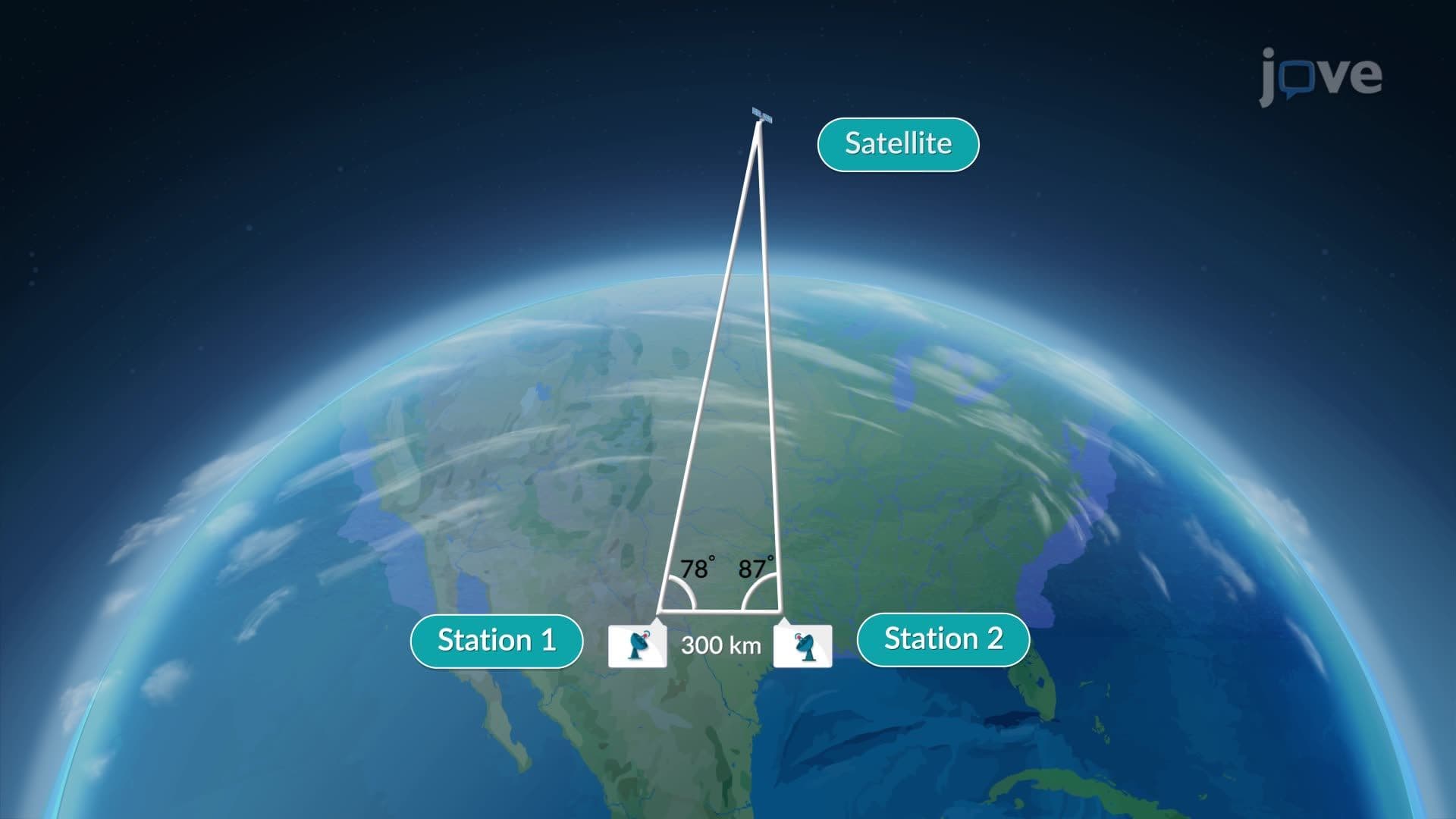
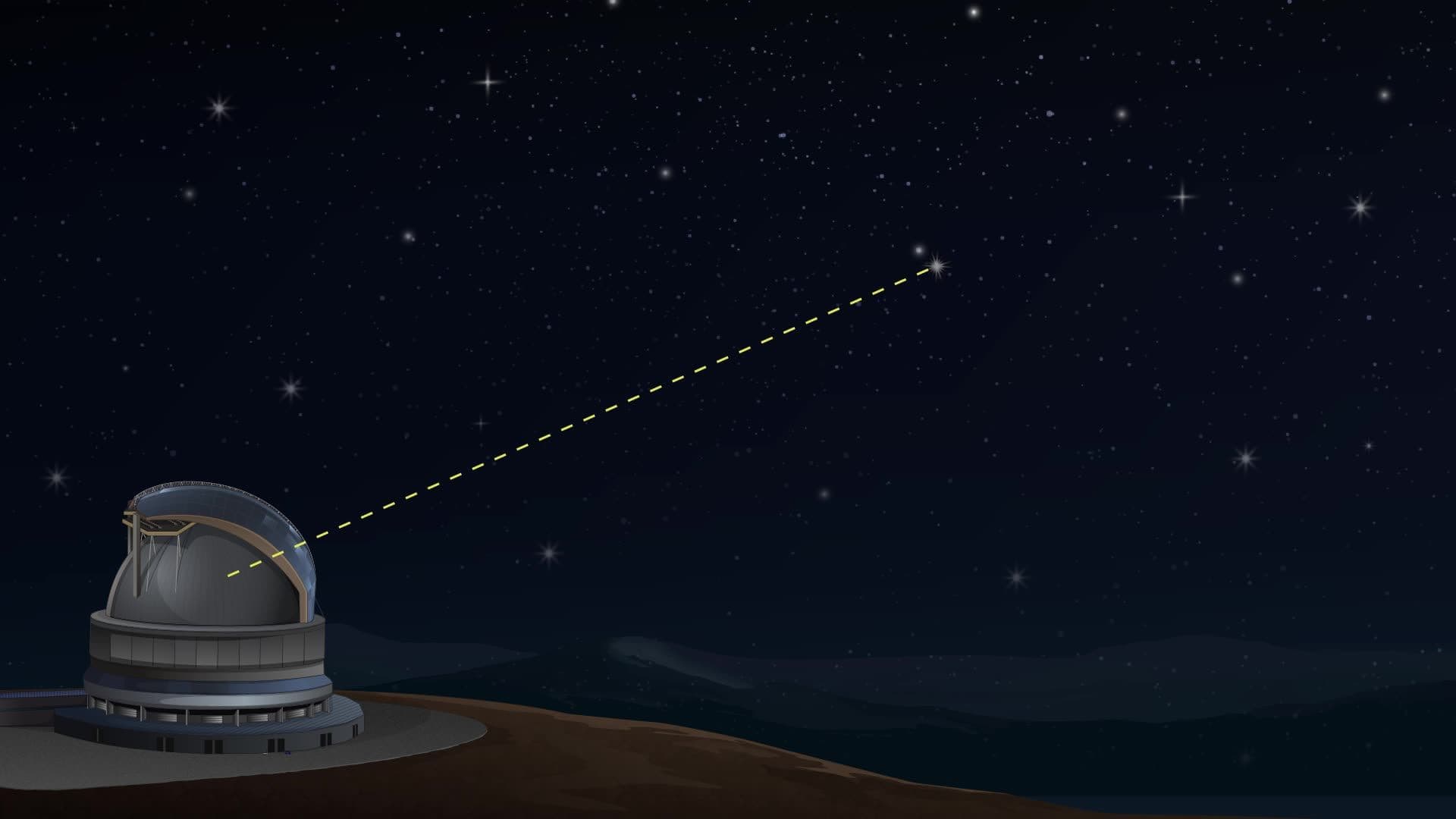
American aerospace companies like Boeing and Lockheed Martin rely heavily on trigonometric problem solving for flight path calculations. When air traffic controllers at O'Hare International Airport track aircraft approaches, they use these same principles to determine altitude from radar angle data. Similarly, surveyors mapping the Grand Canyon employ trigonometric functions to measure cliff heights and canyon depths from accessible observation points.
Construction engineers building skyscrapers in Manhattan use trigonometric problem solving to calculate building heights, ensuring proper crane positioning and safety compliance. The principle applies equally to determining optimal solar panel angles in California's renewable energy installations, where maximizing sun exposure requires precise trigonometric calculations.
Effective trigonometric problem solving follows a systematic approach. First, identify the known values (typically one angle and one side length) and the unknown target measurement. Next, determine which trigonometric function relates the known and unknown values most directly. Finally, apply the appropriate function and solve algebraically.
Multiple verification methods strengthen solution accuracy. If you calculate height using tangent, verify the result using sine with the absolute distance, or use cosine to confirm ground distance measurements. This cross-checking approach mirrors professional engineering practices where measurement accuracy is critical.
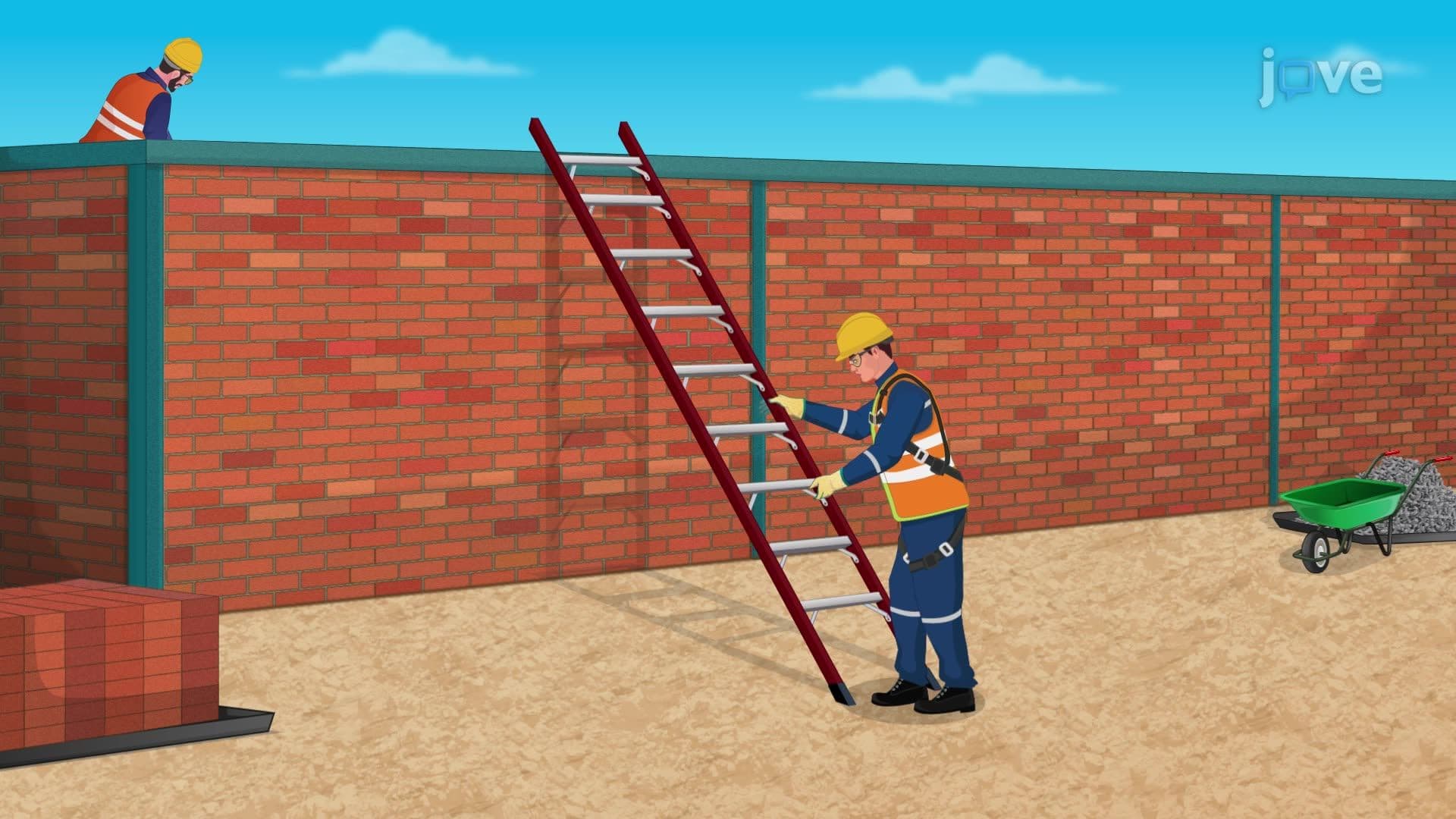
Trigonometric functions problem solving appears prominently on standardized tests including the SAT Math Section, AP Calculus exams, and college placement assessments. Typical problems involve ladder safety calculations, shadow length determinations, and navigation scenarios. Students preparing for engineering programs encounter these concepts extensively in college trigonometry and physics coursework, where they form the foundation for more advanced vector analysis and calculus applications.
Related Micro-courses