Loading video…

 12 Concepts
 642 views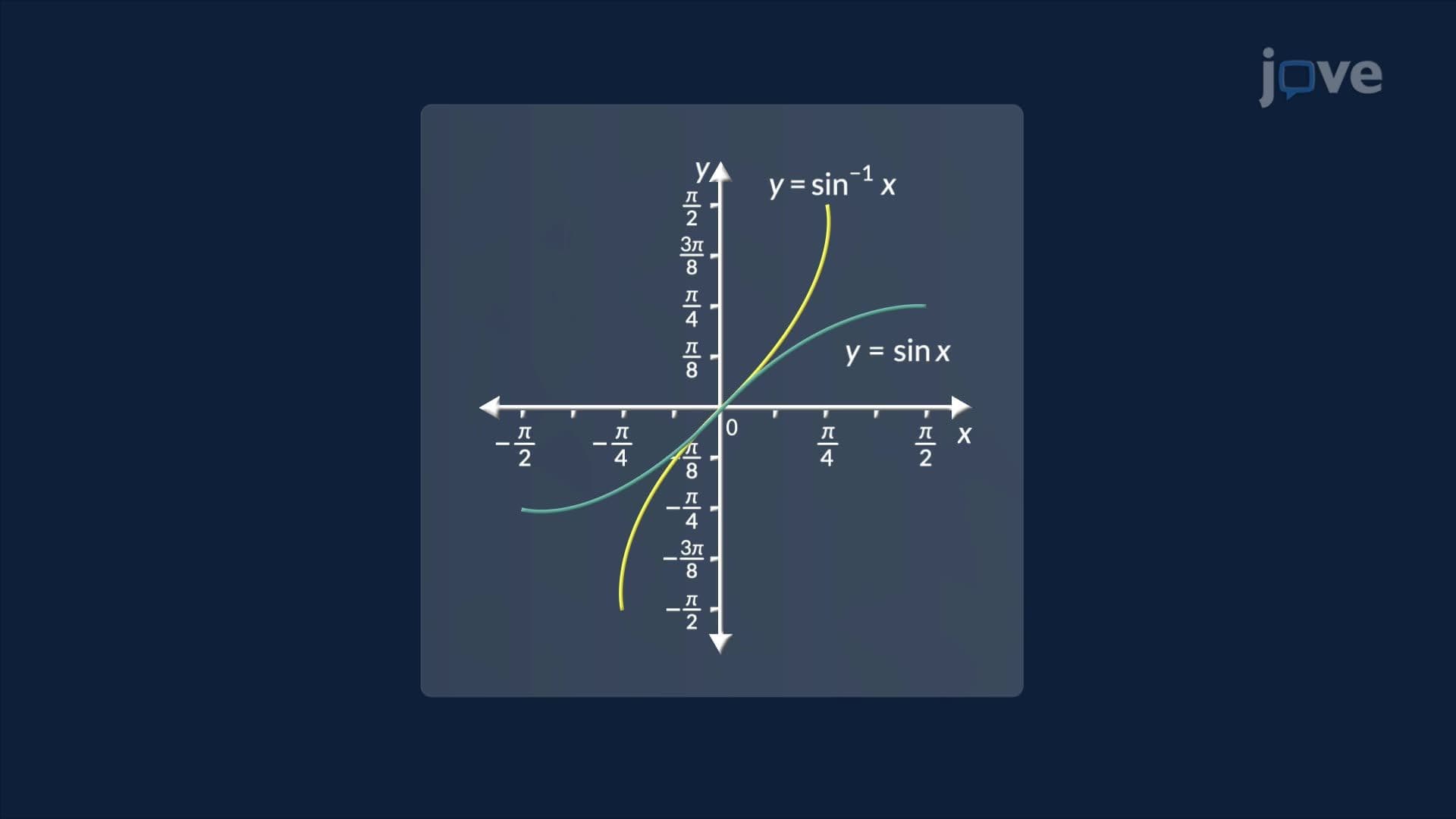

Video Summary: What are Inverse Trigonometric Functions
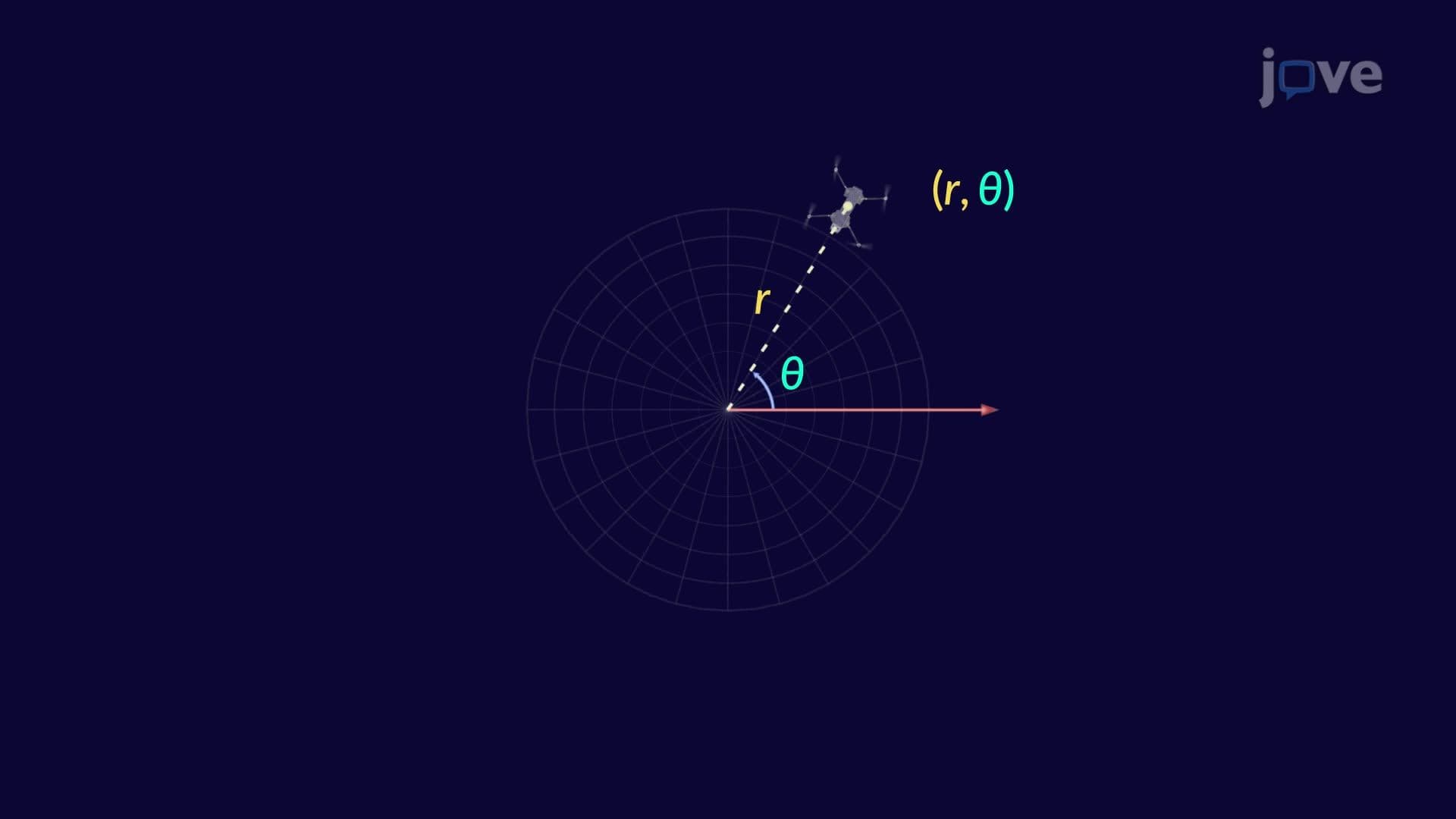
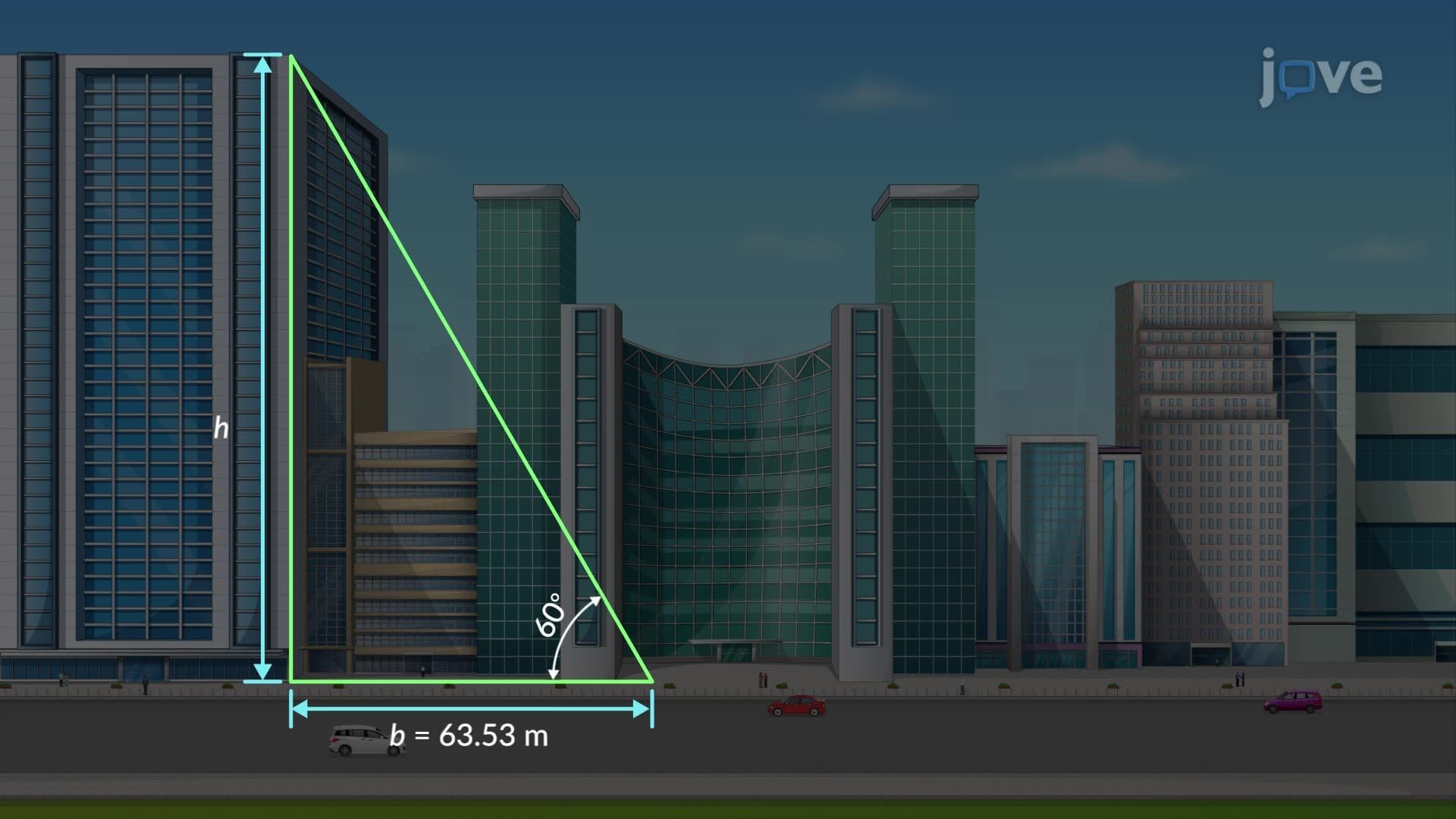
Ever wondered how engineers determine the angle of a satellite dish or how architects calculate roof slopes? Inverse trigonometric functions are the mathematical tools that solve these real-world problems by working backwards from ratios to find original angles. Unlike regular trigonometric functions that map angles to ratios, these functions reverse the process-taking known side ratios and returning the corresponding angle measures. Watch the full video on JoVE Coach to master this concept with expert-led visuals and step-by-step explanations.
Inverse trigonometric functions represent one of the most practical concepts in advanced mathematics, serving as the bridge between known measurements and unknown angles. While standard trigonometric functions answer "What ratio corresponds to this angle?", inverse trigonometric functions tackle the reverse question: "What angle produces this specific ratio?" This fundamental shift makes them indispensable tools in fields ranging from aerospace engineering to architectural design.
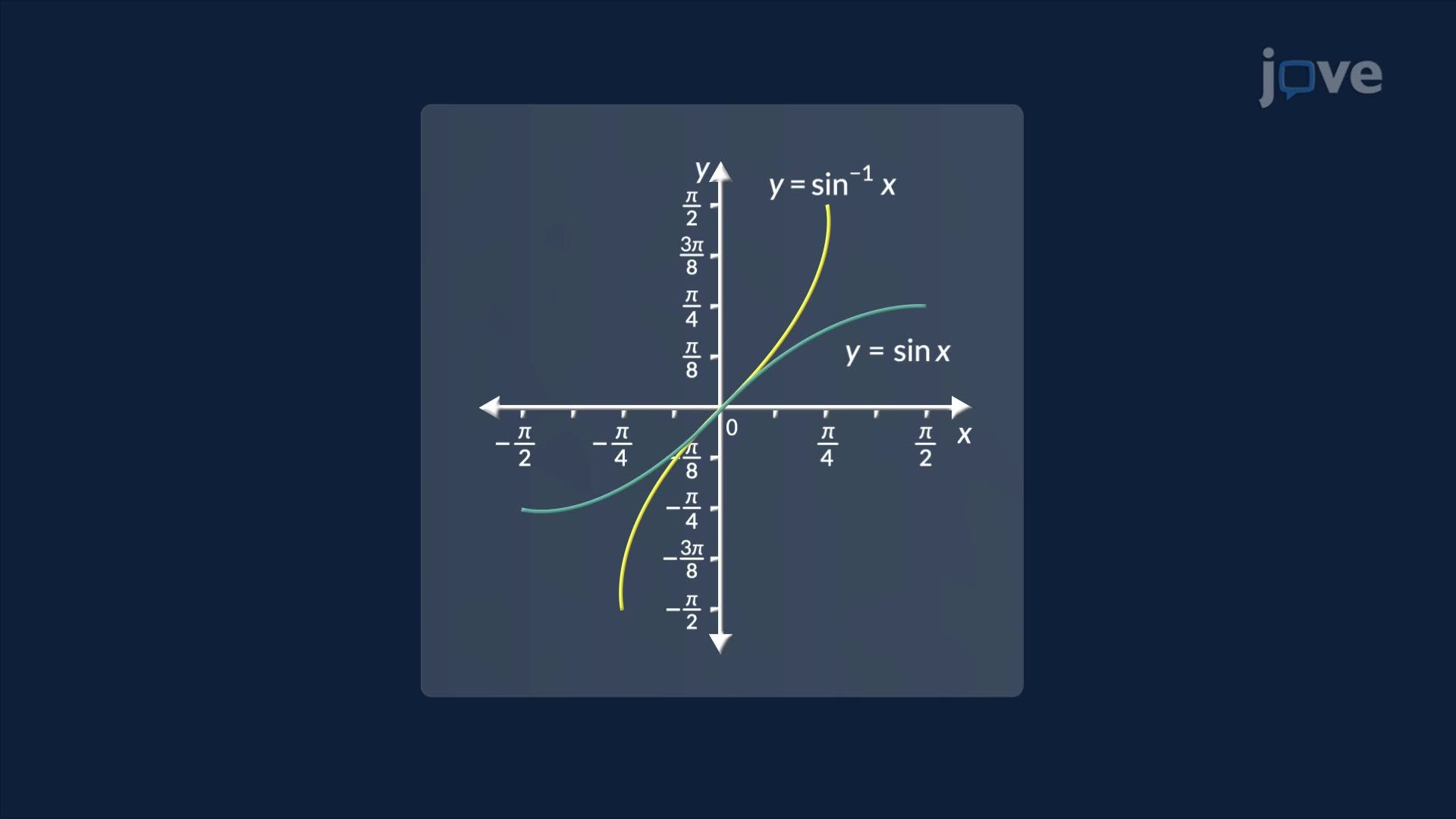
The three primary types of inverse trigonometric functions each serve distinct purposes. Arcsine (arcsin or sin⁻¹) handles ratios from sine relationships, with its range restricted to [-π/2, π/2] to ensure unique angle outputs. Arccosine (arccos or cos⁻¹) works with cosine ratios, operating within the range [0, π]. Arctangent (arctan or tan⁻¹) manages tangent relationships within the open interval (-π/2, π/2), excluding endpoints where tangent becomes undefined due to vertical asymptotes.
These domain restrictions aren't arbitrary mathematical rules-they're carefully chosen intervals that maintain the essential one-to-one relationship required for inverse functions. Without these restrictions, a single ratio could correspond to multiple angles, creating mathematical ambiguity that would render the functions useless for practical calculations.
Consider NASA's Mars rover navigation systems, which rely heavily on inverse trigonometric functions to calculate precise positioning angles from sensor data. Similarly, structural engineers designing California's earthquake-resistant buildings use these functions to determine optimal support beam angles based on load distribution ratios.
In academic settings, inverse trigonometric functions appear prominently on AP Calculus exams, SAT Subject Tests, and college-level mathematics courses. Students at institutions like MIT and Stanford encounter these concepts in engineering mathematics, where they form the foundation for advanced topics like Fourier analysis and signal processing.
The graphical representation of inverse trigonometric functions reveals their intimate connection to their parent functions. Each inverse function appears as a reflection of its corresponding trigonometric function across the line y = x, demonstrating the fundamental symmetry property of inverse relationships. This visual understanding proves invaluable when solving complex problems or verifying solutions on standardized tests.
Related Micro-courses