Loading video…

 12 Concepts
 642 views

Video Summary: What are Trigonometric Equations
Ever wondered how engineers predict when a bridge will stop swaying after an earthquake? Trigonometric equations are mathematical expressions involving sine, cosine, tangent, and other trig functions that help solve these real-world problems. These equations appear everywhere from the Golden Gate Bridge's oscillation patterns to NASA's satellite trajectory calculations. What are Trigonometric Equations represents a fundamental concept connecting periodic functions to practical applications in engineering and physics. Watch the full video on JoVE Coach to master this concept with expert-led visuals and step-by-step explanations.
Trigonometric equations form the backbone of advanced mathematics, appearing frequently on the SAT Math Level 2 test and AP Calculus exams. Unlike algebraic equations that involve only polynomial expressions, these equations incorporate trigonometric functions like sine, cosine, tangent, secant, cosecant, and cotangent. The key distinction lies between trigonometric identities-equations true for all angle values-and conditional trigonometric equations that hold only for specific angles.
The most common types of trigonometric equations include linear equations (like 2sin(x) = 1), quadratic equations (such as cos²(x) - 3cos(x) + 2 = 0), and composite equations involving multiple functions. Quadratic-type equations often require substitution methods similar to standard algebra. For instance, if you encounter sin²(x) + 3sin(x) - 4 = 0, you can substitute u = sin(x) to get u² + 3u - 4 = 0, then solve using factoring or the quadratic formula.
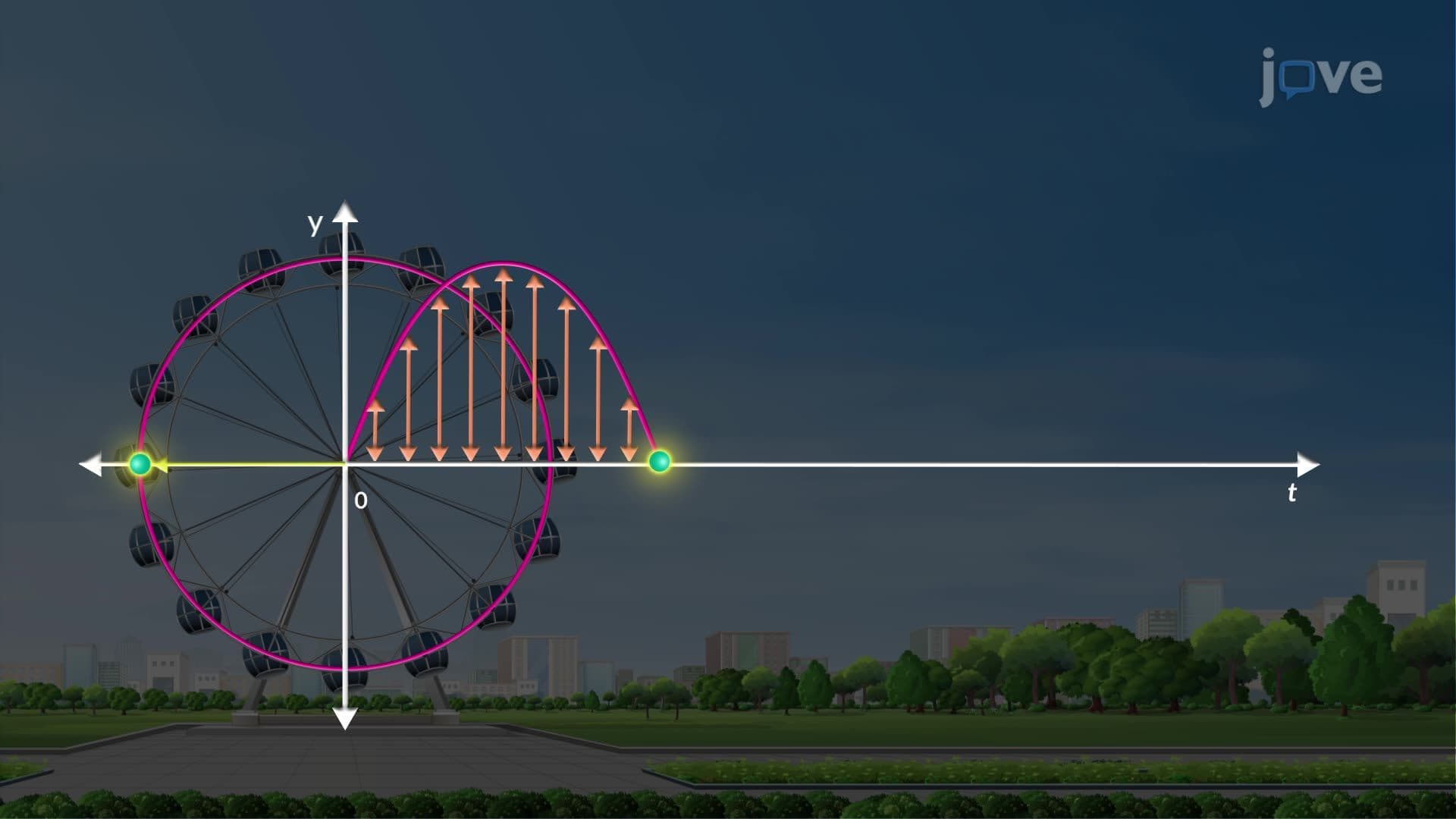
Understanding periodicity distinguishes successful students on college placement exams from those who struggle. Sine and cosine functions repeat every 2π radians (360°), while tangent repeats every π radians (180°). This means if x = π/6 satisfies sin(x) = 1/2, then x = π/6 + 2πn (where n is any integer) represents the complete solution set. Students preparing for the MCAT often encounter this concept in physics problems involving wave mechanics.
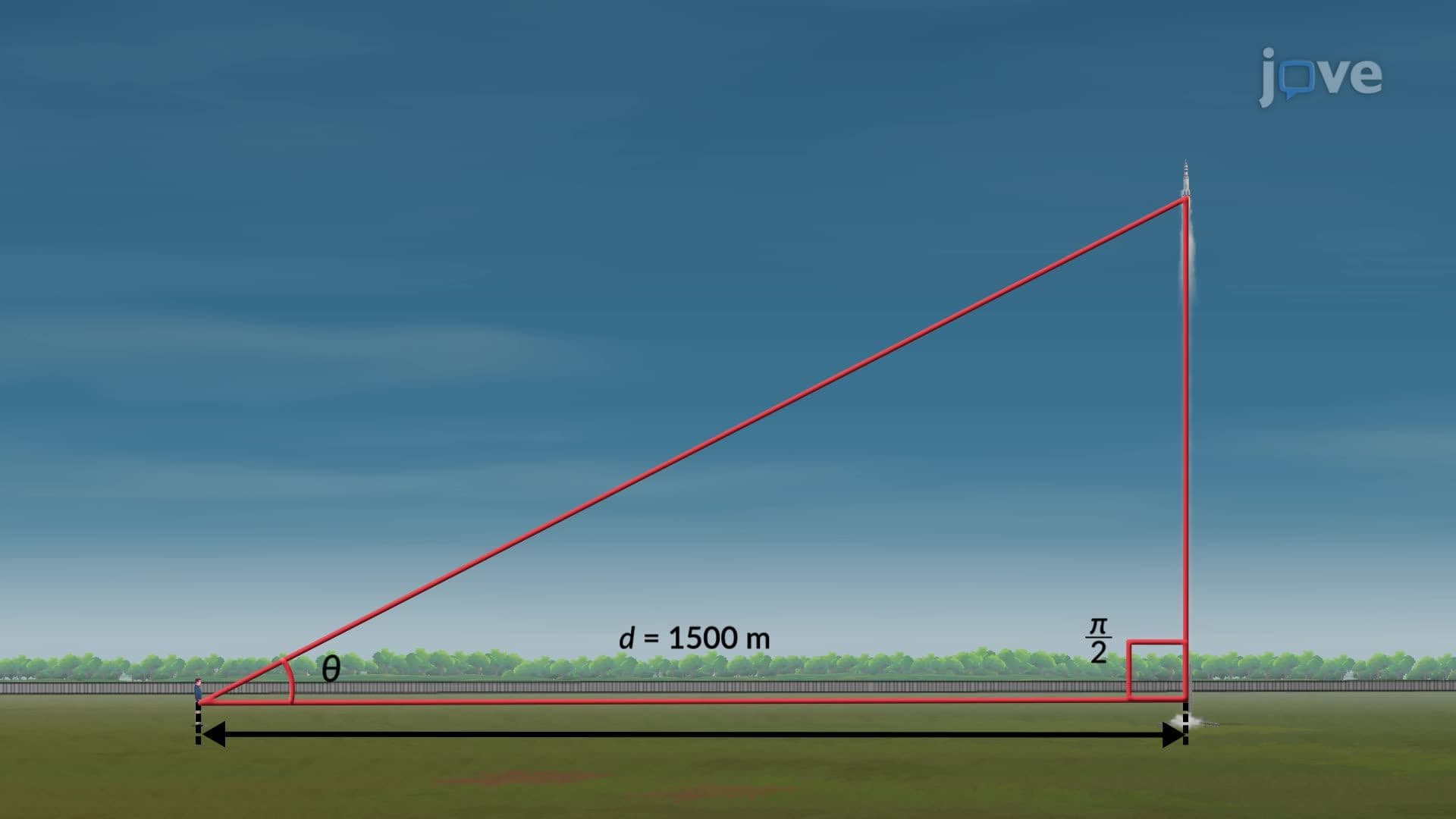
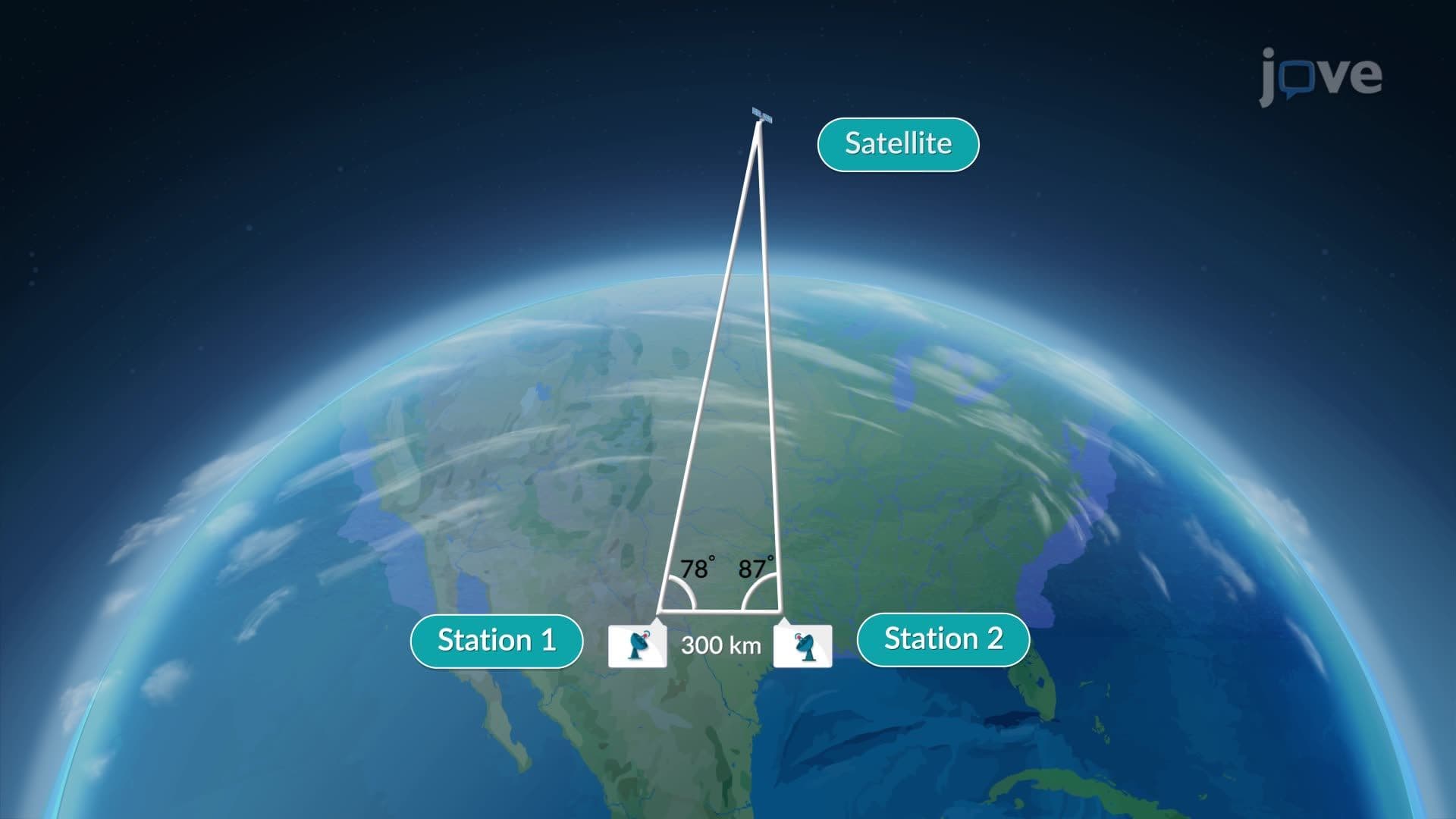
NASA engineers use trigonometric equations to calculate satellite orbital mechanics, while seismologists apply them to predict earthquake aftershock patterns. In structural engineering, the Tacoma Narrows Bridge collapse of 1940 demonstrated the critical importance of solving trigonometric equations related to resonance frequency. Modern suspension bridges like San Francisco's Golden Gate Bridge incorporate these mathematical solutions in their design specifications to prevent similar disasters.
Related Micro-courses