Loading video…

 12 Concepts
 642 views

Video Summary: What Is Trigonometric Identities I
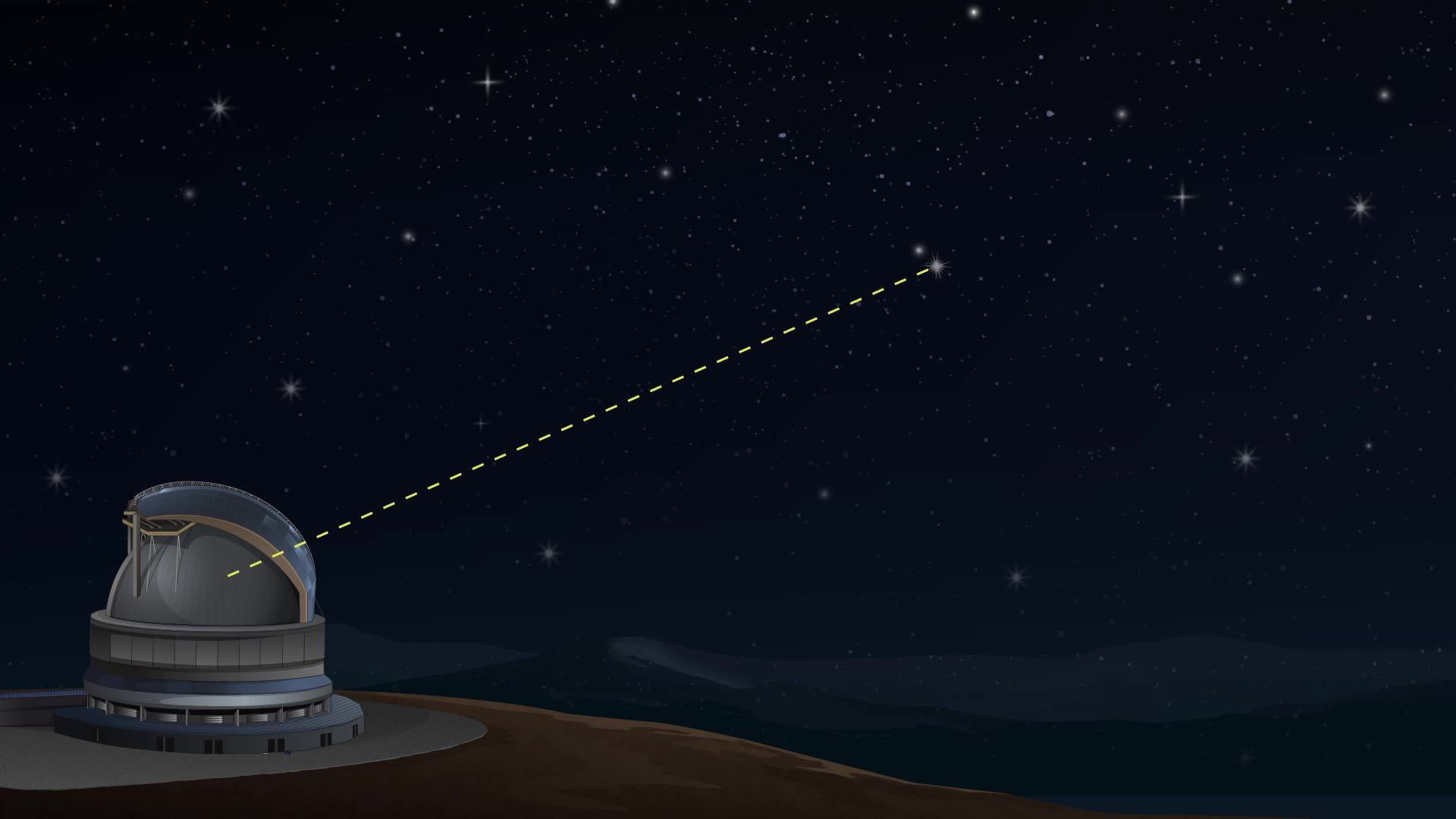
Did you know that NASA's GPS satellites rely on the same mathematical principle you'll learn in Algebra 2? Trigonometric identities I are fundamental equations that remain true for every angle, with the famous Pythagorean identity (sin²θ + cos²θ = 1) serving as the cornerstone. This identity helps engineers at Boeing calculate aircraft trajectories and astronomers track celestial objects across the night sky. Understanding what is trigonometric identities I unlocks the mathematical foundation behind navigation systems, wave mechanics, and orbital calculations. Watch the full video on JoVE Coach to master this concept with expert-led visuals and step-by-step explanations.
Trigonometric identities I represent the first tier of fundamental relationships between trigonometric functions that remain constant across all angle measurements. These mathematical equations form the bedrock of advanced mathematics, appearing consistently in AP Calculus, SAT Subject Tests, and college-level mathematics courses. Unlike regular equations that solve for specific values, trigonometric identities establish universal truths that mathematicians and scientists rely upon for complex calculations.
The concept extends far beyond classroom exercises. Engineering firms like Lockheed Martin use these identities in radar system design, while meteorologists at the National Weather Service apply them in atmospheric modeling. Understanding these relationships prepares students for advanced coursework in physics, engineering, and computer science.
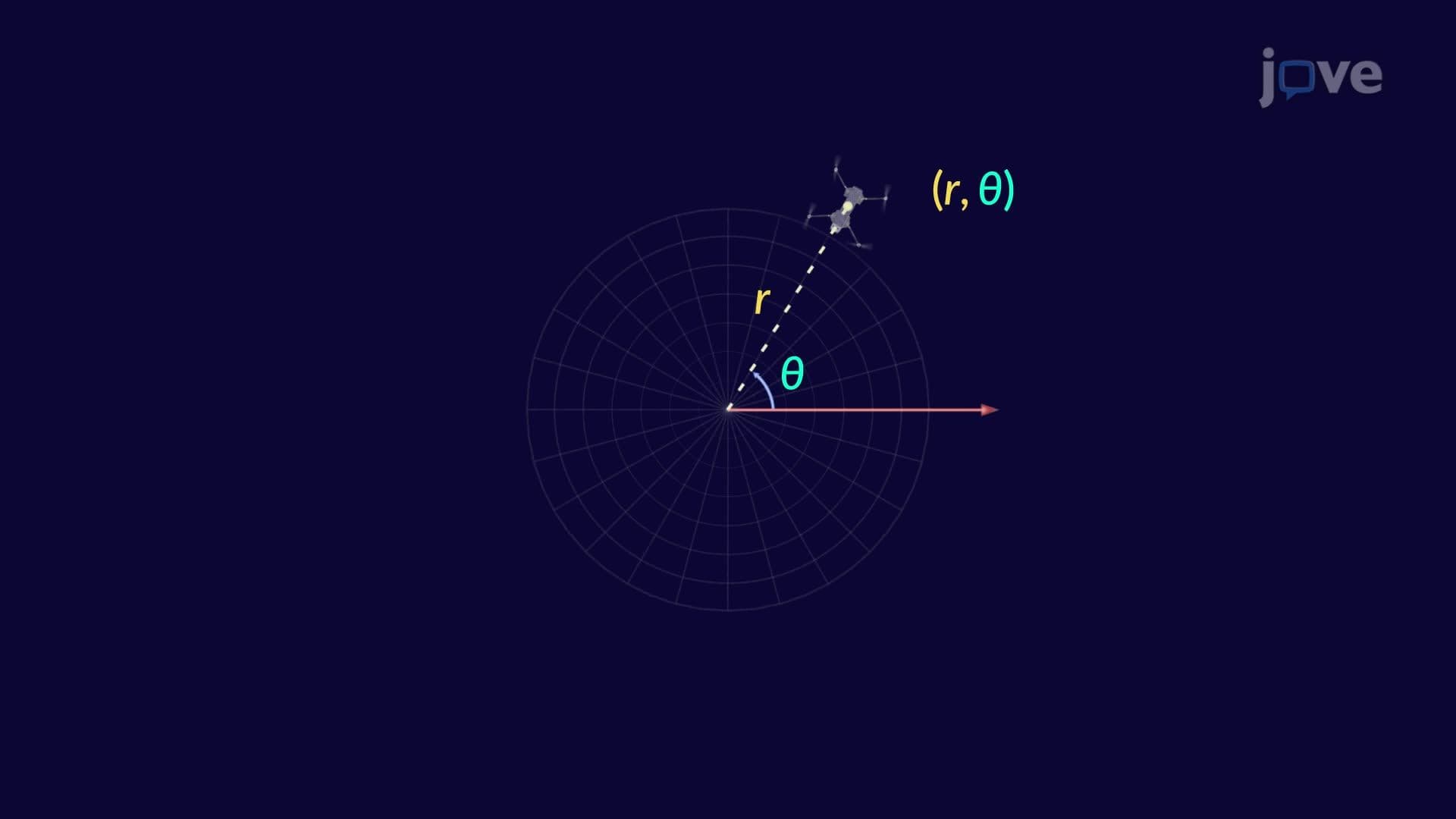
The most crucial identity emerges from the unit circle's geometric properties. When any point lies on a circle with radius 1, its coordinates (x, y) satisfy the fundamental relationship where x represents cos θ and y represents sin θ. The Pythagorean theorem applied to this scenario yields x² + y² = 1², which translates directly to sin²θ + cos²θ = 1.
This identity appears frequently in standardized testing, particularly on AP Calculus exams and college placement tests. Students at institutions like MIT and Stanford encounter this concept in their first-semester calculus courses, where it serves as a gateway to more complex mathematical relationships. The identity's power lies in its ability to transform complicated expressions into manageable forms.
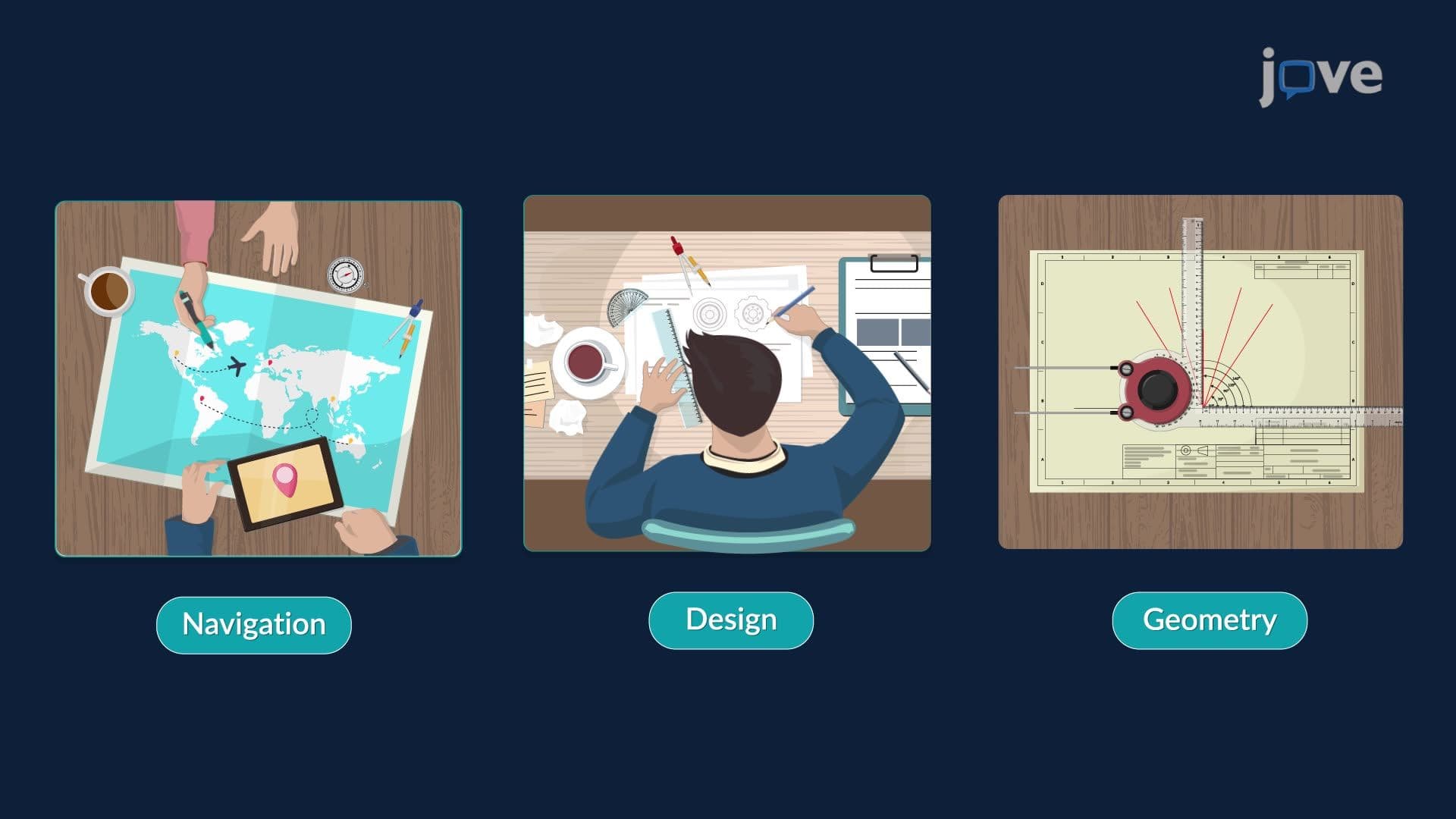
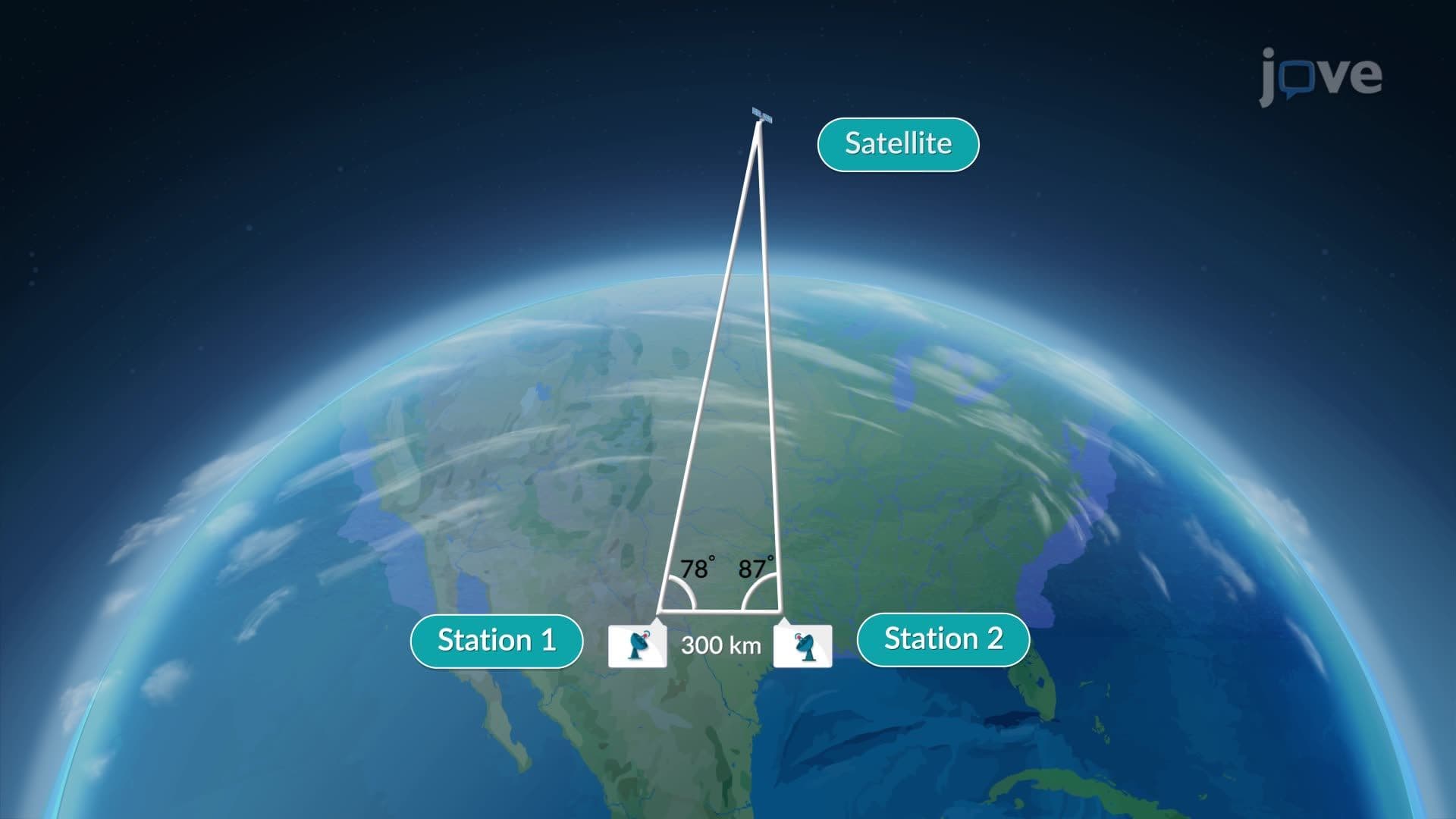
American aerospace companies leverage trigonometric identities for satellite positioning and spacecraft navigation. NASA's Jet Propulsion Laboratory uses these mathematical principles to calculate trajectories for Mars rovers and deep-space missions. The consistency guaranteed by trigonometric identities ensures that navigation systems remain accurate across vast distances and time periods.
In the financial sector, quantitative analysts on Wall Street apply these identities in options pricing models and risk assessment algorithms. The mathematical certainty provided by trigonometric identities allows for precise calculations in high-stakes trading environments where accuracy determines profitability.
Mastering trigonometric identities I creates the foundation for understanding periodic functions, wave analysis, and complex number theory. Students who grasp these concepts perform significantly better in advanced placement courses and college-level STEM programs. The logical progression from basic identities to advanced applications mirrors the mathematical reasoning skills valued in engineering and scientific research careers.
Related Micro-courses