Loading video…

 12 Concepts
 642 views

Video Summary: What Is the Law of Cosines
Ever wondered how GPS systems calculate distances when direct measurement isn't possible? The law of cosines extends beyond basic right triangles to solve any triangle when you know two sides and the included angle. Land surveyors across the United States rely on this fundamental principle to measure property boundaries when obstacles like rivers or buildings block direct access. What is The Law of Cosines reveals the mathematical foundation that connects trigonometry to real-world problem-solving in engineering, navigation, and construction. Watch the full video on JoVE Coach to master this concept with expert-led visuals and step-by-step explanations.
The law of cosines serves as a powerful extension of the Pythagorean theorem, enabling mathematicians and professionals to solve any triangle-not just right triangles. The fundamental formula states: c² = a² + b² - 2ab cos(C), where c represents the side opposite angle C, and a and b are the other two sides. This relationship becomes invaluable when working with oblique triangles (those without right angles) that frequently appear in engineering calculations, architectural designs, and scientific measurements throughout American industries.
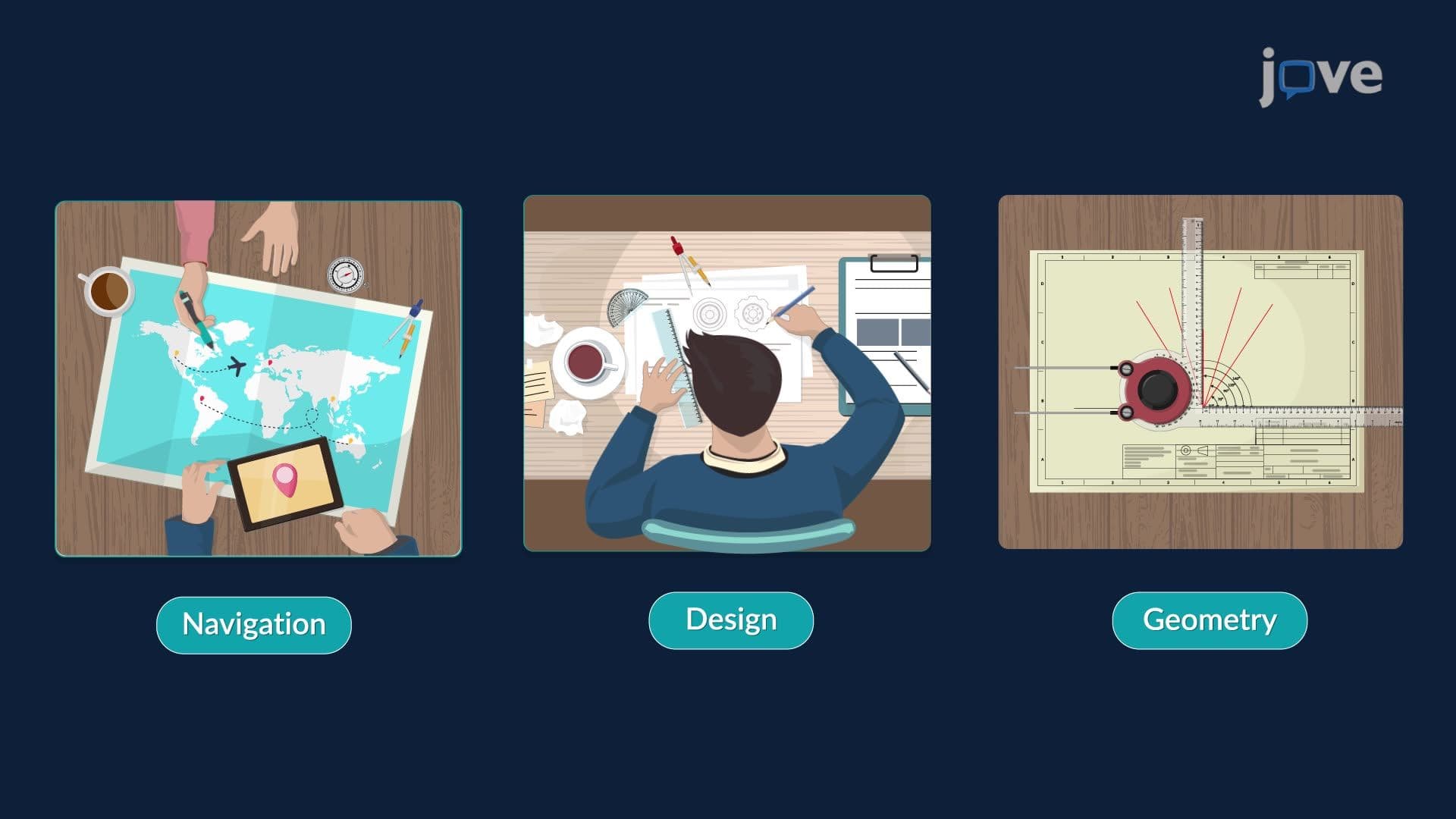
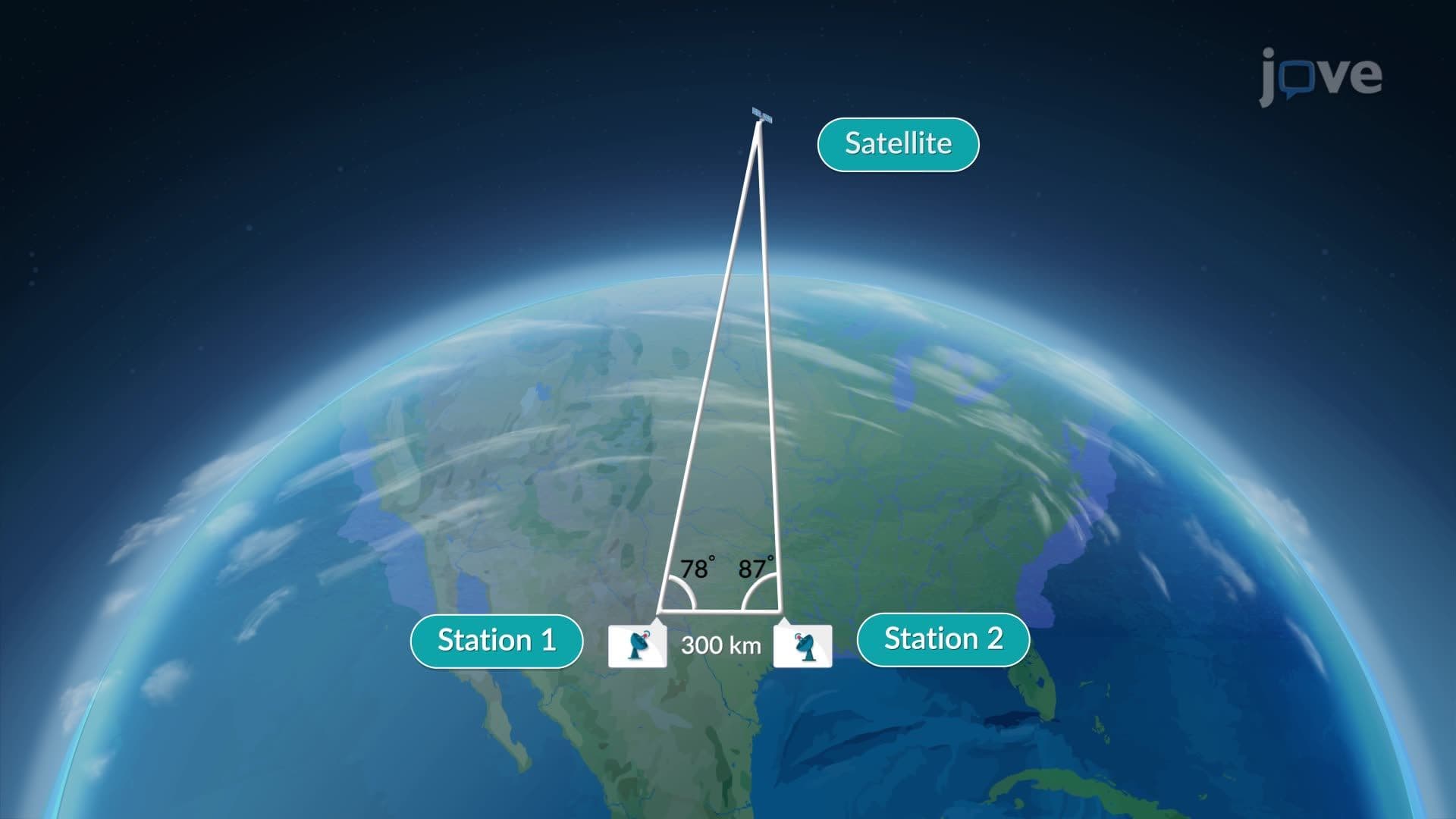
The law of cosines definition extends far beyond classroom exercises into critical real-world applications. Civil engineers designing highway intersections in major US cities like Los Angeles or Chicago use this principle to calculate optimal angles and distances when road layouts don't form convenient right angles. Similarly, aerospace engineers at companies like Boeing and Lockheed Martin apply these calculations when determining flight paths and satellite positioning systems that must account for Earth's curvature and non-perpendicular reference points.
Students encounter what is the law of cosines in detail across multiple academic levels, from high school Algebra II and Precalculus through college-level Engineering Mathematics and Physics courses. The concept frequently appears on standardized tests including the SAT Math Level 2 Subject Test, AP Calculus exams, and engineering entrance assessments. Understanding this law becomes particularly crucial for students pursuing STEM majors at universities like MIT, Stanford, or Georgia Tech, where advanced mathematics forms the foundation for specialized coursework.
Mastering the law of cosines overview requires recognizing when to apply this tool versus alternatives like the law of sines. Students should identify SAS (side-angle-side) and SSS (side-side-side) triangle configurations as primary indicators for using the cosine law. Practice problems often involve navigation scenarios, such as calculating distances between cities when traveling routes form triangular patterns, or determining forces in mechanical systems where components meet at non-right angles. These applications prepare students for advanced coursework in physics, engineering, and applied mathematics programs across American universities.
Related Micro-courses