Loading video…


 12 Concepts
 642 views

Video Summary: What Is Trigonometric Identities Iii
Ever wonder how GPS systems calculate your exact position or how engineers design the perfect ramp angle? Trigonometric identities III, specifically cofunction identities, reveal the elegant mathematical relationships that make these calculations possible. These identities show how trigonometric functions relate when angles are complementary (add to 90°). For instance, when surveyors in California measure mountain heights, they can use either the tangent of an elevation angle or the cotangent of its complement-both yield identical results. Watch the full video on JoVE Coach to master this concept with expert-led visuals and step-by-step explanations.
Trigonometric identities III focuses on cofunction identities, which reveal how trigonometric functions of complementary angles relate to each other. These identities are fundamental because they show that certain trigonometric functions are essentially "partners"-when one angle increases, its complement decreases, maintaining specific mathematical relationships.
The foundation lies in complementary angles: two angles whose sum equals 90°. If θ is one angle, then (90° - θ) is its complement. This relationship creates powerful mathematical tools used extensively in AP Calculus, college trigonometry courses, and SAT Subject Tests.
The complete set of cofunction identities includes:
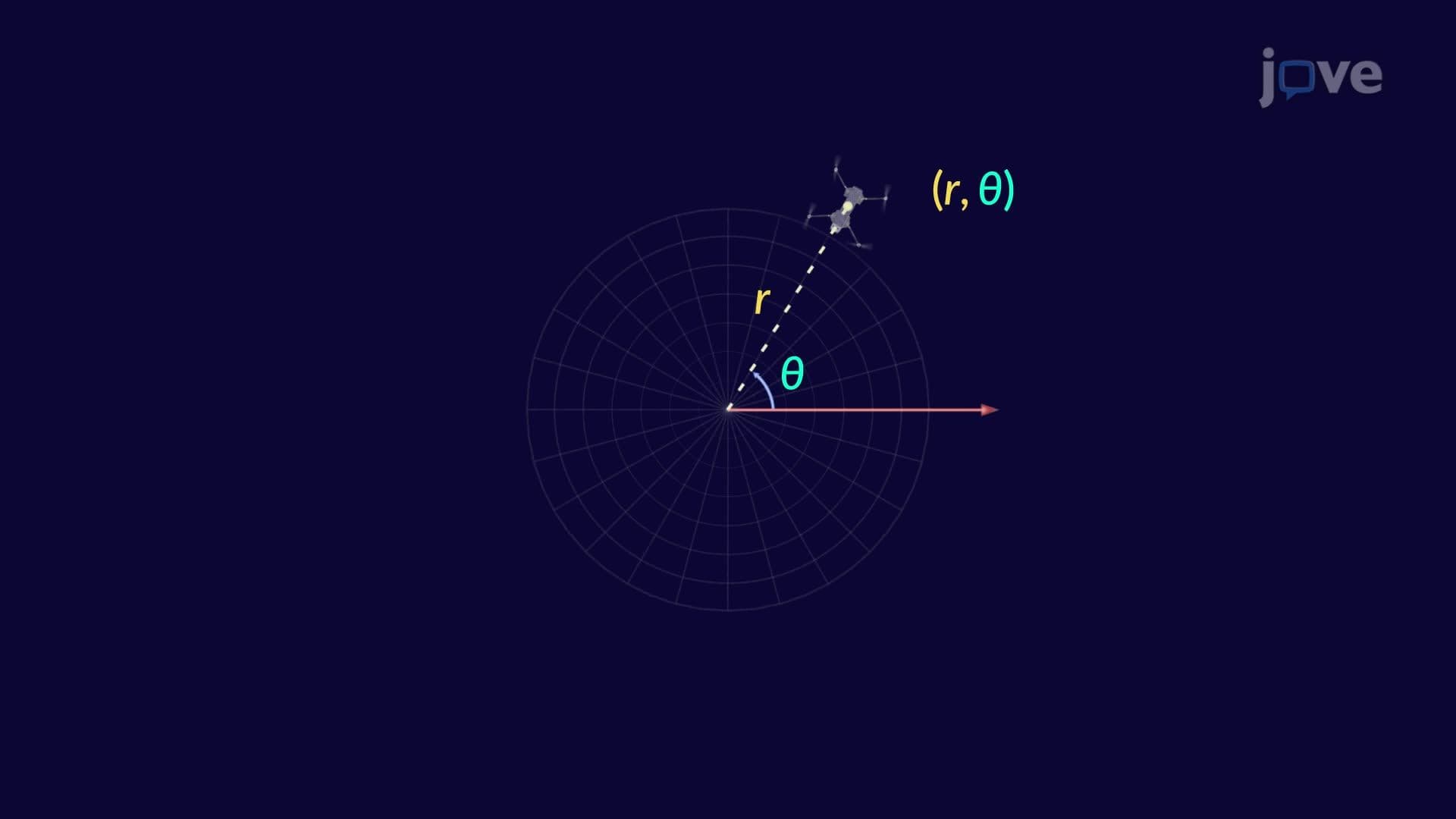
These identities emerge naturally from unit circle analysis. When you plot a point at angle θ, its coordinates are (cos θ, sin θ). The same point measured from the positive y-axis creates angle (90° - θ), demonstrating why sine and cosine are cofunctions.
Cofunction identities prove invaluable in practical American applications. NASA engineers use them when calculating spacecraft trajectories, where switching between complementary angle measurements simplifies complex orbital mechanics. In construction, architects designing the One World Trade Center used cofunction relationships to optimize structural angles while maintaining aesthetic proportions.
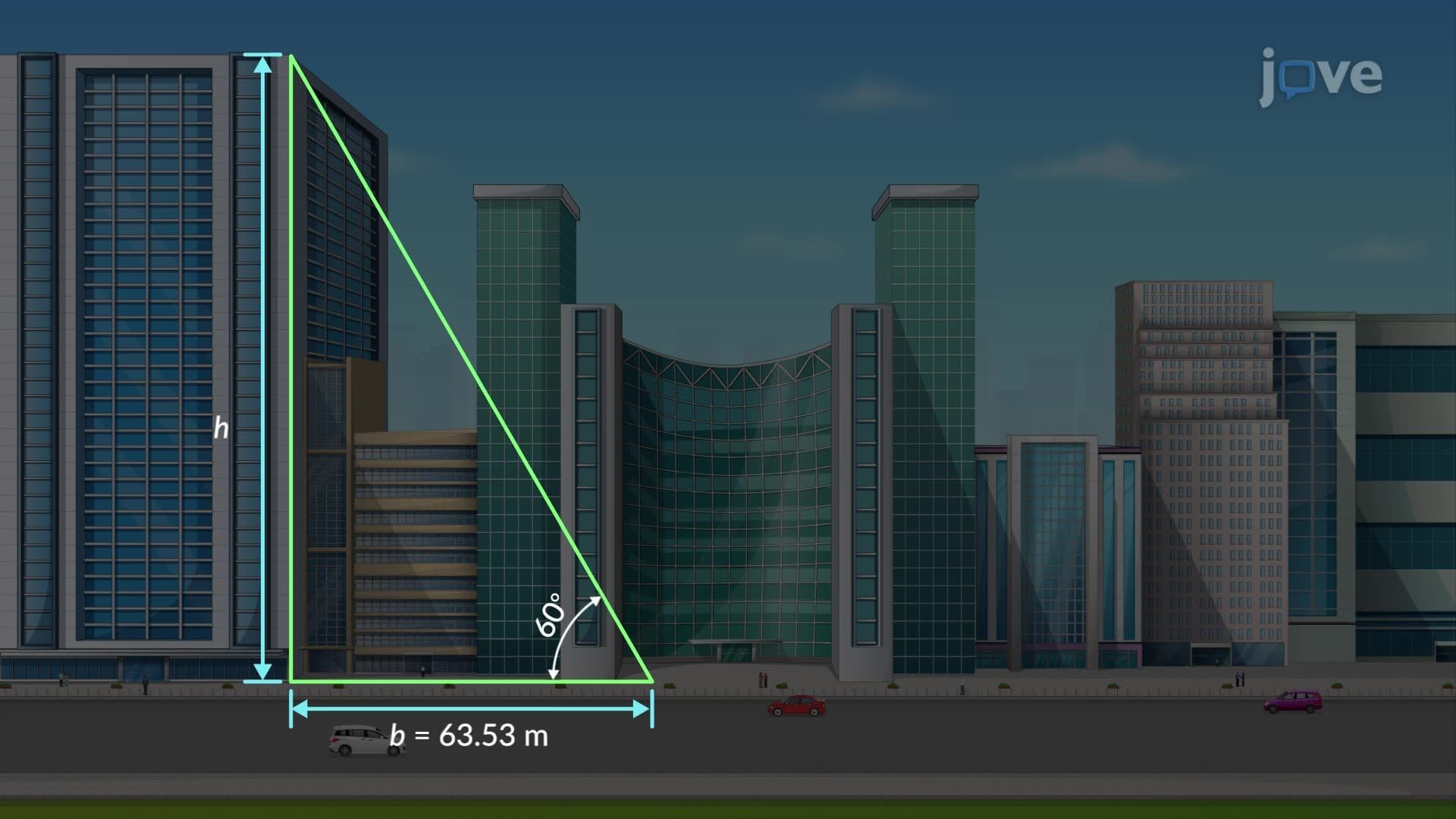
Surveying provides another compelling example. When the U.S. Geological Survey measures terrain elevations, surveyors often find it easier to measure certain complementary angles rather than direct elevation angles. Cofunction identities ensure accurate results regardless of which angle they choose to measure.
For standardized tests like the SAT Math Level 2 or AP Calculus exams, cofunction identities offer strategic advantages. They allow students to transform difficult expressions into simpler forms. For instance, solving sin(90° - 2x) = 0.6 becomes much easier when converted to cos(2x) = 0.6.
These identities also provide verification methods. Students can solve trigonometric equations using standard approaches, then verify answers using cofunction relationships, building confidence in their solutions and catching potential errors.
Related Micro-courses