Loading video…


 12 Concepts
 642 views

Video Summary: What Is Radian and Degree Measure
Did you know that every time you ride a bicycle, your wheels demonstrate the fundamental relationship between radian and degree measure? When NASA engineers calculate satellite trajectories or when architects design the Statue of Liberty's crown, they rely on precise angular measurements using both degrees and radians. Understanding What is Radian And Degree Measure reveals how these two systems work together to describe rotational motion, from a simple bike wheel to complex engineering applications across American industries. Watch the full video on JoVE Coach to master this concept with expert-led visuals and step-by-step explanations.
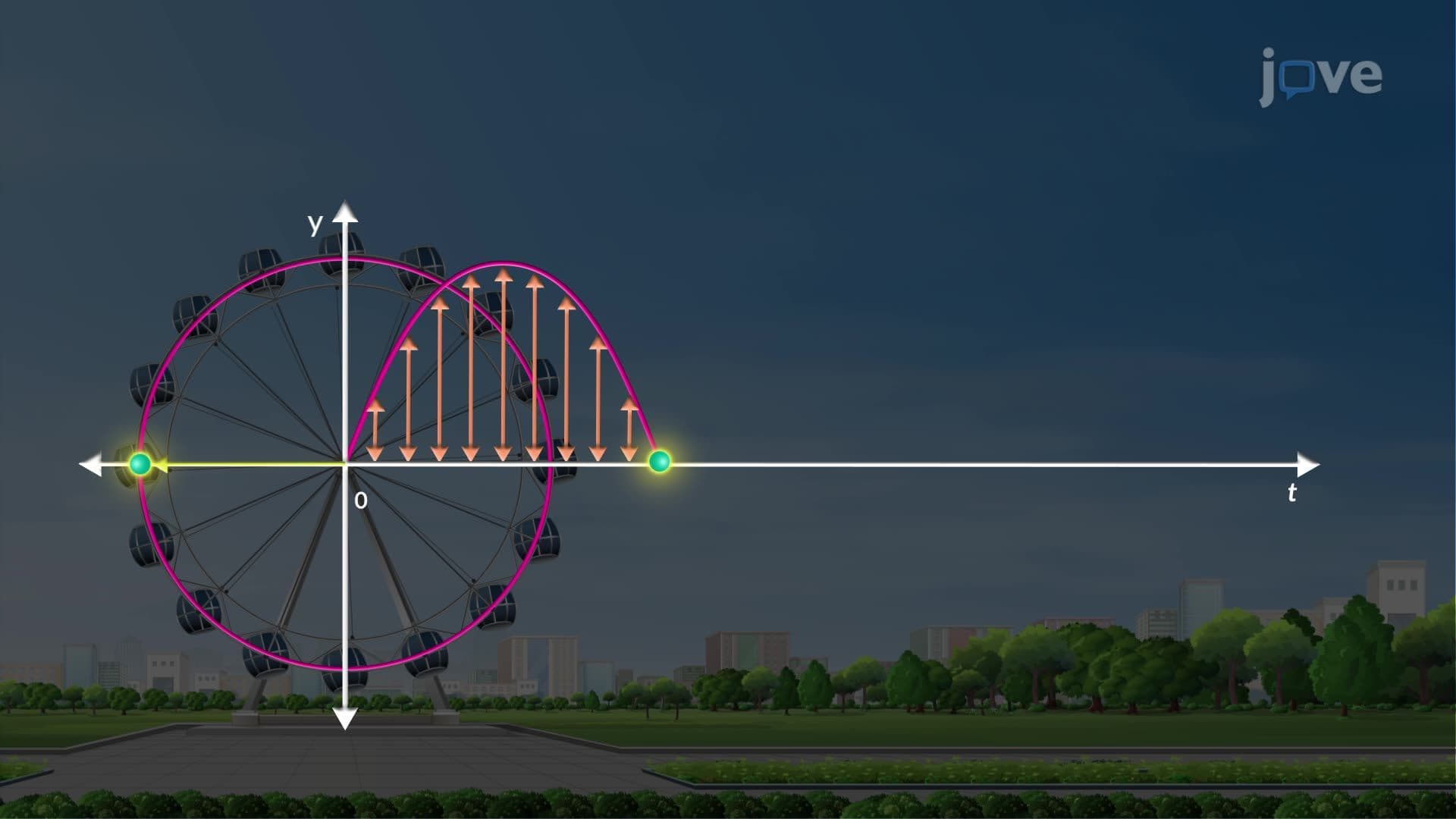
Radian and degree measure represent two essential systems for quantifying angles and rotational motion. While both describe the same geometric concept, they serve different purposes in mathematics and applied sciences. A degree divides a complete circle into 360 equal parts, making it intuitive for everyday use. The degree system originated from ancient Babylonian astronomy and remains prevalent in navigation, construction, and basic geometry taught in American high schools.
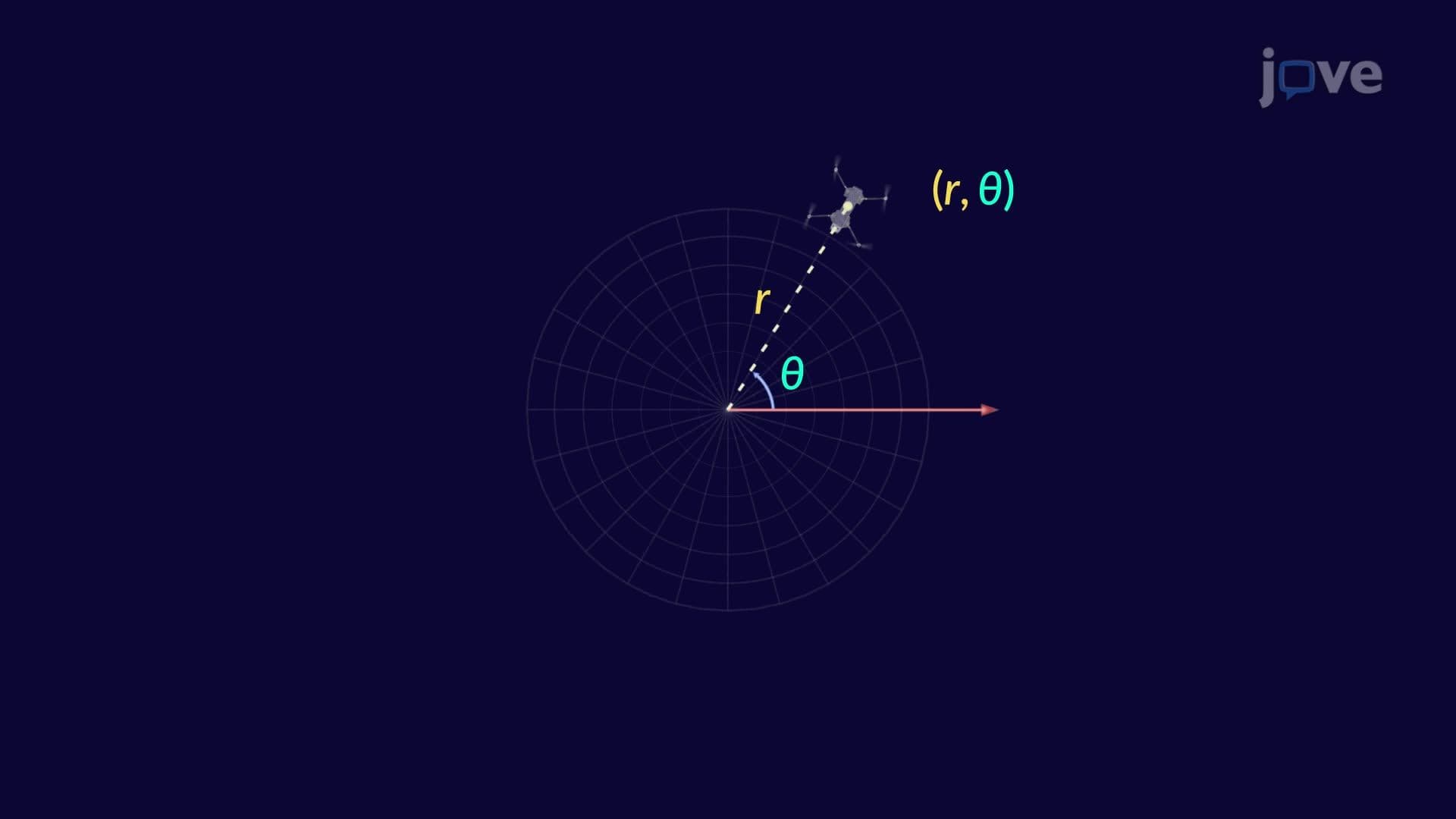
A radian provides a more natural mathematical approach to angle measurement. One radian equals the angle formed when an arc length equals the circle's radius. Since a circle's circumference equals 2π times its radius, a complete rotation contains exactly 2π radians. This relationship makes radians essential for calculus, physics, and advanced engineering applications taught in American universities.
Converting between degrees and radians requires understanding their proportional relationship: 360° = 2π radians, which simplifies to 180° = π radians. To convert degrees to radians, multiply by π/180. To convert radians to degrees, multiply by 180/π. For example, 90° equals π/2 radians, while π/3 radians equals 60°. These conversions appear frequently on SAT Math tests and AP Calculus exams, where students must demonstrate fluency with both systems.
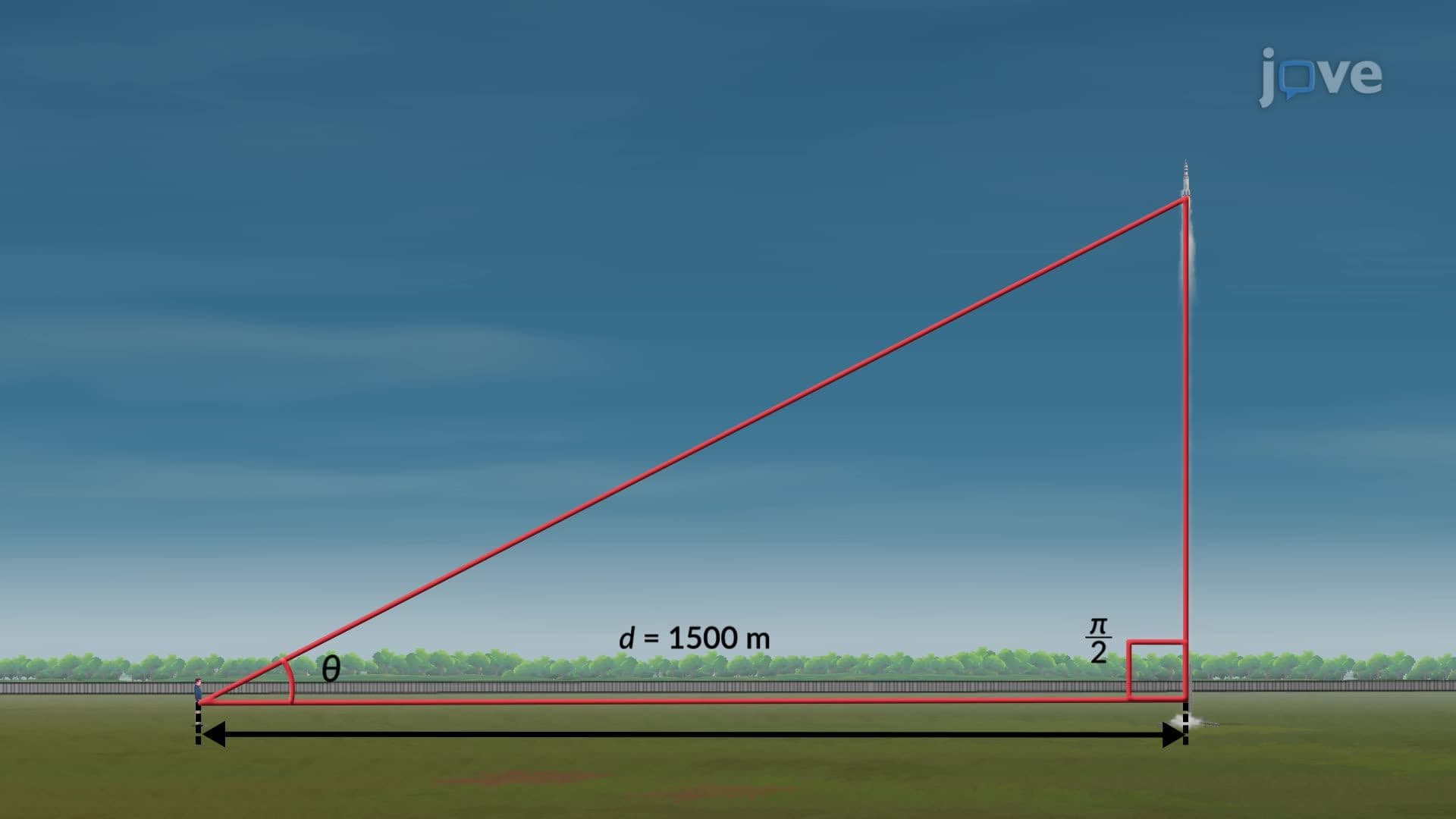
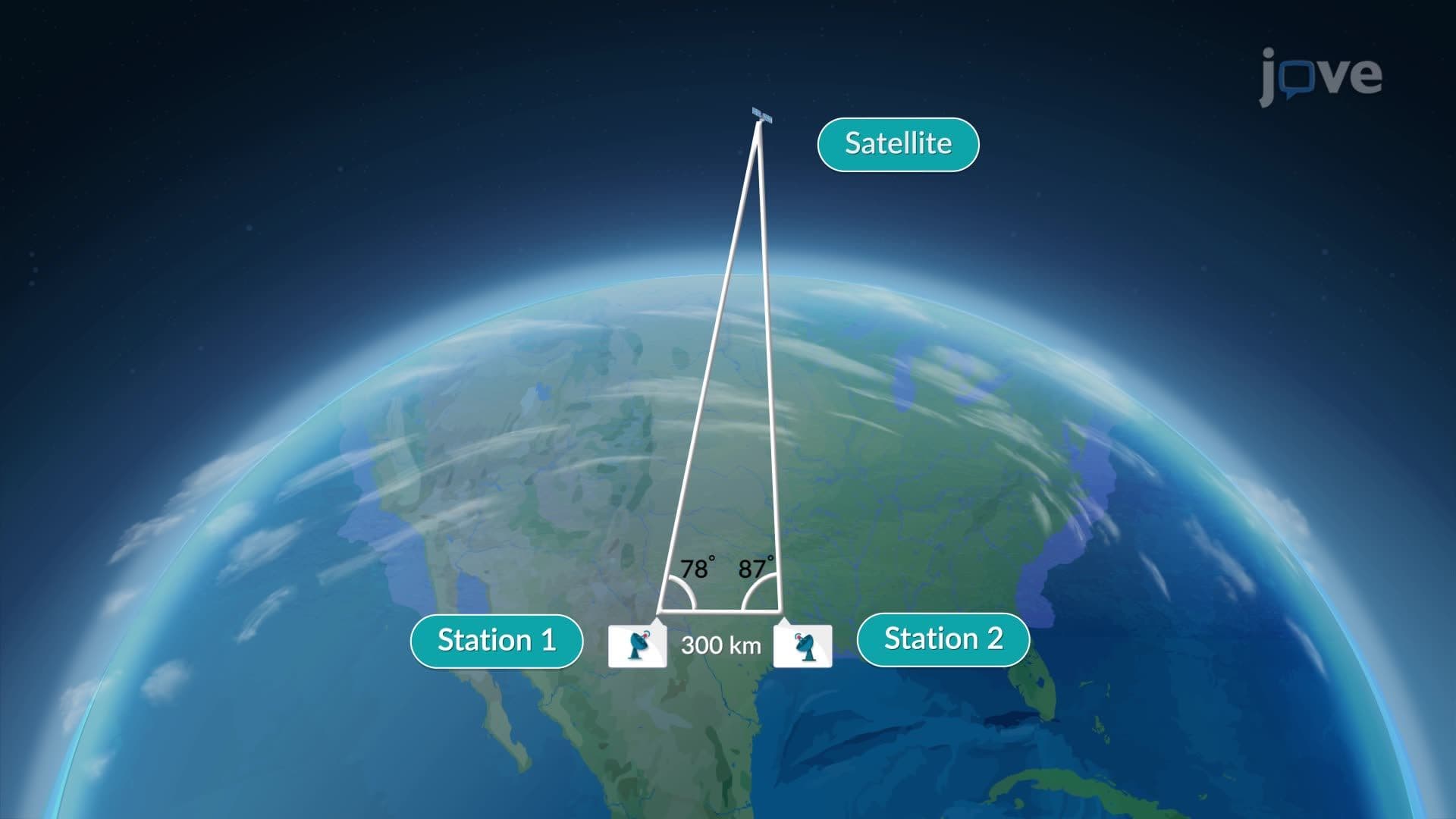
American aerospace engineers at NASA use radians when calculating orbital mechanics because radian measure simplifies derivatives and integrals in physics equations. Meanwhile, construction workers building skyscrapers in New York use degrees when setting angles for structural supports. GPS navigation systems, developed by the U.S. Department of Defense, internally use radians for precision calculations while displaying results in degrees for user convenience. Understanding both systems prepares students for STEM careers and standardized tests like the MCAT, where angular motion problems regularly appear in physics sections.
Related Micro-courses