Loading video…


 14 Concepts
 1.1K views

Video Summary: Quadratic Equations Methods of Solution
Did you know that NASA engineers use quadratic equations to calculate spacecraft trajectories? Quadratic equations: methods of solution become essential when variables appear as squared terms in real-world problems. From designing a rectangular basketball court with specific area constraints to optimizing business profit models, these mathematical tools solve complex scenarios across engineering, physics, and economics. The three primary solution methods-factoring, completing the square, and the quadratic formula-each offer unique advantages for different problem types. Watch the full video on JoVE Coach to master this concept with expert-led visuals and step-by-step explanations.
Quadratic equations: methods of solution represent one of algebra's most powerful problem-solving toolkits. These second-degree polynomial equations, characterized by their ax² + bx + c = 0 form, appear throughout STEM fields and standardized tests like the SAT Math section and AP Calculus prerequisites. Understanding multiple solution approaches ensures mathematical flexibility and deeper conceptual mastery.
Factoring transforms quadratic expressions into products of linear terms, making solutions immediately apparent. This approach works particularly well when coefficients produce integer solutions. For example, solving x² - 5x + 6 = 0 becomes (x - 2)(x - 3) = 0, yielding solutions x = 2 and x = 3. Students encounter factoring extensively in Algebra II coursework and SAT Subject Test Mathematics Level 2 preparation.
The factoring method proves especially valuable for optimization problems in business applications. Consider a company maximizing rectangular packaging with fixed perimeter constraints-factoring reveals dimensions that optimize area efficiently. However, this technique has limitations when equations don't factor neatly over integers, necessitating alternative approaches.
Completing the square converts quadratic expressions into perfect square trinomials, enabling direct square root extraction. This systematic approach works universally, regardless of coefficient complexity. Starting with x² + bx = -c, students add (b/2)² to both sides, creating (x + b/2)² = (b/2)² - c.
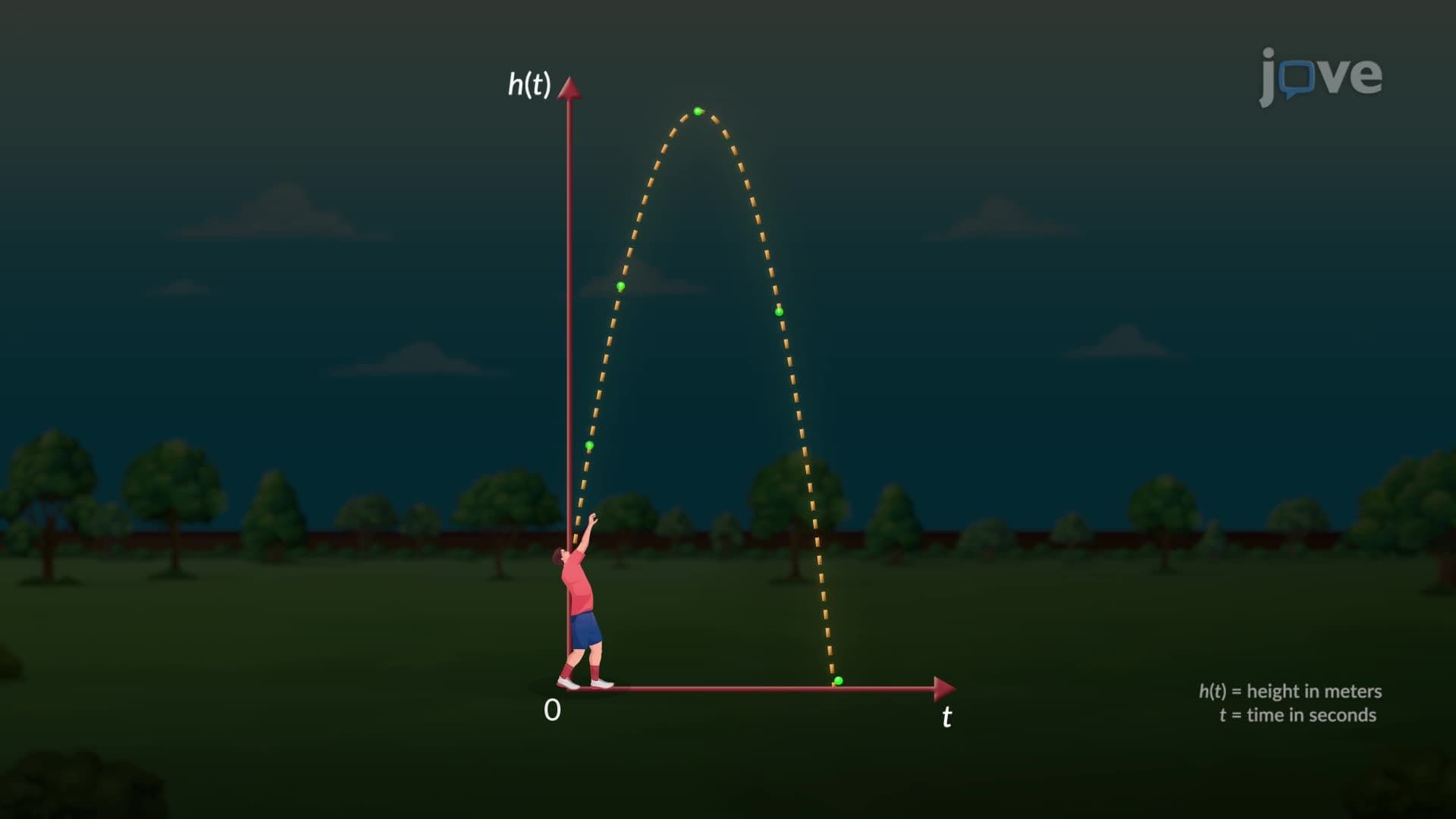
This method proves particularly valuable for understanding parabolic motion in physics courses. When analyzing projectile trajectories-like calculating a basketball's optimal launch angle-completing the square reveals vertex form directly. Many AP Physics problems require this technique for kinematic equation manipulation.
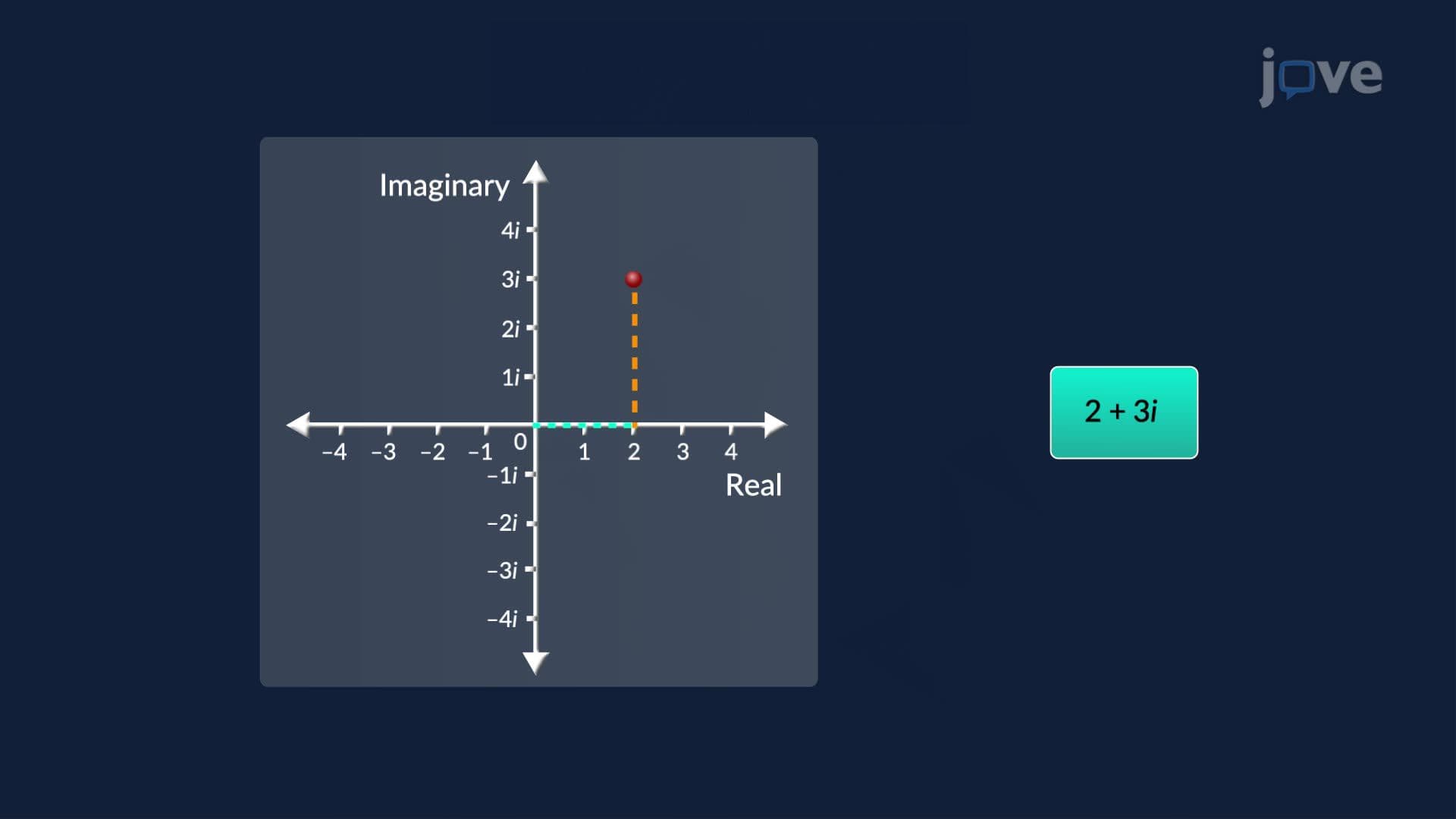
The quadratic formula, x = [-b ± √(b² - 4ac)] / 2a, provides a universal solution method for any quadratic equation. Derived through completing the square on the general form, this formula guarantees solutions when they exist. The discriminant (b² - 4ac) reveals crucial information: positive values indicate two real solutions, zero indicates one repeated solution, and negative values indicate complex solutions.
Engineering applications frequently rely on the quadratic formula for precise calculations. Structural engineers designing bridge supports or aerospace engineers calculating fuel consumption curves depend on exact solutions rather than approximate factorizations. This method appears regularly on standardized tests, including MCAT Physical Sciences sections and college placement exams.
Related Micro-courses