Loading subject page…

1,088 views

Video Summary: What are Radical Equations
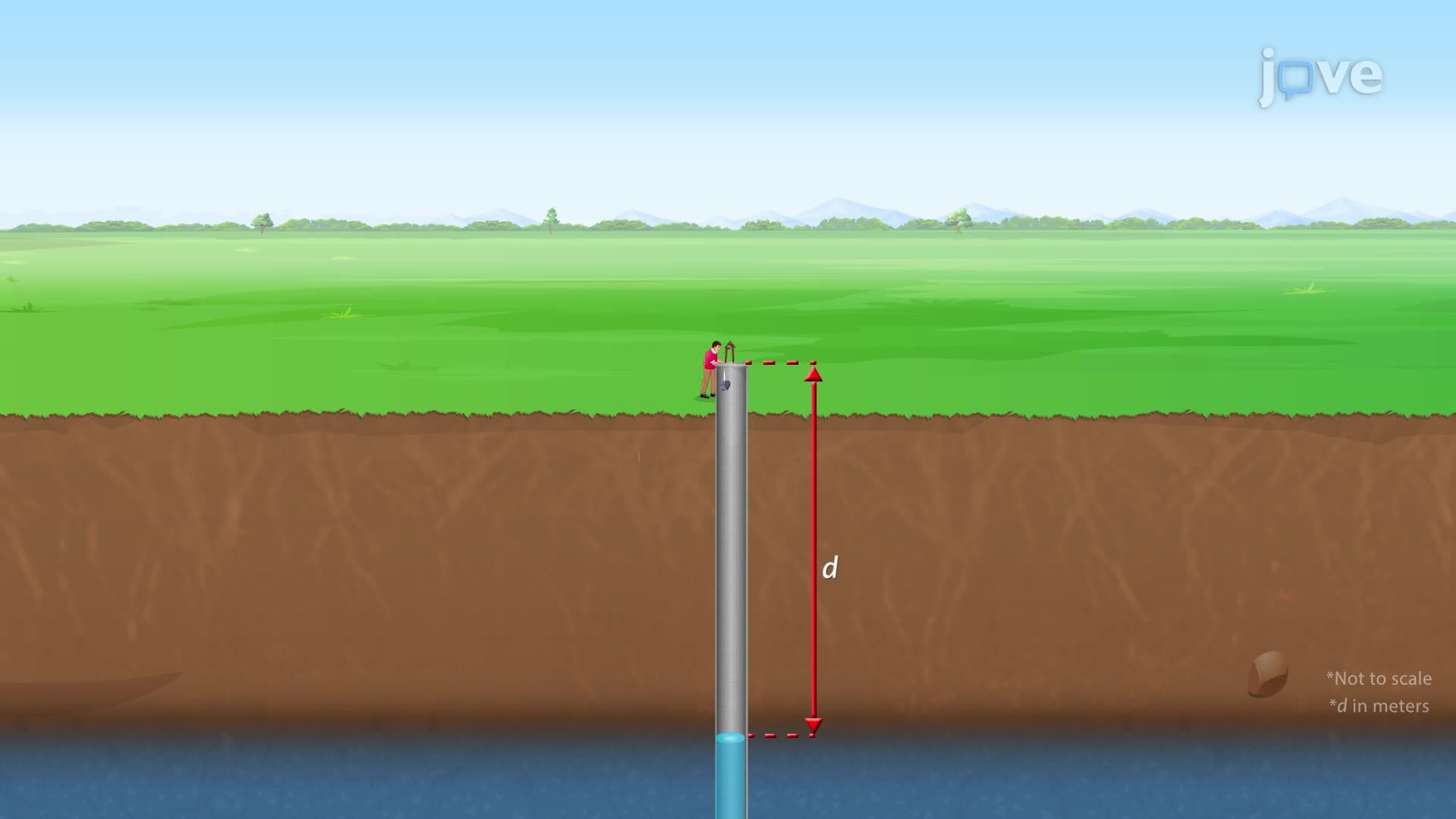
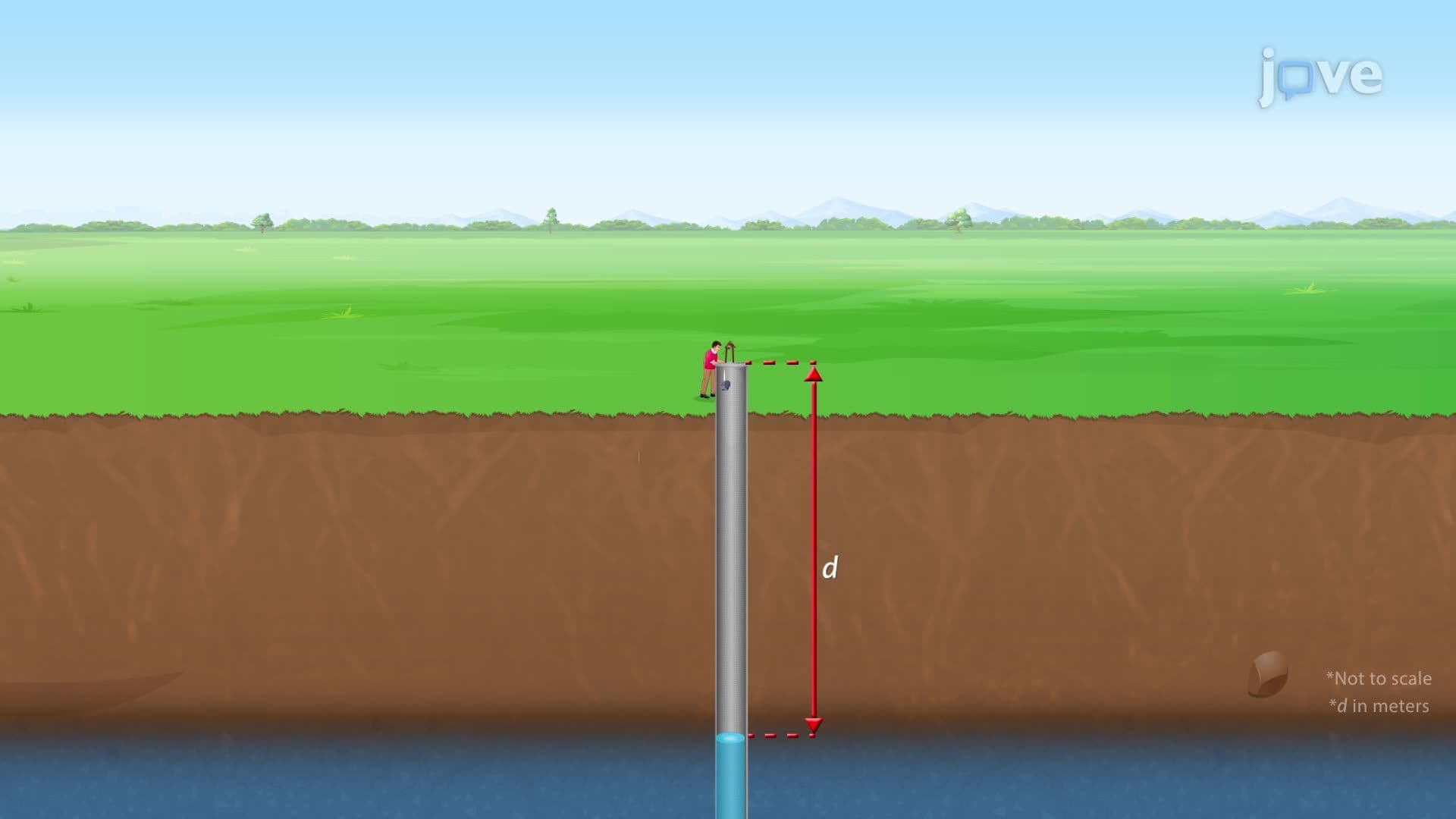
Ever wonder how engineers calculate the exact depth of underground water wells? Radical equations make this possible by incorporating variables within square roots or other radical symbols. These mathematical equations appear everywhere from engineering projects to physics problems, like determining how long it takes for sound to travel through different materials in acoustical engineering studies across US universities. Understanding what are radical equations opens doors to solving complex real-world problems that standard linear equations cannot handle. Watch the full video on JoVE Coach to master this concept with expert-led visuals and step-by-step explanations.
What are radical equations represent a fundamental class of algebraic equations where the unknown variable appears inside a radical expression-most commonly under square roots, cube roots, or higher-order roots. Unlike linear or quadratic equations where variables remain outside radical symbols, these equations require specialized solving techniques that transform them into more familiar algebraic forms.
The mathematical structure of radical equations creates unique challenges because the radical operation cannot be directly "undone" through simple inverse operations. Instead, solving requires the strategic application of powers to eliminate the radical, often converting the original equation into a polynomial form that students can solve using established methods from Algebra II or Pre-Calculus courses.
Types of radical equations vary based on the index of the radical and the complexity of the expression. Square root equations represent the most common type, frequently appearing in geometry problems involving the Pythagorean theorem and distance formulas. For example, when NASA engineers calculate spacecraft trajectories, they often encounter radical equations relating velocity, distance, and time parameters.
Cube root equations emerge in volume-related problems, particularly in chemistry and materials science applications taught in AP Chemistry courses. Higher-order radical equations, while less common in introductory courses, appear in advanced physics and engineering contexts, such as calculating resonance frequencies in structural engineering projects across American universities.
The primary solution strategy involves isolating the radical term on one side of the equation, then raising both sides to a power equal to the radical's index. This process eliminates the radical but may introduce extraneous solutions-mathematical artifacts that satisfy the transformed equation but not the original radical equation.
Consider the practical application in civil engineering: determining the optimal height for cell phone towers requires solving radical equations that account for signal propagation and terrain variations. Engineers must carefully verify all solutions because extraneous roots could lead to inadequate coverage areas or structural miscalculations.
The verification step proves crucial in radical equation solutions, as extraneous solutions commonly arise during the solving process. Students must substitute all potential solutions back into the original equation to confirm validity. This verification process mirrors quality control procedures used in engineering and scientific applications throughout American industries.
In standardized testing contexts like the SAT Math Level 2 Subject Test or AP Calculus exams, radical equations often appear in applied problems involving optimization, related rates, or geometric applications, making mastery essential for academic success.
Related Micro-courses