8 Concepts
21 Concepts
9 Concepts
16 Concepts
16 Concepts
14 Concepts
15 Concepts
14 Concepts
7 Concepts
9 Concepts
5 Concepts
19 Concepts
13 Concepts
12 Concepts
15 Concepts
7 Concepts
8 Concepts
11 Concepts
12 Concepts
11 Concepts
6 Concepts
8 Concepts
8 Concepts
9 Concepts
8 Concepts
10 Concepts
12 Concepts
12 Concepts
11 Concepts
5 Concepts
4 Concepts
5 Concepts
7 Concepts
21 Concepts
7 Concepts
8 Concepts
Biotechnology encompasses revolutionary scientific techniques that manipulate genetic material to solve real-world problems. This comprehensive course explores genetic engineering techniques, CRISPR gene editing, recombinant DNA technology, and modern biotechnology applications in science. Students will master essential biotechnology tools including PCR, gene therapy, stem cell research, and genomics through JoVE Coach's expertly designed curriculum featuring practical examples from leading US research institutions and medical centers.
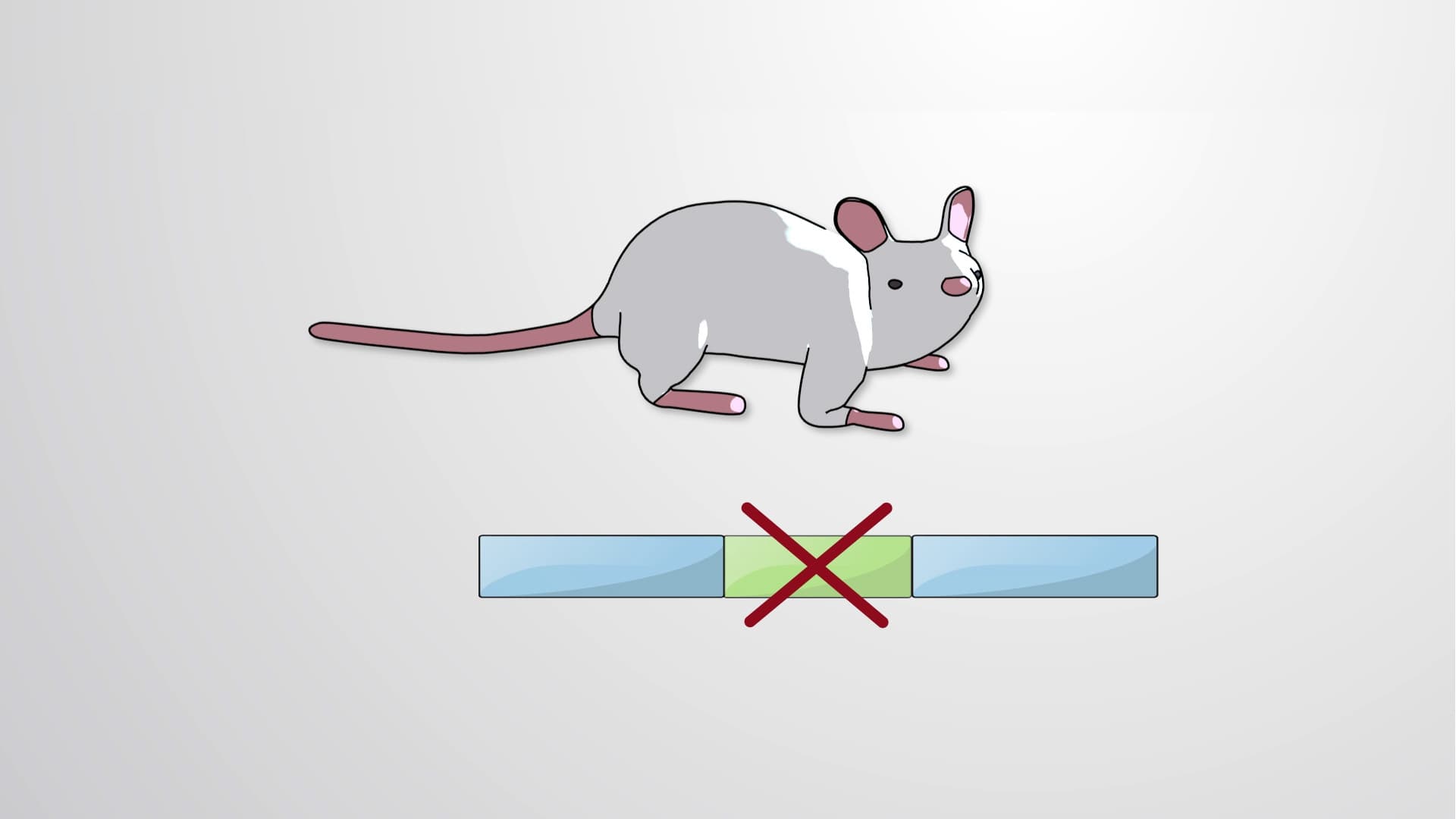
1. Genetic Engineering and CRISPR Technology Modern genetic engineering techniques allow precise modification of DNA sequences in living organisms. CRISPR-Cas9 technology, developed from bacterial immune systems, enables targeted gene editing through guide RNAs that direct the Cas9 nuclease to specific genomic locations. This revolutionary tool creates double-strand breaks that cells repair through natural mechanisms, allowing scientists to knock out genes, insert new sequences, or correct mutations. CRISPR applications include treating sickle cell anemia at universities like Harvard Medical School, developing disease-resistant crops at agricultural research centers, and creating cellular models for studying genetic diseases in laboratories across the United States.
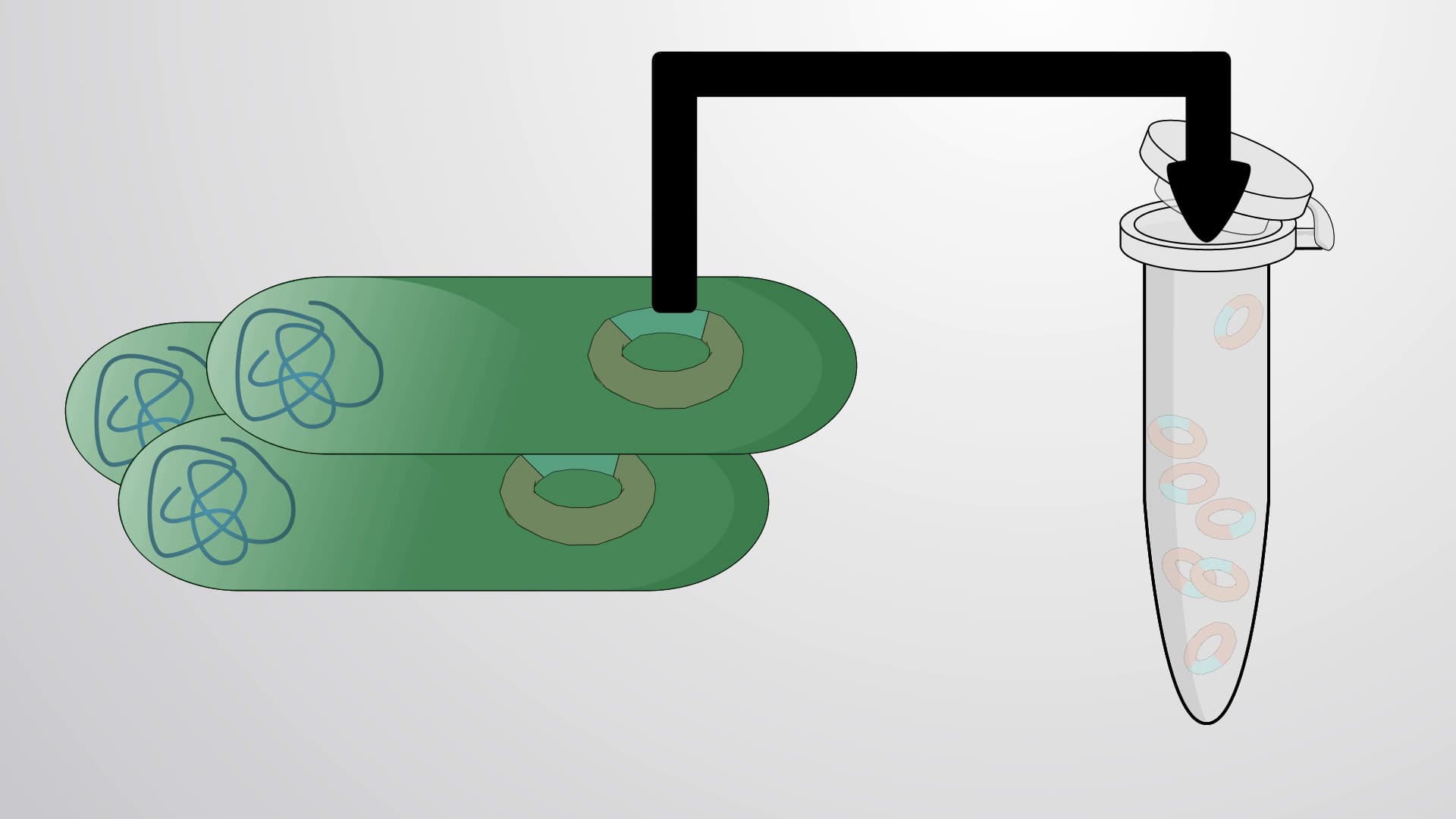
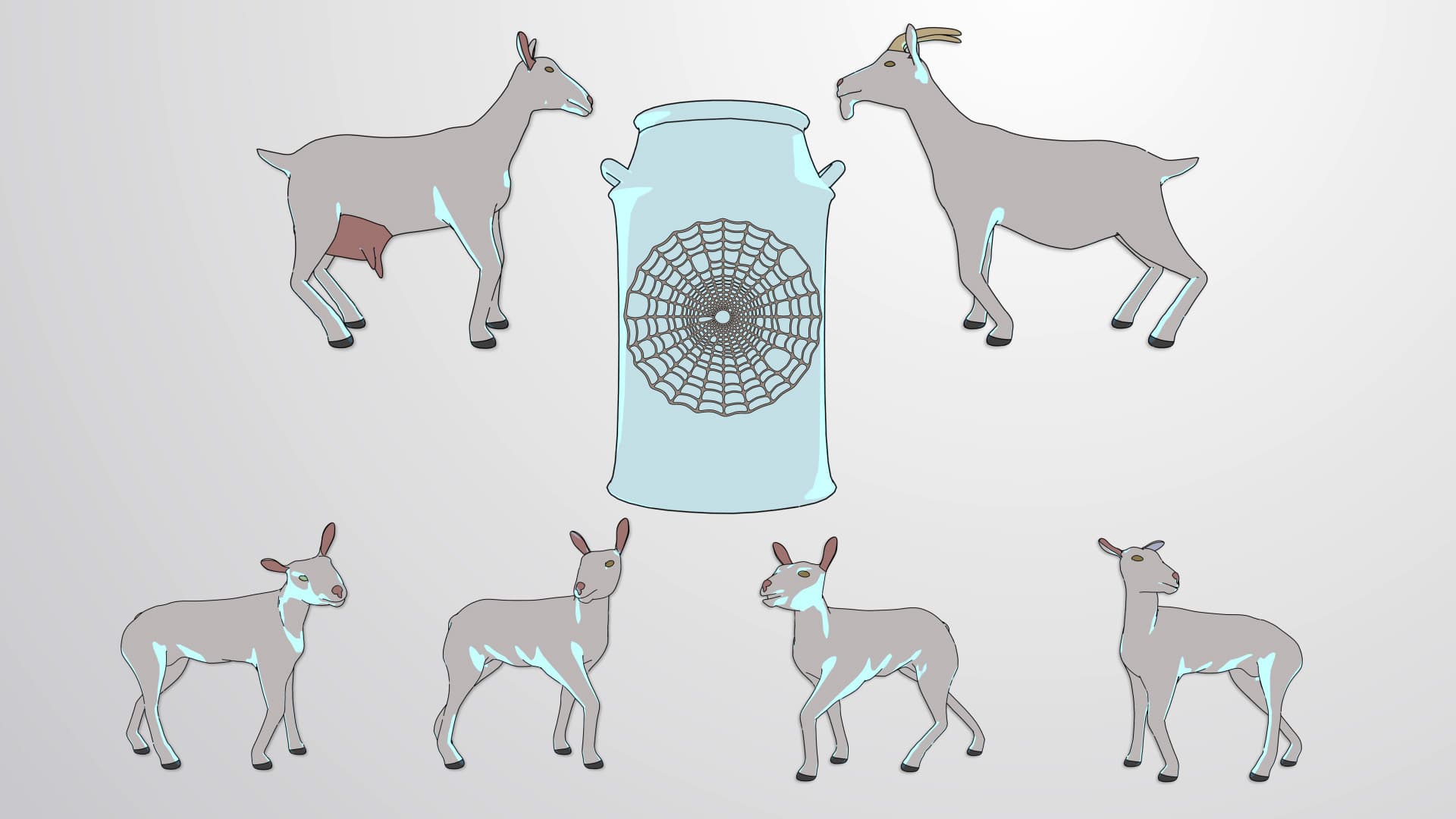
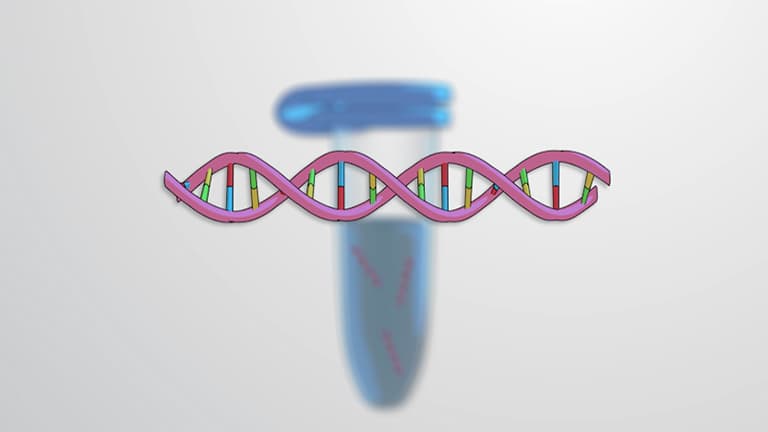
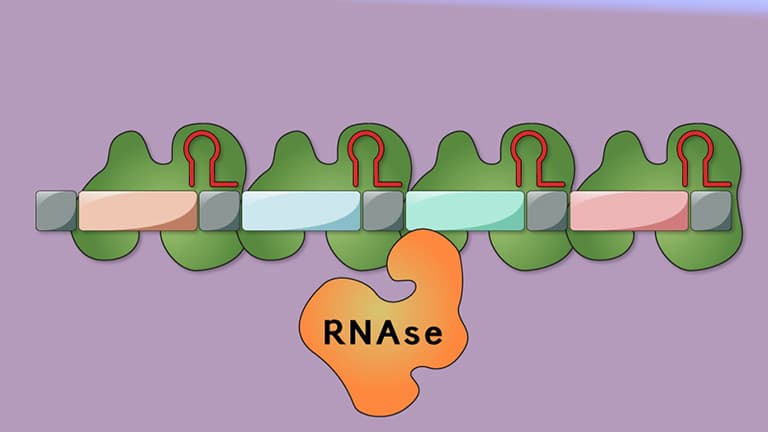
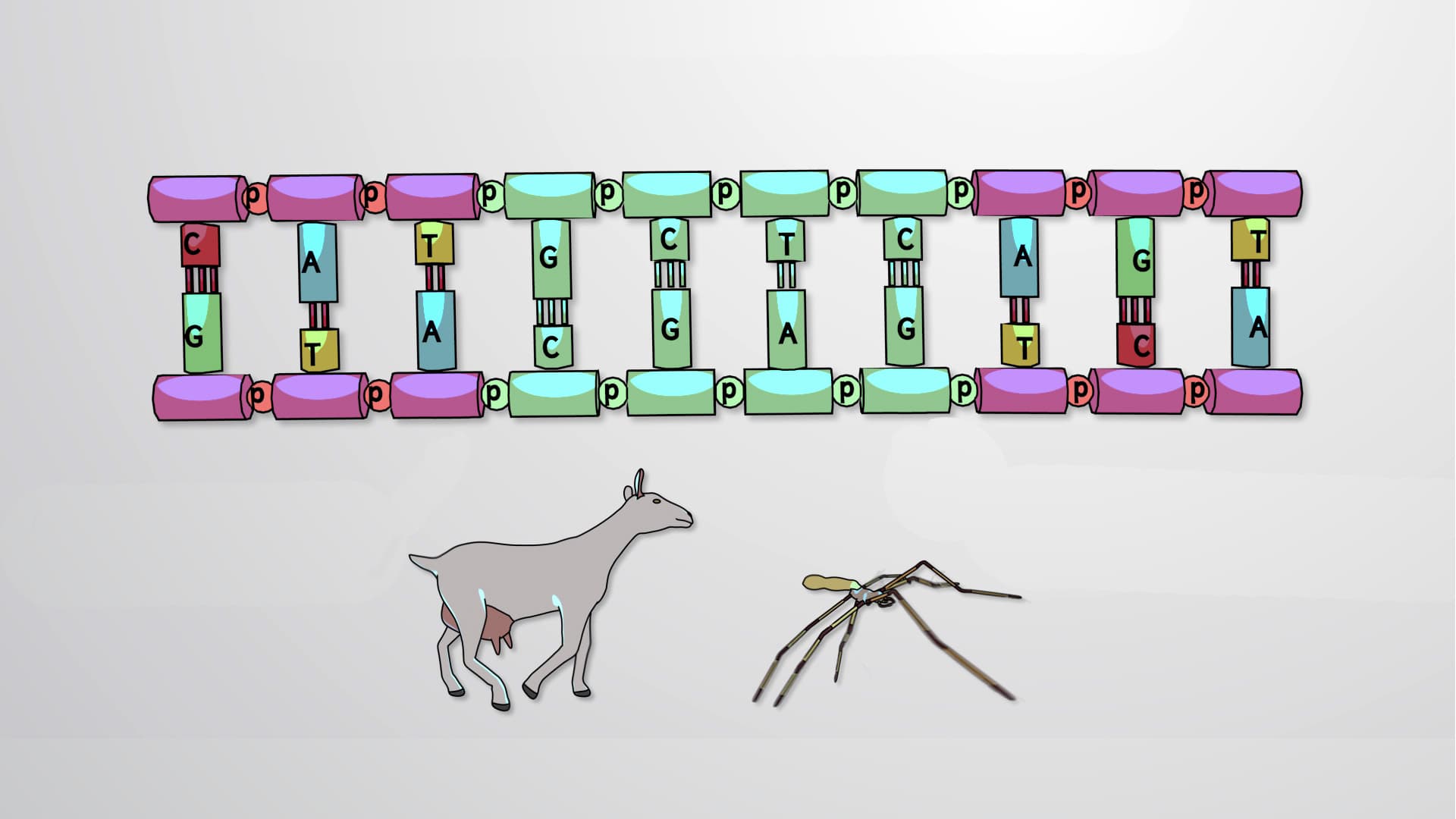
2. Recombinant DNA Technology and Cloning Recombinant DNA technology combines genetic material from different sources to create novel genetic combinations with desired traits. Scientists use restriction enzymes to cut DNA at specific sequences, then employ DNA ligase to join fragments together. Bacterial plasmids serve as vectors to carry foreign genes into host organisms for replication and protein production. This foundational biotechnology enables production of human insulin by genetically modified bacteria, creation of vaccines, and development of genetically modified crops. Major pharmaceutical companies like Genentech pioneered these techniques, revolutionizing medicine by allowing large-scale production of therapeutic proteins that were previously difficult to obtain.
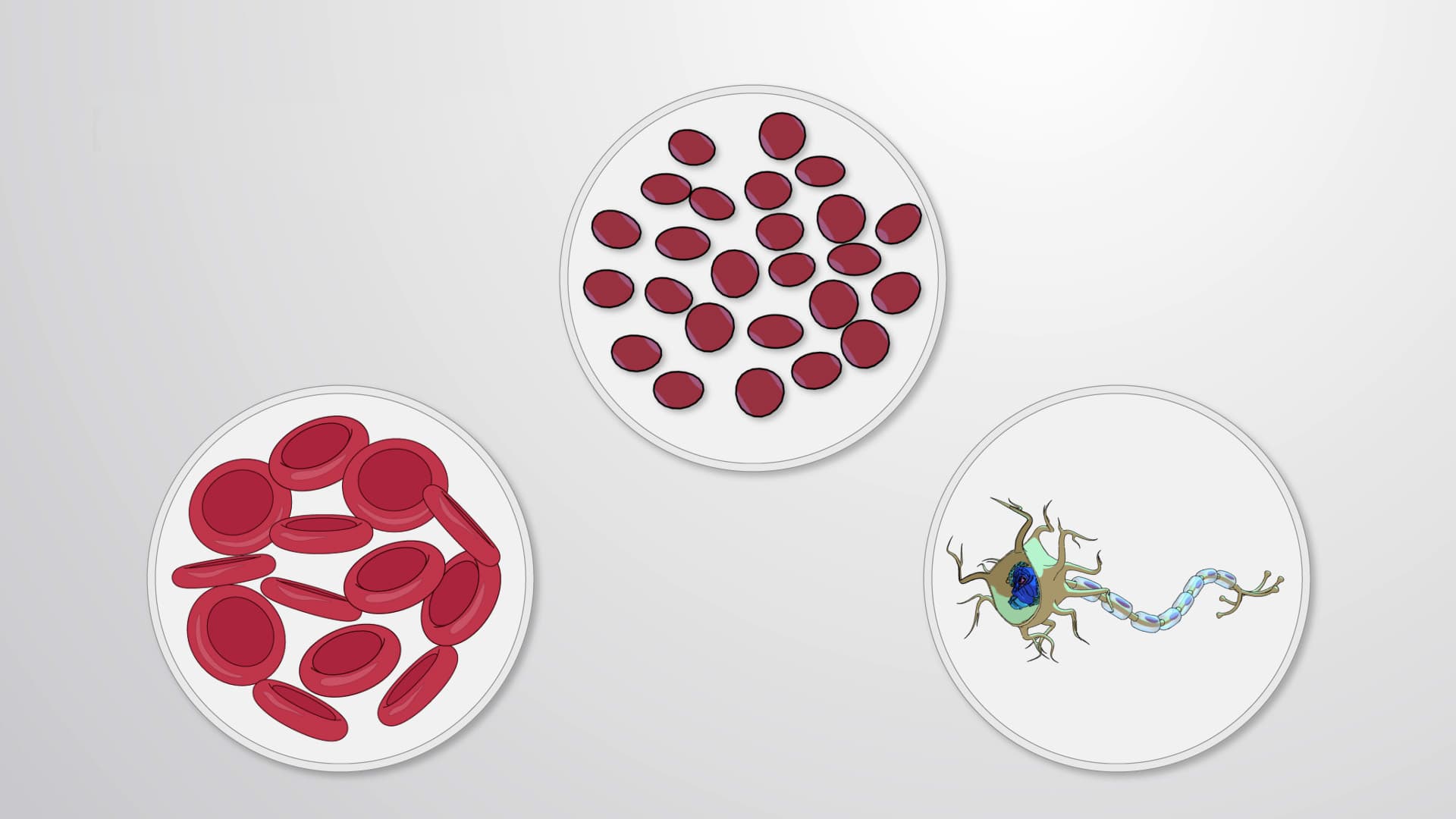
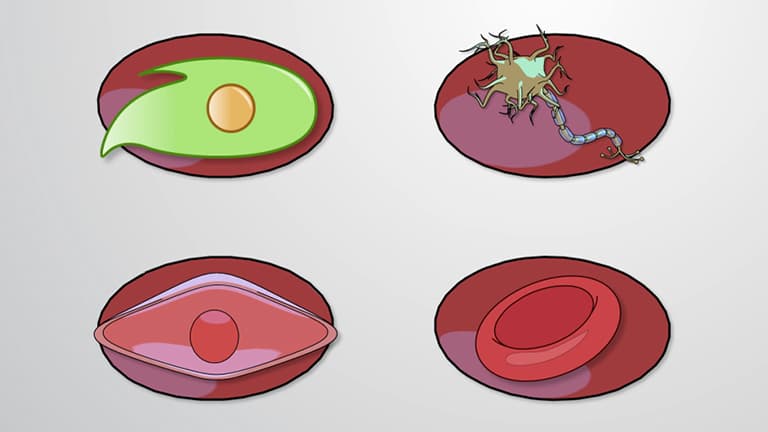
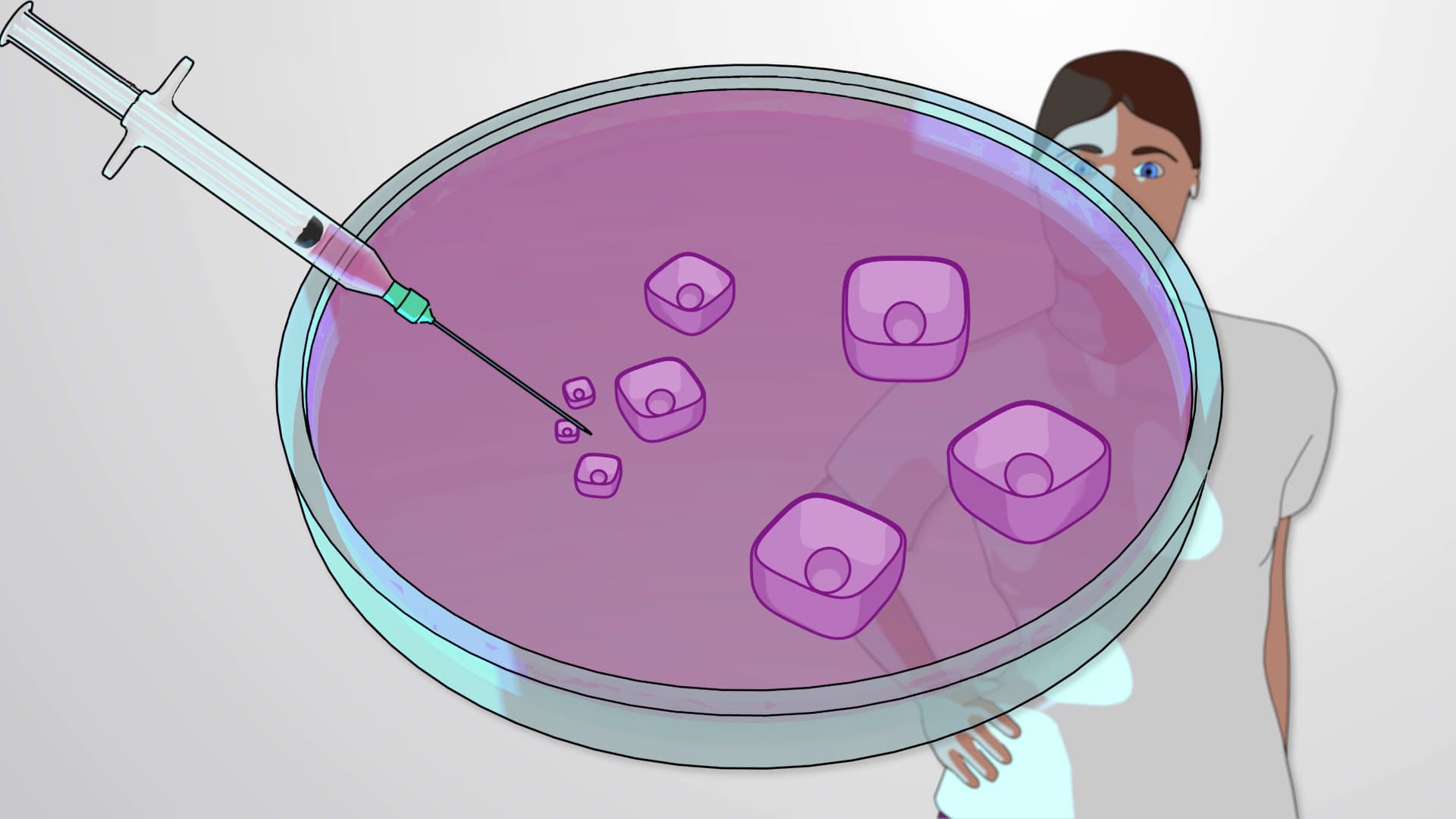
3. Stem Cell Research and Regenerative Medicine Stem cells possess unique abilities to self-renew and differentiate into specialized cell types, making them powerful tools for regenerative medicine. Adult stem cells, found in tissues like bone marrow and adipose tissue, are multipotent and can produce limited cell types within their tissue of origin. Embryonic stem cells are pluripotent, capable of becoming any cell type in the body. Induced pluripotent stem cells (iPSCs), discovered by Shinya Yamanaka, reprogram adult cells back to an embryonic-like state using specific transcription factors. Clinical trials at institutions like Stanford University and Mayo Clinic are testing stem cell therapies for treating spinal cord injuries, heart disease, and neurodegenerative disorders.
4. Gene Therapy and Clinical Applications Gene therapy involves introducing genetic material into patient cells to treat or prevent disease by correcting defective genes. Viral vectors, including retroviruses and adenoviruses, deliver therapeutic genes to target cells, while non-viral methods use physical techniques like electroporation. Ex vivo approaches modify patient cells outside the body before reintroduction, while in vivo methods deliver genes directly to tissues. Recent FDA approvals include Luxturna for inherited blindness and Zolgensma for spinal muscular atrophy, developed through clinical trials at major medical centers. CAR-T cell therapy, pioneered at University of Pennsylvania, genetically modifies patient immune cells to fight cancer more effectively.
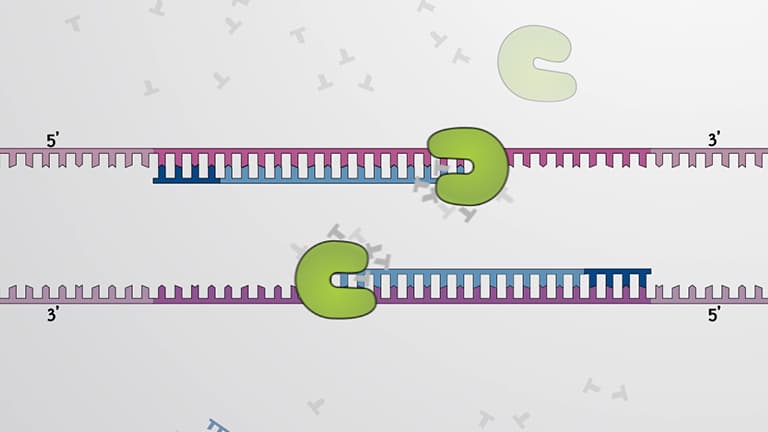
5. PCR and Molecular Diagnostics Polymerase Chain Reaction (PCR) amplifies specific DNA sequences exponentially, enabling detection and analysis of minute amounts of genetic material. The process involves repeated cycles of denaturation, primer annealing, and DNA synthesis using thermostable polymerase enzymes. Quantitative PCR (qPCR) measures gene expression levels in real-time, while reverse transcription PCR analyzes RNA molecules by first converting them to complementary DNA. PCR applications include COVID-19 testing protocols developed by CDC laboratories, forensic DNA analysis by FBI crime labs, paternity testing, and genetic disorder screening. Variants like nested PCR and multiplex PCR enable detection of multiple targets simultaneously, making it indispensable for modern diagnostic medicine.
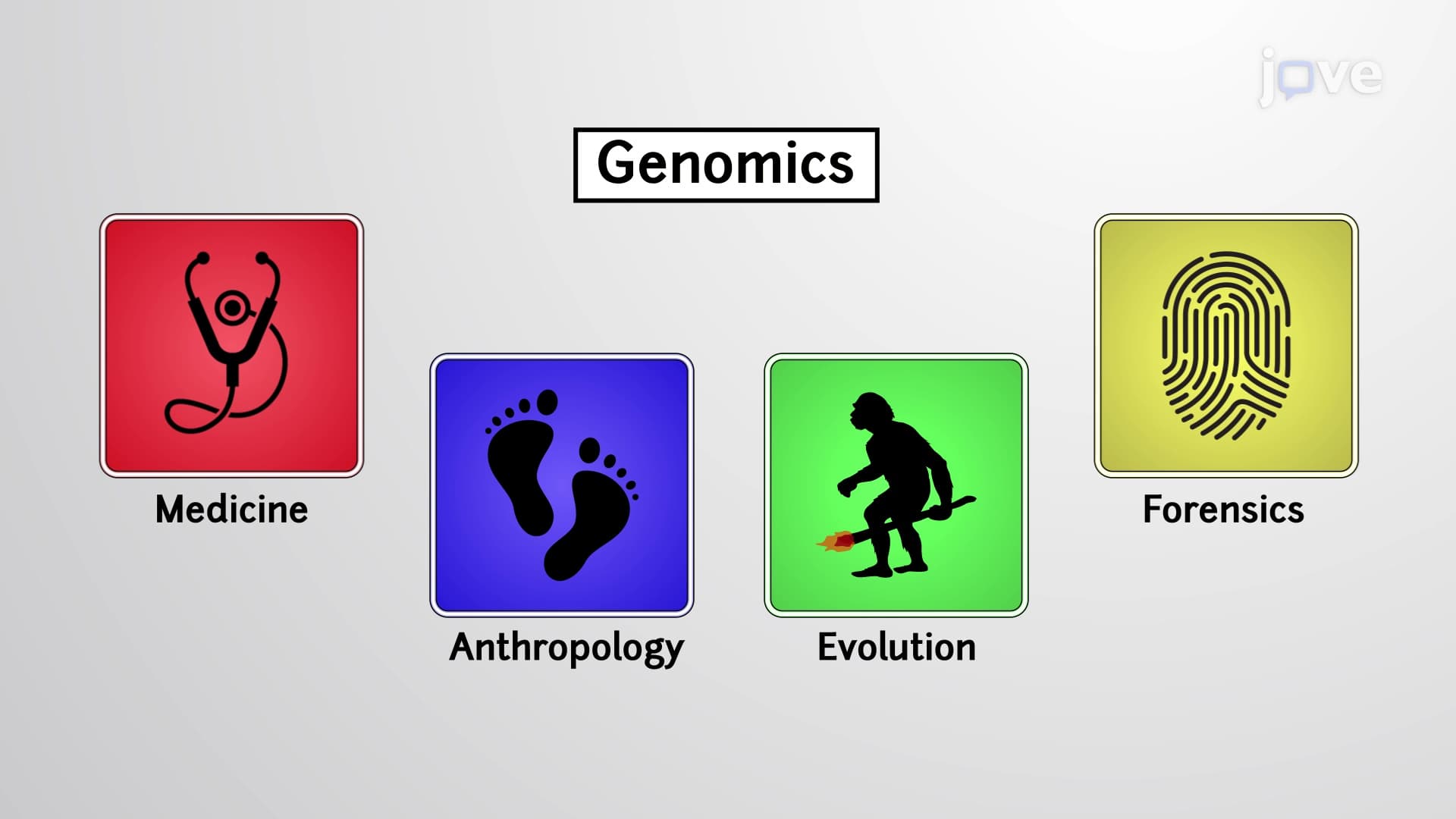
6. Genomics and Personalized Medicine Genomics involves comprehensive analysis of complete genomes, including DNA sequencing, annotation, and functional analysis. The Human Genome Project, completed in 2003, established foundations for modern genomic medicine by mapping all human genes. Next-generation sequencing technologies now enable rapid, cost-effective genome analysis, making personalized medicine accessible to patients. Genomic applications include cancer genomics at institutions like Memorial Sloan Kettering, where tumor DNA analysis guides targeted therapy selection. Pharmacogenomics studies how genetic variations affect drug responses, helping physicians prescribe optimal medications. Companies like 23andMe and AncestryDNA provide direct-to-consumer genetic testing, while clinical genomics programs at major medical centers use whole-genome sequencing for diagnosing rare genetic diseases.