Loading subject page…


974,818 views

Video Summary: What Is DNA Isolation
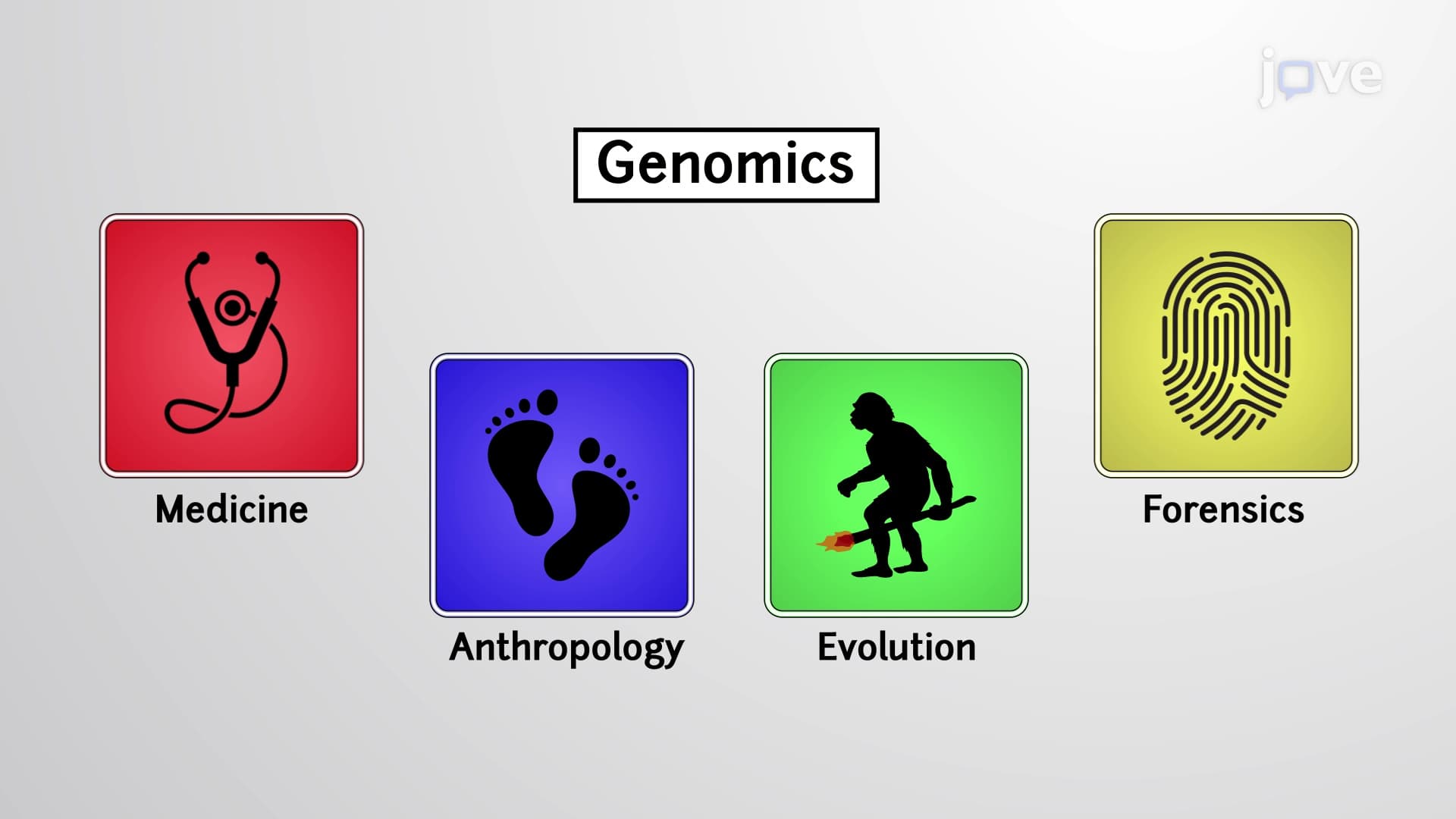
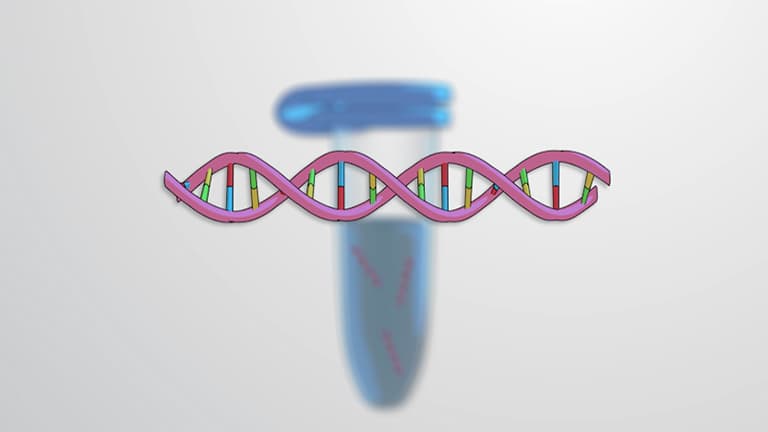
Ever wondered how forensic scientists extract DNA from a single hair at a crime scene? DNA isolation is the fundamental laboratory technique that removes and purifies genetic material from cells, making it possible for everything from solving murders to developing life-saving medications at companies like Genentech in California. This process involves breaking open cells, separating DNA from other cellular components, and collecting the purified genetic material for analysis. What is DNA isolation becomes clearer when you understand it's the gateway to all modern genetic research and biotechnology applications. Watch the full video on JoVE Coach to master this concept with expert-led visuals and step-by-step explanations.
DNA isolation represents one of the most critical techniques in modern biology, serving as the gateway to genetic research, medical diagnostics, and biotechnology applications. This process systematically removes DNA from cells while preserving its structural integrity, enabling scientists to study genetic information, diagnose diseases, and develop new treatments.
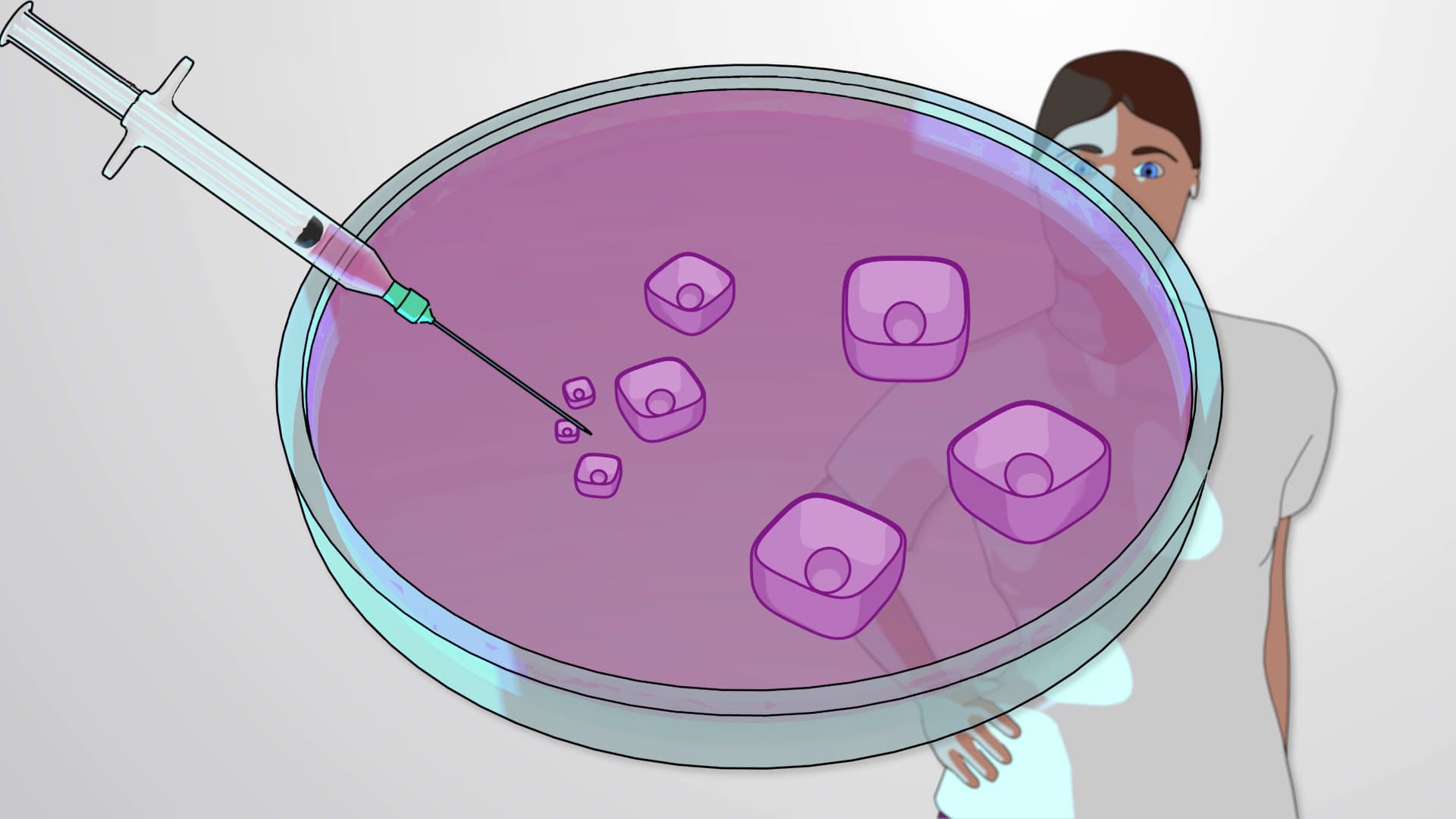
The first phase of DNA isolation focuses on breaking down cellular barriers that normally protect genetic material. Cells maintain DNA within their nucleus, surrounded by both nuclear and cellular membranes. Scientists employ a combination of physical disruption-such as grinding or sonication-alongside chemical treatments using detergents like sodium dodecyl sulfate (SDS). These detergents dissolve lipid membranes by disrupting the fatty acid chains that give membranes their structure, essentially turning solid barriers into soluble components that mix with the surrounding solution.
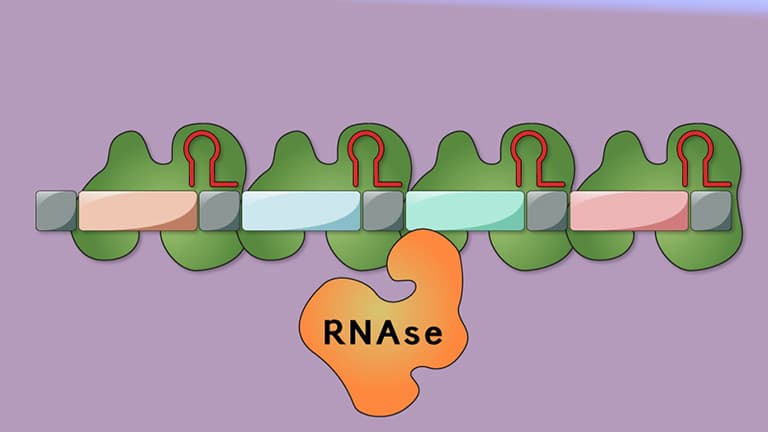
Once cellular contents are released, DNA must be separated from proteins, RNA, and other molecular debris. This separation relies on the unique chemical properties of different molecules. Organic solvents like phenol and chloroform create distinct layers when mixed with water-based solutions, allowing DNA to partition into the aqueous (water) layer while proteins move into the organic layer. Additionally, specific enzymes-proteinases that digest proteins and RNases that break down RNA-selectively remove unwanted molecules while leaving DNA intact.
The final stage involves concentrating and collecting purified DNA through precipitation. Adding salt stabilizes DNA's negatively charged phosphate backbone, while ice-cold ethanol or isopropanol causes DNA to precipitate out of solution as visible white strands. Centrifugation then concentrates this precipitated DNA at the bottom of collection tubes, where it can be washed and resuspended in appropriate buffer solutions for storage or immediate use.
Students preparing for AP Biology exams frequently encounter DNA isolation questions that test understanding of why each chemical serves its specific purpose. On the MCAT, questions often focus on predicting how changing conditions-such as salt concentration or temperature-would affect isolation efficiency.
Related Micro-courses