Loading video…


 15 Concepts
 974.8K views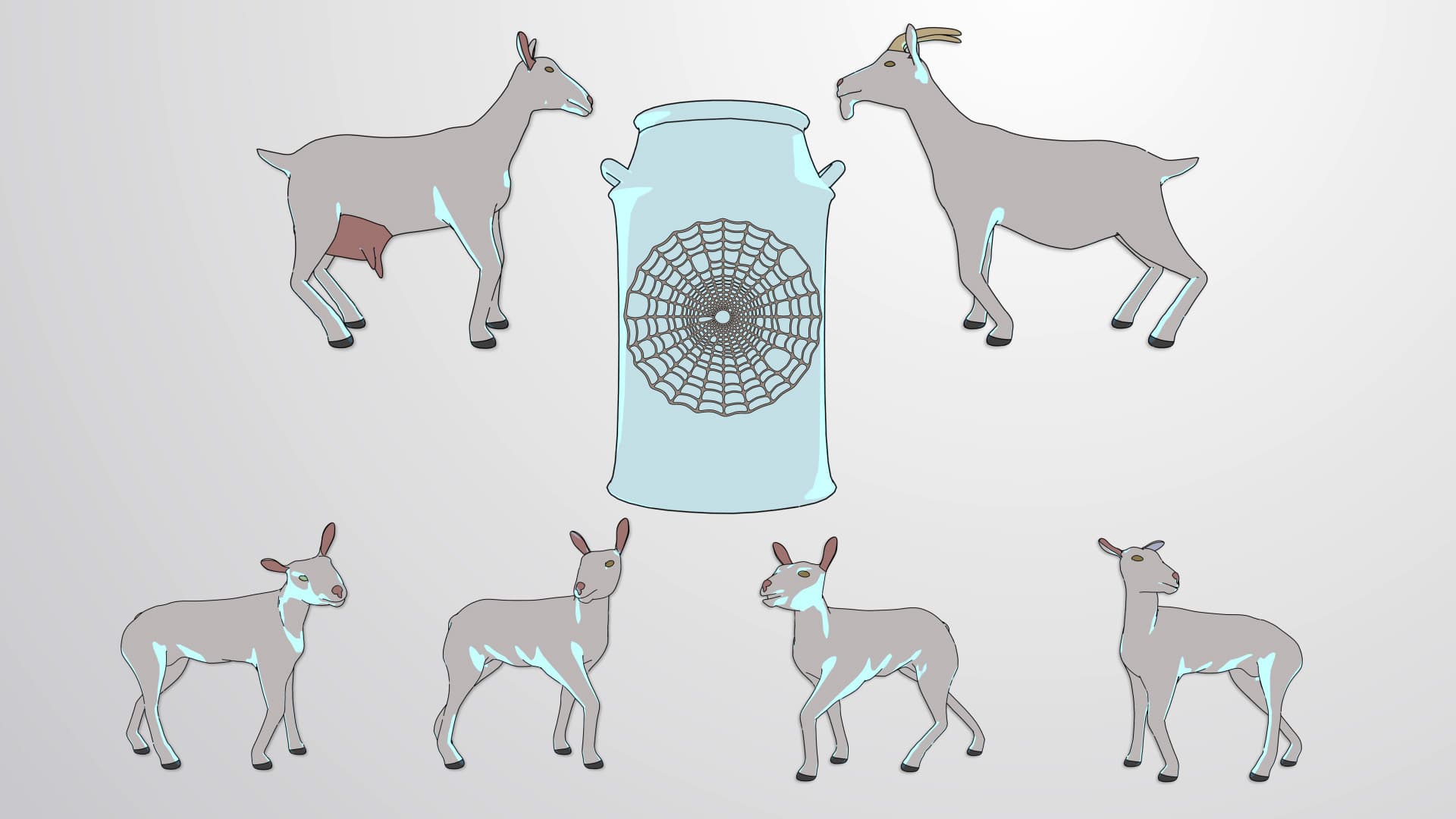

Video Summary: What are Transgenic Organisms
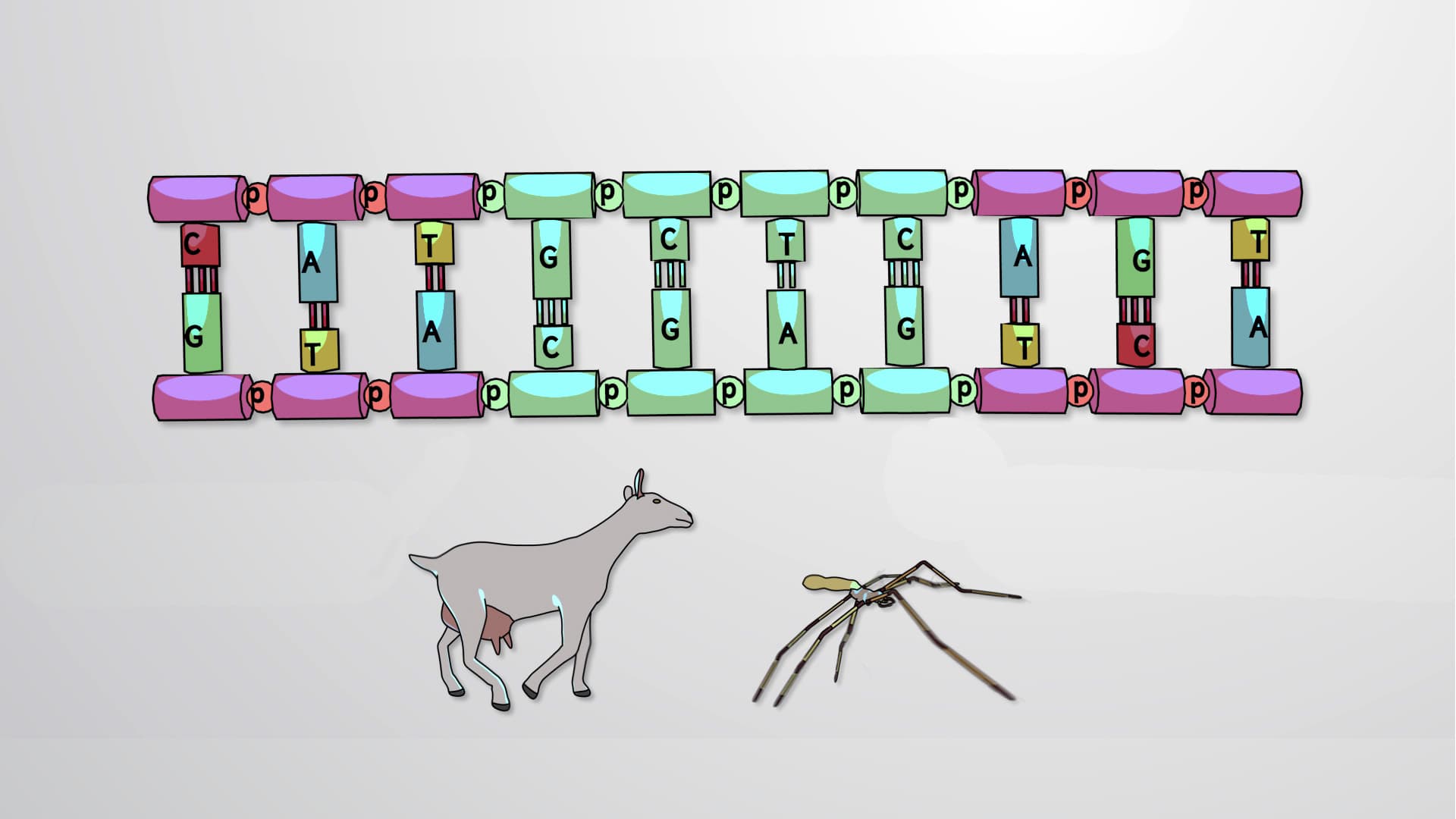
Did you know that goats can produce spider silk proteins in their milk? Transgenic organisms are genetically modified creatures that carry foreign genes from other species, enabling them to produce specific proteins for medical and industrial applications. These engineered organisms, like the spider silk-producing goats developed by companies in Utah, represent cutting-edge biotechnology with real-world benefits. Watch the full video on JoVE Coach to master this concept with expert-led visuals and step-by-step explanations.
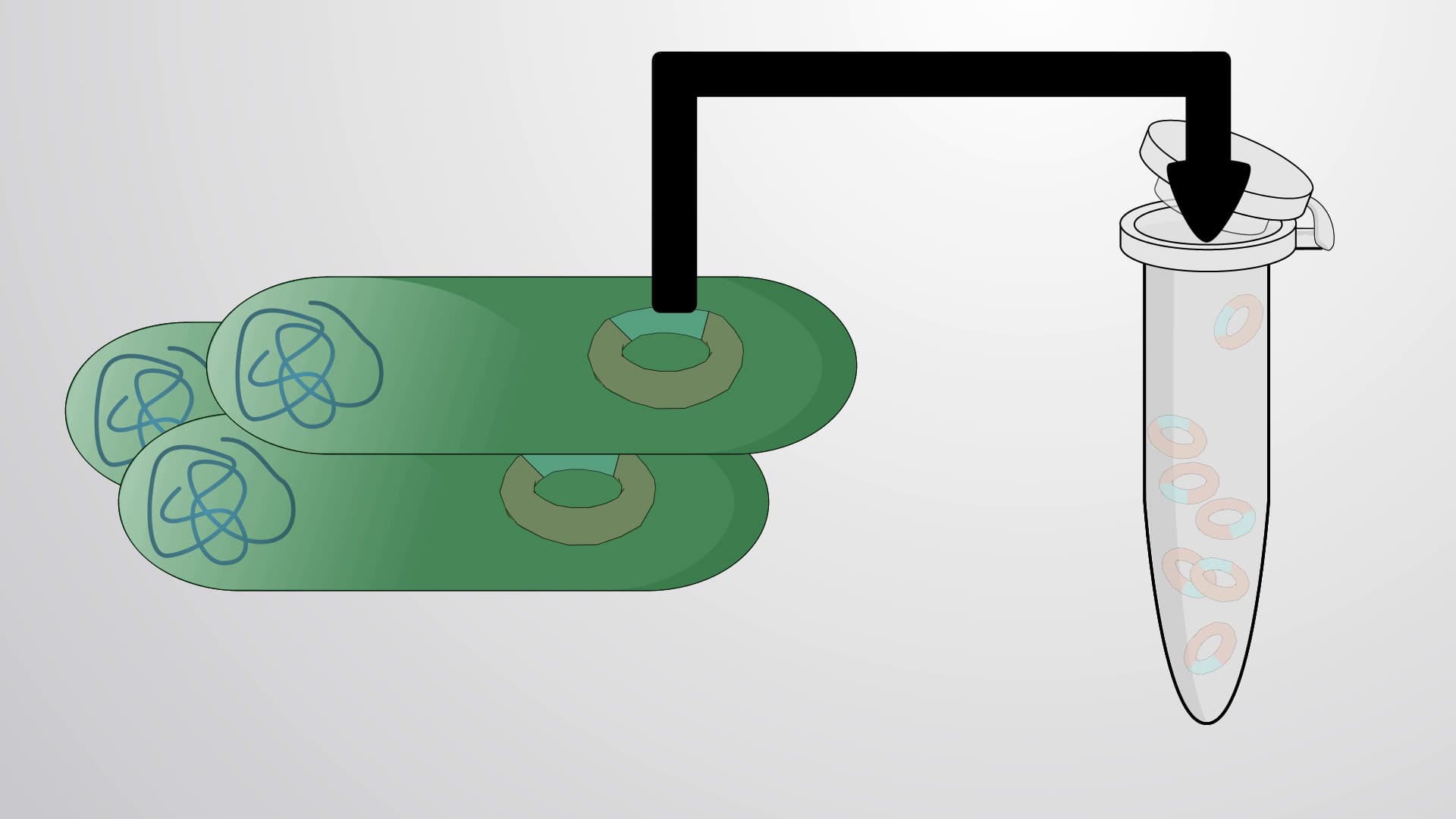
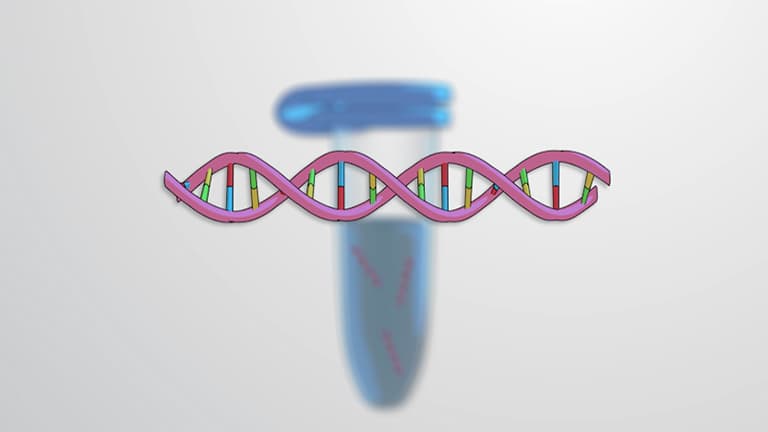
Transgenic organisms represent one of the most significant advances in modern biotechnology. These genetically modified life forms contain DNA sequences from different species, called transgenes, which have been artificially introduced into their genome. The term "transgenic" literally means "across genes," reflecting the cross-species transfer of genetic material that defines these organisms.
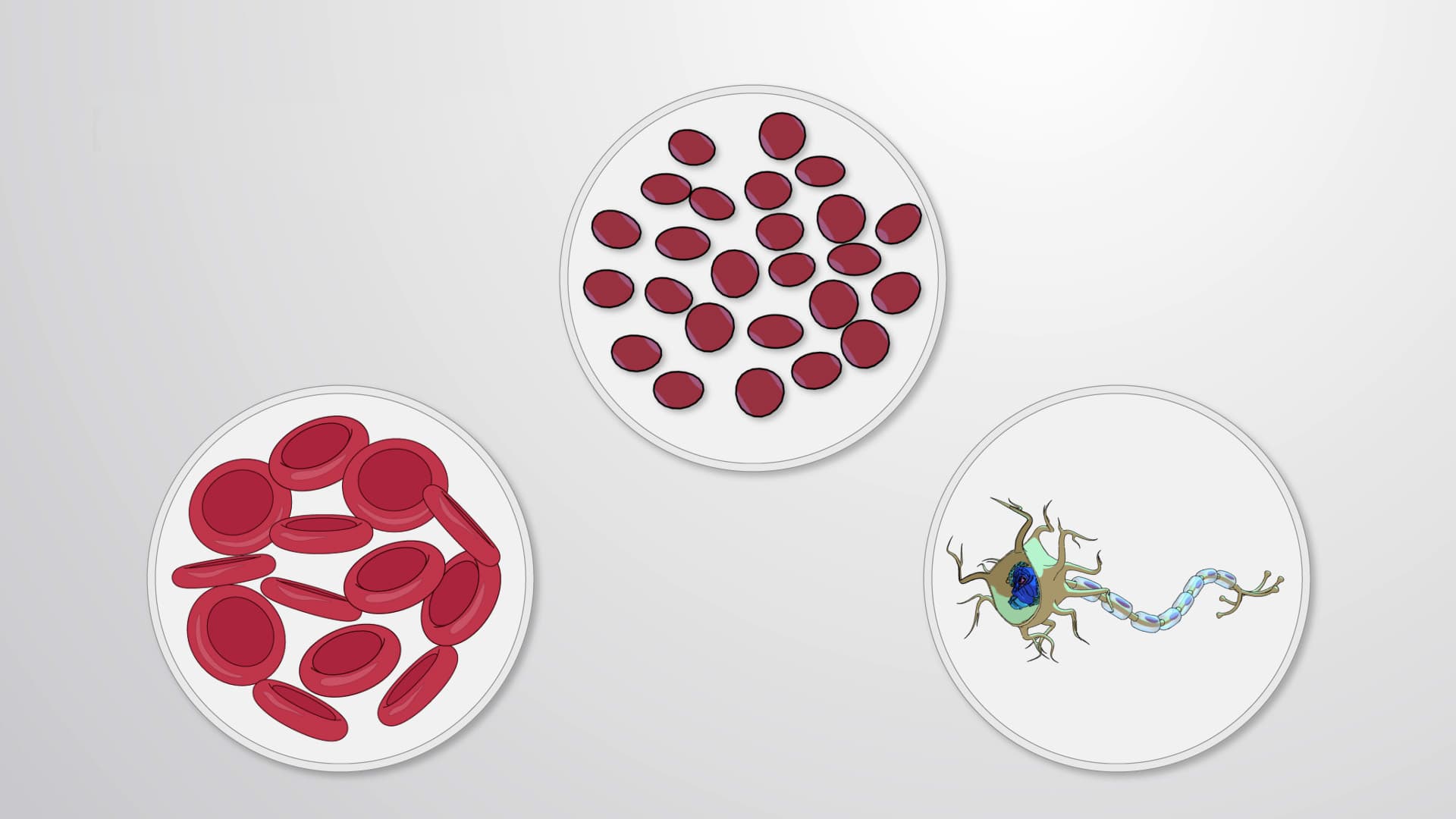
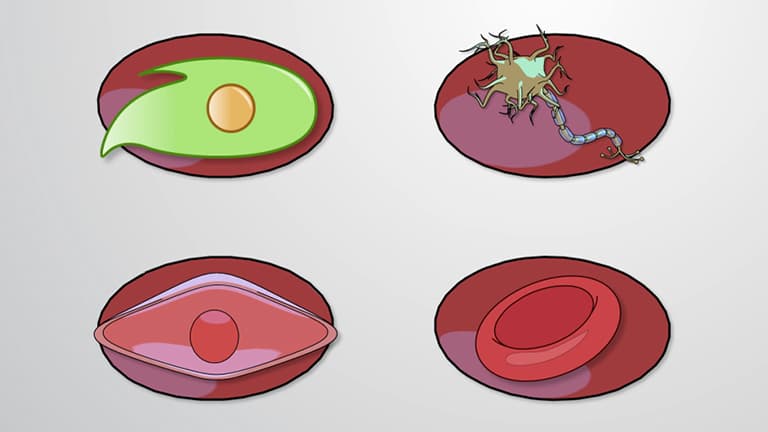
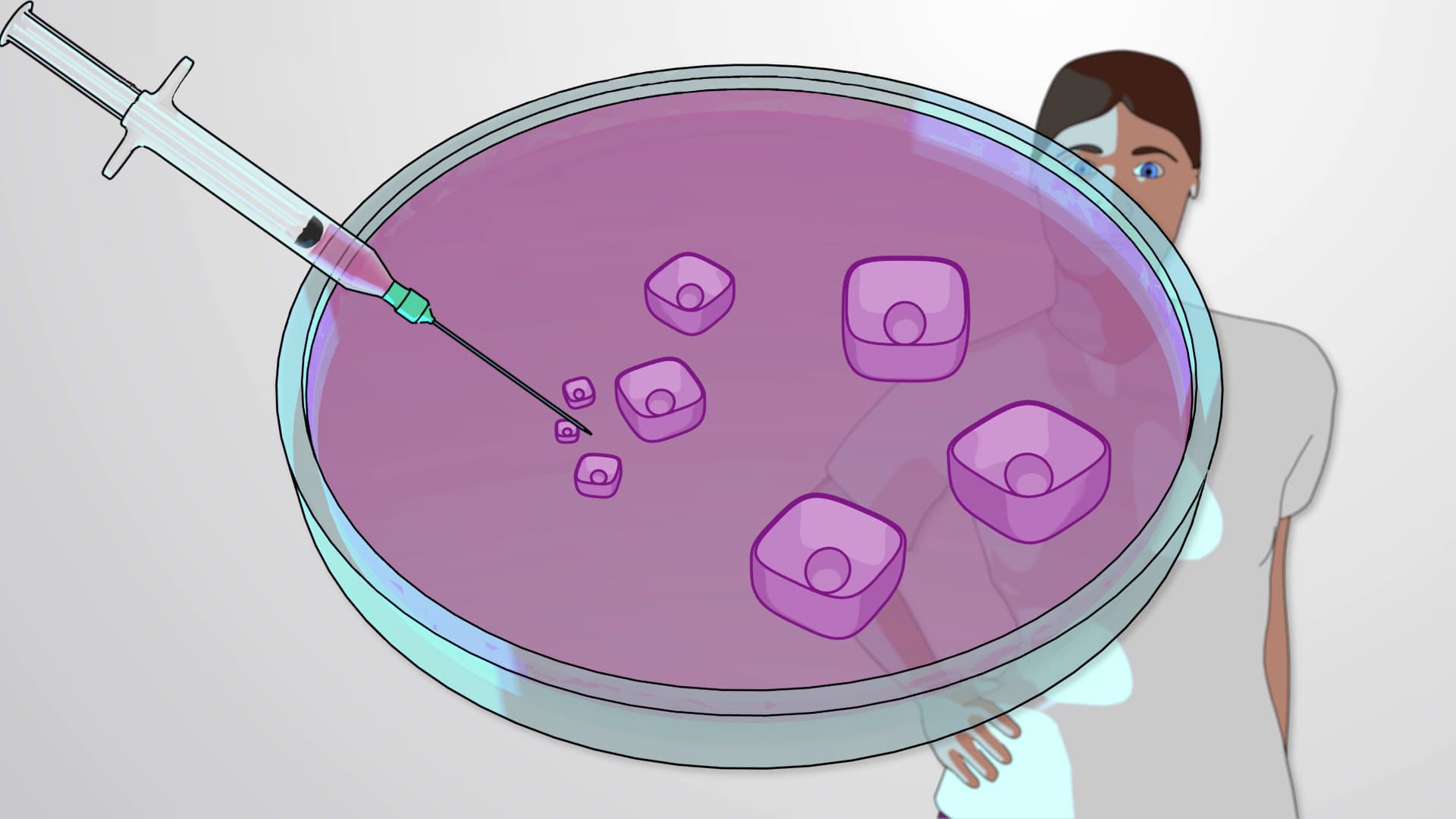
The creation of transgenic organisms involves sophisticated molecular techniques that target the earliest stages of development. Scientists typically introduce foreign genes into fertilized eggs or embryonic stem cells, ensuring the transgene becomes incorporated into every cell of the developing organism. This early intervention is crucial because it allows the foreign DNA to integrate into the host genome before cell division and differentiation begin.
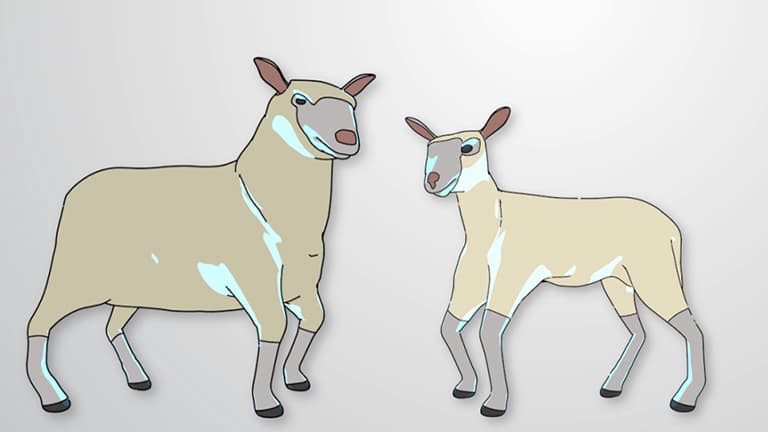
The most successful transgenic modifications occur when the transgene integrates into germ cells-the reproductive cells that produce eggs and sperm. This integration pattern ensures that offspring inherit the foreign gene, creating stable transgenic lines that can be maintained through selective breeding programs.
American biotechnology companies have developed numerous transgenic organisms for practical applications. Beyond the famous spider silk goats, researchers at institutions like Harvard Medical School and MIT have created transgenic mice models for studying human diseases, including Alzheimer's and cancer. These laboratory animals carry human genes associated with specific conditions, allowing scientists to test potential treatments before human trials.
In agriculture, transgenic crops dominate American farmland. Companies like Monsanto (now part of Bayer) developed transgenic corn and soybeans that resist herbicides or produce natural pesticides. The FDA has approved transgenic salmon that grow faster than wild varieties, representing the first genetically modified animal approved for human consumption in the United States.
Understanding transgenic organisms is essential for students pursuing careers in biotechnology, medicine, or agriculture. This concept appears frequently on standardized exams including the AP Biology test, MCAT, and college-level genetics courses. Students should master the terminology, techniques, and ethical implications of genetic modification, as these topics often appear in multiple-choice questions and essay prompts about modern biotechnology applications.
Related Micro-courses