Loading video…


 15 Concepts
 974.8K views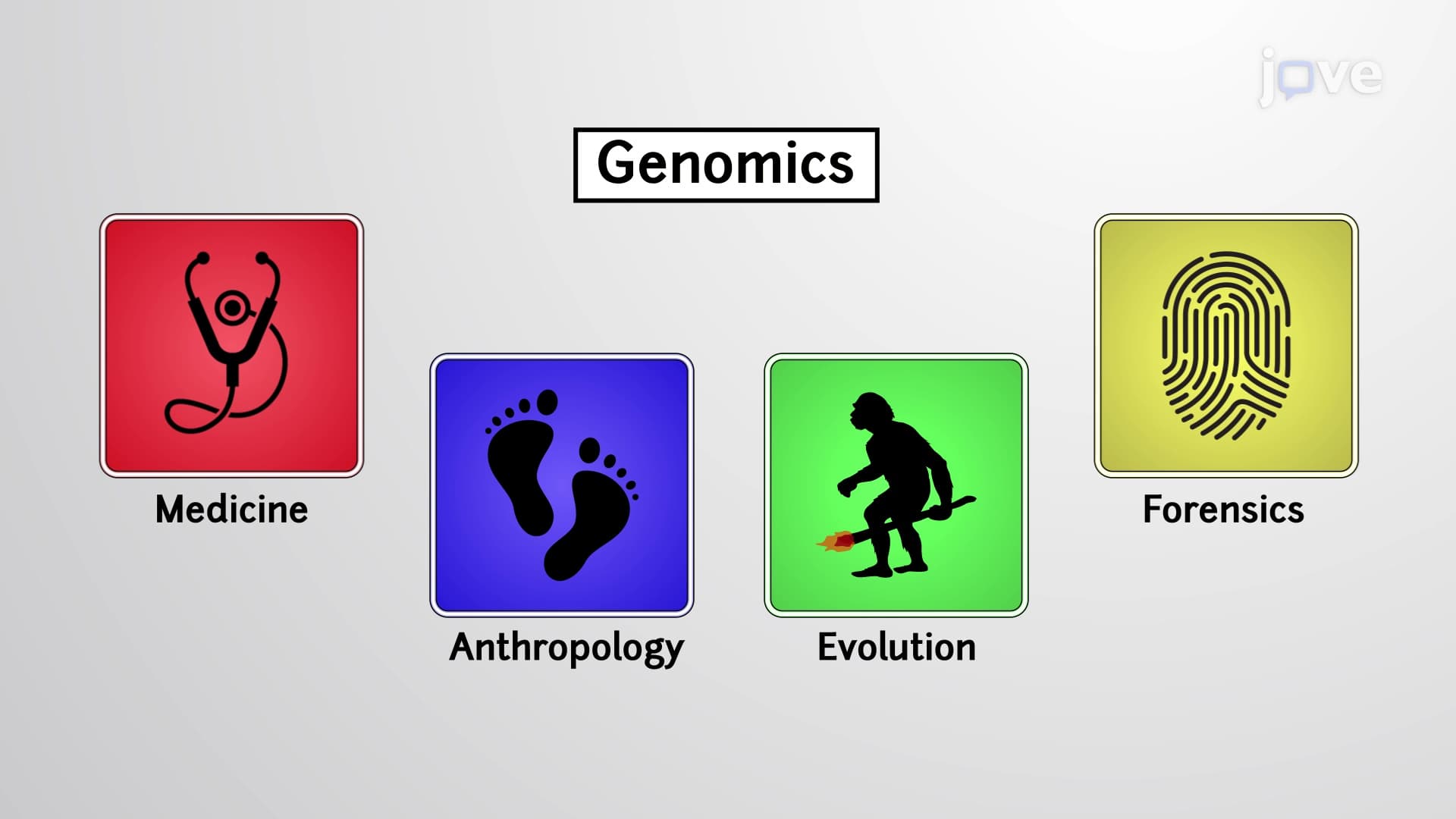

Video Summary: What Is Genomics
Did you know your entire genetic blueprint can now be decoded in just 24 hours for under $1,000? Genomics revolutionized medicine by studying complete DNA sequences rather than individual genes, enabling breakthroughs like personalized cancer treatments at institutions such as Johns Hopkins and Mayo Clinic. Understanding what is genomics opens doors to careers spanning medicine, agriculture, and forensic science. Watch the full video on JoVE Coach to master this concept with expert-led visuals and step-by-step explanations.
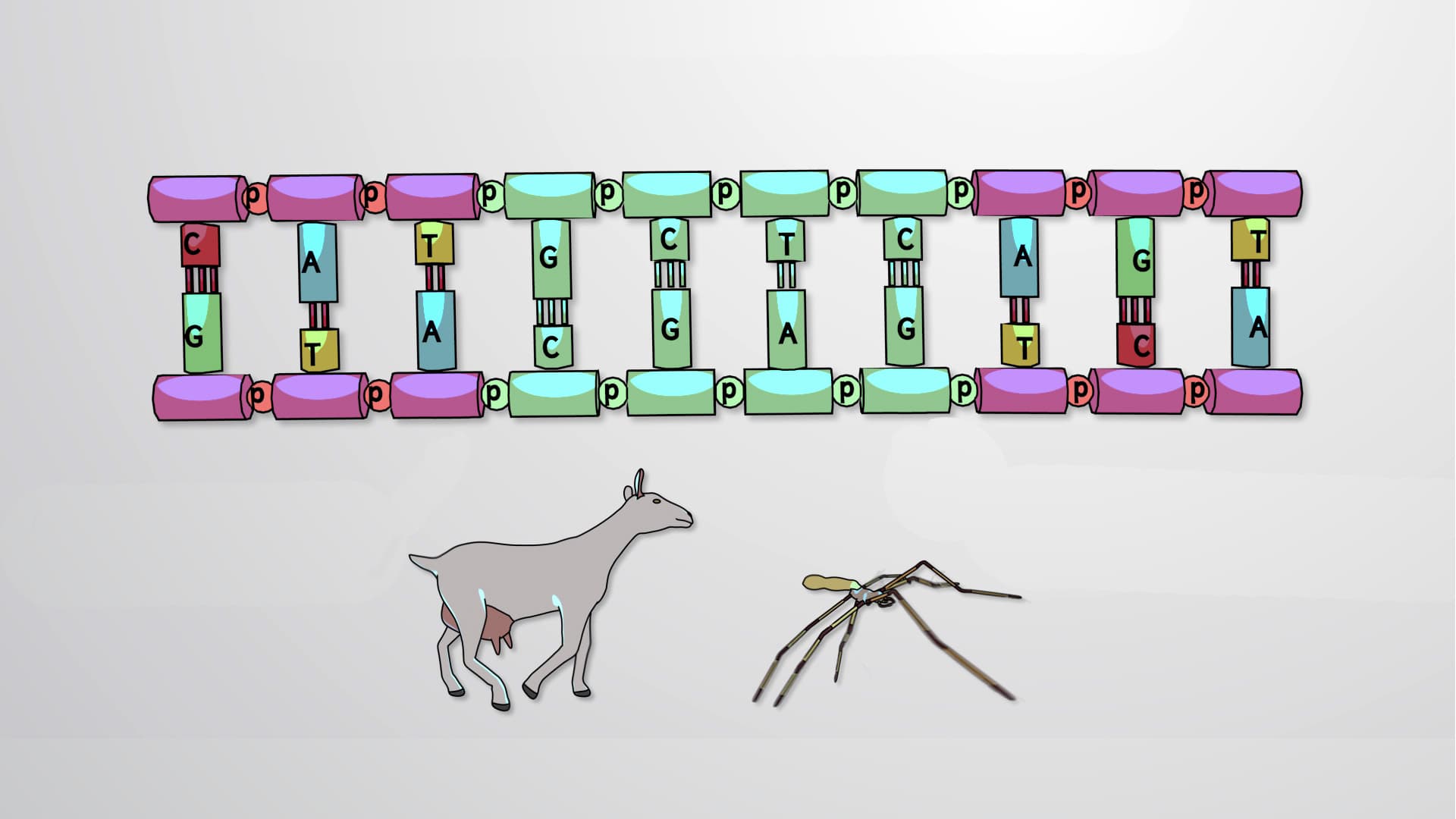
What is genomics represents a fundamental shift from studying isolated genes to examining an organism's complete DNA blueprint. Unlike traditional genetics, which focuses on individual genes and their inheritance patterns, genomics takes a holistic approach by analyzing entire genomes simultaneously. This comprehensive perspective reveals complex interactions between genes, regulatory elements, and environmental factors that single-gene studies cannot capture.
The field emerged from recognizing that biological processes rarely involve just one gene. For instance, cancer development typically requires mutations in multiple genes working together, making genomic analysis essential for understanding disease mechanisms and developing targeted therapies.
The genomics revolution began with Frederick Sanger's 1977 DNA sequencing method, which made large-scale genome sequencing feasible. This breakthrough enabled scientists to sequence complete genomes of model organisms like baker's yeast and fruit flies using shotgun sequencing-a technique that fragments DNA into smaller pieces, sequences them separately, then computationally assembles the complete genome.
The Human Genome Project (1990-2003) marked genomics' coming of age, requiring unprecedented international collaboration and $2.7 billion in funding. This massive undertaking not only produced the first human genome sequence but also drove technological innovations that dramatically reduced sequencing costs and time. Today's high-throughput sequencing platforms can sequence human genomes routinely, making genomics accessible for clinical applications and research.
Modern genomics generates enormous datasets requiring sophisticated computational analysis. Bioinformatics emerged to address this challenge, combining mathematics, computer science, and biology to organize, analyze, and interpret genomic data. Bioinformatics tools help identify genes, predict protein structures, compare genomes across species, and discover disease-associated genetic variants.
Students preparing for exams like the AP Biology test or college-level genetics courses should understand that bioinformatics represents a critical skill set in modern biology, requiring knowledge of both biological concepts and computational methods.
Genomics has transformed medicine through personalized approaches, particularly in cancer treatment. At major medical centers like Memorial Sloan Kettering and MD Anderson Cancer Center, oncologists routinely sequence tumor genomes to identify specific mutations and select targeted therapies. This precision medicine approach has improved outcomes for patients with lung cancer, breast cancer, and melanoma.
Beyond medicine, genomics impacts agriculture through crop improvement, forensics through DNA profiling, and anthropology through evolutionary studies. Understanding these applications helps students appreciate genomics' broad relevance across multiple career paths and scientific disciplines.
Related Micro-courses