Loading video…


 15 Concepts
 974.8K views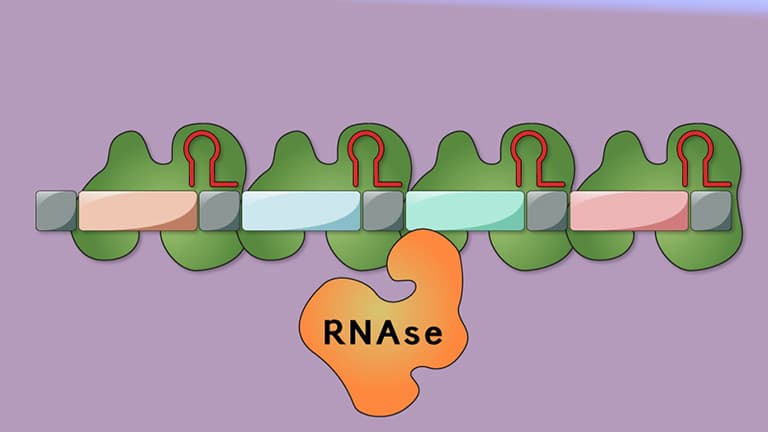

Video Summary: What Is Crispr
Imagine editing human DNA as easily as correcting a typo in Microsoft Word-that's the revolutionary promise of CRISPR. This groundbreaking gene-editing technology, originally discovered as a bacterial immune system, allows scientists to precisely cut and modify genetic material with unprecedented accuracy. Companies like Editas Medicine in Massachusetts are already using CRISPR to develop treatments for inherited blindness and sickle cell disease. Watch the full video on JoVE Coach to master this concept with expert-led visuals and step-by-step explanations.
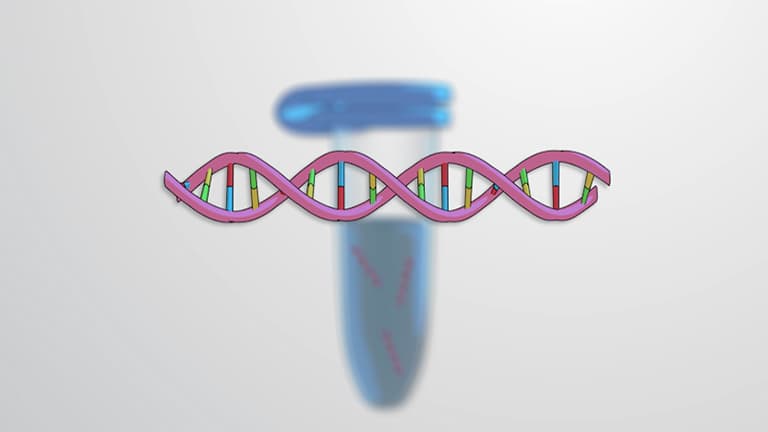
CRISPR represents one of the most significant biotechnological breakthroughs of the 21st century. Standing for Clustered Regularly Interspaced Short Palindromic Repeats, this system was first discovered in bacteria as a natural immune defense against viral infections. The beauty of CRISPR lies in its precision-it can target and modify specific DNA sequences with remarkable accuracy, earning it the nickname "molecular scissors."
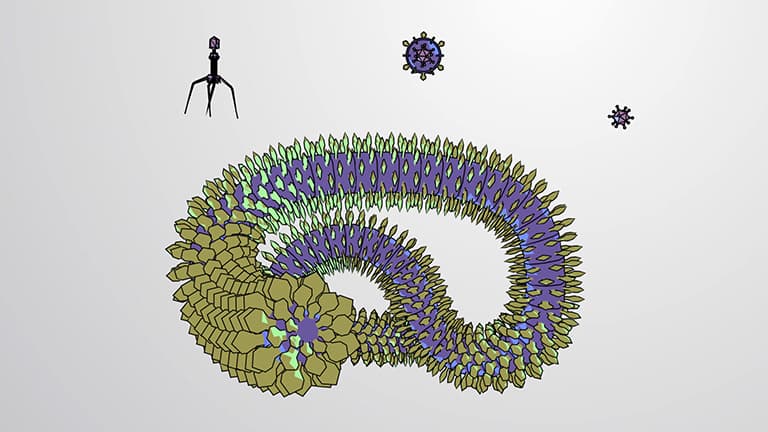
In nature, bacteria face constant threats from viruses called bacteriophages. The CRISPR system evolved as an adaptive immune response, allowing bacteria to "remember" previous viral attacks and mount defenses against future infections. When viral DNA enters a bacterial cell, the CRISPR machinery processes it into smaller fragments and incorporates these sequences into specialized regions of the bacterial genome called CRISPR loci. This creates a genetic "mugshot book" of past viral invaders.
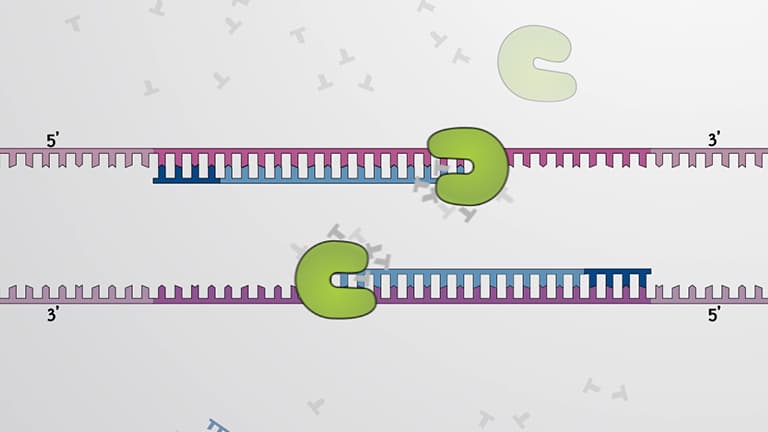
The Cas9 protein acts as the enforcement arm of this system. Working alongside guide RNAs (crRNAs and tracrRNAs), Cas9 patrols the cell, searching for matching viral DNA sequences. When a match is found, Cas9 cleaves the viral DNA, effectively neutralizing the threat. This natural mechanism inspired scientists to engineer CRISPR as a programmable gene-editing tool.
Scientists at institutions like MIT and Harvard have revolutionized CRISPR by creating synthetic guide RNAs that can direct Cas9 to virtually any DNA sequence of interest. This breakthrough transformed CRISPR from a bacterial defense system into a versatile research tool with applications spanning basic research, agriculture, and medicine.
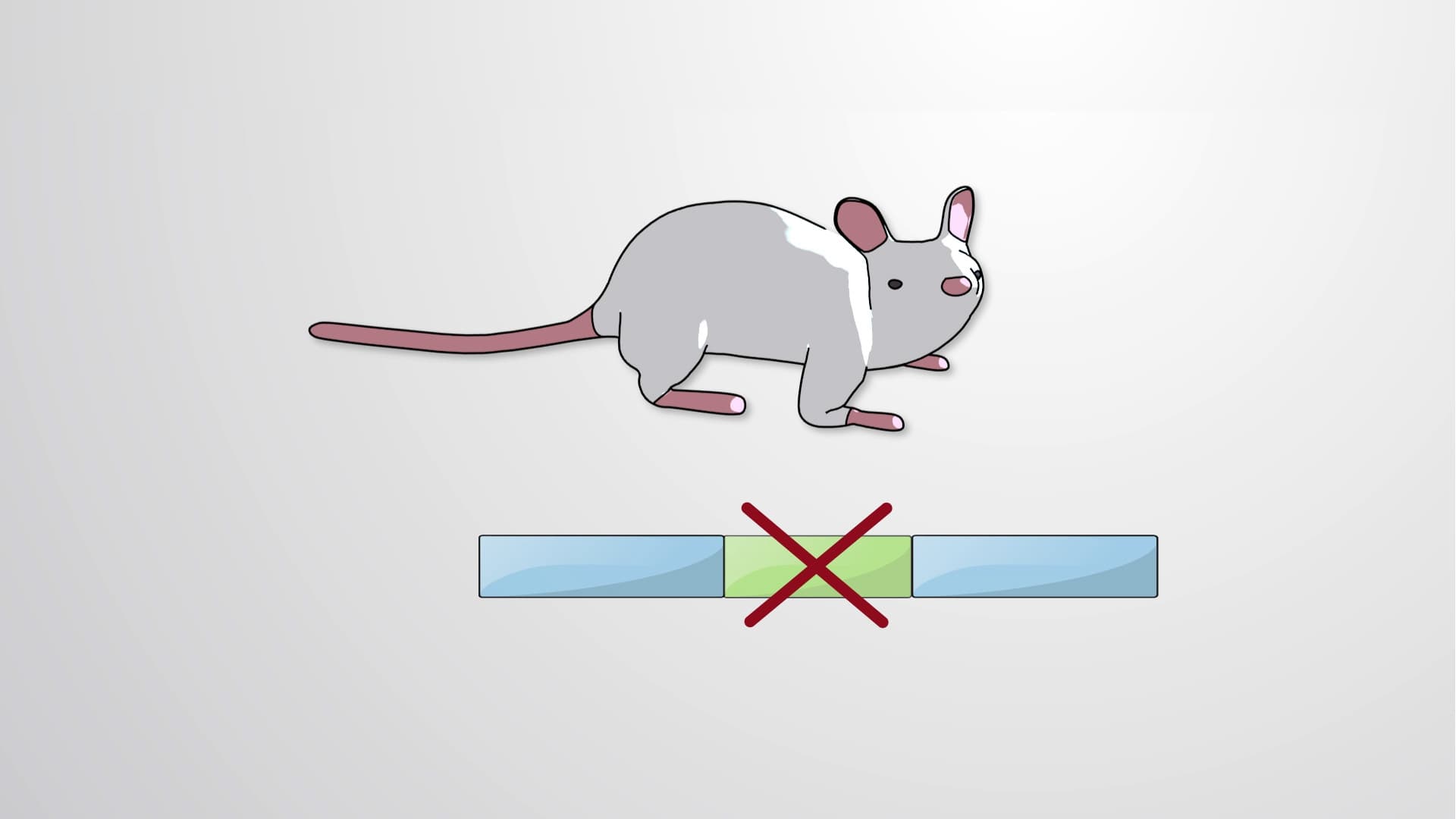
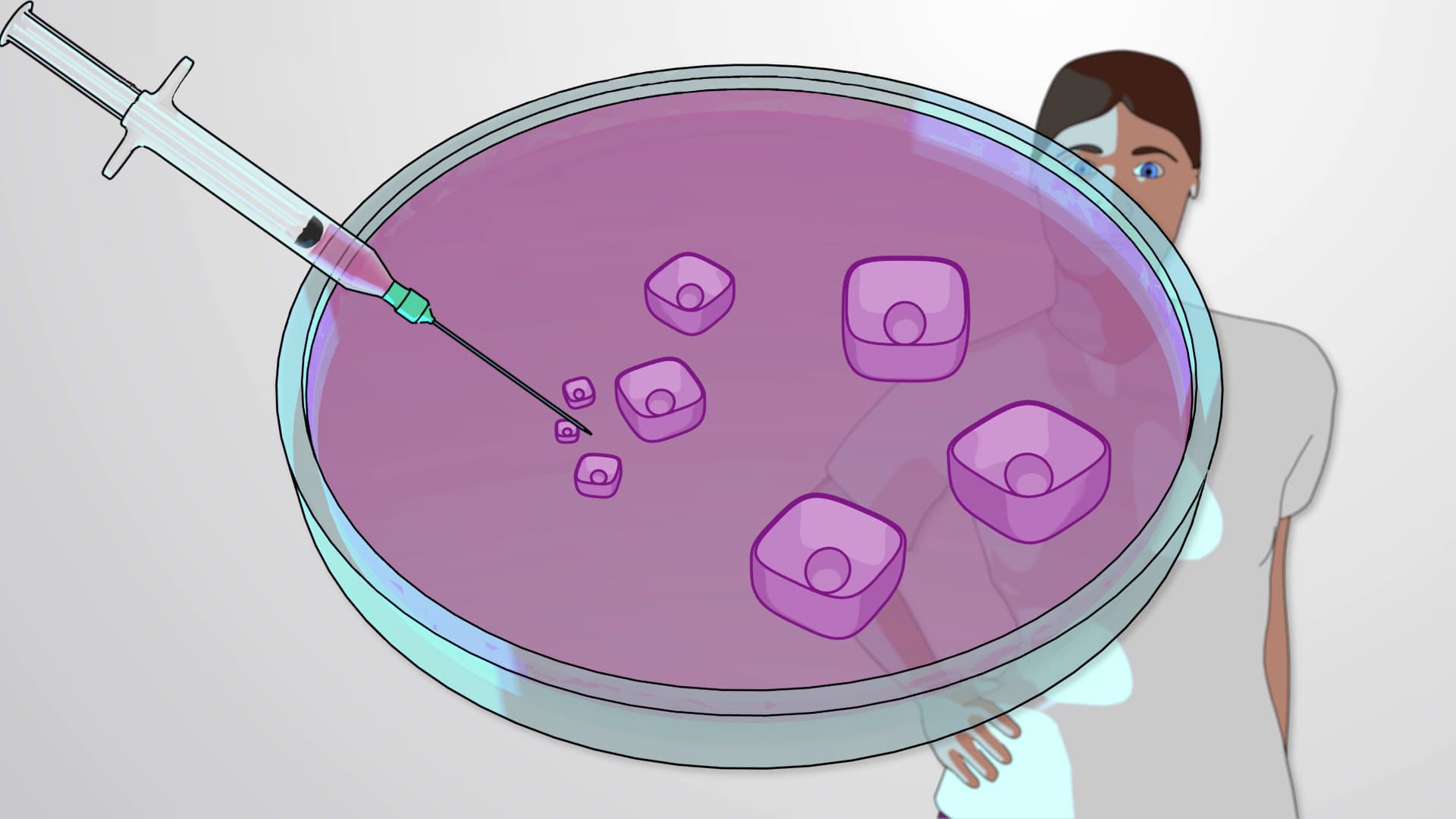
In laboratory settings, researchers design custom guide RNAs complementary to their target gene sequences. When introduced into cells along with Cas9 protein, these synthetic guides direct precise cuts at desired genomic locations. The cell's natural repair mechanisms then seal the breaks, potentially incorporating new genetic material or removing unwanted sequences.
The therapeutic potential of CRISPR has captured attention across academic institutions and pharmaceutical companies nationwide. Clinical trials are underway for treating conditions like sickle cell disease, beta-thalassemia, and certain forms of inherited blindness. Students studying for the MCAT, AP Biology, or college genetics courses should understand CRISPR's mechanism as it frequently appears in exam questions about molecular biology and biotechnology.
For high school and college students, mastering CRISPR concepts is essential for understanding modern genetic engineering. This technology exemplifies how fundamental research in bacterial immunity led to transformative medical applications, illustrating the interconnected nature of biological systems and the importance of basic scientific research.
Related Micro-courses