Loading video…


 15 Concepts
 974.8K views

Video Summary: What Is Complementary DNA
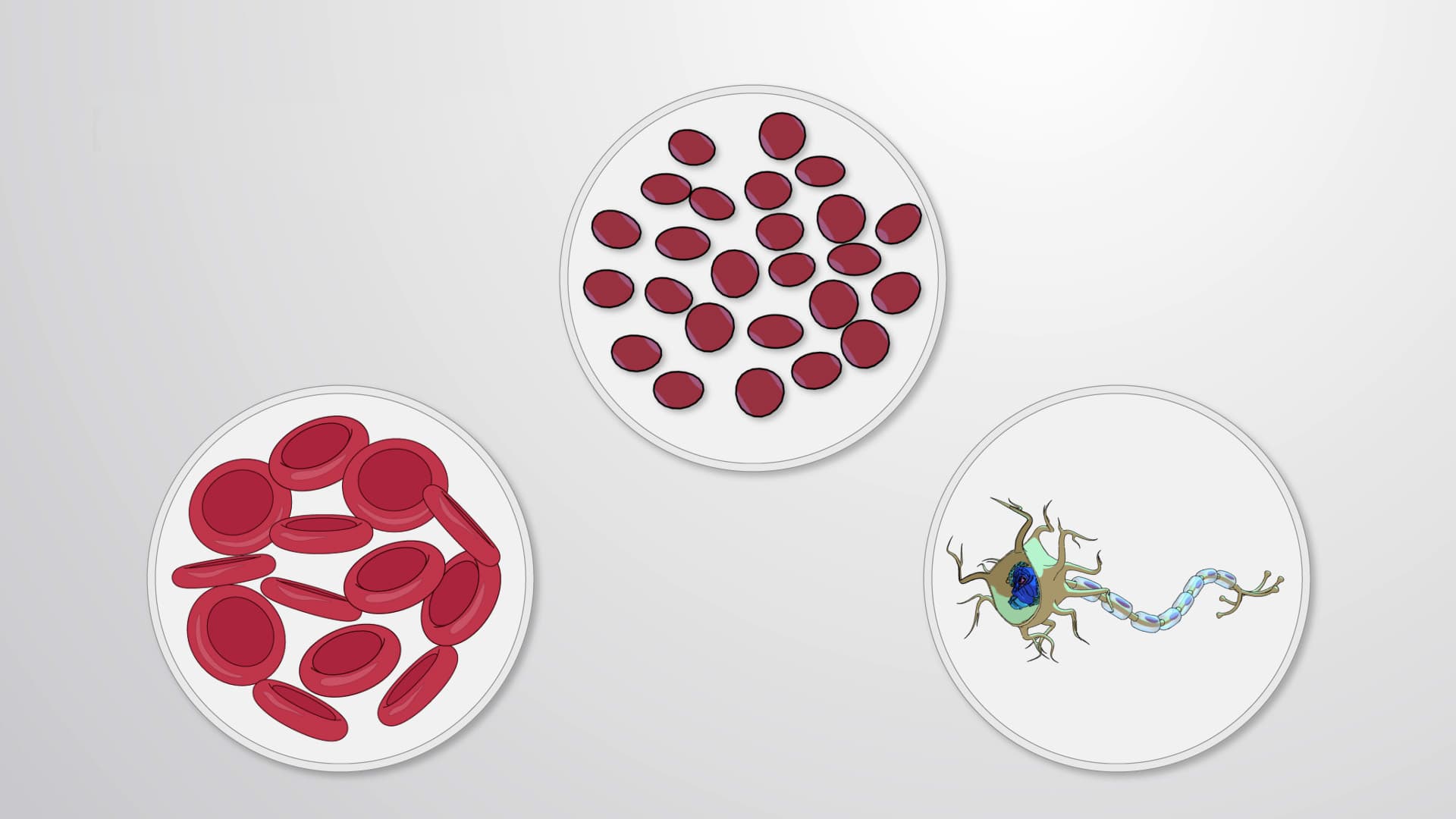
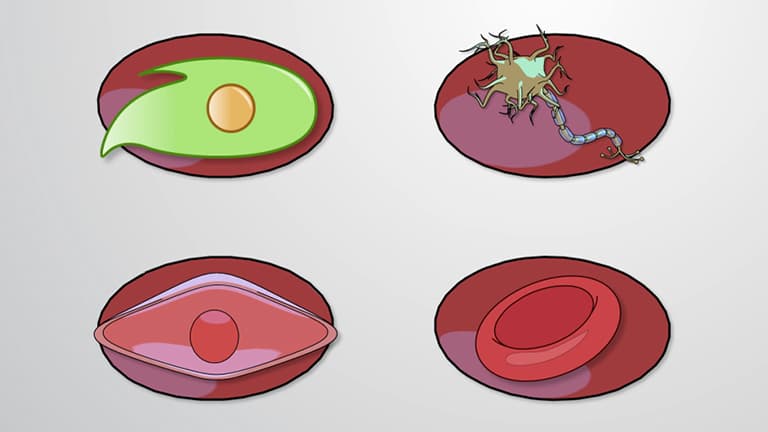
Did you know that researchers at Stanford University use complementary DNA to study how brain cells differ from heart cells, even though they contain identical genetic material? Complementary DNA (cDNA) is a laboratory-synthesized copy of messenger RNA that allows scientists to examine which genes are actually expressed in specific cell types. This powerful molecular tool enables breakthrough research in cancer treatment, genetic disorders, and drug development across major US research institutions. Watch the full video on JoVE Coach to master this concept with expert-led visuals and step-by-step explanations.
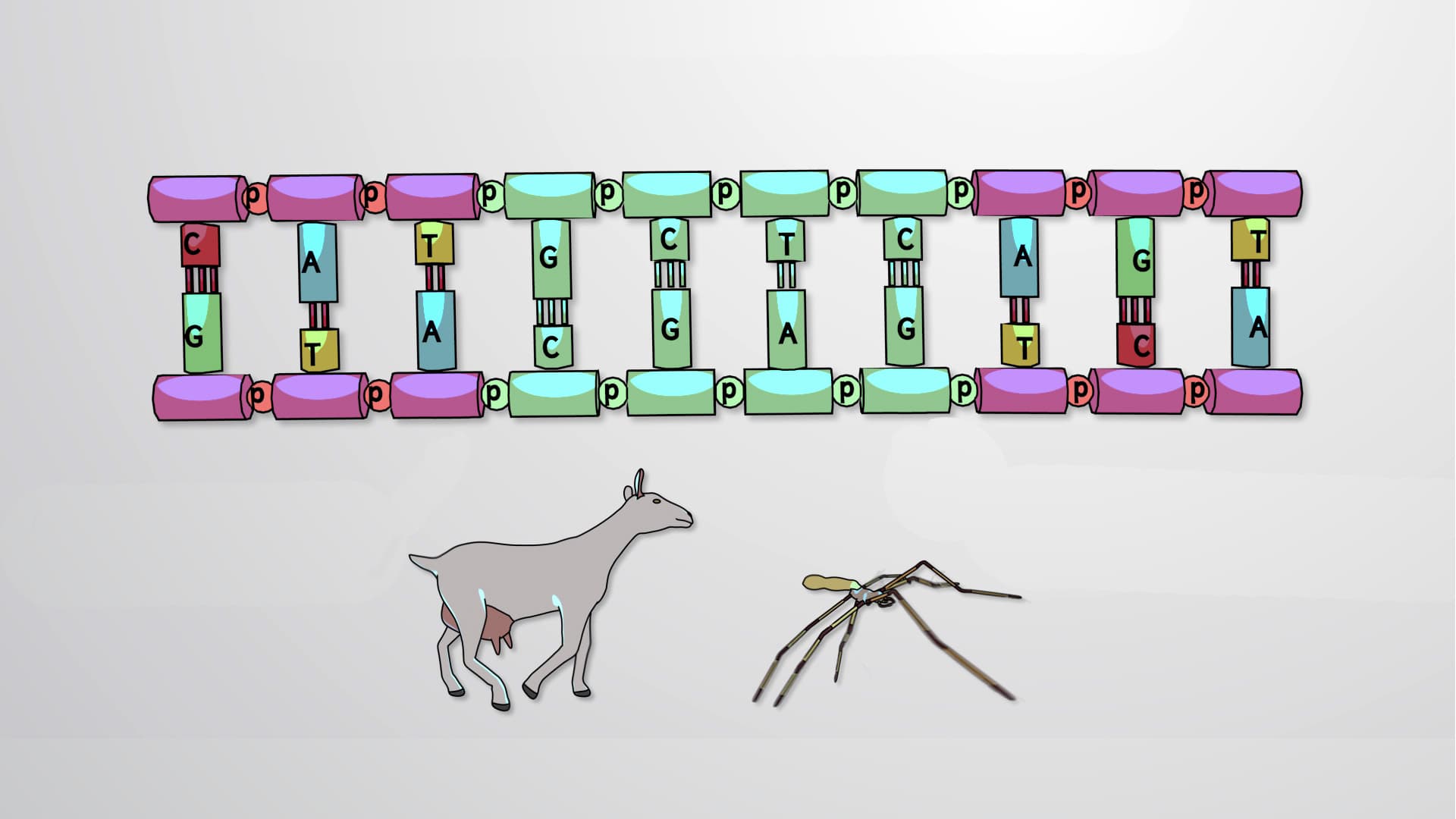
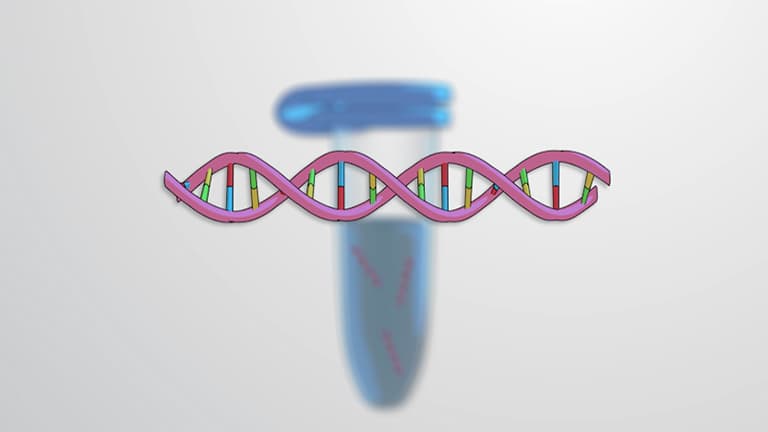
Complementary DNA represents one of the most fundamental tools in modern molecular biology research. Unlike genomic DNA, which contains both coding sequences (exons) and non-coding regions (introns), cDNA is synthesized directly from mature messenger RNA and therefore contains only the protein-coding sequences. This distinction makes cDNA invaluable for studying gene expression patterns and producing recombinant proteins in laboratory settings.
The significance of complementary DNA extends far beyond basic research. At institutions like the National Institutes of Health (NIH) and leading universities such as Harvard Medical School, researchers use cDNA libraries to identify disease-associated genes and develop targeted therapies. For students preparing for the MCAT or AP Biology exams, understanding cDNA synthesis demonstrates mastery of central dogma concepts and molecular techniques.
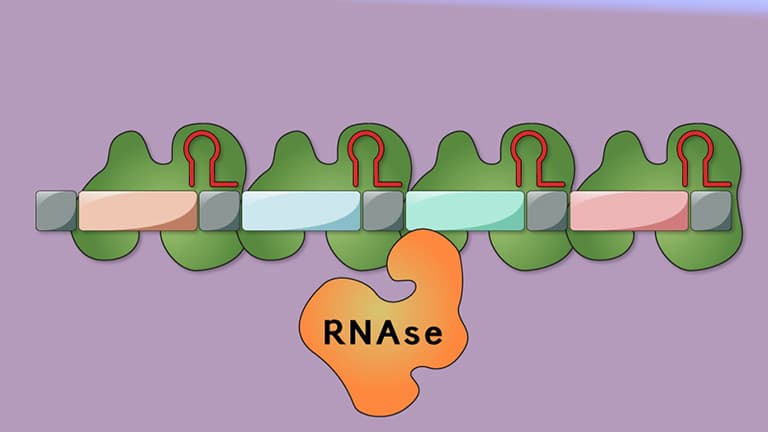
The complementary DNA synthesis process begins with RNA extraction from target cells, followed by mRNA purification using affinity chromatography. The poly-A tail present on eukaryotic mRNA serves as the key to this purification step. Oligo-dT columns containing thymine-rich sequences specifically bind to these adenine-rich tails, allowing researchers to separate mRNA from ribosomal RNA and transfer RNA.
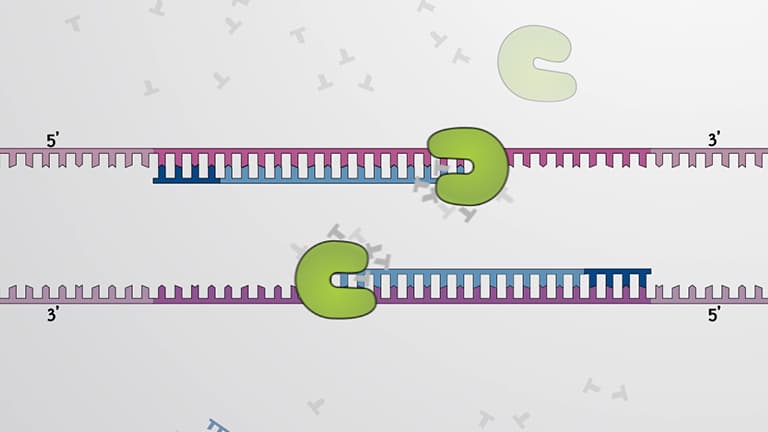
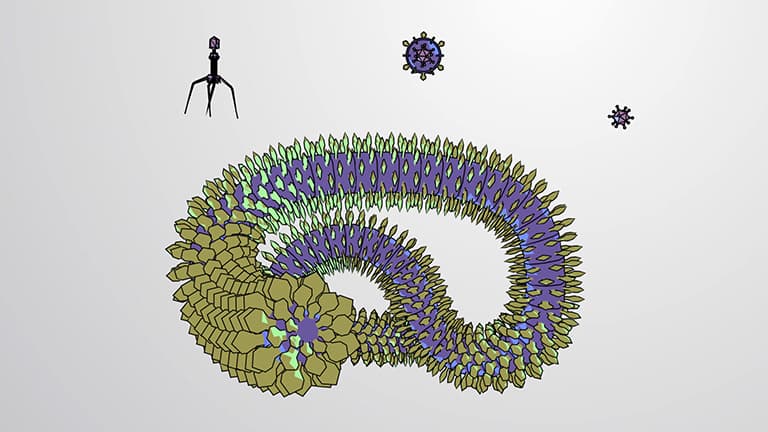
Once purified, the mRNA undergoes reverse transcription using specialized enzymes originally discovered in retroviruses. This process requires a primer-typically oligo-dT that binds to the poly-A tail-providing the 3'-OH group necessary for DNA synthesis. The resulting single-stranded cDNA represents a faithful copy of the original mRNA sequence, maintaining the same 5' to 3' orientation.
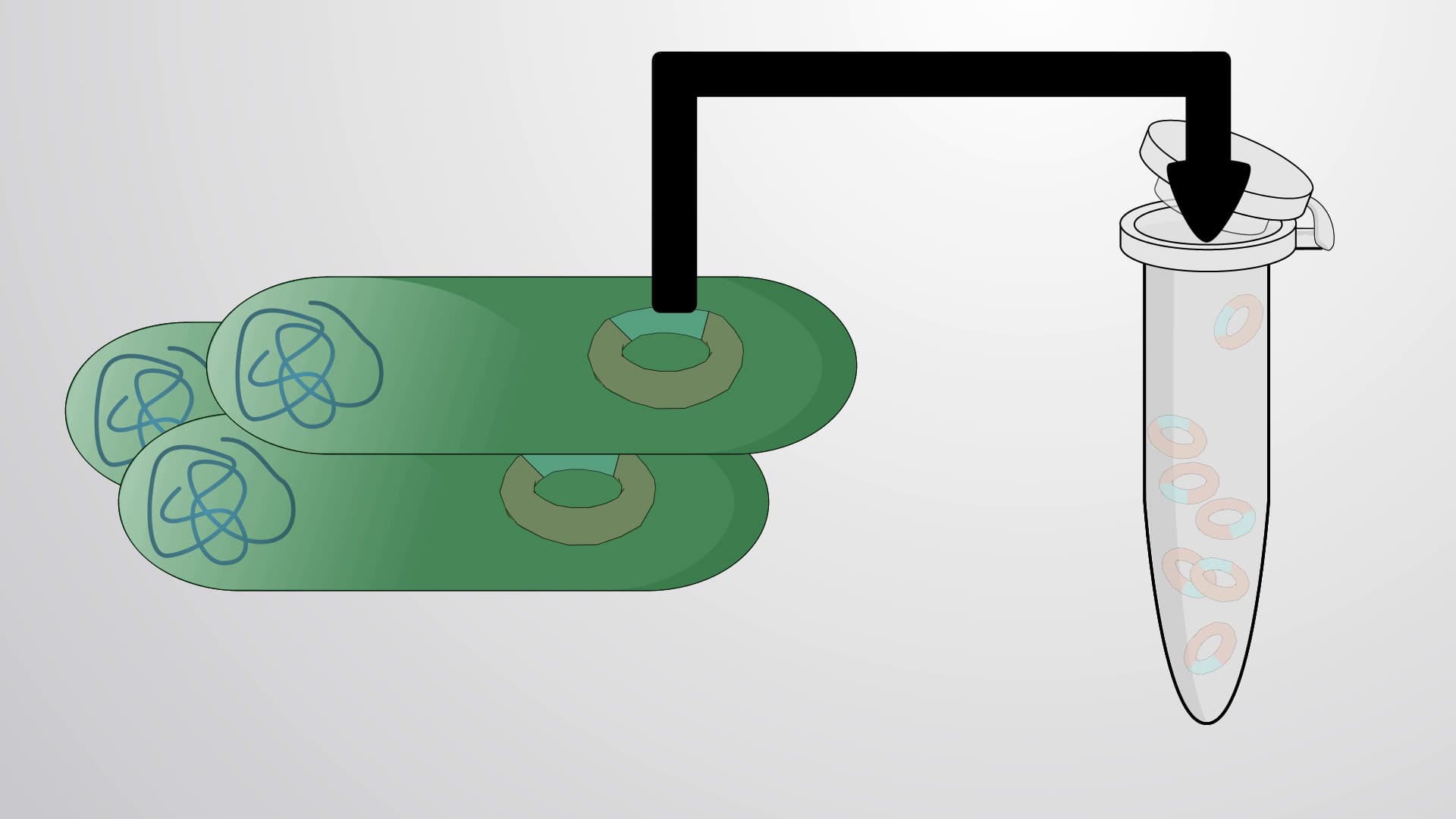
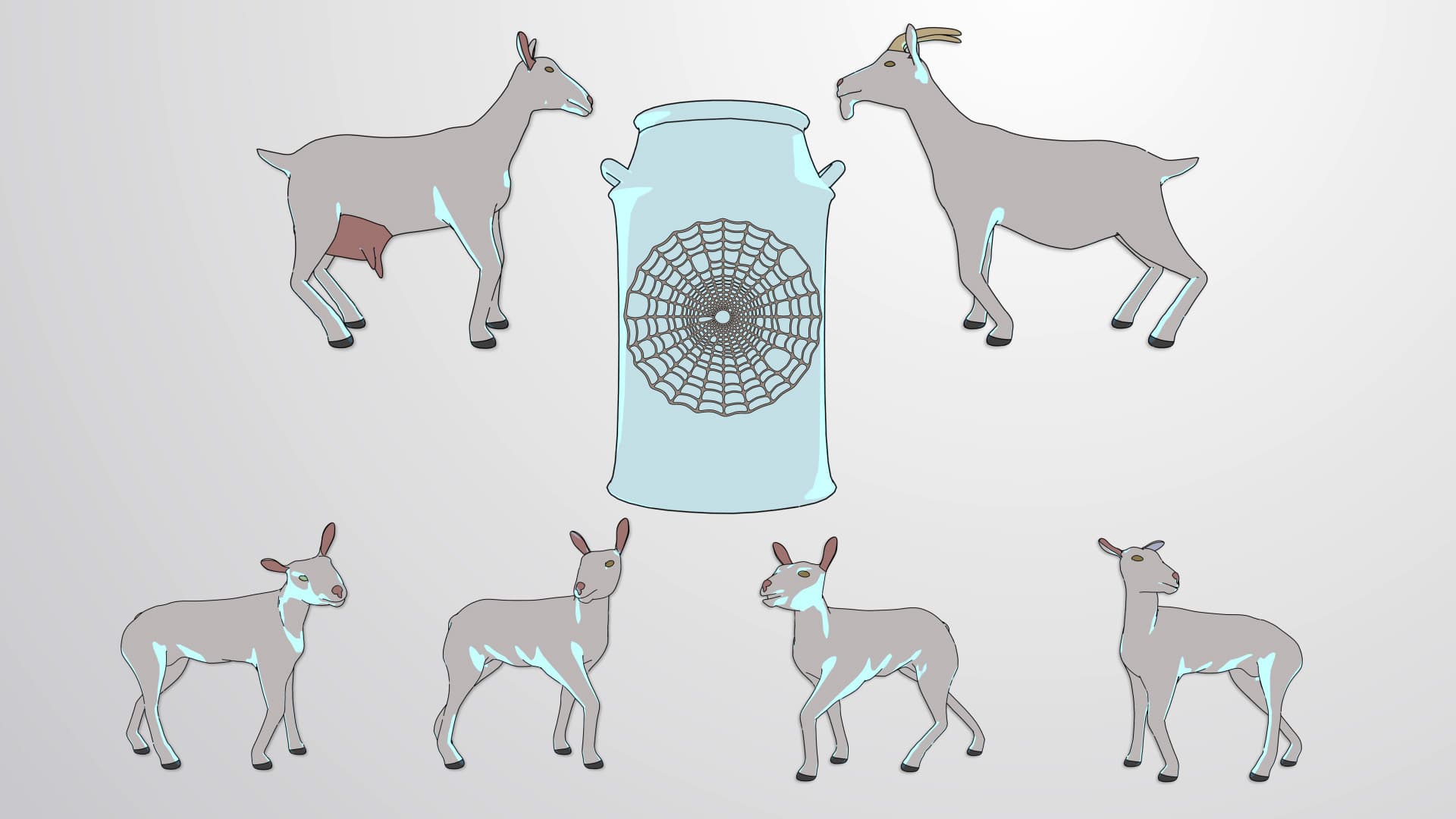
Complementary DNA technology has revolutionized medical research and diagnostics across the United States. Major pharmaceutical companies like Pfizer and Moderna utilize cDNA cloning to produce therapeutic proteins and develop mRNA vaccines. In clinical diagnostics, cDNA synthesis enables RT-PCR testing, the gold standard for detecting RNA viruses including SARS-CoV-2.
For students pursuing careers in biotechnology or medicine, understanding cDNA applications proves essential for USMLE preparation and graduate school applications. The technique appears frequently in college-level molecular biology courses and serves as a foundation for more advanced topics like gene therapy and personalized medicine approaches currently being developed at institutions like the Mayo Clinic and Johns Hopkins University.
Related Micro-courses