Population genetics examines how allele frequencies and genetic variation change within populations over time, forming the foundation of evolutionary biology. This comprehensive course with JoVE Coach covers the Hardy-Weinberg principle, genetic drift, gene flow, and mutation as evolutionary forces. Students will analyze real-world examples from American wildlife populations to understand how genetic diversity shapes species survival and adaptation in natural ecosystems.
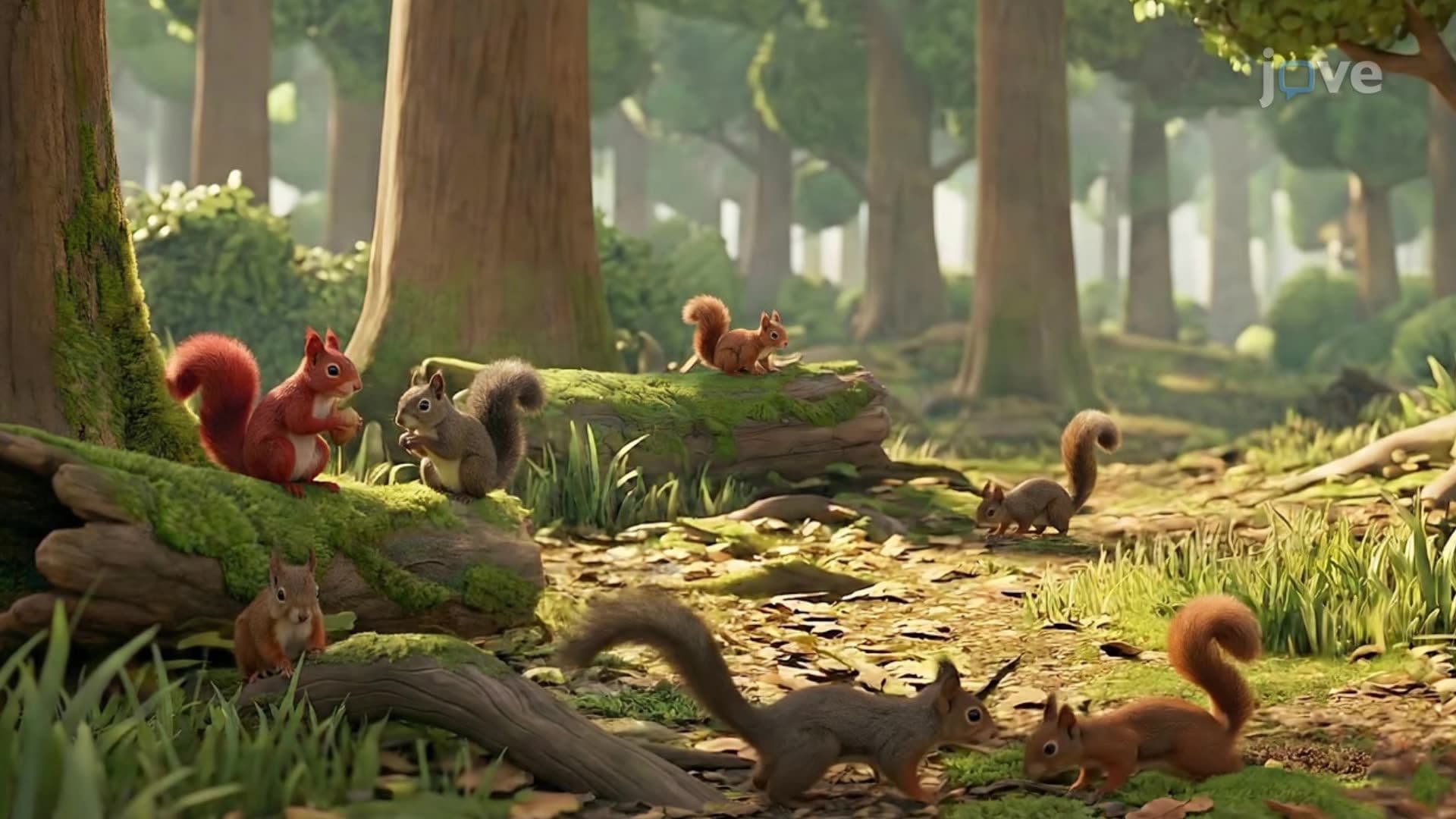
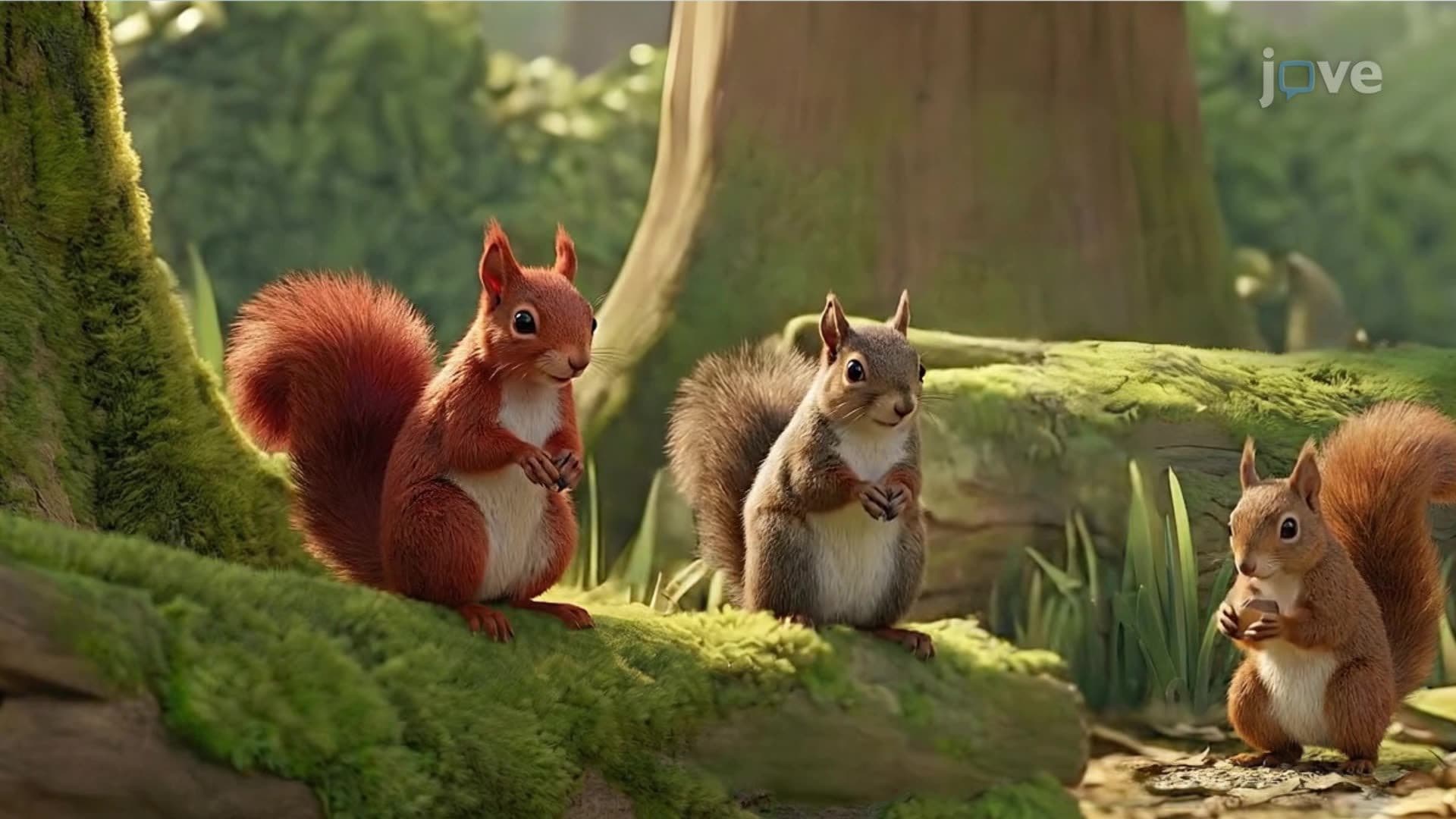
1. Population Gene Pools and Allele Frequencies Understanding how populations are characterized by their collective genetic makeup, including all alleles present at every genetic locus. Students learn to calculate allele frequencies using examples like coat color variations in American gray squirrel populations. The concept emphasizes how tracking these frequency changes over time reveals whether evolution is occurring, providing the mathematical foundation for all subsequent population genetics analyses.
2. Hardy-Weinberg Equilibrium and Its Applications The Hardy-Weinberg principle serves as a null hypothesis for evolution, predicting allele frequencies in non-evolving populations using the equation p² + 2pq + q² = 1. Students explore the five restrictive conditions: no natural selection, random mating, no gene flow, no mutations, and large population size. Real examples include analyzing whether American bison populations meet these criteria after near-extinction events.
3. Genetic Drift and Random Evolutionary Change Genetic drift demonstrates how evolution can occur without natural selection through random sampling effects, particularly in small populations. Students examine bottleneck effects using examples like the northern elephant seal recovery along California coasts, and founder effects illustrated by island populations such as the Galápagos finches studied by Darwin during his voyage on the HMS Beagle.
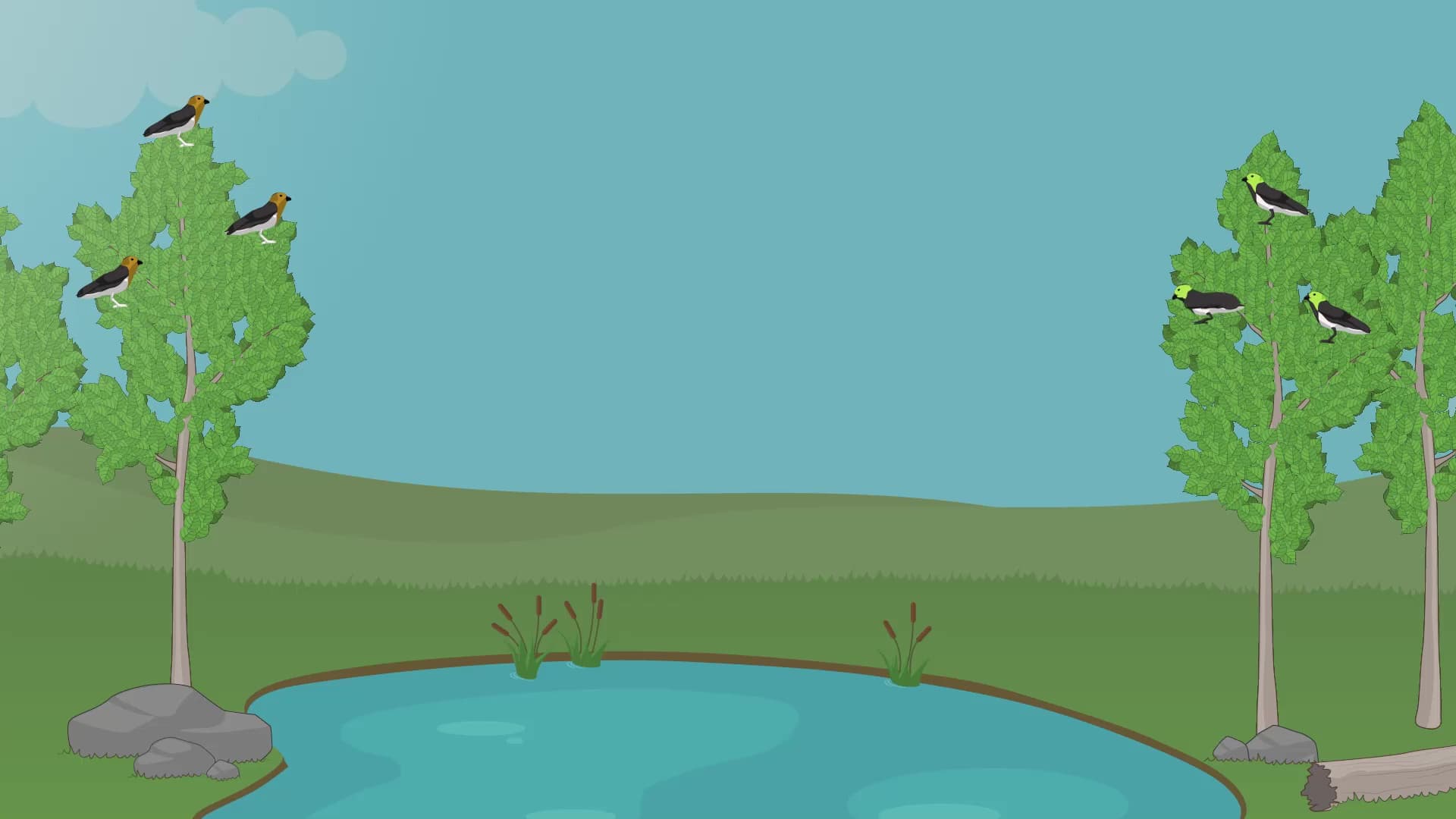
4. Gene Flow as an Evolutionary Force Gene flow occurs when organisms or gametes move between populations, potentially introducing new alleles or changing existing allele frequencies. Students analyze how monarch butterfly migration patterns affect genetic diversity across North American populations, and examine how human activities create artificial gene flow corridors or barriers that influence wildlife population genetics and conservation strategies.
5. Mutation and the Generation of Genetic Variation Mutations provide the ultimate source of all genetic variation, with harmful mutations typically eliminated by natural selection while beneficial ones spread through populations. Students explore examples like antibiotic resistance in bacterial populations and pesticide resistance in agricultural pest species across American farming regions, demonstrating how mutation rates and selection pressures interact in real-world scenarios.