Loading concepts…


8 Concepts
21 Concepts
9 Concepts
16 Concepts
16 Concepts
14 Concepts
15 Concepts
14 Concepts
7 Concepts
9 Concepts
5 Concepts
19 Concepts
13 Concepts
12 Concepts
15 Concepts
7 Concepts
8 Concepts
11 Concepts
12 Concepts
11 Concepts
6 Concepts
8 Concepts
8 Concepts
9 Concepts
8 Concepts
10 Concepts
12 Concepts
12 Concepts
11 Concepts
5 Concepts
4 Concepts
5 Concepts
7 Concepts
21 Concepts
7 Concepts
8 Concepts
 7 Concepts
 293.3K Views
 Popular topics
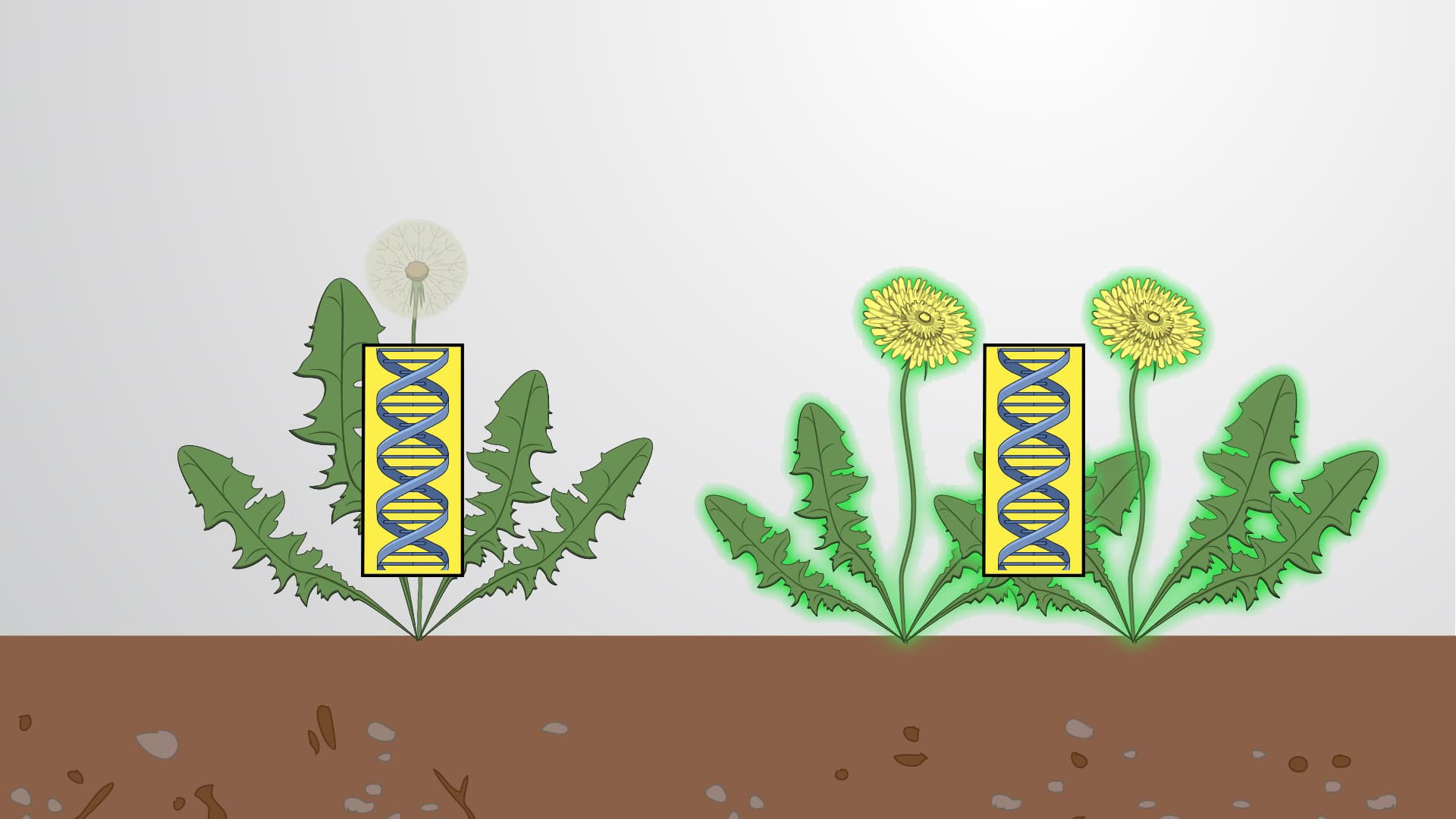
Plant reproduction encompasses both sexual and asexual reproductive strategies that flowering plants use to ensure species survival. From pollination and flower structure to seed development and fruit formation, plant reproductive biology demonstrates remarkable adaptations that maximize reproductive success. This comprehensive course examines angiosperm life cycles, tissue culture techniques, and modern plant breeding biotechnology applications across American agriculture, providing essential knowledge through JoVE Coach's interactive learning platform.
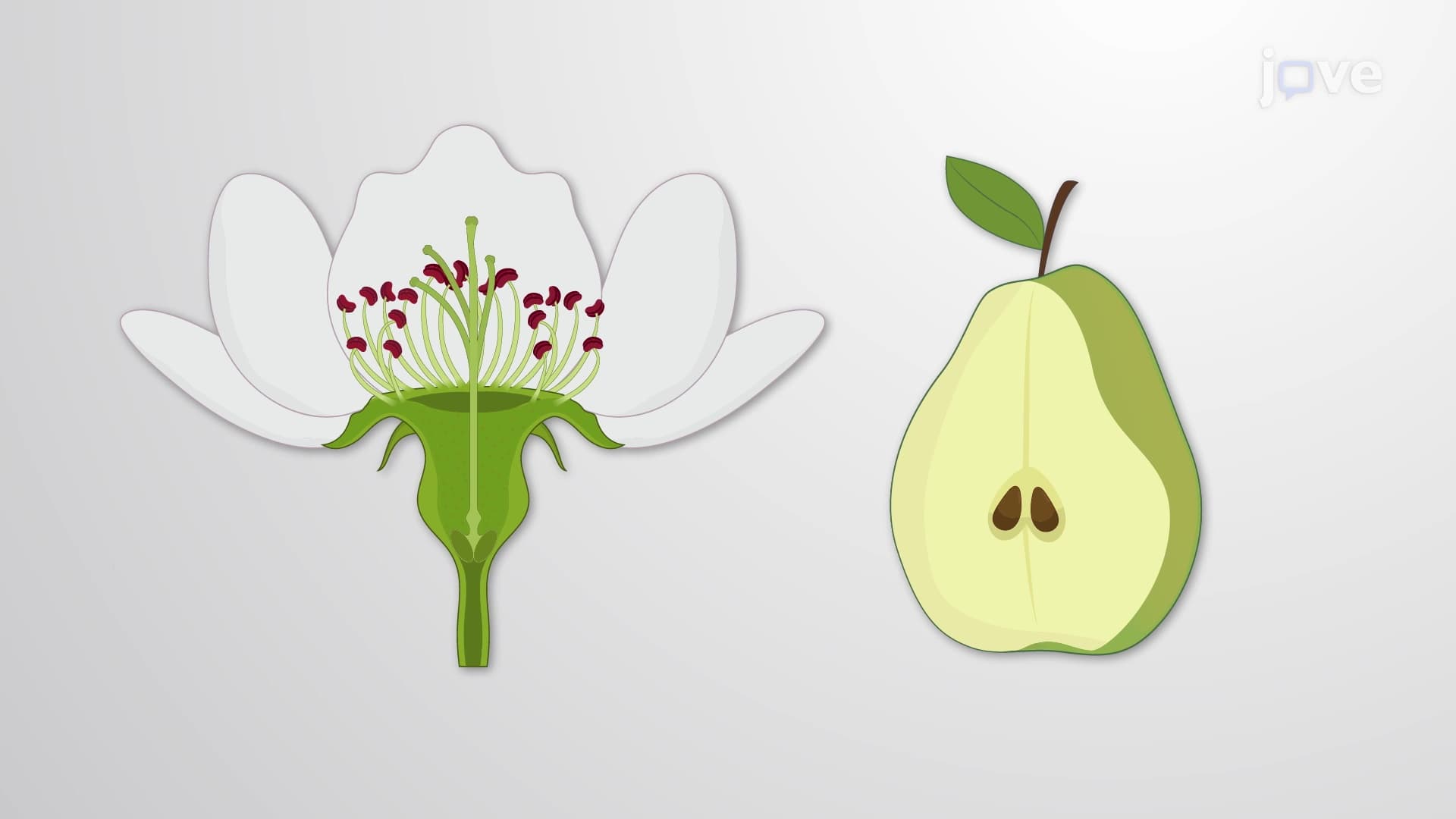
1. Flower Structure and Function in Sexual Reproduction Flowers serve as the reproductive organs of angiosperms, containing specialized structures for producing and transferring gametes. Sepals protect developing flower buds, while colorful petals attract pollinators like bees and butterflies. Stamens consist of anthers that produce pollen and filaments that position them strategically. Carpels contain ovaries with ovules where eggs develop, styles that guide pollen tubes, and sticky stigmas that capture pollen. American crops like corn, soybeans, and fruit trees rely on these structures for successful reproduction and agricultural productivity.
2. Pollination Mechanisms and Fertilization Processes Pollination transfers pollen from anthers to stigmas, enabling sperm to reach eggs for fertilization. Animal pollinators, particularly insects like honeybees, transfer pollen while collecting nectar, making them crucial for American agriculture. Wind pollination occurs in grasses and many tree species, while water pollination is rare. After pollen lands on stigmas, pollen tubes grow through styles to deliver sperm to ovules. Double fertilization creates both embryos and nutrient-rich endosperm, distinguishing angiosperms from other plant groups and ensuring successful seed development.
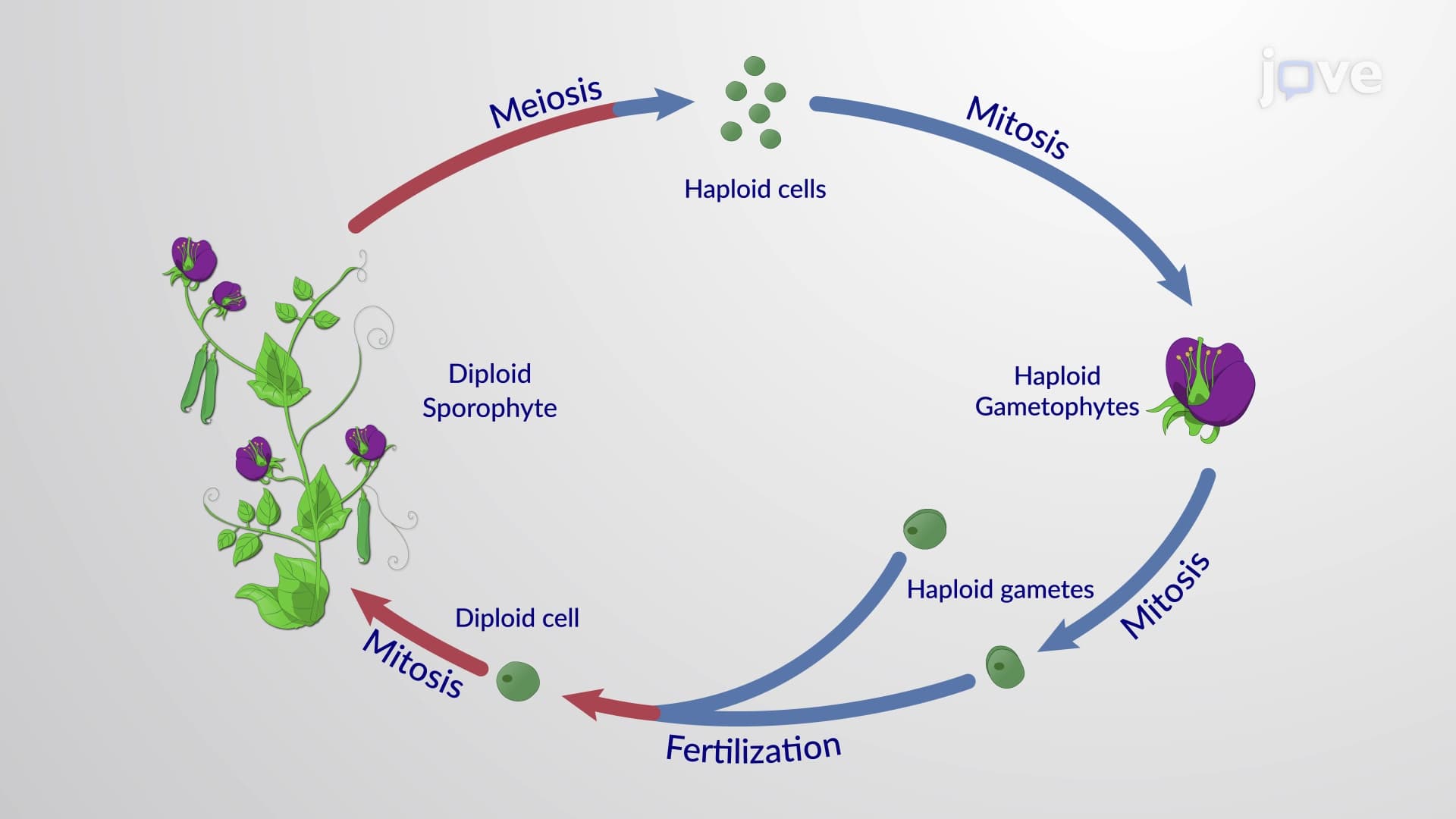
3. Angiosperm Life Cycle and Alternation of Generations The angiosperm life cycle alternates between diploid sporophyte and haploid gametophyte generations, with sporophytes being dominant and visible. Megasporocytes in ovules undergo meiosis to produce megaspores that develop into embryo sacs containing eggs. Microsporocytes in anthers produce microspores that become pollen grains with tube cells and generative cells. This complex cycle ensures genetic diversity through sexual reproduction while maintaining species-specific characteristics essential for crop breeding programs in American agriculture.
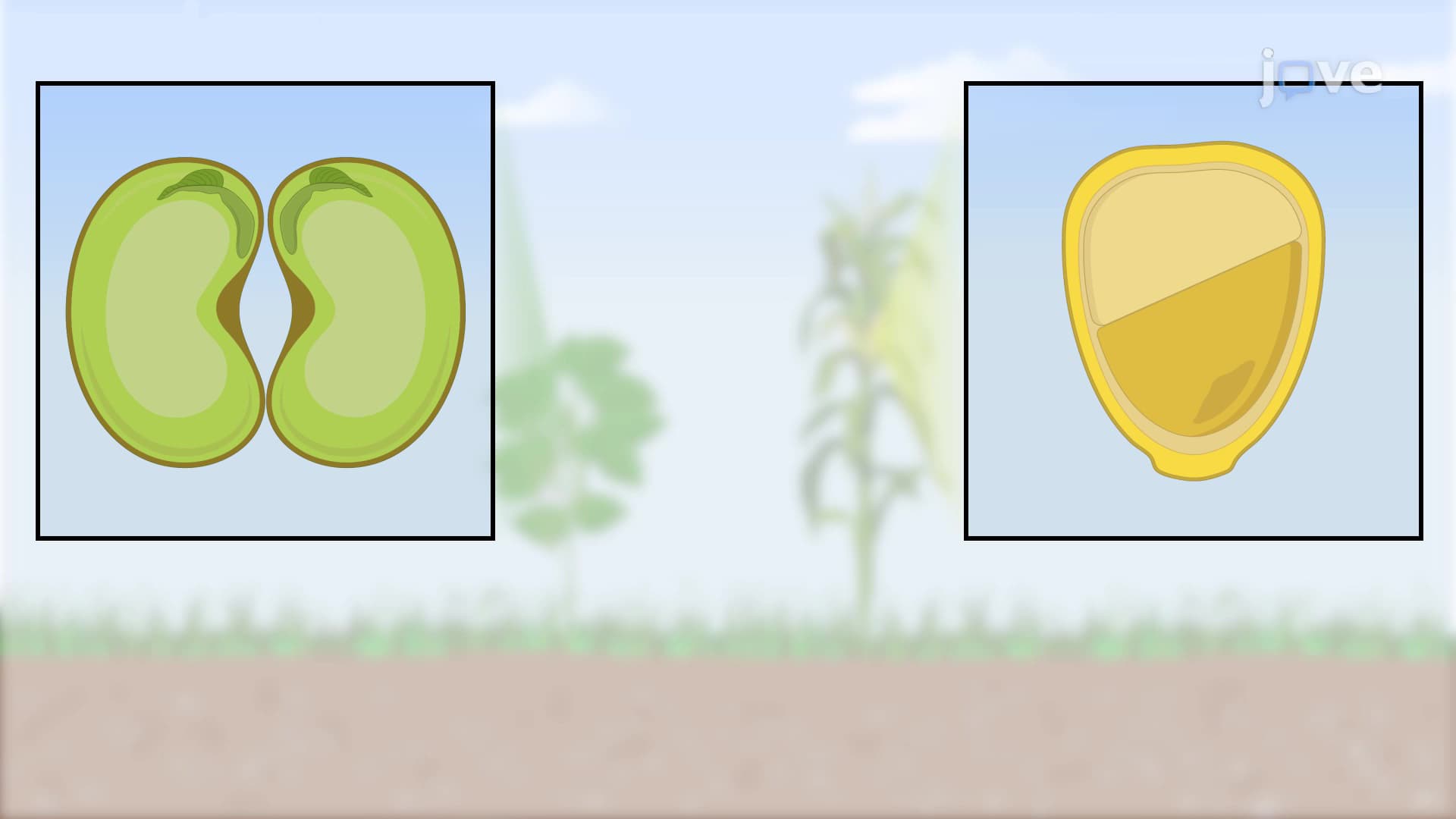
4. Seed Structure, Development, and Germination Seeds develop from fertilized ovules and contain embryos, food storage tissues, and protective seed coats. Monocot seeds like corn have single cotyledons called scutella that absorb nutrients from endosperm during germination. Dicot seeds like beans have two cotyledons that often store nutrients directly. The embryonic axis includes radicles that become roots, plumules that form shoots, and hypocotyls that connect these structures. Understanding seed biology helps farmers optimize planting conditions and crop establishment across diverse American growing regions.
5. Fruit Development and Seed Dispersal Strategies Fruits develop from fertilized flower ovaries and facilitate seed protection and dispersal. Simple fruits like cherries form from single carpels, while aggregate fruits like strawberries develop from multiple carpels within one flower. Multiple fruits like pineapples form from entire flower clusters. Fruit structures including epicarps, mesocarps, and endocarps provide varying degrees of protection and dispersal mechanisms. American fruit industries rely on understanding fruit development to optimize harvest timing, storage, and transportation of crops like apples, citrus, and berries.
6. Asexual Reproduction and Vegetative Propagation Plants reproduce asexually through natural and artificial methods that create genetically identical offspring. Vegetative propagation uses plant parts like potato eyes, strawberry runners, or tree cuttings to generate new individuals. Apomixis produces seeds without fertilization, allowing plants to maintain successful genetic combinations. Artificial methods include grafting wine grapes, layering fruit trees, and micropropagation of ornamental plants. These techniques are essential in American agriculture for maintaining desirable crop varieties and rapid plant multiplication.
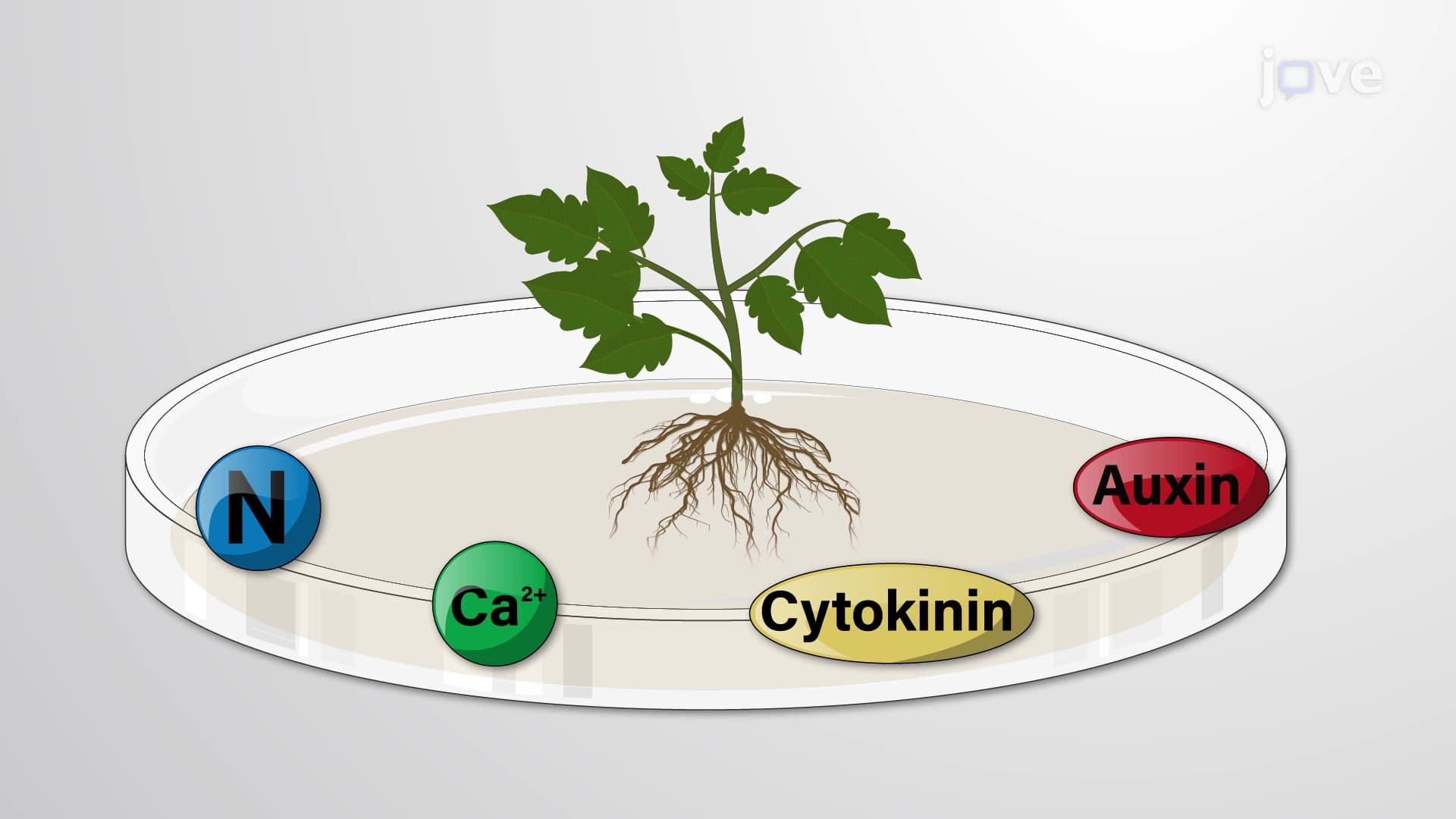
7. Plant Tissue Culture and Biotechnology Applications Plant tissue culture exploits totipotency, allowing small plant parts to regenerate entire organisms under controlled conditions. Callus culture creates undifferentiated cell masses that can be manipulated with hormones to produce specific plant parts. Meristem culture produces virus-free plants by using rapidly dividing shoot tips. These techniques enable mass production of uniform plants, genetic modification, and conservation of valuable varieties. American biotechnology companies use tissue culture for producing disease-free crops, developing genetically modified varieties, and preserving endangered plant species.
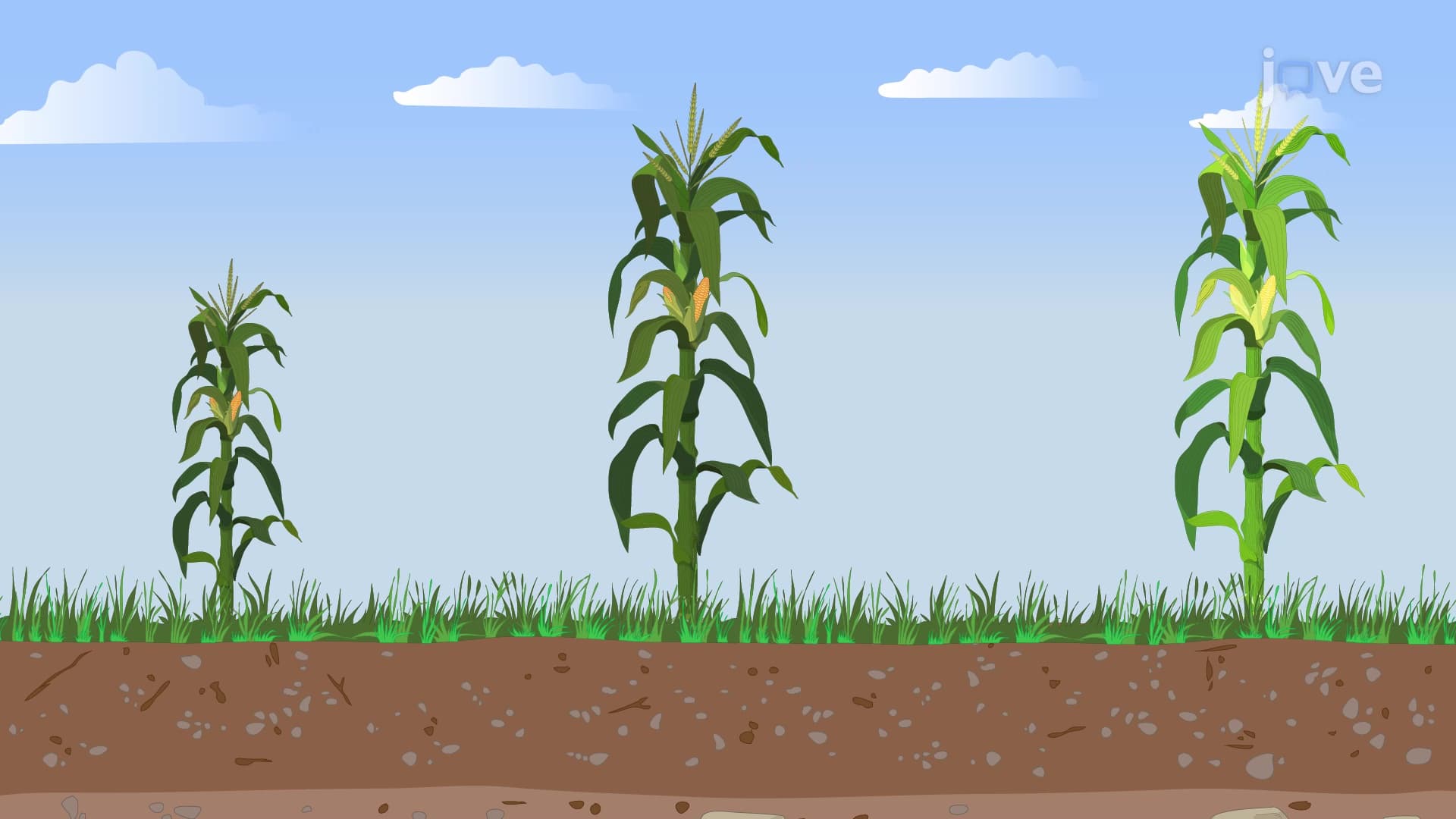
8. Modern Plant Breeding and Genetic Engineering Traditional plant breeding combines desirable traits through cross-pollination and selection over multiple generations, but modern biotechnology accelerates this process. Genetic engineering introduces specific genes between distantly related species, creating crops with enhanced traits like herbicide tolerance in corn and soybeans. Gene transfer bypasses natural breeding barriers and reduces development time from decades to years. American agriculture extensively uses genetically modified crops to increase yields, reduce pesticide use, and improve nutritional content, revolutionizing food production and farming practices.