Loading video…


 7 Concepts
 293.3K views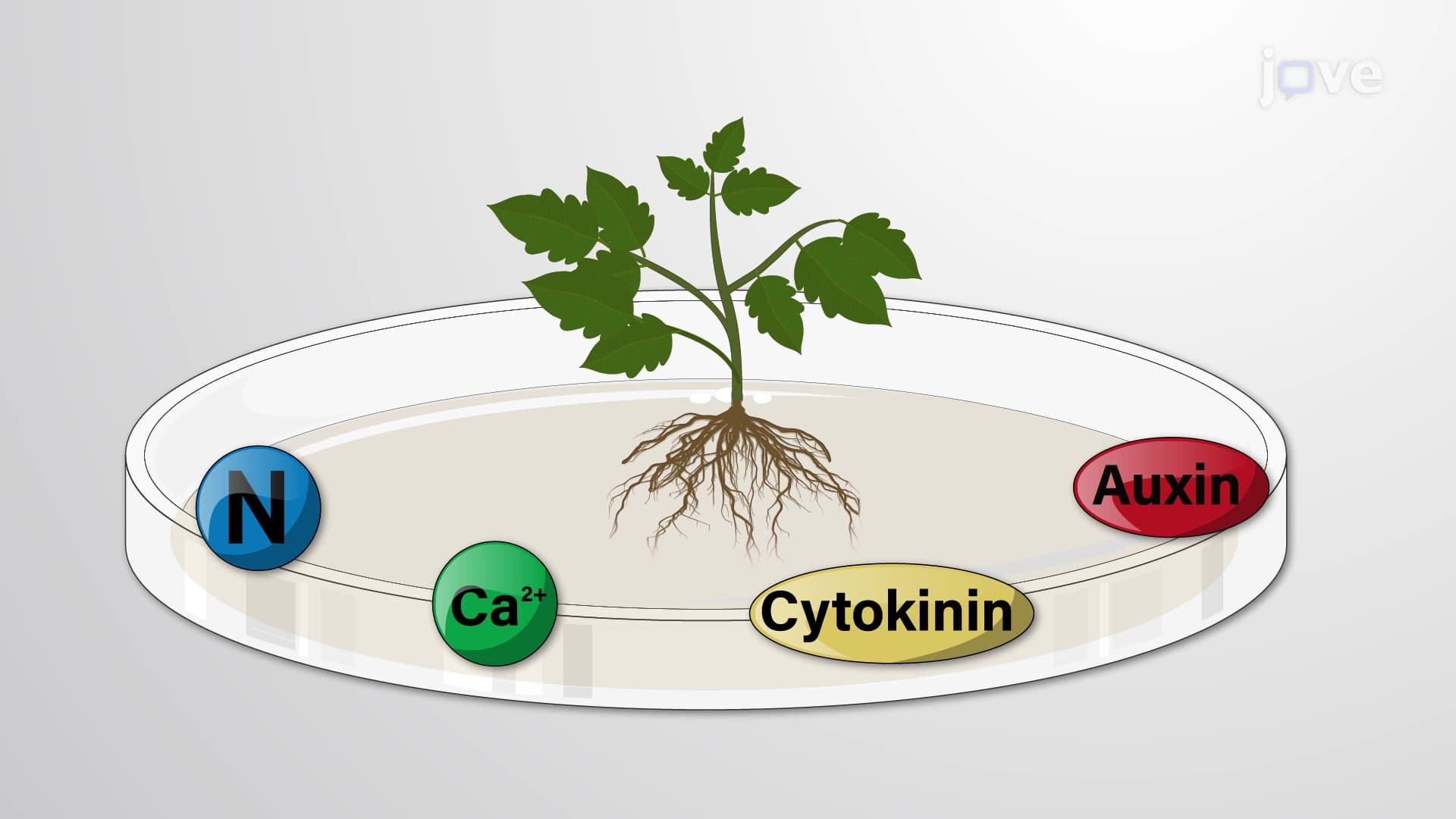

Video Summary: What Is Plant Tissue Culture
Did you know that scientists can grow an entire corn plant from just a tiny piece of leaf tissue? Plant tissue culture makes this remarkable feat possible by exploiting totipotency-the ability of plant cells to regenerate whole organisms. This revolutionary technique has transformed U.S. agriculture, enabling rapid production of disease-resistant crops like herbicide-tolerant corn varieties grown across American farms. What is plant tissue culture and how does it work at the cellular level? Watch the full video on JoVE Coach to master this concept with expert-led visuals and step-by-step explanations.
Plant tissue culture represents one of biotechnology's most powerful applications in agriculture and research. This technique harnesses the remarkable property of totipotency-the ability of individual plant cells to regenerate into complete, functional organisms when provided with appropriate nutrients and growth conditions. Unlike traditional breeding methods that require entire growing seasons and multiple generations, tissue culture can produce hundreds of identical plants in sterile laboratory conditions within weeks.
The plant tissue culture biology explained involves several distinct methodologies, each serving specific agricultural and research purposes. Callus culture begins with explants-small tissue samples from parent plants-placed on nutrient-rich growth media. Under controlled conditions, these explants undergo rapid cell division, forming an undifferentiated mass called callus tissue. This callus serves as the foundation for regenerating complete plants.
Meristem culture focuses specifically on shoot tip tissues, which contain rapidly dividing meristematic cells. This technique proves invaluable for producing virus-free plants, as viral particles rarely penetrate the actively growing shoot tips. Major U.S. agricultural companies like Monsanto and DowDuPont have utilized meristem culture to maintain clean breeding lines of crops like soybeans and cotton.
The success of plant tissue culture depends heavily on precise manipulation of plant growth regulators, particularly auxins and cytokinins. These hormones work in specific ratios to control cellular differentiation:
Understanding these hormonal interactions becomes crucial for students preparing for AP Biology exams, where plant hormone functions frequently appear in free-response questions. College-level botany courses at institutions like UC Davis and Cornell University emphasize these regulatory mechanisms as fundamental to plant development.
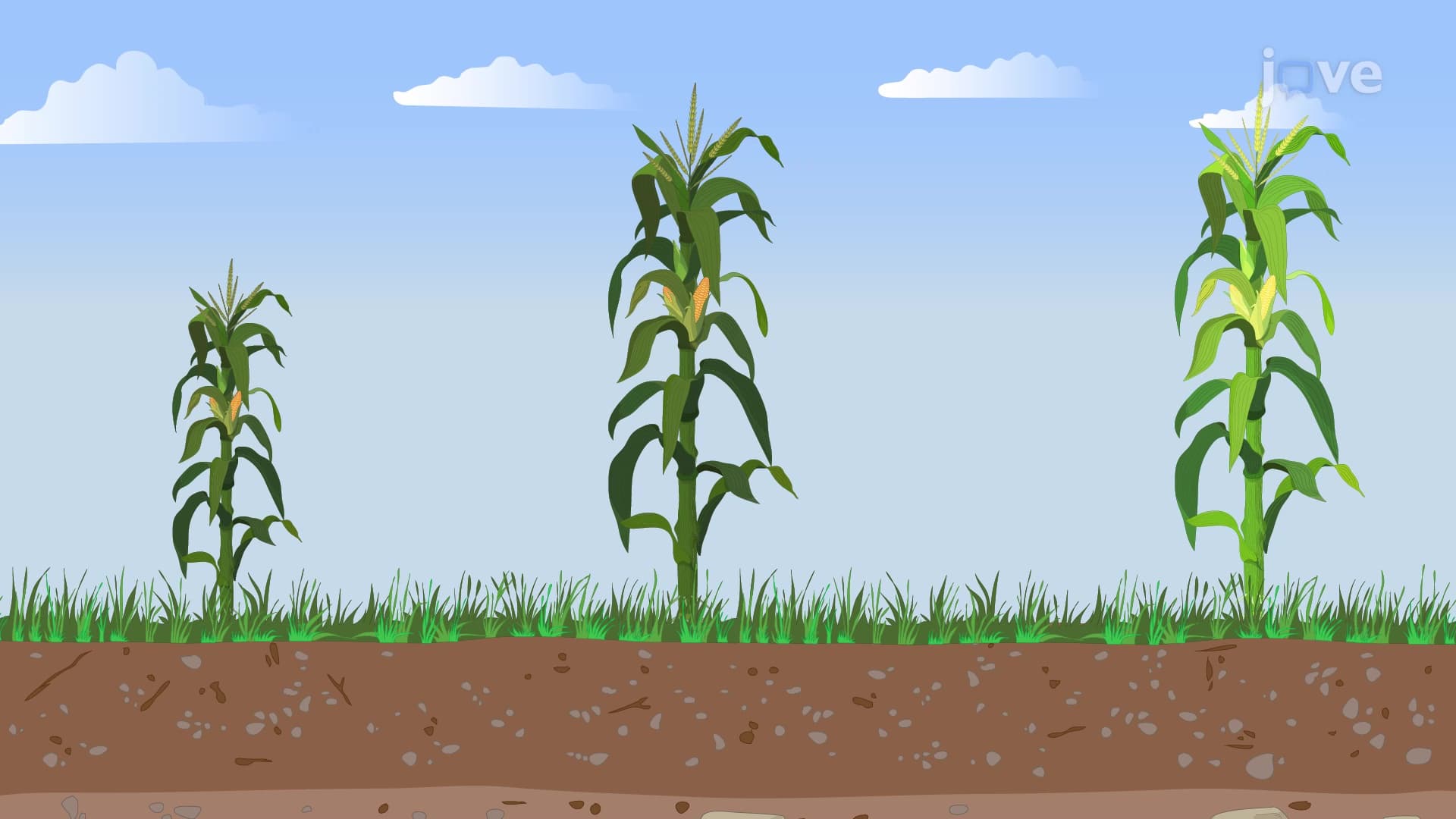
Plant tissue culture has revolutionized American agriculture through genetic modification programs. Herbicide-tolerant corn, developed through tissue culture techniques, now covers over 90% of U.S. corn acreage according to USDA statistics. Similarly, tissue culture enables rapid propagation of fruit varieties like California's Hass avocados and Florida's citrus cultivars, maintaining genetic uniformity across commercial orchards.
Beyond genetic modification, tissue culture supports conservation efforts for endangered plant species and facilitates rapid multiplication of superior breeding lines. This technology proves essential for meeting increasing food demands while maintaining crop quality and disease resistance.
Related Micro-courses