Loading video…


 7 Concepts
 293.3K views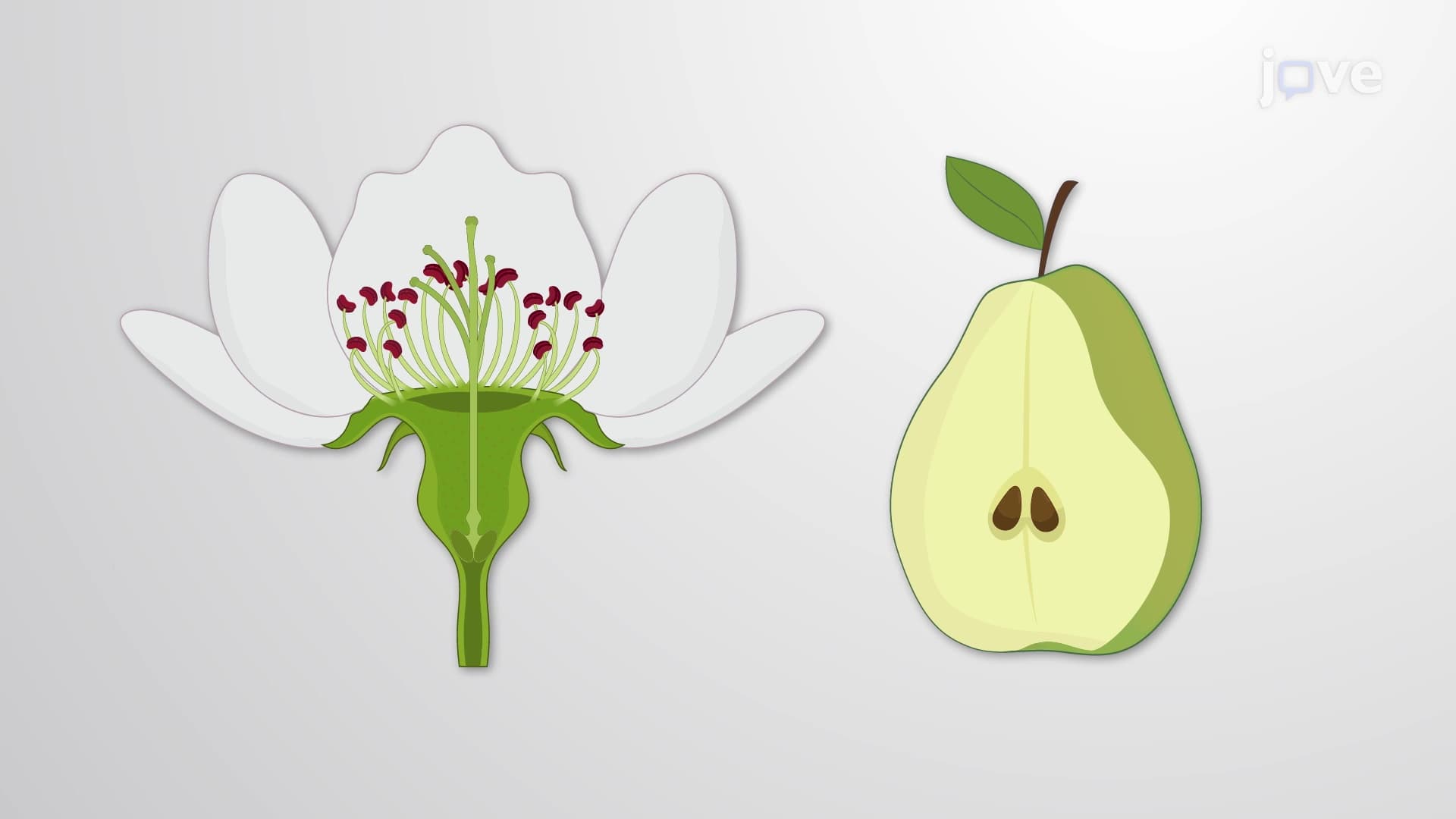

Video Summary: Fruit Development Structure and Function Explained
Why do apple trees invest so much energy creating sweet, colorful fruits that animals eagerly consume? Fruit development structure and function represents one of nature's most successful evolutionary strategies, where plants create elaborate protective structures around their seeds to ensure species survival. From the familiar peach orchards of Georgia to California's vast citrus groves, understanding Fruit Development Structure And Function Explained reveals how flowering plants have mastered seed protection and dispersal through complex anatomical adaptations. Watch the full video on JoVE Coach to master this concept with expert-led visuals and step-by-step explanations.
The transformation of a flower's ovary into a mature fruit represents one of the most sophisticated developmental processes in plant biology. This remarkable metamorphosis begins immediately following fertilization, when hormonal cascades trigger fundamental changes in cellular structure and metabolism. Unlike simple growth processes, fruit development involves coordinated changes across multiple tissue layers, each serving distinct protective and dispersal functions.
The pericarp, derived from the ovary wall, demonstrates extraordinary architectural complexity through its three-layer organization. The epicarp forms the fruit's outer protective barrier, often developing waxy coatings or tough surfaces that resist pathogen invasion and moisture loss. California's naval oranges exemplify this protective strategy with their thick, oil-rich peels that preserve internal tissues during extended storage and transport.
The mesocarp represents the fruit's primary energy storage compartment, accumulating sugars, organic acids, and nutrients that make fruits attractive to dispersal agents. In Georgia peaches, the mesocarp's cellular structure creates the characteristic juicy texture through specialized parenchyma cells that store water and dissolved compounds. The endocarp provides the final protective layer around developing seeds, ranging from papery structures in citrus fruits to the incredibly hard stone found in drupes like cherries from Michigan orchards.
Understanding fruit classification requires examining carpel organization within flowers. Simple fruits develop from single carpels or fused carpels within individual flowers, creating structures like tomatoes (technically berries) grown extensively in Florida's agricultural regions. Aggregate fruits, such as blackberries cultivated in Oregon, form when multiple separate carpels within single flowers develop into clustered fruit units.
Multiple fruits result from entire flower clusters (inflorescences) fusing during development, exemplified by pineapples grown in Hawaii's tropical plantations. Accessory fruits involve non-ovary tissues in fruit formation, as seen in Washington State apples where the receptacle tissue creates the edible portion while true fruits remain confined to the core.
These concepts appear frequently in AP Biology examinations, particularly in questions about plant reproduction and evolutionary adaptations. MCAT preparation materials emphasize fruit development when testing botanical knowledge within biological systems contexts. College-level botany courses at institutions like UC Davis and Cornell University use fruit development as case studies for understanding plant developmental biology, hormone regulation, and evolutionary ecology. Students preparing for graduate programs in plant sciences must master these concepts for comprehensive examinations and research applications in agricultural biotechnology and crop improvement programs.
Related Micro-courses