Loading concepts…


8 Concepts
21 Concepts
9 Concepts
16 Concepts
16 Concepts
14 Concepts
15 Concepts
14 Concepts
7 Concepts
9 Concepts
5 Concepts
19 Concepts
13 Concepts
12 Concepts
15 Concepts
7 Concepts
8 Concepts
11 Concepts
12 Concepts
11 Concepts
6 Concepts
8 Concepts
8 Concepts
9 Concepts
8 Concepts
10 Concepts
12 Concepts
12 Concepts
11 Concepts
5 Concepts
4 Concepts
5 Concepts
7 Concepts
21 Concepts
7 Concepts
8 Concepts
 7 Concepts
 326.6K Views
 Popular topics
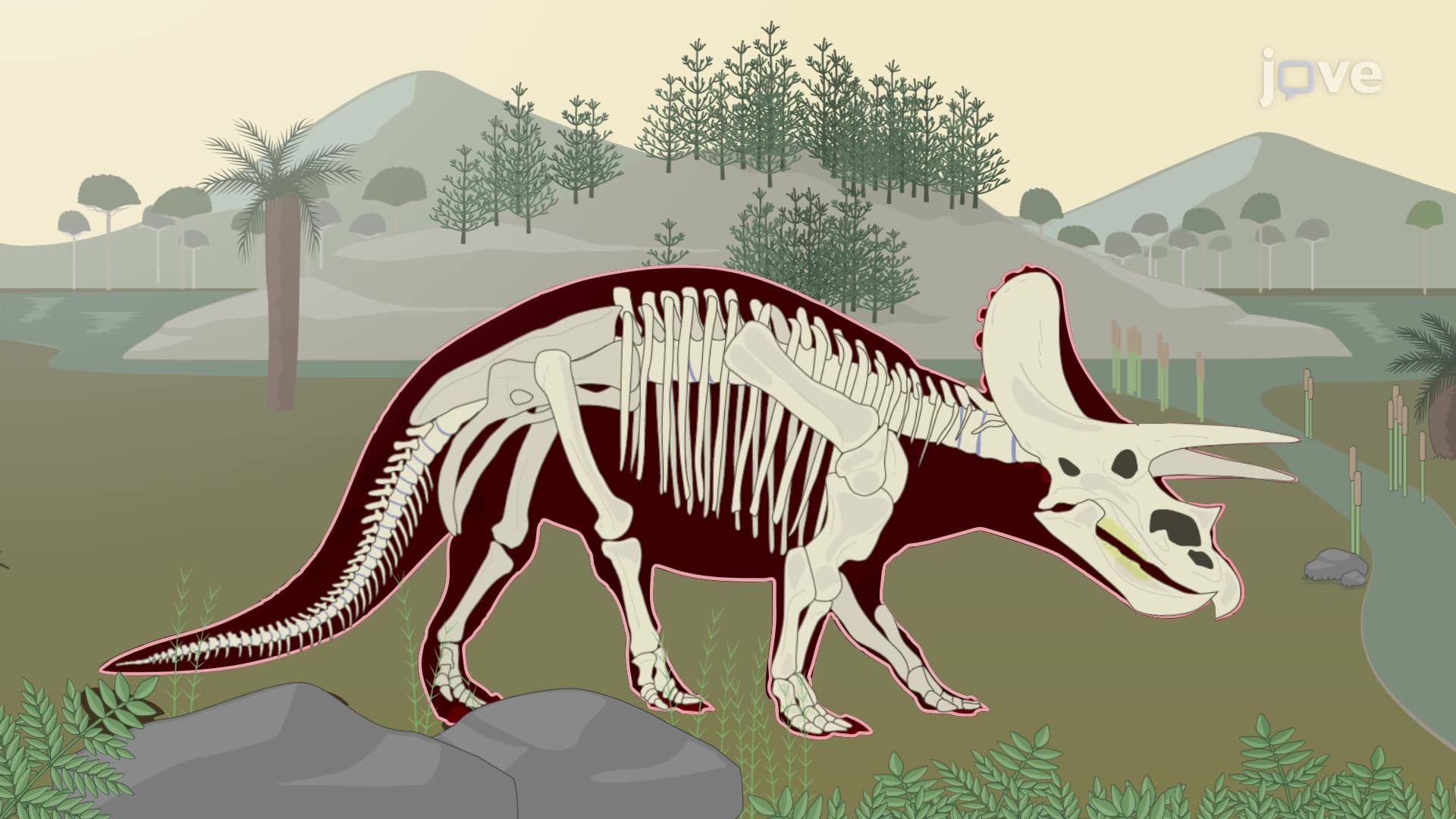

Evolutionary history traces the 4-billion-year journey of life on Earth, from early prokaryotes to complex multicellular organisms. This JoVE Coach micro-course explores how scientists reconstruct evolutionary relationships using phylogenetic tree biology and fossil evidence. Students examine the colonization of land, convergent evolution patterns, and methods for tracing the evolutionary history of life through molecular and morphological data analysis-essential knowledge for AP Biology, MCAT preparation, and understanding biodiversity in American ecosystems.
1. Phylogenetic Tree Construction and Analysis Phylogenetic trees serve as evolutionary roadmaps, illustrating relationships among species through branching diagrams based on shared ancestry. Scientists construct these trees using molecular data (DNA sequences) and morphological characteristics, employing methods like maximum likelihood and Bayesian inference. The molecular clock hypothesis helps estimate divergence times between species. For example, phylogenetic analysis reveals that whales share a more recent common ancestor with terrestrial mammals like humans rather than with fish, despite their aquatic lifestyle. Understanding tree topology, node interpretation, and branch lengths is crucial for interpreting evolutionary relationships in cladistics.
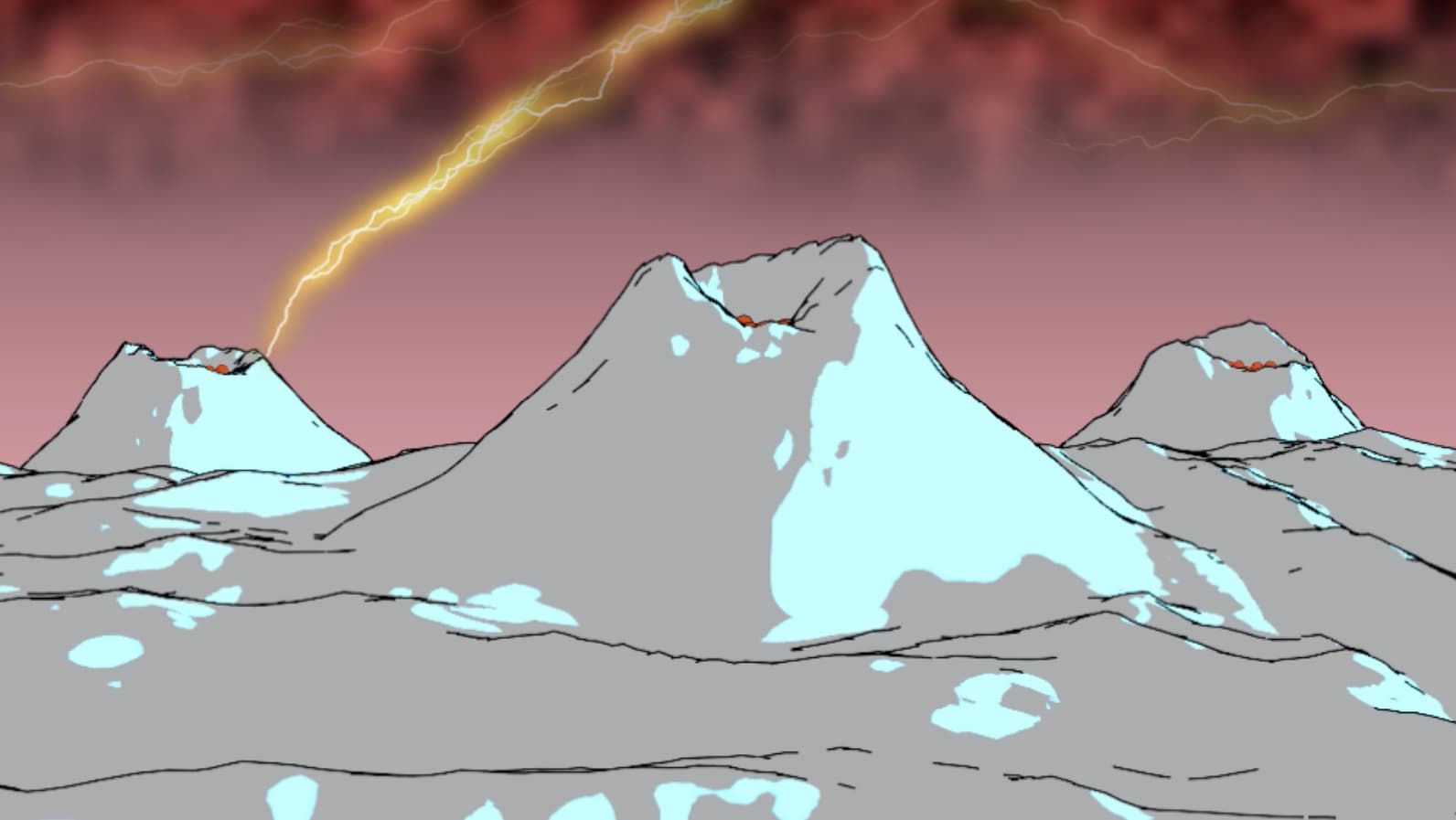
2. Early Earth Conditions and Life's Origins Earth's primordial atmosphere, rich in methane, ammonia, and water vapor, created a reducing environment conducive to organic molecule formation. The famous Miller-Urey experiment demonstrated how lightning and UV radiation could synthesize amino acids and nucleotides under early Earth conditions. Hydrothermal vents provided energy sources for chemical reactions leading to complex organic compounds. These conditions supported the RNA world hypothesis, suggesting RNA molecules were among the first self-replicating entities. Understanding these foundational environments helps explain how life transitioned from simple organic molecules to complex cellular organisms over billions of years.
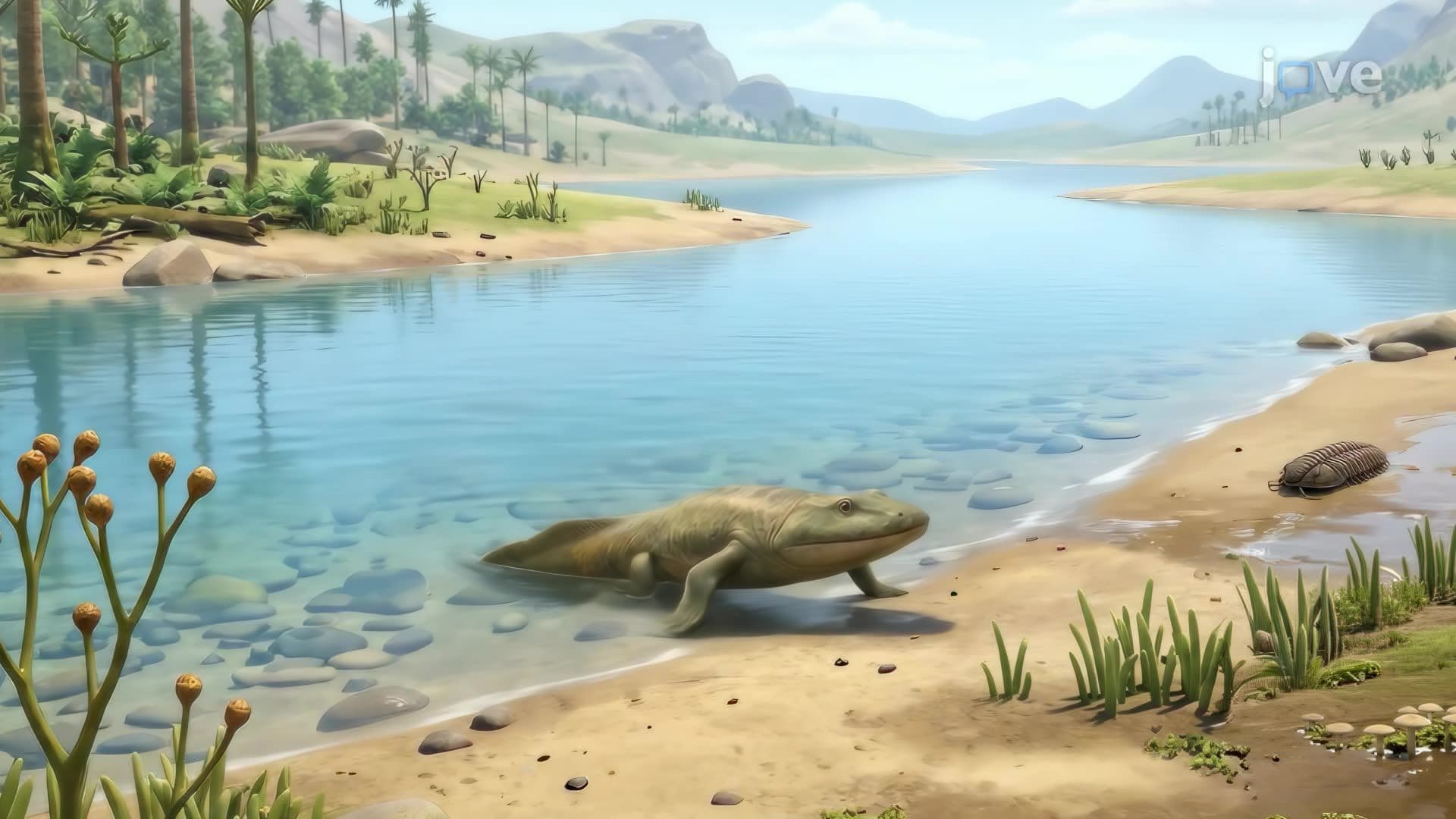
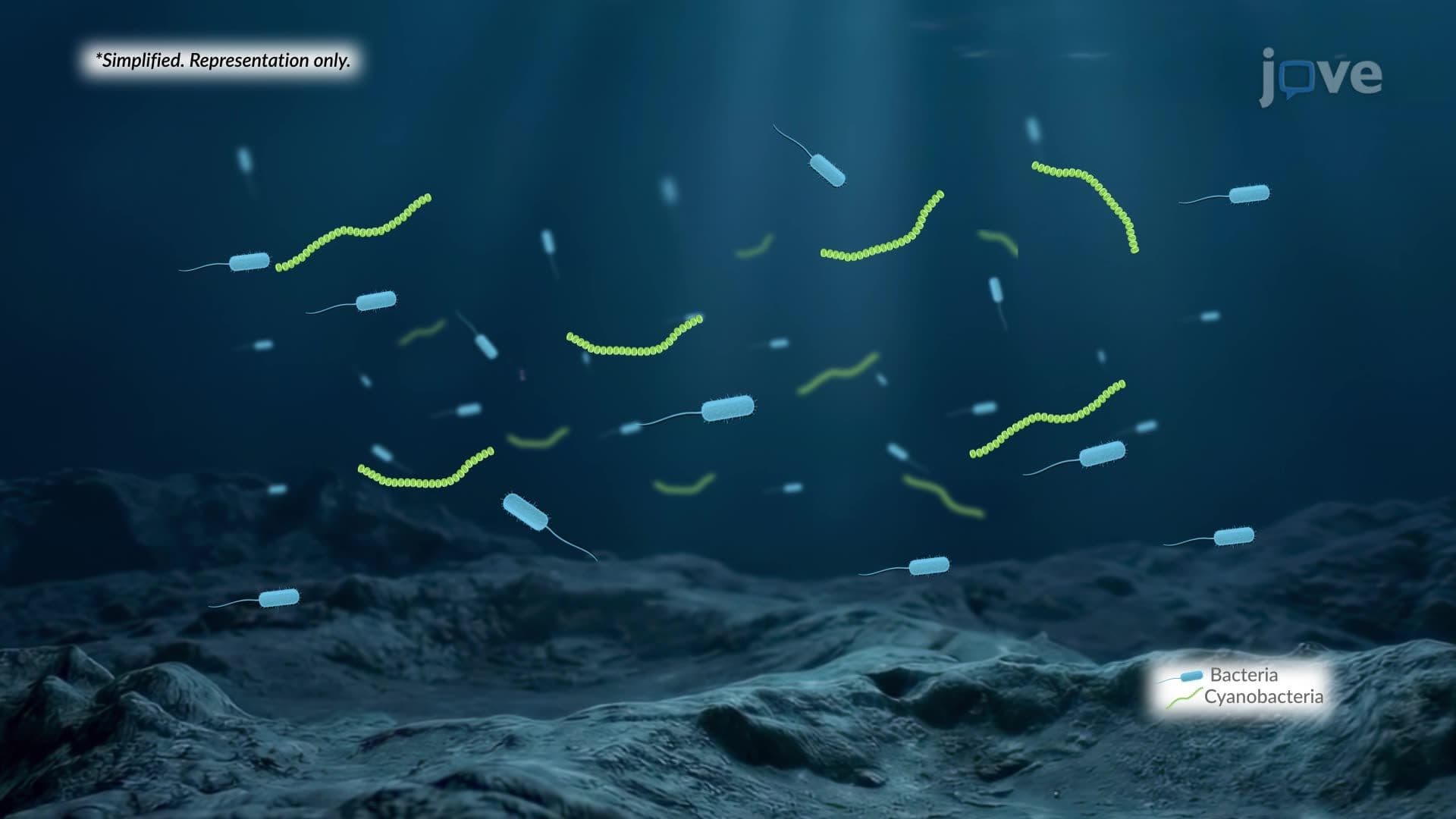
3. Terrestrial Colonization and Evolutionary Adaptations The colonization of land represents a major evolutionary milestone, beginning with photosynthetic prokaryotes over 2 billion years ago. Multicellular plants and fungi evolved crucial adaptations including waxy cuticles to prevent water loss, vascular tissues for transport, and specialized cells for different functions. Arthropods became the first animals to colonize land around 450 million years ago, followed by tetrapods with four limbs around 400 million years ago. These transitions required innovations like lungs for gas exchange, internal skeletons for support, and reproductive strategies independent of aquatic environments. The sequential colonization created new ecological niches and food webs.
4. Fossil Record and Dating Methods The fossil record provides direct evidence of evolutionary history through preserved remains, tracks, and imprints in sedimentary rocks. Stratigraphy allows relative dating based on rock layer positions, while radiometric dating using isotopes like carbon-14 provides absolute ages. Despite being incomplete due to preservation biases favoring hard tissues over soft tissues, fossils document major evolutionary events including mass extinctions and adaptive radiations. American fossil sites like the Burgess Shale and La Brea Tar Pits have revealed crucial evolutionary transitions. Taphonomy studies how organisms become fossilized, explaining gaps in the fossil record.
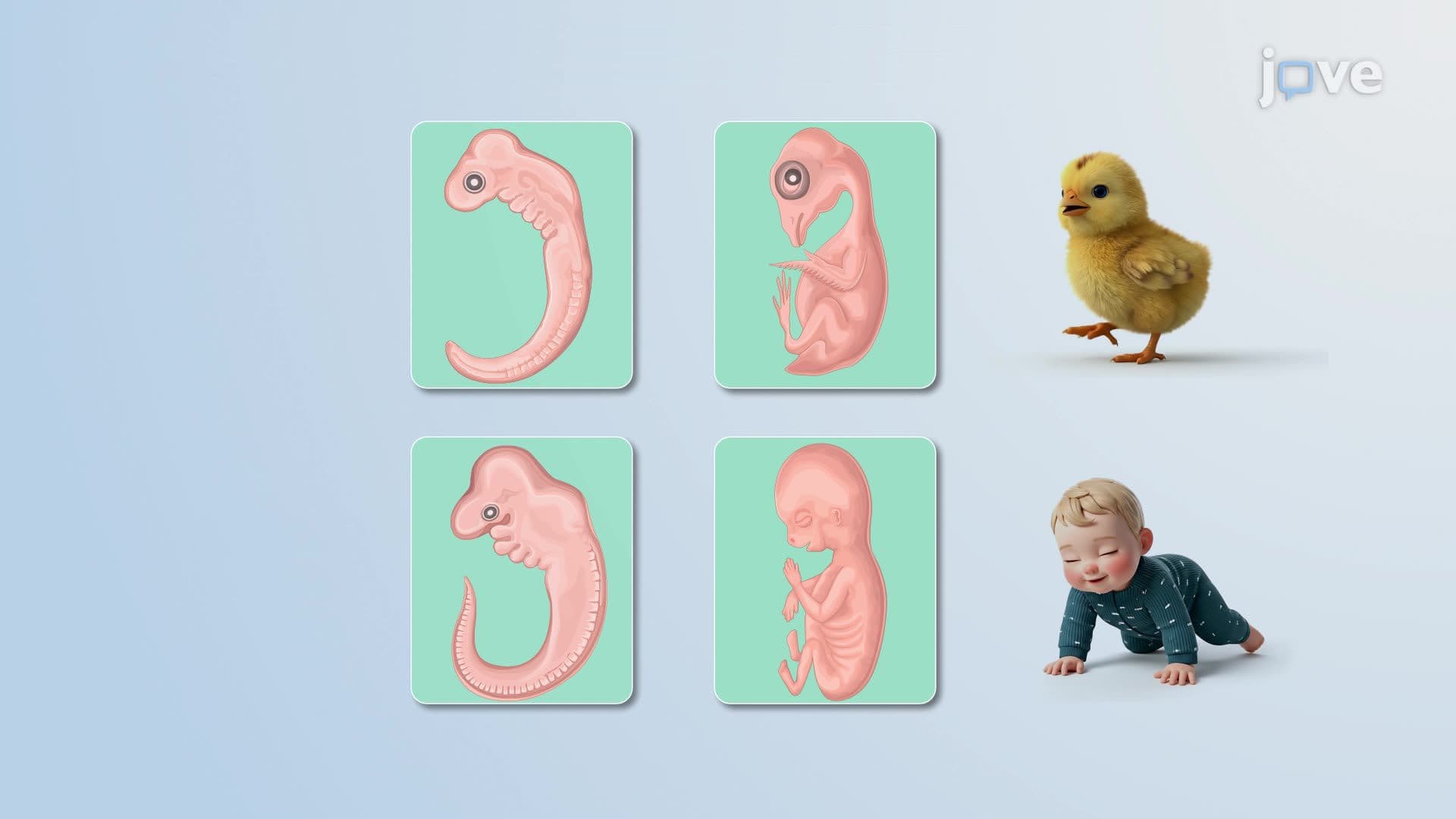
5. Evidence for Evolution from Multiple Disciplines Evolution is supported by convergent evidence from comparative anatomy, embryology, molecular biology, and biogeography. Homologous structures like tetrapod forelimbs reveal common ancestry, while embryological similarities among vertebrates support shared developmental programs. DNA sequence comparisons provide molecular evidence for relatedness, with more similar sequences indicating closer evolutionary relationships. Biogeographical patterns, exemplified by Darwin's finches in the Galápagos, demonstrate speciation through geographic isolation. Antibiotic resistance in bacteria provides observable evolution in real-time, occurring within days due to large population sizes and short generation times.
6. Convergent Evolution and Analogous Structures Convergent evolution produces similar traits in unrelated lineages facing comparable environmental pressures. Classic examples include flight in bats and birds, which evolved independently from terrestrial ancestors. Despite functional similarities, bat wings use elongated finger bones supporting skin membranes, while bird wings feature fused hand bones with feathers. Similarly, whales and fish have streamlined bodies and fins for aquatic locomotion, yet whales are mammals that breathe air and nurse offspring. These analogous structures demonstrate how environmental constraints shape evolutionary solutions, while phylogenetic analysis reveals true relationships through homologous characteristics reflecting common ancestry.