8 Concepts
21 Concepts
9 Concepts
16 Concepts
16 Concepts
14 Concepts
15 Concepts
14 Concepts
7 Concepts
9 Concepts
5 Concepts
19 Concepts
13 Concepts
12 Concepts
15 Concepts
7 Concepts
8 Concepts
11 Concepts
12 Concepts
11 Concepts
6 Concepts
8 Concepts
8 Concepts
9 Concepts
8 Concepts
10 Concepts
12 Concepts
12 Concepts
11 Concepts
5 Concepts
4 Concepts
5 Concepts
7 Concepts
21 Concepts
7 Concepts
8 Concepts

Biodiversity and conservation represent critical concepts in environmental science, encompassing species diversity, habitat preservation, and ecosystem management strategies. This comprehensive course explores how climate change, habitat fragmentation, and human activities threaten biodiversity while examining conservation biology strategies that protect endangered species and maintain ecosystem health. Students will analyze real-world conservation successes like the Yellowstone wolf reintroduction and Florida panther recovery programs. Through JoVE Coach, master the interconnected relationships between weather patterns, climate systems, and biodiversity conservation efforts essential for sustainable development.
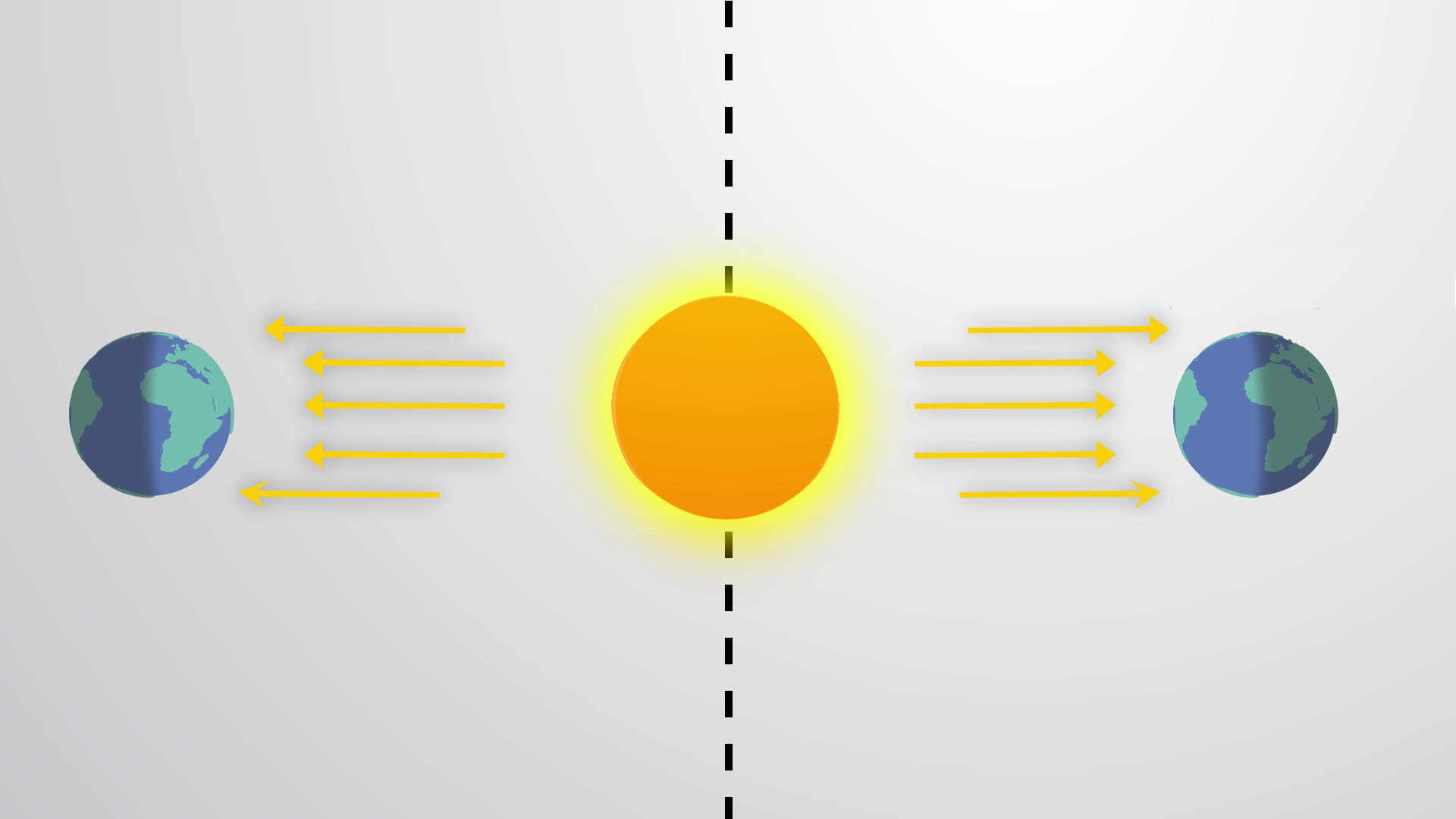
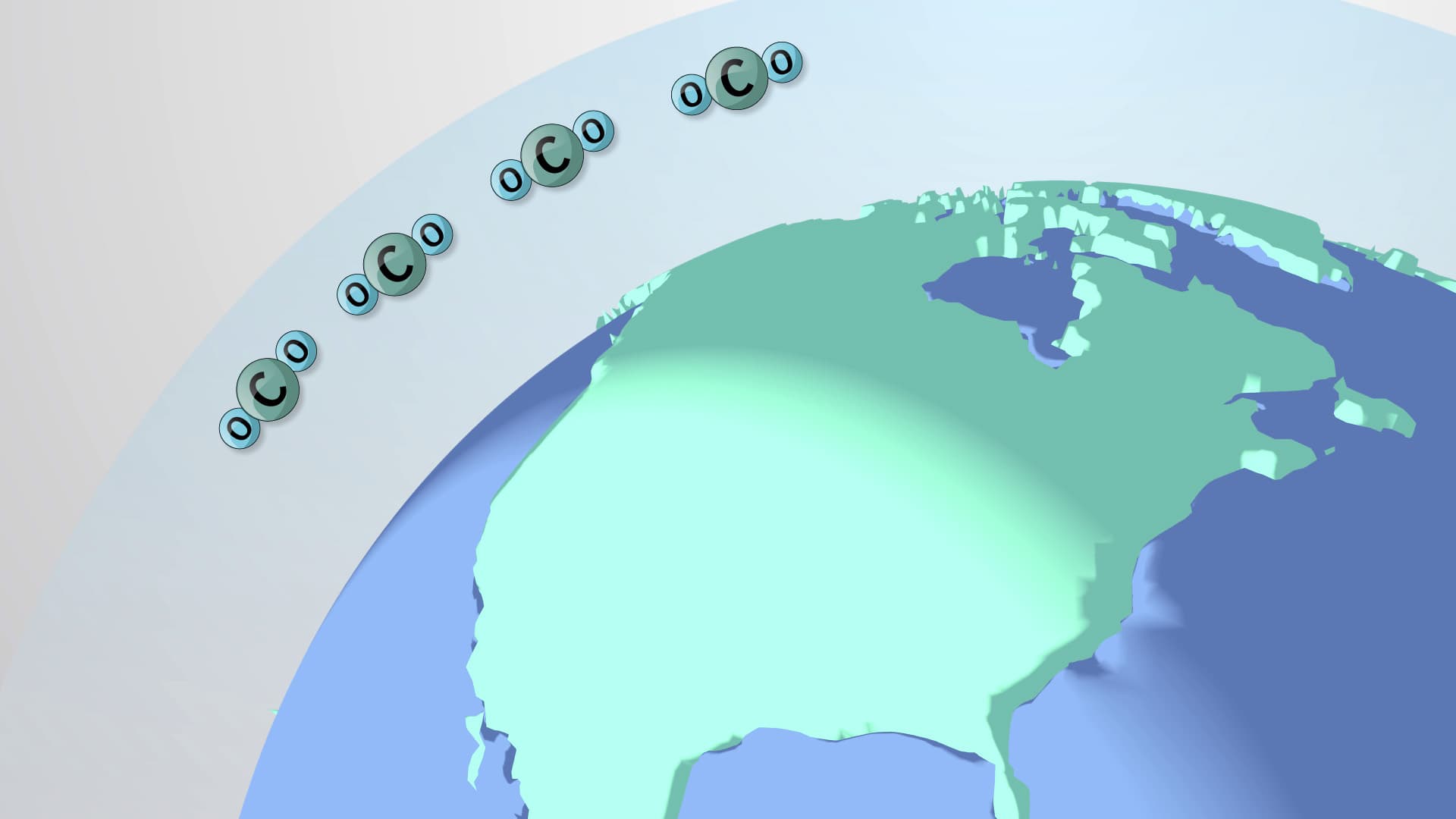
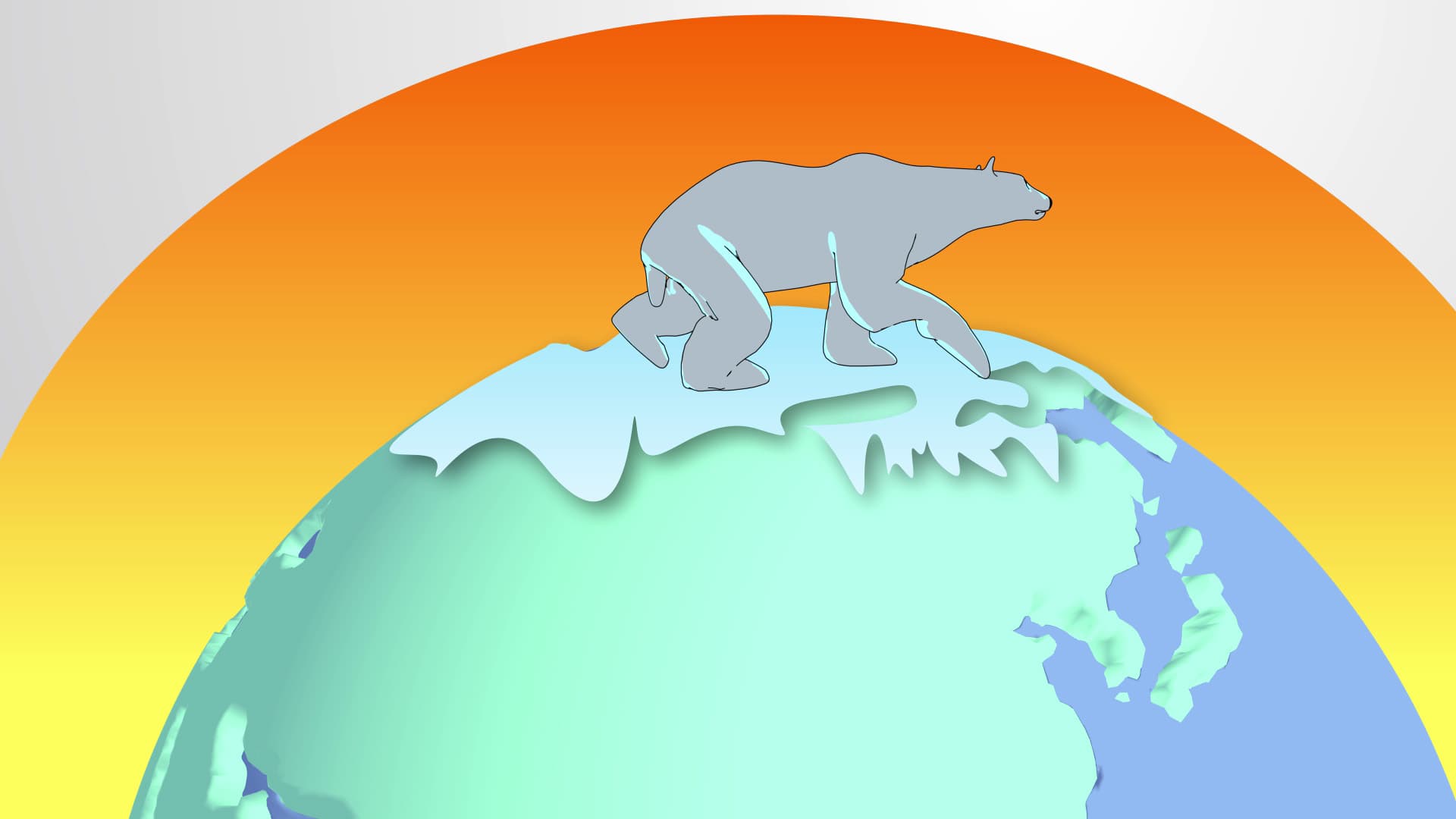
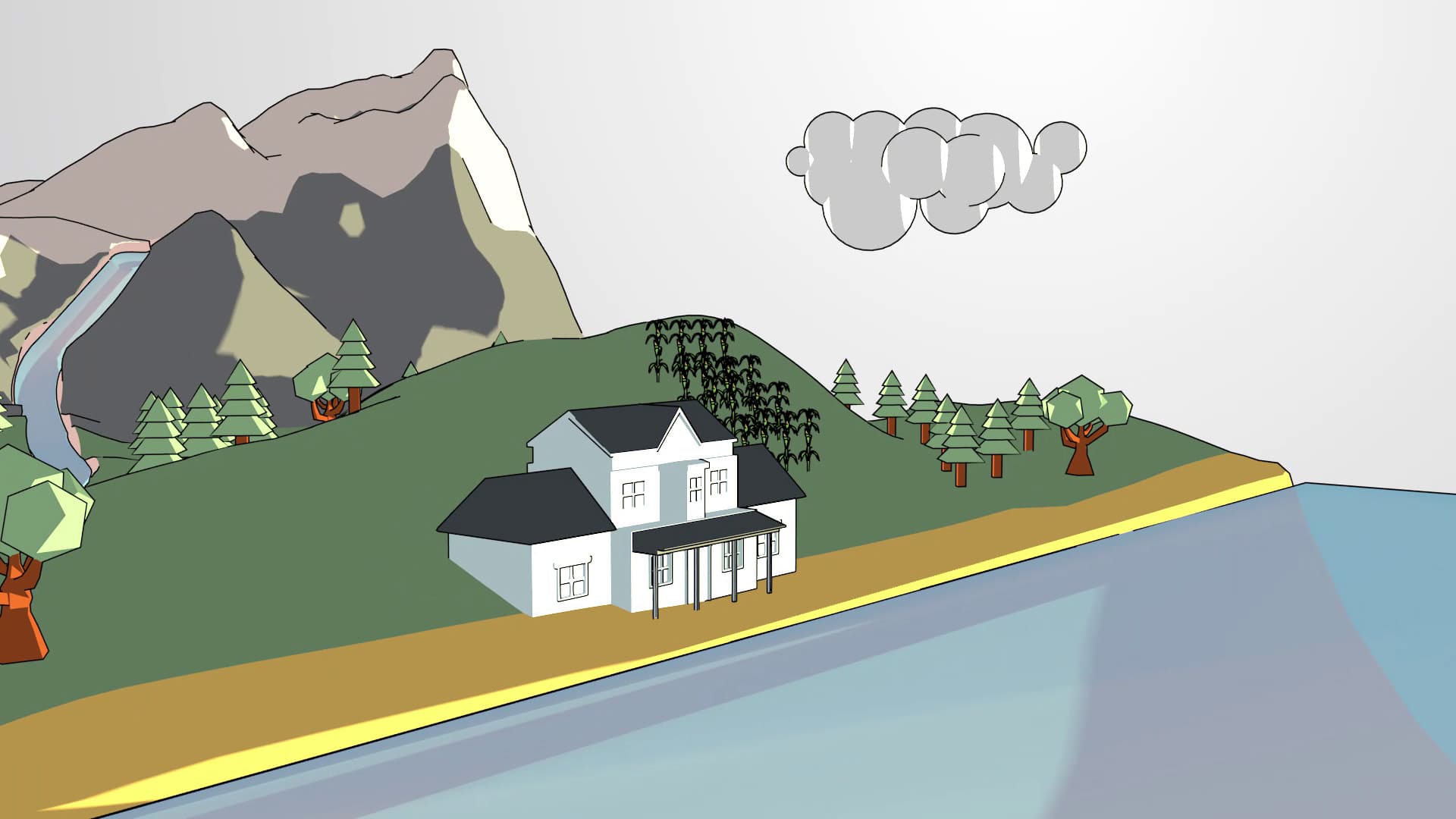
1. Weather vs. Climate Systems and Global Patterns Understanding atmospheric conditions requires distinguishing between short-term weather fluctuations and long-term climate patterns. Weather involves daily atmospheric changes driven by solar energy, convection currents, and pressure variations, while climate describes decades-long atmospheric conditions influenced by latitude, terrain, and water bodies. The Andes Mountains creating South America's Atacama Desert exemplifies how geographic features shape regional climates. Global climate change, accelerated by greenhouse gas emissions from fossil fuel combustion, disrupts traditional patterns through rising temperatures, melting polar ice caps, and altered precipitation cycles affecting species migration and breeding patterns.
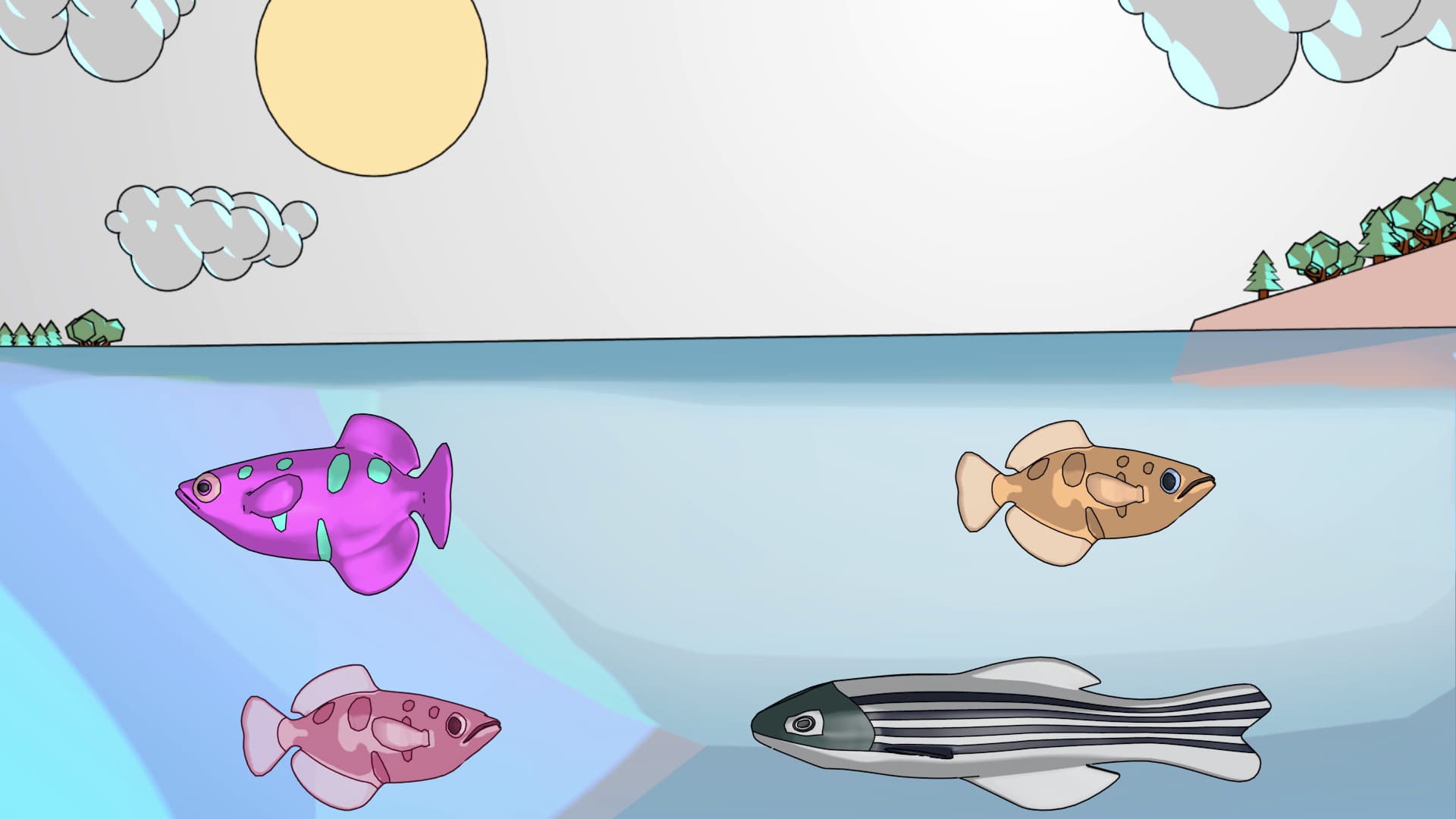
2. Biodiversity Components and Ecological Importance Biodiversity encompasses multiple dimensions beyond simple species counts, including genetic diversity within populations, species abundance, and ecosystem functionality. A lake ecosystem demonstrates this complexity through different fish species occupying distinct ecological niches as surface feeders, predators, algae scrapers, and bottom scavengers. Genetic diversity within populations ensures species resilience against diseases and environmental changes, while ecosystem diversity supports multiple species interactions. Coral reef systems illustrate interconnected biodiversity, where coral loss from climate change cascades through fish, invertebrate, and plant communities, demonstrating why biodiversity matters for ecosystem health.
3. Human Values and Economic Benefits of Biodiversity Biodiversity provides essential ecosystem services supporting human welfare, health, and economic prosperity. Pharmaceutical discoveries from plant secondary compounds and animal venoms have produced treatments for chronic pain and hypertension, while agricultural biodiversity from selective breeding has created diverse crop varieties with improved yields and disease resistance. Clean water and air filtration by diverse ecosystems support human health, with indicator species like frogs and lichens signaling environmental quality. Ecotourism generates significant revenue from natural areas, while cultural connections to wildlife create moral imperatives for conservation efforts.
4. Major Threats to Global Biodiversity The sixth mass extinction, driven primarily by human activities, poses unprecedented challenges to global biodiversity. Habitat destruction from deforestation and agricultural expansion forces species into smaller, fragmented ranges with limited resources. Overexploitation of species for food and medicine exceeds reproductive capacity, while invasive species introduction disrupts native ecosystems through competition and predation. Climate change from greenhouse gas emissions alters temperature and precipitation patterns, reducing suitable habitat ranges and disrupting seasonal behaviors. These interconnected threats require comprehensive conservation biology strategies addressing multiple stressors simultaneously.
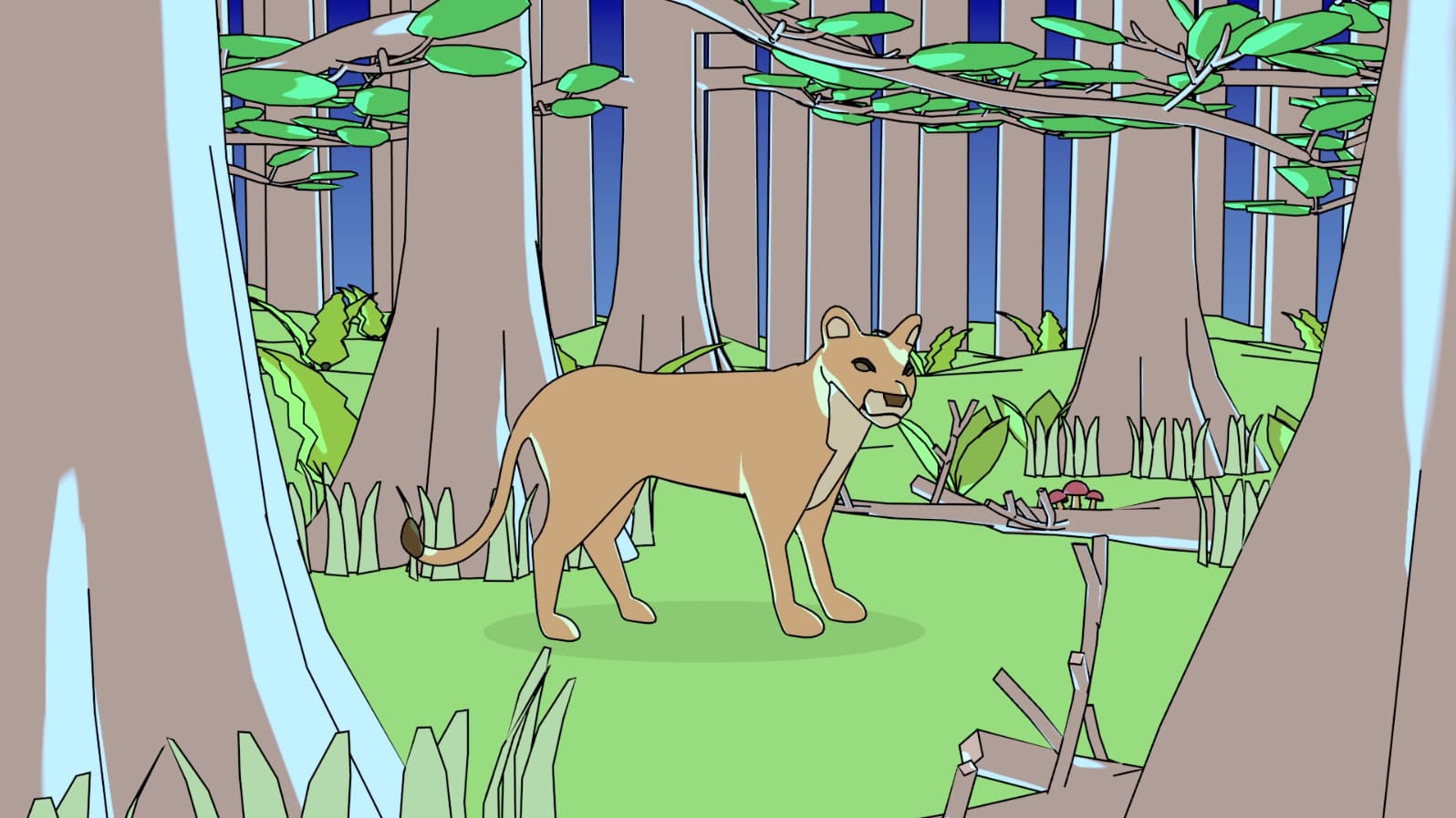
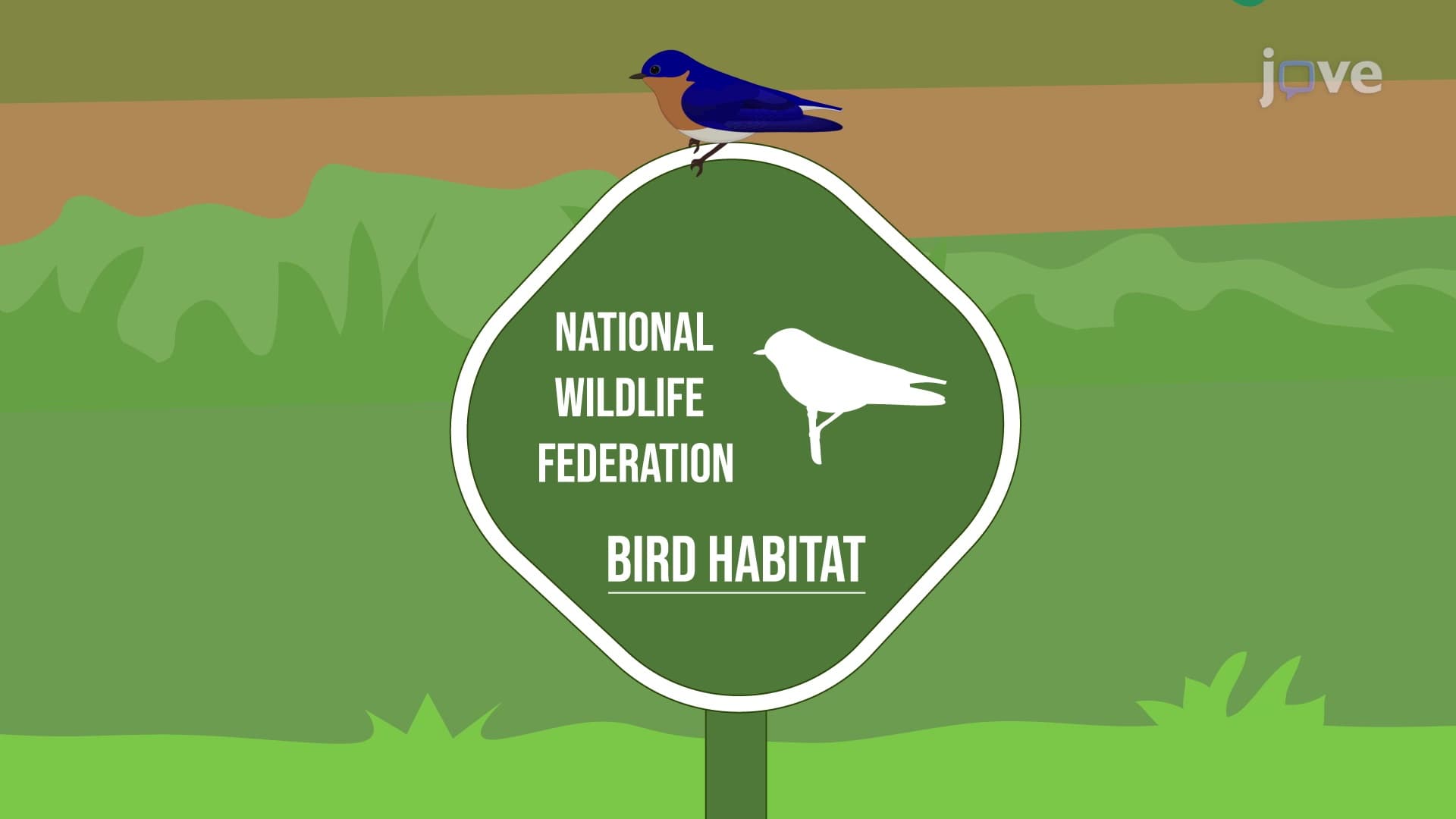
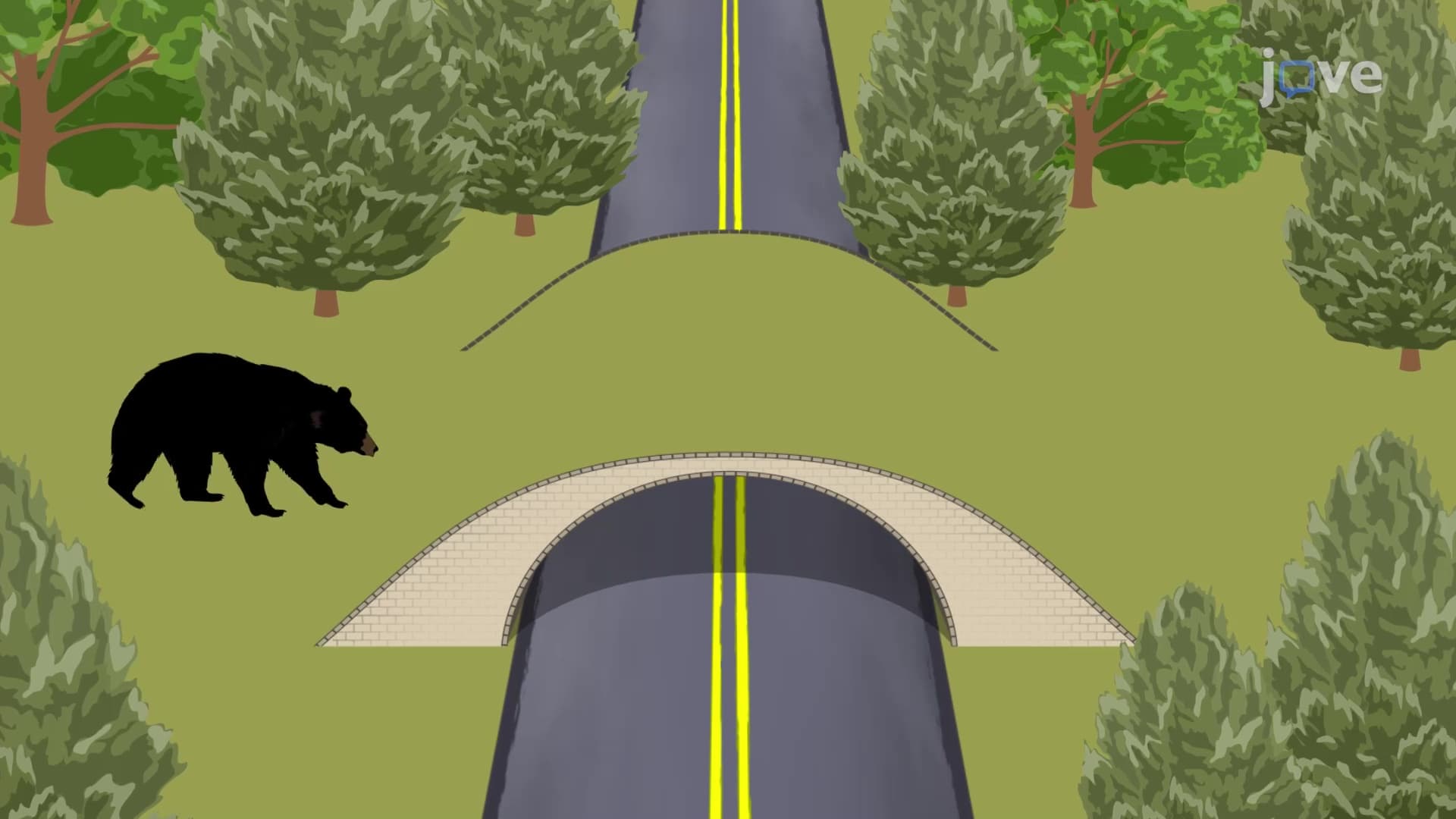
5. Conservation Biology Strategies and Applications Conservation biology combines multiple scientific disciplines to preserve biodiversity through evidence-based interventions. Small population conservation focuses on genetic diversity restoration, exemplified by introducing Texas female panthers into Florida's inbred population to break extinction vortexes and increase genetic variation. Declining population conservation addresses ecological causes of population reduction, as demonstrated by Eastern Bluebird recovery through targeted nesting box programs designed to exclude invasive competitors. Habitat fragmentation mitigation includes wildlife corridors and crossing structures that reconnect isolated populations, reducing edge effects and maintaining gene flow between habitat patches.
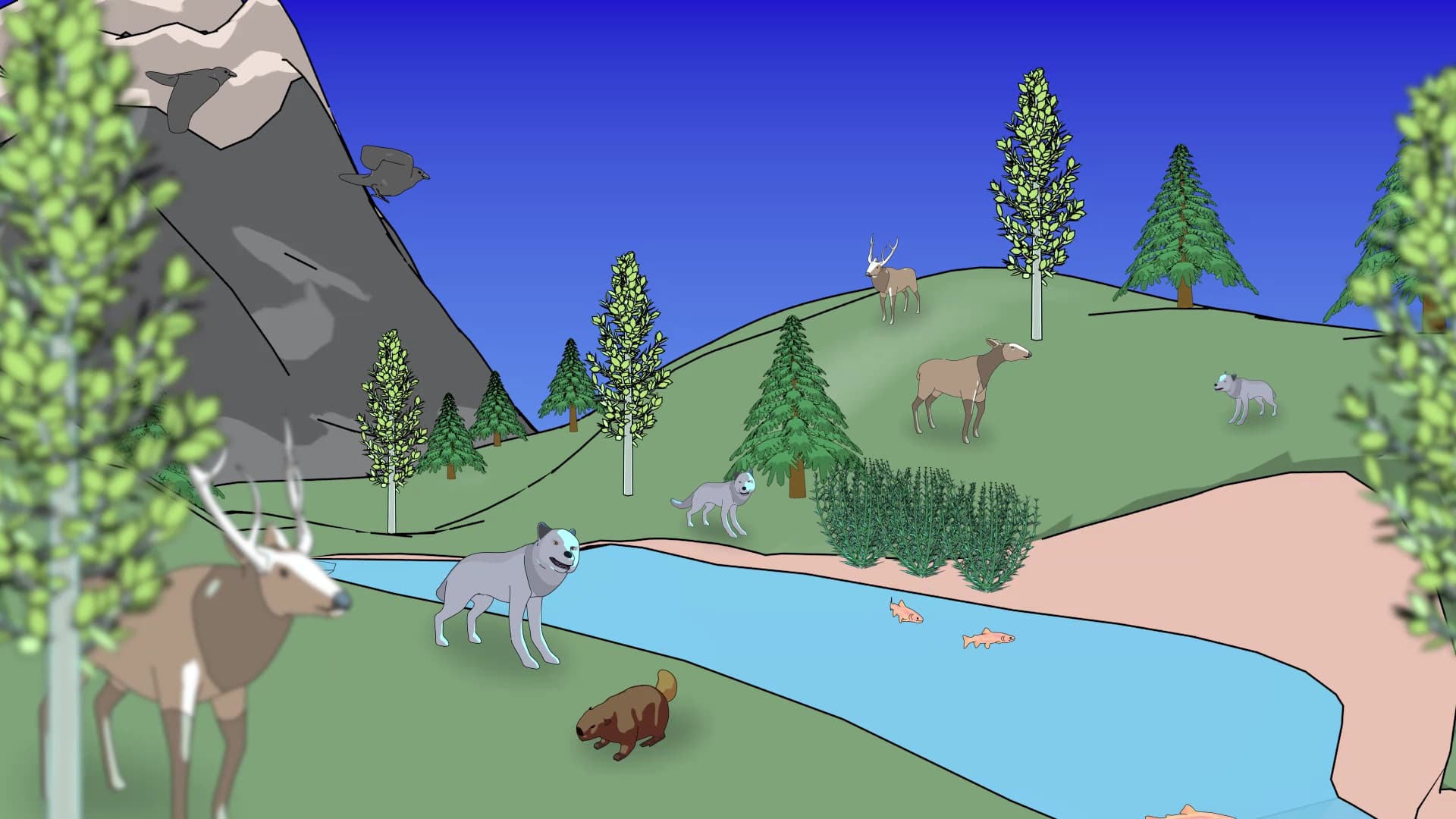
6. Sustainable Development and Future Conservation Sustainable development integrates social, economic, and ecological considerations to meet current human needs while preserving resources for future generations. Energy transition from fossil fuels to renewable sources like wind and solar power reduces greenhouse gas emissions driving climate change. Agricultural sustainability through crop rotation maintains soil nutrients and reduces pest impacts while ensuring food security. Conservation success stories like Yellowstone wolf reintroduction demonstrate ecosystem restoration potential, where predator return controlled elk populations, allowed vegetation recovery, and restored biodiversity across multiple species levels, illustrating comprehensive ecosystem management approaches.