Loading video…


 11 Concepts
 224K views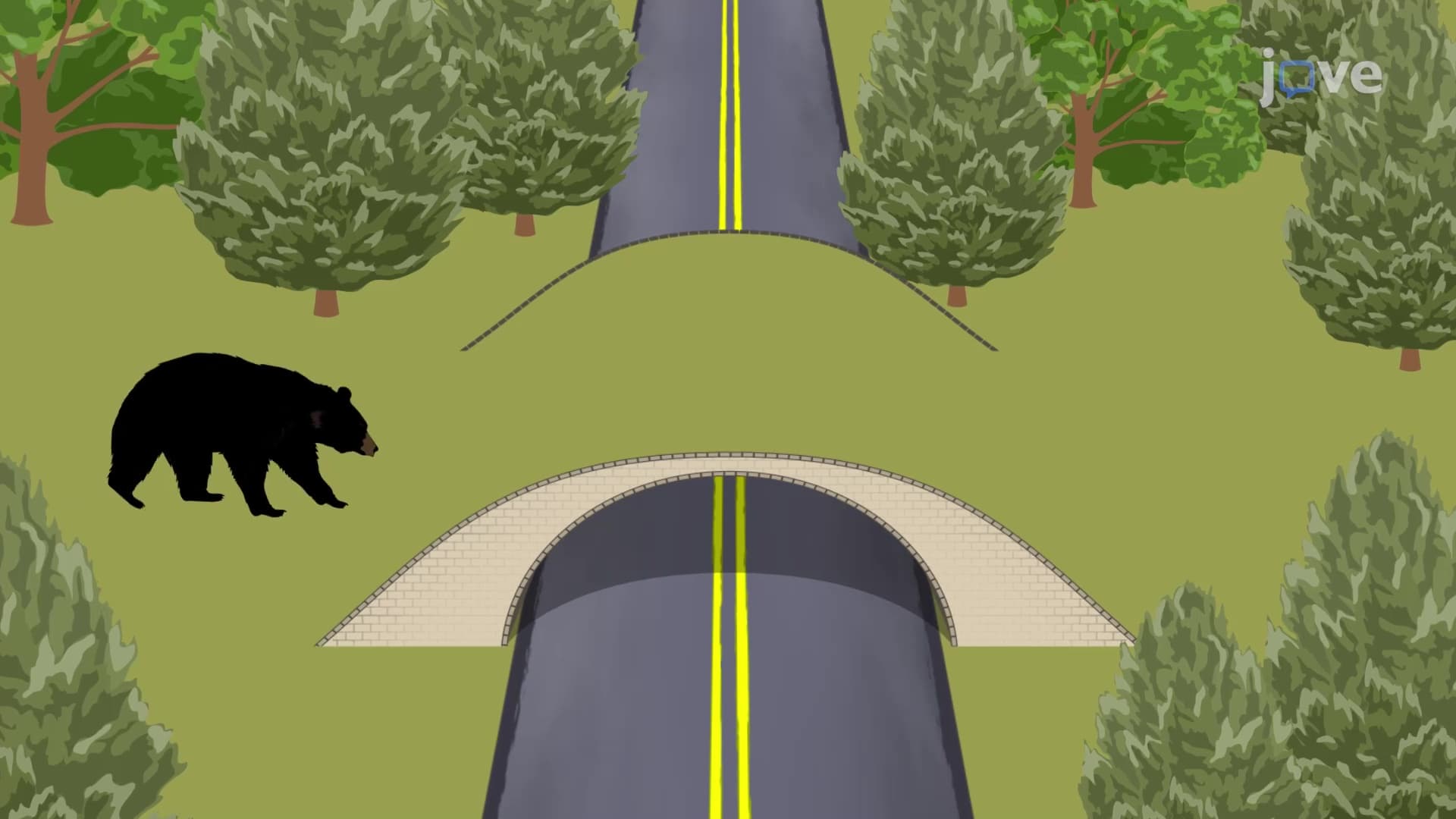

Video Summary: What Is Habitat Fragmentation
Did you know that building just one highway can split a thriving ecosystem into isolated patches, threatening entire species? Habitat fragmentation occurs when continuous natural areas are broken into smaller, disconnected pieces by human activities or natural forces. The construction of Interstate 75 through Florida's Everglades exemplifies how infrastructure development can severely impact wildlife movement and survival. What is habitat fragmentation's ultimate impact on biodiversity and ecosystem health? Watch the full video on JoVE Coach to master this concept with expert-led visuals and step-by-step explanations.
What is habitat fragmentation represents one of the most critical environmental challenges facing modern ecosystems. This process transforms large, continuous habitats into smaller, isolated patches separated by unsuitable environments. Unlike complete habitat destruction, fragmentation leaves remnant patches that may still support wildlife but with significantly reduced capacity and connectivity.
The fragmentation process creates a mosaic landscape where natural habitats become islands surrounded by human-dominated environments. These habitat patches experience reduced size, increased isolation, and altered environmental conditions that collectively threaten resident species' long-term viability.
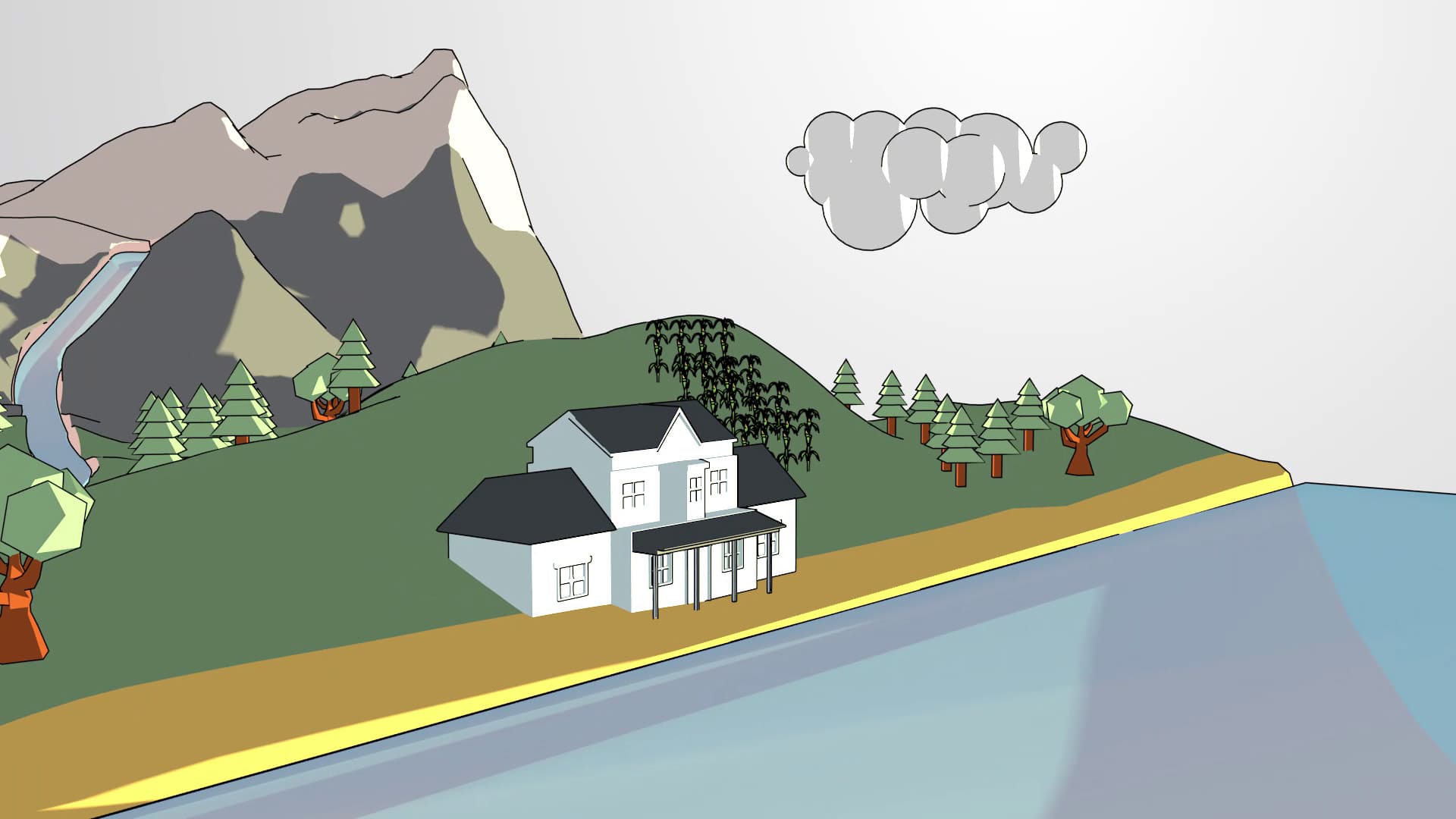
Human activities constitute the leading cause of habitat fragmentation worldwide. Urban development, agricultural expansion, and infrastructure construction create the most dramatic fragmentation patterns. For example, the expansion of suburban developments in California's Central Valley has fragmented oak woodlands, isolating populations of species like the California tiger salamander.
Transportation networks particularly contribute to fragmentation. Major highways like Interstate 40 across the American Southwest create permanent barriers for wildlife movement, forcing animals to navigate dangerous crossings or become isolated in habitat patches. Agricultural practices, including monoculture farming and livestock grazing, replace diverse natural habitats with simplified ecosystems that cannot support native species.
Natural processes also drive fragmentation, though typically at slower rates. Climate change alters habitat boundaries, while natural disasters like wildfires or floods can temporarily or permanently fragment continuous habitats. River course changes naturally create habitat discontinuities for both terrestrial and aquatic species.
Habitat fragmentation triggers cascading ecological effects that extend beyond simple habitat loss. Population isolation prevents gene flow between habitat patches, reducing genetic diversity and increasing inbreeding depression. Small, isolated populations face higher extinction risks due to demographic stochasticity and reduced resilience to environmental disturbances.
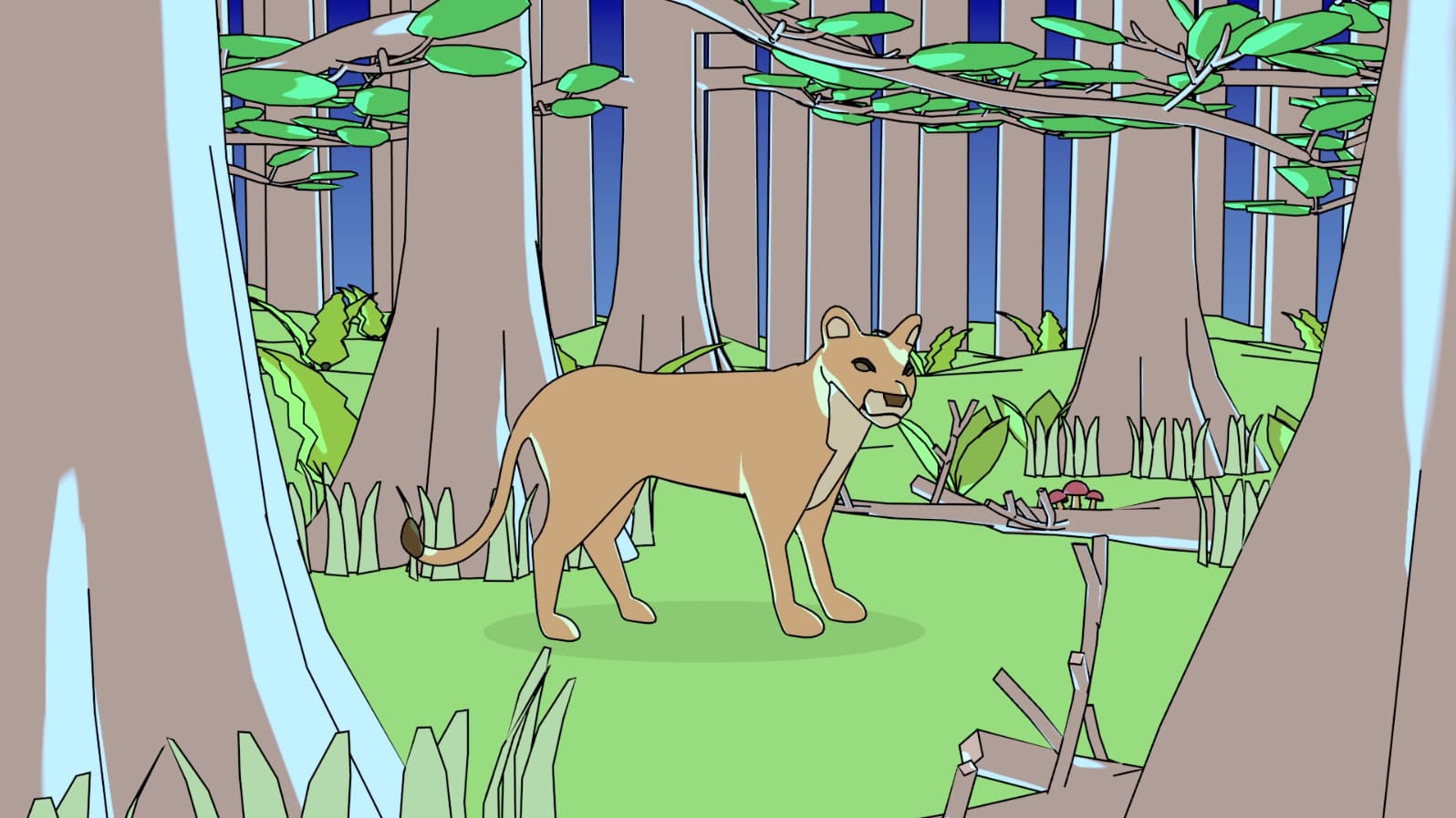
Edge effects represent particularly significant consequences of fragmentation. These boundary zones between fragmented habitats and surrounding landscapes experience altered microclimates, increased predation, and invasive species penetration. Forest edges adjacent to agricultural fields, for instance, experience increased light penetration, reduced humidity, and higher temperatures that favor different plant and animal communities than forest interiors.
Understanding habitat fragmentation proves essential for students preparing for AP Environmental Science, college ecology courses, and graduate school entrance exams. The concept frequently appears in questions about biodiversity conservation, landscape ecology, and environmental management strategies.
Wildlife corridors represent the primary conservation response to fragmentation. These connecting strips of habitat allow species movement between patches, maintaining gene flow and population connectivity. The success of wildlife overpasses in Banff National Park demonstrates how thoughtful conservation planning can mitigate infrastructure impacts on wildlife populations.
Related Micro-courses