Loading concepts…


8 Concepts
21 Concepts
9 Concepts
16 Concepts
16 Concepts
14 Concepts
15 Concepts
14 Concepts
7 Concepts
9 Concepts
5 Concepts
19 Concepts
13 Concepts
12 Concepts
15 Concepts
7 Concepts
8 Concepts
11 Concepts
12 Concepts
11 Concepts
6 Concepts
8 Concepts
8 Concepts
9 Concepts
8 Concepts
10 Concepts
12 Concepts
12 Concepts
11 Concepts
5 Concepts
4 Concepts
5 Concepts
7 Concepts
21 Concepts
7 Concepts
8 Concepts
 12 Concepts
 824.1K Views
 Popular topics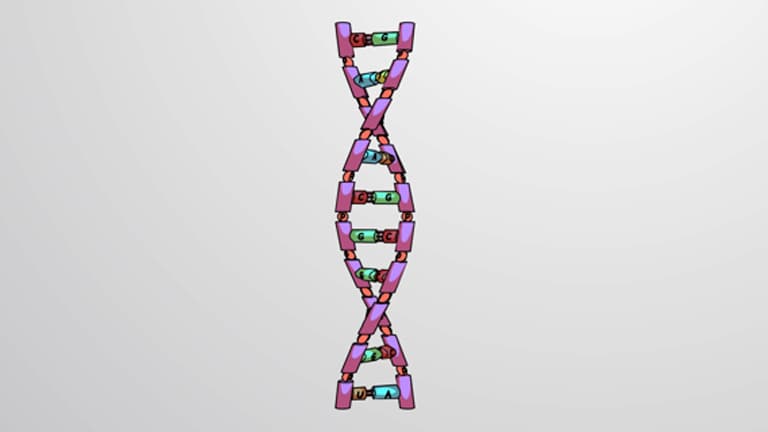
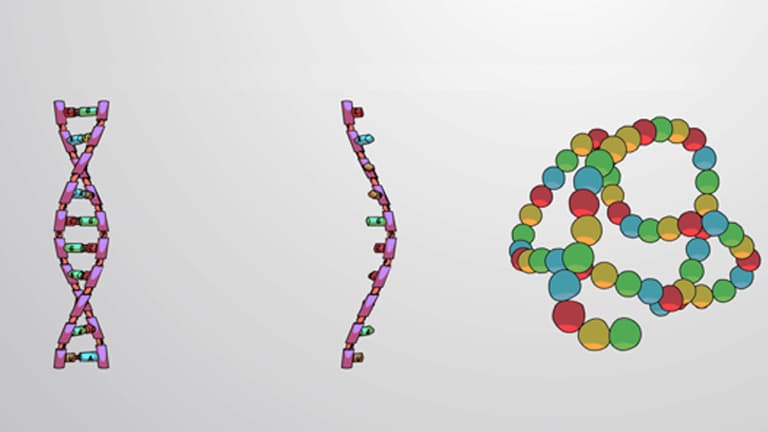

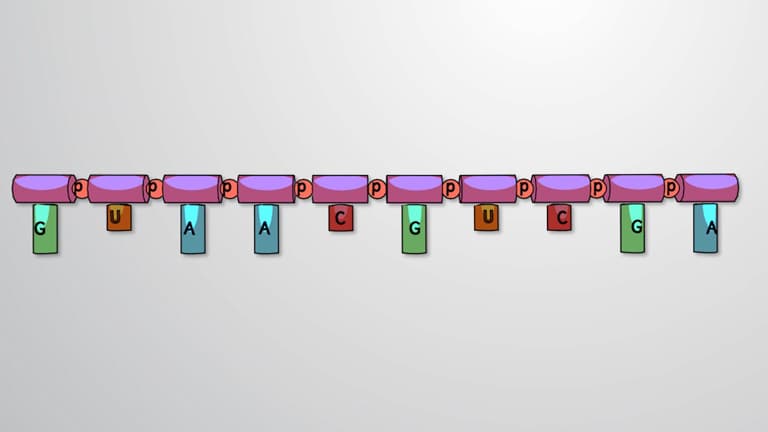
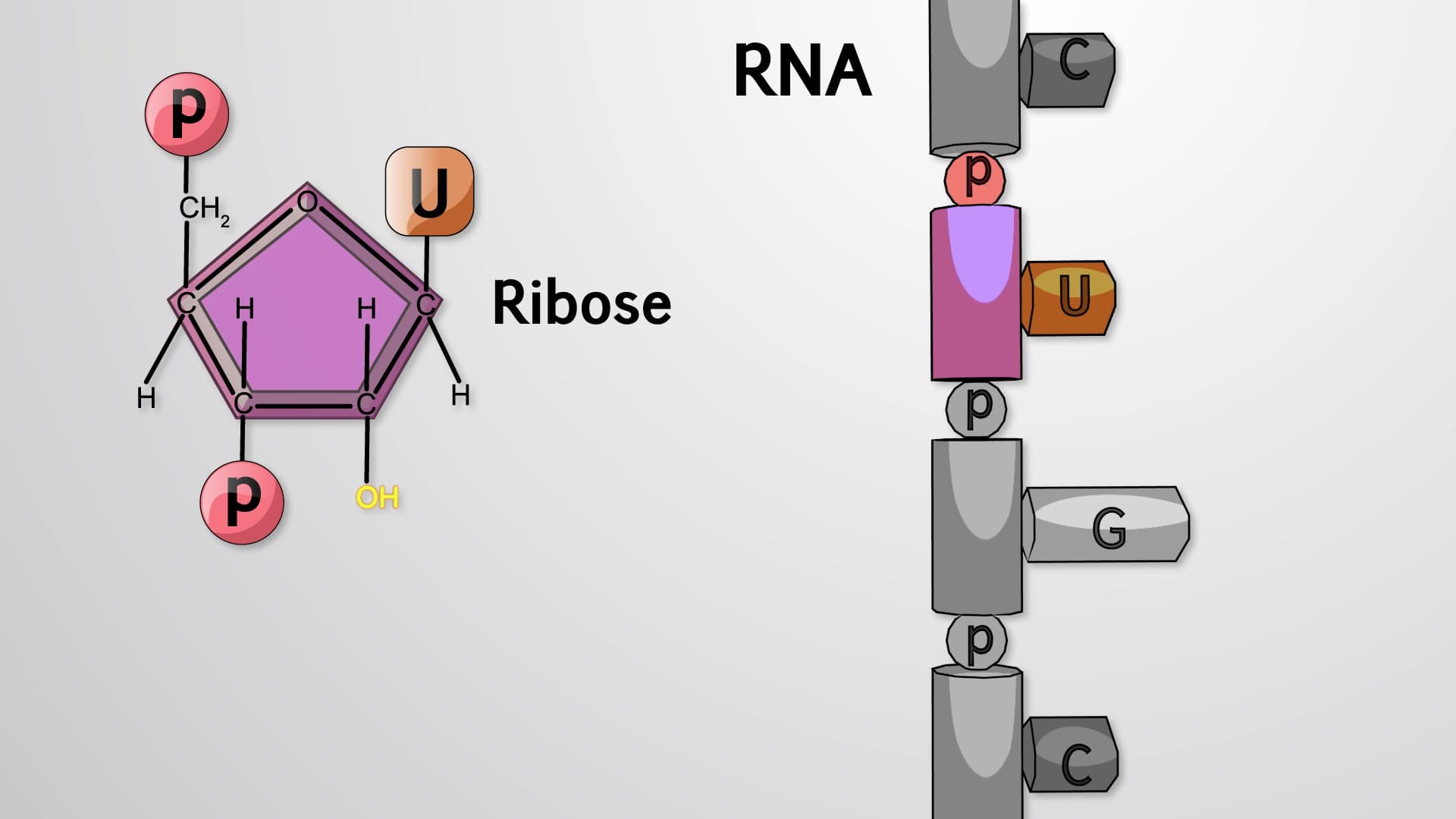

Gene expression is the fundamental biological process by which genetic information stored in DNA is converted into functional proteins through transcription and translation biology. This comprehensive course explores how is gene expression regulated in cells, covering everything from basic mechanisms to complex regulatory networks. Students will examine real-world applications in US biotechnology companies and medical research, utilizing JoVE Coach resources to master this cornerstone concept of molecular biology.
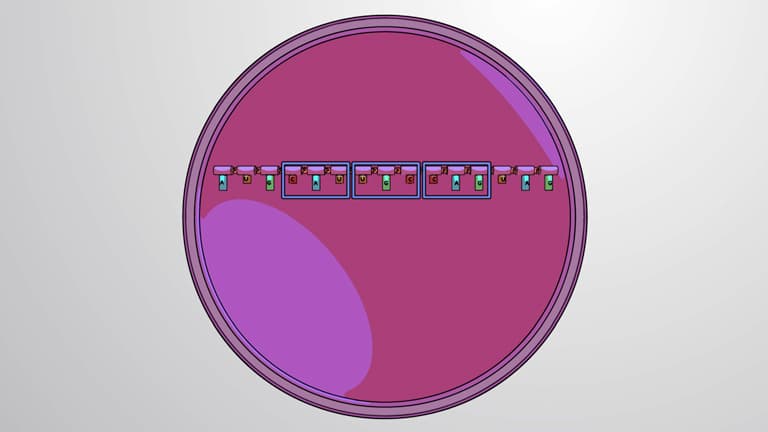
1. Central Dogma and Basic Gene Expression Mechanisms The central dogma describes the unidirectional flow of genetic information from DNA to RNA to proteins. Students learn how DNA serves as the template for mRNA synthesis during transcription, followed by protein synthesis during translation. This process occurs in all living cells, from bacteria producing insulin in biotechnology applications to human liver cells manufacturing enzymes. Understanding this fundamental pathway is essential for grasping more complex regulatory mechanisms and forms the basis for genetic engineering techniques used by companies like Genentech and Moderna in developing therapeutic proteins and mRNA vaccines.
2. Transcription Process and RNA Polymerase Function Transcription involves RNA polymerase enzymes reading DNA templates to synthesize complementary RNA strands. In prokaryotes, a single RNA polymerase handles all transcription, while eukaryotes use three different RNA polymerases (I, II, and III) for specific gene types. The process includes initiation at promoter sequences, elongation through the gene body, and termination at specific signals. This knowledge applies directly to understanding how antibiotics like rifampicin work by inhibiting bacterial RNA polymerase, and how certain cancer treatments target transcriptional machinery in rapidly dividing cells.
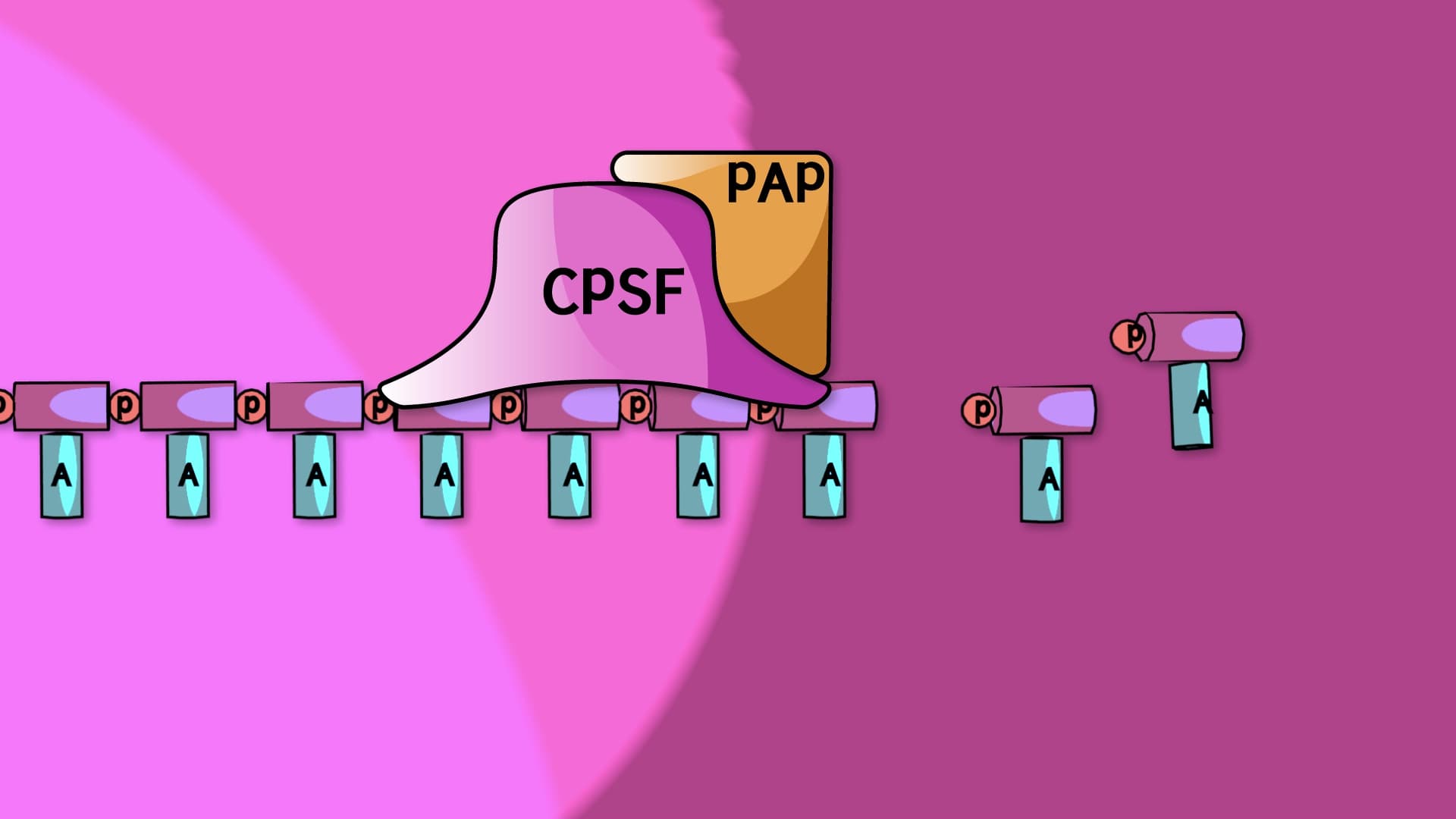
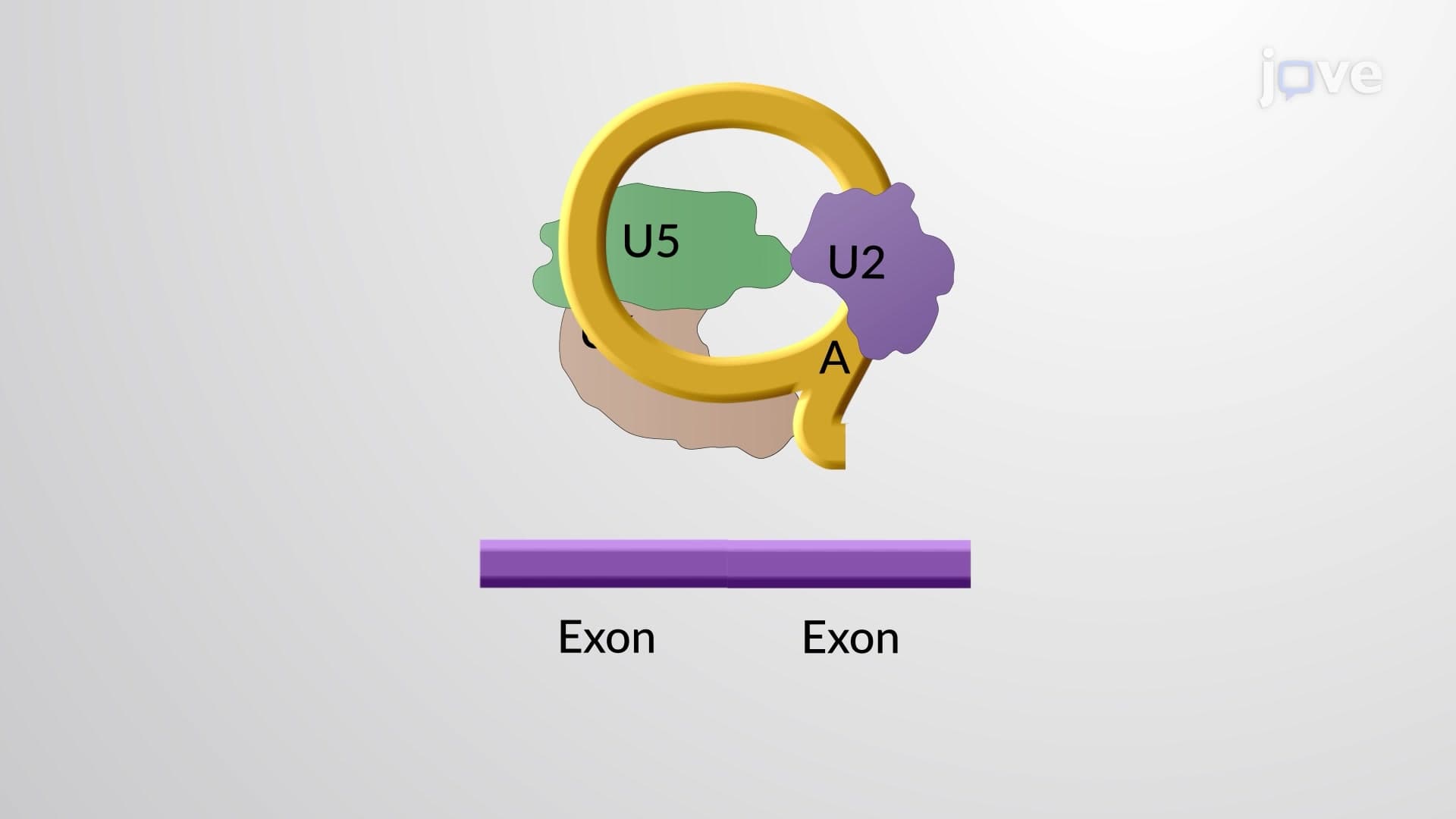
3. RNA Processing and mRNA Maturation Eukaryotic pre-mRNA undergoes extensive processing including 5' capping, 3' polyadenylation, and splicing to remove introns. The 5' cap structure protects mRNA from degradation and assists ribosome binding, while the poly-A tail enhances stability and translation efficiency. Splicing removes non-coding sequences and enables alternative splicing, allowing one gene to produce multiple protein variants. This process is crucial for understanding genetic diseases like spinal muscular atrophy, where splicing defects cause motor neuron degeneration, and for developing splice-switching oligonucleotides as therapeutic approaches used by companies like Biogen.
4. Transcription Factors and Gene Regulation Transcription factors are proteins that bind specific DNA sequences to activate or repress gene expression. They contain DNA-binding domains that recognize regulatory sequences and activation/repression domains that interact with the transcriptional machinery. Examples include the p53 tumor suppressor that responds to DNA damage by activating cell cycle checkpoint genes, and liver-specific factors like HNF-1 that control hepatocyte-specific gene expression. Understanding transcription factor function is essential for comprehending cancer biology, developmental disorders, and the mechanisms of action for many pharmaceuticals that target these regulatory proteins.
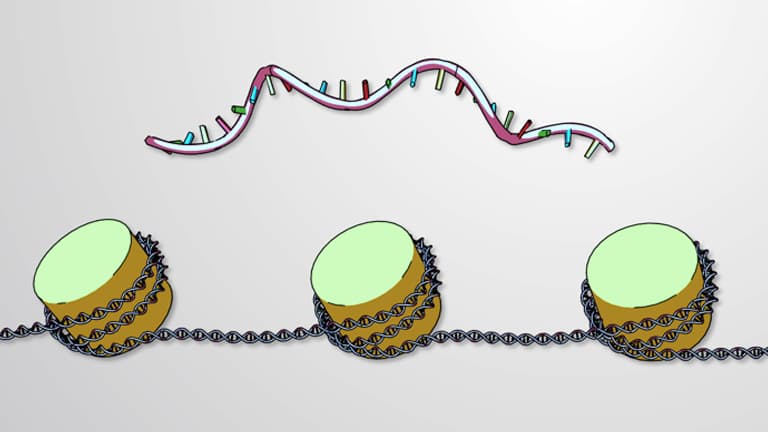
5. Epigenetic Regulation and Chromatin Modifications Epigenetic mechanisms control gene expression without changing DNA sequences through DNA methylation, histone modifications, and chromatin remodeling. DNA methylation typically silences gene expression and is important for genomic imprinting and X-chromosome inactivation. Histone modifications like acetylation and methylation create accessible or repressive chromatin states. These mechanisms explain how identical twins can develop different diseases and how environmental factors influence gene expression. Companies like Illumina develop sequencing technologies to study epigenetic patterns, while pharmaceutical companies create drugs targeting epigenetic enzymes for cancer treatment.
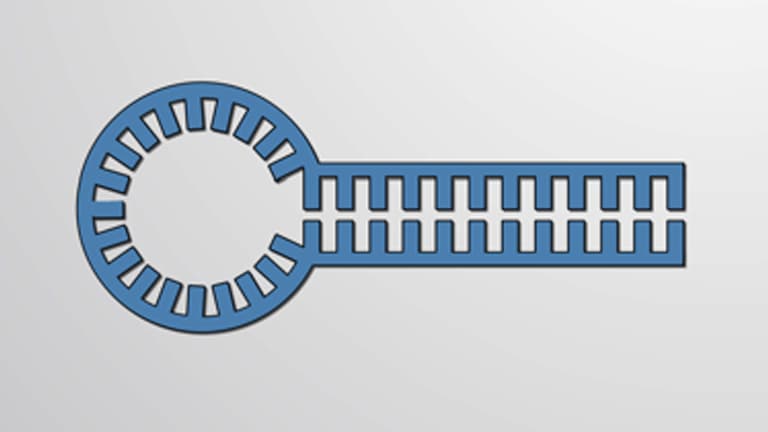
6. RNA Interference and Non-coding RNA Functions RNA interference (RNAi) involves small RNA molecules like microRNAs and siRNAs that regulate gene expression post-transcriptionally. MicroRNAs bind complementary sequences in target mRNAs, leading to translational repression or mRNA degradation. This process fine-tunes protein levels and is crucial for development, differentiation, and disease prevention. RNAi has revolutionized research through gene knockdown experiments and shows therapeutic promise for treating viral infections, cancer, and genetic disorders. Companies like Alnylam Therapeutics develop RNAi-based drugs, while research institutions use RNAi to study gene function in model organisms.
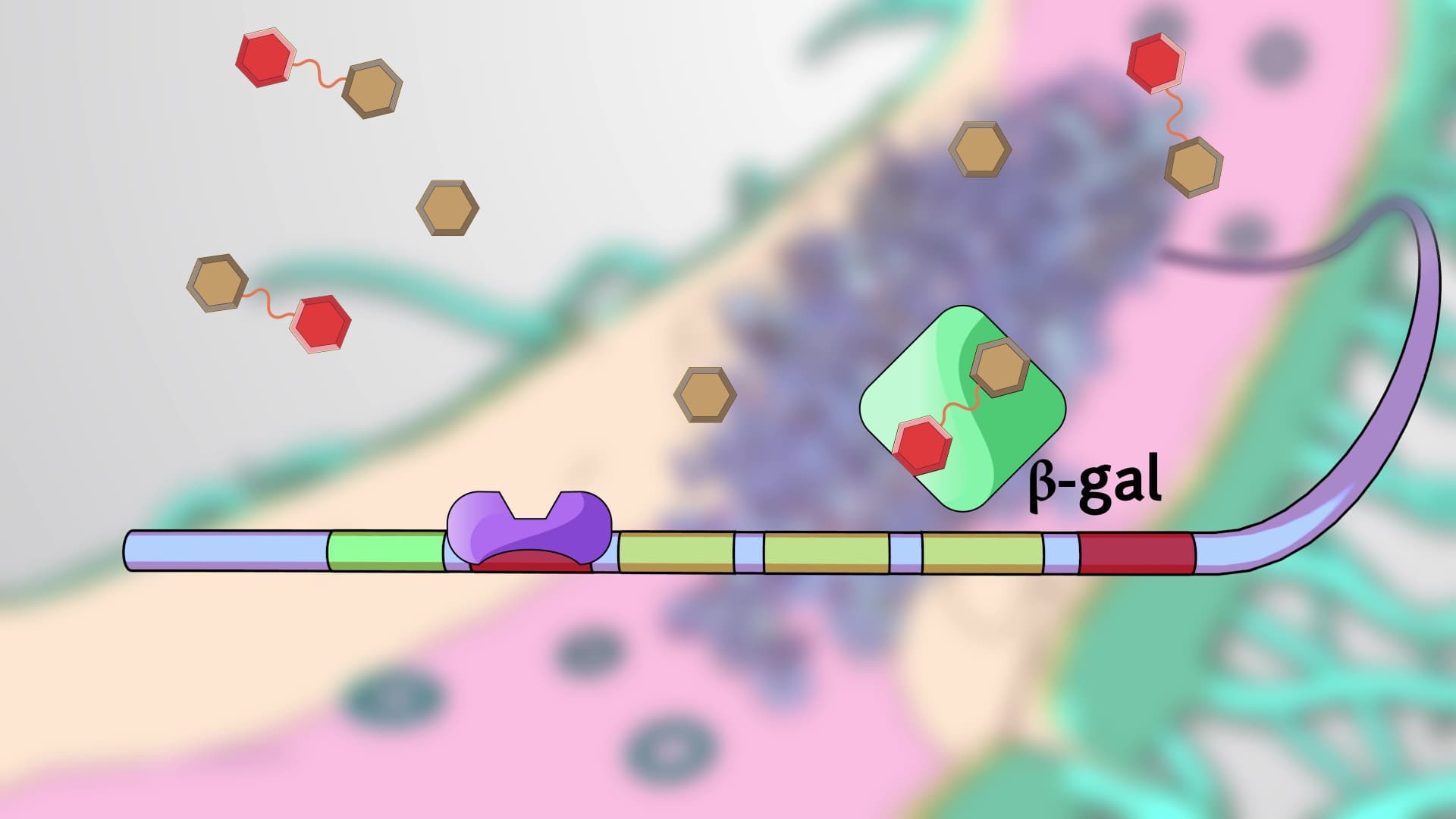
7. Prokaryotic Gene Regulation and Operons Bacterial operons coordinate expression of functionally related genes under single promoter control. The lac operon exemplifies inducible systems that respond to environmental lactose by producing enzymes for lactose metabolism. The trp operon represents repressible systems that shut down when tryptophan is abundant. These regulatory mechanisms allow bacteria to efficiently respond to environmental changes and conserve energy. Understanding operons is crucial for biotechnology applications, including designing bacterial systems for producing recombinant proteins, developing antibiotic resistance strategies, and creating biosensors for environmental monitoring in US pharmaceutical and agricultural industries.
8. Cell-Specific Gene Expression and Tissue Development Despite containing identical DNA, different cell types express distinct gene sets that determine their specialized functions. Liver hepatocytes express alcohol dehydrogenase for detoxification, while neurons produce neurotransmitter receptors for signal transmission. Master transcription factors like MyoD for muscle development control cell fate decisions during differentiation. This concept explains how stem cells can differentiate into various cell types and is fundamental to understanding developmental biology, cancer metastasis, and regenerative medicine approaches. Companies like Geron Corporation and universities across the US study these mechanisms for developing stem cell therapies.